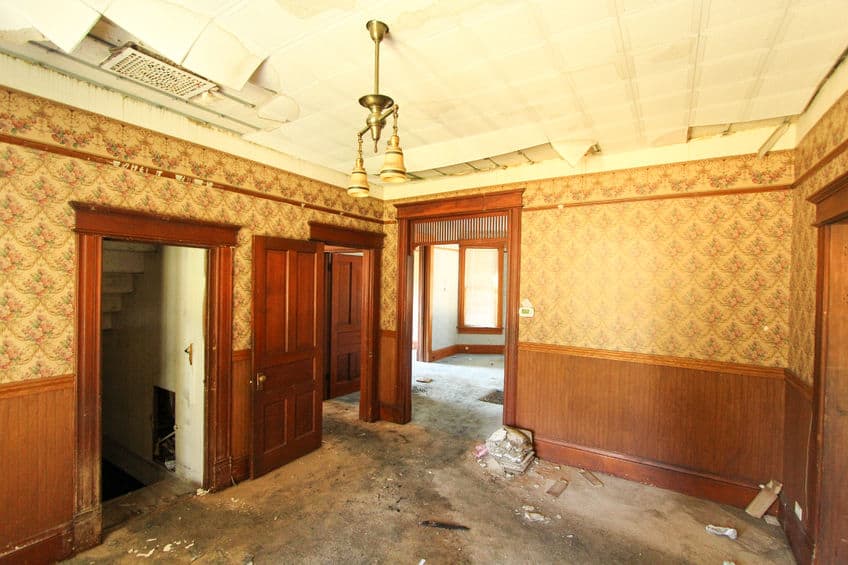
Most people assume the hard part is over once the flames are out. It isn’t. Acidic soot begins etching metal fixtures, discoloring walls, and embedding into porous materials within hours. Smoke particles work their way into drywall, insulation, and wood framing. The water used to suppress the fire creates its own problem — mold can take hold in as little as 24 to 48 hours if it isn’t properly extracted and dried.
Fire restoration is the process of stopping that secondary damage in its tracks, cleaning what can be saved, and rebuilding what can’t. It requires specialized equipment, trained technicians, and a clear process — not a shop vac and a coat of paint. We’ve been doing this across Long Island for nearly 30 years, and we know exactly what your home needs to get back to where it was.