
Hear from Our Customers
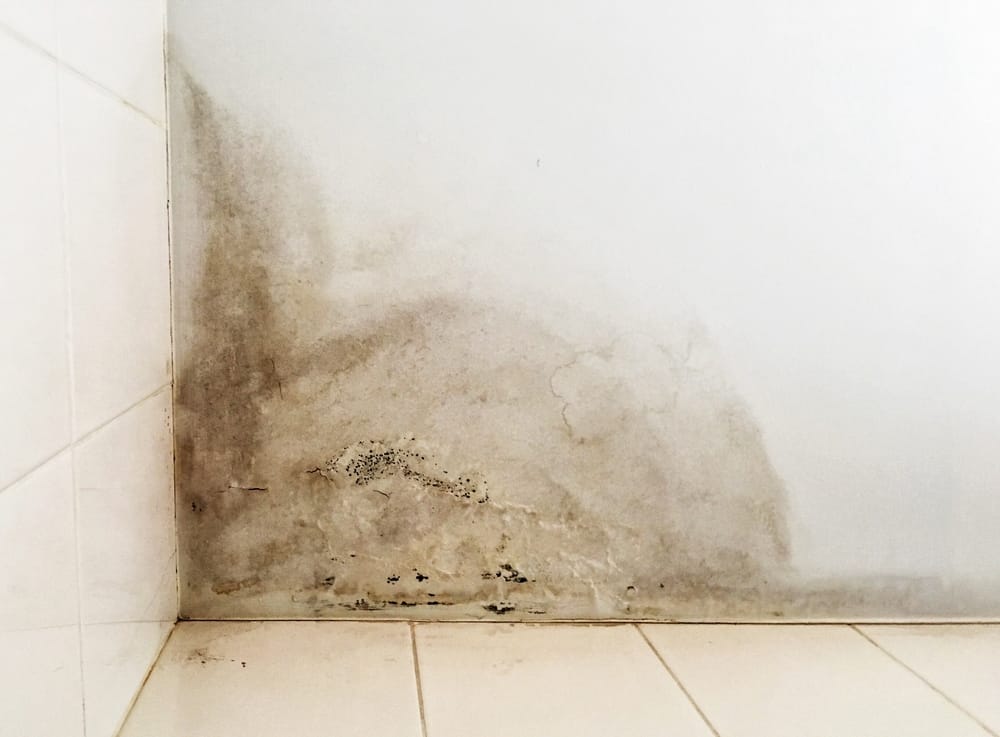
Mold doesn’t just look bad. It chips away at the value of a home that took decades to build equity in. In Carle Place, where median sale prices are pushing toward $907,000, a mold problem discovered during a buyer’s inspection can cost you far more than the remediation itself — we’re talking price reductions, lost deals, and months of delay. Getting it handled correctly the first time isn’t a luxury. It’s the financially sound move.
The housing stock here is a big part of why mold calls are so common in Carle Place. Homes built in 1946 and 1954 weren’t designed with modern moisture management in mind. Original plumbing joints fail slowly. Attic ventilation in Cape Cods and ranch-styles is often insufficient, letting warm air condense on the underside of roof decking every summer when Long Island’s humidity climbs past 70 or 80 percent. That’s not a one-time event — it’s a recurring cycle that compounds year after year until the mold is visible enough to be impossible to ignore.
What changes after proper mold remediation is straightforward: the air in your home is cleaner, the structure is sound, and you have documentation that holds up to an insurance adjuster or a buyer’s attorney. For families with kids in the Carle Place school district — one of the community’s most valued assets — removing mold from the living environment is also a direct health decision. Mold exposure is linked to childhood asthma, chronic respiratory issues, and allergy flare-ups. A remediated home is a healthier one, full stop.
We’ve been serving Nassau and Suffolk County homeowners since the early 1990s — long before the Carle Place LIRR station got its 2021 renovation, and through every major weather event Long Island has thrown at its housing stock since then. We’re based in West Babylon and we cover all of Nassau County, including Carle Place, with a dedicated local number: 516-541-0500.
What sets us apart isn’t a tagline. It’s a standard we hold without exception: every technician who walks into your home holds IICRC certification. Not just the project lead. Not just the owner. Every single person on the crew. That matters because the quality of a mold remediation job depends entirely on the people doing the work, not just the company name on the truck.
We also carry both the NYS Department of Labor Article 32 mold license and Nassau County’s Environmental Hazard Remediation Provider license — the dual-licensing requirement that applies specifically to mold work in Nassau County. A lot of contractors operating in this area only hold one. We hold both, and we’re happy to show you the paperwork.
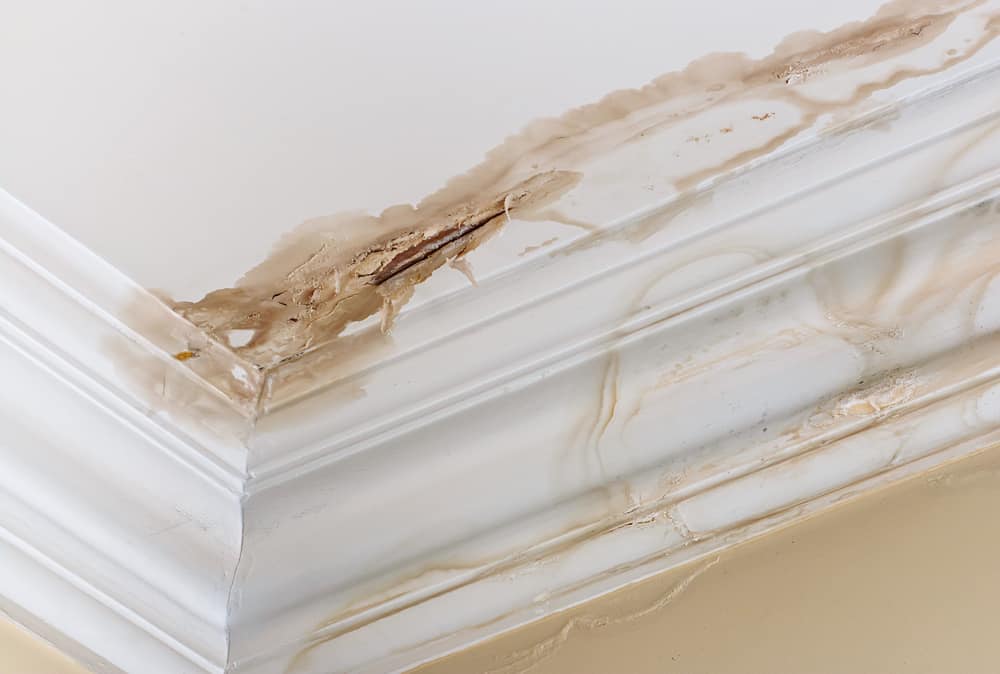
It starts with an inspection — and not a surface-level walkthrough. In Carle Place’s older homes, mold is rarely limited to what you can see. We use boroscopic wall cavity examination to look inside walls without tearing them apart, along with air sampling and surface testing to get a clear picture of what’s actually there and where it’s spreading. Attics get checked. Crawl spaces get checked. Basement walls and slab areas in the original Levitt-built homes get checked. We look where the problem is most likely to be hiding based on the construction type in front of us.
Once the scope is confirmed, we put together a written remediation plan — which is required under New York State’s Article 32 mold law before any remediation work begins. That plan is based on what the inspection found, not a generic template. From there, containment goes up to isolate the affected areas, and remediation begins using industry-standard equipment and protocols. We also handle the water damage side of the equation — because mold doesn’t appear out of nowhere. If there’s a moisture source driving the problem, we address that too, so you’re not calling us again six months from now.
After the work is done, post-remediation clearance testing confirms that air and surface samples pass before we close the job. You get chain-of-custody lab documentation delivered within two to three business days — the kind of paperwork that holds up at closing, with an insurance adjuster, or in any legal context. In Nassau County’s competitive real estate market, that documentation isn’t optional. It’s what makes the remediation verifiable.
Ready to get started?
Mold removal in Carle Place covers a wider range of scenarios than most homeowners expect when they first call. Attic mold removal is one of the most common requests we handle in this area — the Cape Cod and ranch-style homes that make up a significant portion of Carle Place’s housing stock are structurally prone to it. Basement mold removal is another frequent call, particularly after the wet seasons when hydrostatic pressure on aging foundation walls drives moisture through cracks that have been there for decades. We also handle bathroom mold removal, crawl space mold removal, and full toxic mold cleanup in cases where black mold has taken hold in wall cavities or subfloor systems.
For commercial properties along the Old Country Road corridor — the medical offices, retail spaces, and mixed-use buildings that line one of Nassau County’s busiest commercial strips — we offer commercial mold removal with the same IICRC-certified standards and full documentation that residential clients receive. The process doesn’t change based on the building type. The thoroughness does not get dialed back because it’s a commercial space.
One financial detail worth knowing: we offer up to $500 toward your insurance deductible for eligible claims. If you’re filing through homeowners insurance after a water damage event that led to mold growth — which is a common sequence in Carle Place given the area’s documented flooding risk — that deductible coverage can meaningfully reduce your out-of-pocket cost. No other mold remediation provider we’ve seen operating in this area offers that. We do, and it’s available to qualifying clients who ask about it when they call.
Yes — and this is one of the most important things to verify before hiring anyone for mold work in Carle Place. New York State’s Article 32 mold law, which went into effect in 2016, requires contractors to hold a license from the NYS Department of Labor before performing mold assessment or remediation. But Nassau County adds a second requirement on top of that: contractors must also hold an Environmental Hazard Remediation Provider (EHRP) license issued by the Nassau County Department of Health. That’s a county-level credential that’s specific to Nassau and doesn’t apply everywhere on Long Island.
A lot of contractors operating in this market hold the state license but not the Nassau County EHRP license. That means they’re operating out of compliance for work performed in Carle Place. Before you hire anyone, ask to see both licenses. A legitimate, fully credentialed contractor won’t hesitate to show you. One more thing the law requires: the same company cannot perform both the mold assessment and the mold remediation on the same property. Those two functions must be handled by separate licensed entities — so be cautious of any contractor who offers to do both under one roof.
The honest answer is that cost depends heavily on the scope — where the mold is, how far it’s spread, and what type of space is affected. Nationally, professional mold remediation runs roughly $10 to $25 per square foot, with the average job coming in around $2,300. In Carle Place, where a significant portion of the housing stock is 65 to 80 years old and mold is frequently discovered in attic cavities or behind original wall framing, jobs often fall in the $15 to $30 per square foot range because the remediation requires more careful containment and more thorough post-remediation testing to verify clearance.
If you’re filing an insurance claim — which is common when mold follows a water damage event — your deductible is an additional out-of-pocket cost to factor in. We offer up to $500 toward your deductible for eligible claims, which can meaningfully reduce what you pay upfront. The best way to get an accurate number for your specific situation is to schedule an inspection. Mold cost estimates over the phone without seeing the property are rarely accurate, and any contractor who gives you a firm quote without inspecting first is guessing.
It comes down to the combination of building style and climate. A large portion of Carle Place’s residential housing stock consists of Cape Cod and ranch-style homes — both of which tend to have low-pitch rooflines and limited attic ventilation. When warm, moist air from the living space rises into an attic that doesn’t have adequate airflow, it condenses on the underside of the roof decking. During Long Island’s summers, when outdoor relative humidity regularly climbs above 70 to 80 percent, that condensation cycle happens repeatedly. Over time, the moisture accumulates on the wood decking and mold colonizes the surface.
Most homeowners in Carle Place don’t know it’s there until a real estate inspector flags it during a pre-sale inspection, or until a musty odor becomes persistent enough to notice. In Carle Place’s competitive housing market — where homes are selling quickly and buyers are thorough — attic mold discovered late in a transaction can stall or kill a deal. Getting an attic inspection done proactively, especially in a home built before 1970, is genuinely worth doing before you list. If mold is found, attic mold removal and post-remediation clearance testing gives you documentation to bring to the table with confidence.
It can — if the moisture source that caused it in the first place isn’t addressed. Mold remediation removes the existing mold colony and treats the affected surfaces. But if there’s still a slow pipe leak behind a wall, inadequate attic ventilation, or a foundation issue allowing water into a basement, the conditions for mold growth haven’t changed. The mold will return.
This is one of the main reasons we handle water damage restoration alongside mold remediation. In Carle Place, where aging plumbing systems and documented basement flooding issues are common, treating the mold without addressing the underlying moisture problem is an incomplete fix. When we identify a moisture source driving the growth, we address it as part of the job — not as a separate service you have to coordinate with another company. Post-remediation clearance testing also confirms the environment is clean before we close the job, so you have a documented baseline to reference if any future concerns come up.
Timeline and displacement depend on the size and location of the affected area. A contained bathroom mold removal job might be completed in a day. Attic mold removal or a more extensive basement mold remediation in an older Carle Place home can take two to four days, sometimes longer if the contamination has spread into wall cavities or subfloor systems that require careful containment and drying before remediation can begin.
Whether you need to leave depends on the scope of the work and where it’s located. For larger jobs involving significant containment, or in cases where toxic mold cleanup is required and air quality in the living space is a concern, temporary displacement is often the safer and more practical choice. We’ll give you a clear answer on this after the inspection, not before — because it genuinely depends on what we find. For Carle Place residents who commute into the city via the LIRR, we work around your schedule and communicate clearly so you’re not guessing about timing or re-entry.
It depends on what caused the mold. Homeowners insurance in New York typically covers mold remediation when the mold is a direct result of a covered water damage event — a burst pipe, an appliance failure, storm-driven water intrusion. If the mold developed from long-term neglect, a slow leak that went unaddressed for months, or gradual moisture buildup without a specific triggering event, most policies won’t cover it.
In Carle Place, where 44 percent of properties carry a risk of severe flooding over the next 30 years and where aging plumbing in mid-century homes creates real exposure to sudden water damage events, insurance claims for mold following water intrusion are not uncommon. The key is documentation — having a clear record of when the water damage occurred, what caused it, and how quickly you responded. We provide chain-of-custody lab documentation and detailed remediation records that insurance adjusters can work with directly. And for eligible claims, we offer up to $500 toward your deductible — a straightforward way to reduce what comes out of your pocket during an already stressful situation.
Useful Links
Other Services we provide in Carle Place