
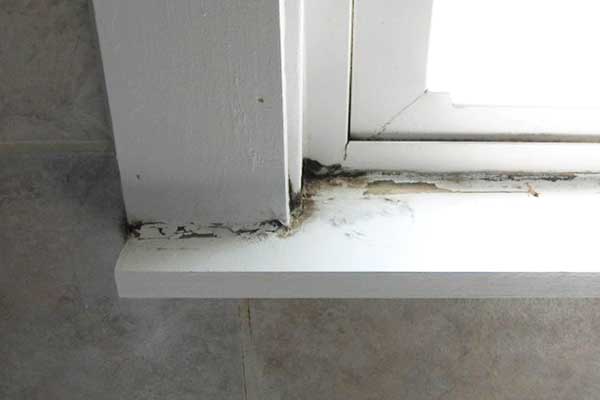
Hear from Our Customers
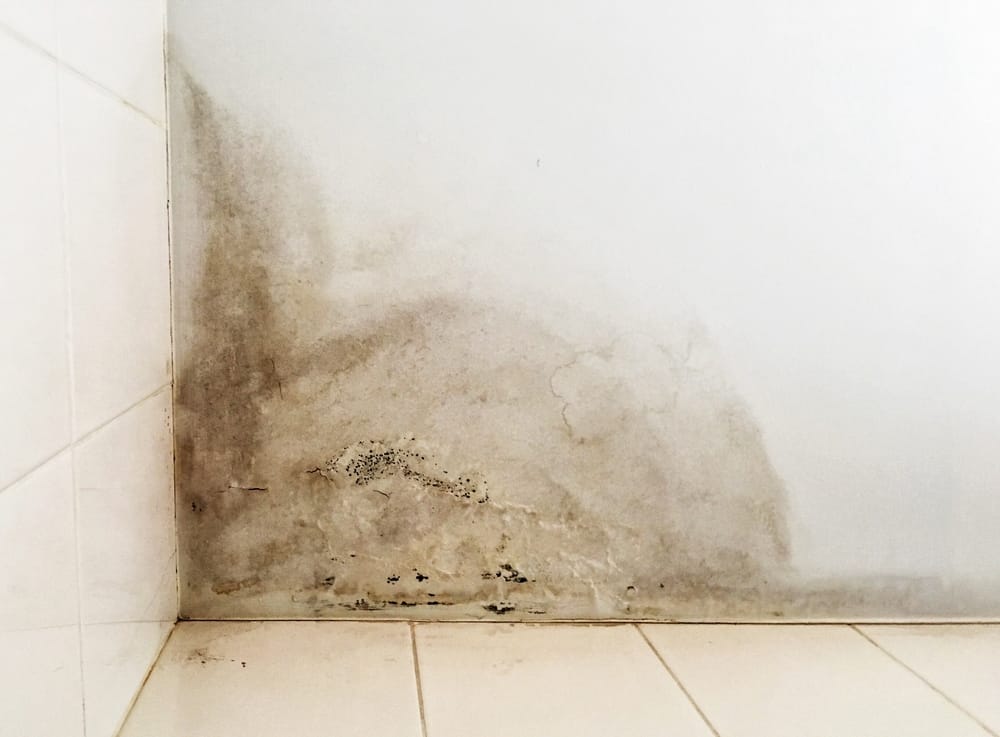
You stop wondering if the air in your home is safe. That’s the most immediate thing. Whether you’re a year-round East Atlantic Beach resident or returning to your summer home on the ocean side after a long winter, the moment you have lab-confirmed clearance in hand, the anxiety that’s been sitting in the back of your mind finally has somewhere to go.
For East Atlantic Beach homeowners specifically, the stakes are higher than they are for most. Your home sits in one of the few communities on Long Island exposed to flooding from two directions — Atlantic storm surge from the south and Reynolds Channel tidal flooding from the north. That dual exposure means moisture finds its way into places that dry out slowly, if at all. Crawl spaces, wall cavities behind stucco exteriors, enclosed cabana spaces that sit dark and unventilated for months — these are the spots where mold establishes quietly and spreads without anyone noticing until it’s a real problem.
Getting this resolved properly — not just treated on the surface — means your home’s structure is protected, your indoor air quality is verified by a lab, and your property value isn’t quietly eroding behind the walls. With median home values in East Atlantic Beach exceeding $1.2 million, that last point isn’t a minor detail.
We’ve been doing this work in Nassau County for over three decades. That means our team has been responding to water damage and mold emergencies on this barrier island through nor’easters, tropical storms, and the full force of Hurricane Sandy — when the East Rockaway Inlet at Atlantic Beach recorded water levels nearly 11 feet above the FEMA 100-year base flood elevation. This isn’t a company that learned about coastal mold from a textbook.
Every technician on our team holds IICRC certification — not just the owner, not just senior staff, every technician. We’re also fully licensed by New York State for both mold inspection and mold remediation, which matters more than most homeowners realize. Operating legally in this state requires specific licensing, and not every company you’ll find online actually has it.
When you call, you’re reaching a Nassau County–based team that knows the Atlantic Beach Bridge, knows what East Atlantic Beach’s Spanish-style homes look like from the inside, and knows what happens to a barrier island property after a season of sitting vacant.
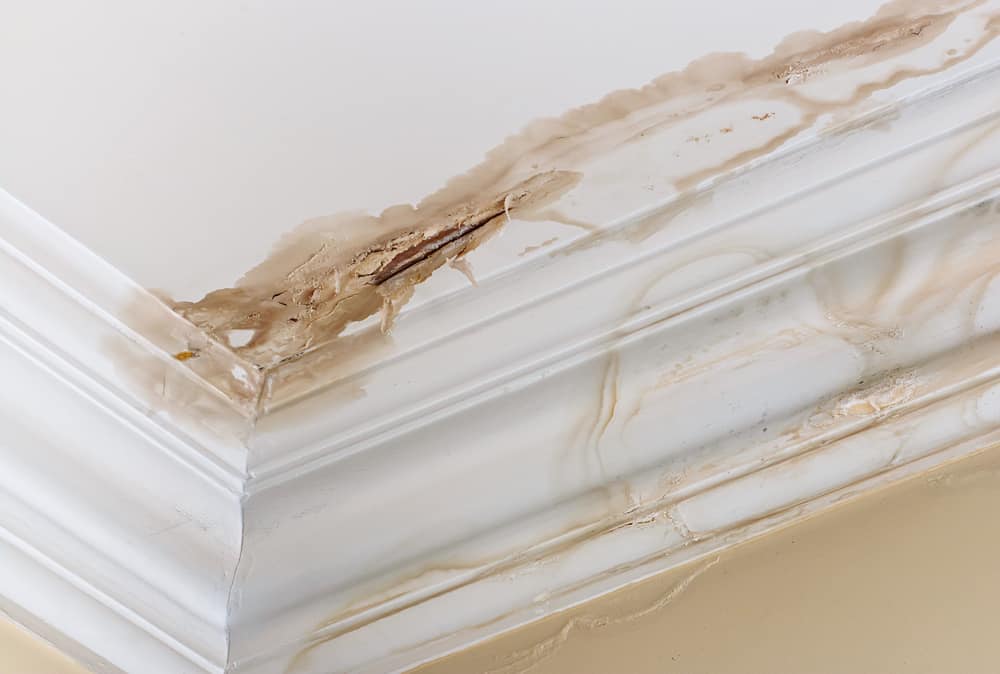
It starts with a 5-point inspection. One of our certified technicians comes to your East Atlantic Beach property and conducts a full assessment — not a quick walkthrough. This includes air sampling, surface swab sampling, and boroscopic wall cavity examination, which is a camera-based technique that lets our team look inside your wall cavities without tearing anything open first. For the stucco-exterior homes and enclosed cabana structures common in East Atlantic Beach, this step alone can reveal mold that a standard visual inspection would completely miss. Moisture levels are also measured throughout the property using non-invasive equipment.
The samples go to a certified lab under a chain-of-custody document — the same legal evidence standard used in insurance claims and real estate transactions. Results come back within 2 to 3 business days. From there, the remediation scope is defined based on what the lab actually found, not what someone estimated by looking around.
Remediation itself follows IICRC S520 standards: containment, HEPA air filtration, removal of affected materials, and treatment of the underlying surfaces. Because East Atlantic Beach properties often have mold tied directly to water intrusion — from storm events, chronic tidal flooding, or moisture migration through aging stucco — we also address the water damage source, not just the mold it produced. The job closes with post-remediation clearance testing. If the lab doesn’t confirm it’s clean, the work isn’t finished.
Ready to get started?
Mold removal in East Atlantic Beach, NY covers a wider range of scenarios than most inland Nassau County towns simply because of where this community sits. Attic mold removal is common in East Atlantic Beach homes after winter vacancy — heating set low, no ventilation, and months of salt-laden coastal air create exactly the right conditions. Basement mold removal and crawl space mold removal are frequent after Reynolds Channel tidal flooding events, which don’t require a named storm to happen. Bathroom mold removal, black mold removal behind stucco walls, and toxic mold cleanup in enclosed cabana structures are all part of the regular scope of work here.
For homeowners dealing with post-storm insurance claims, the chain-of-custody lab documentation we provide is exactly what adjusters and attorneys need. We also offer up to $500 toward your out-of-pocket deductible on qualifying claims — a direct reduction in what this process costs you out of pocket, and something no other mold remediation provider currently serving East Atlantic Beach offers.
Commercial mold removal is also available for any commercial property in the East Atlantic Beach area. The same certified team, the same lab-backed process, and the same post-remediation clearance standard apply regardless of the property type or the size of the job. New York State law requires licensed mold assessors and remediators on any project involving more than 10 square feet — and we meet that requirement on every job.
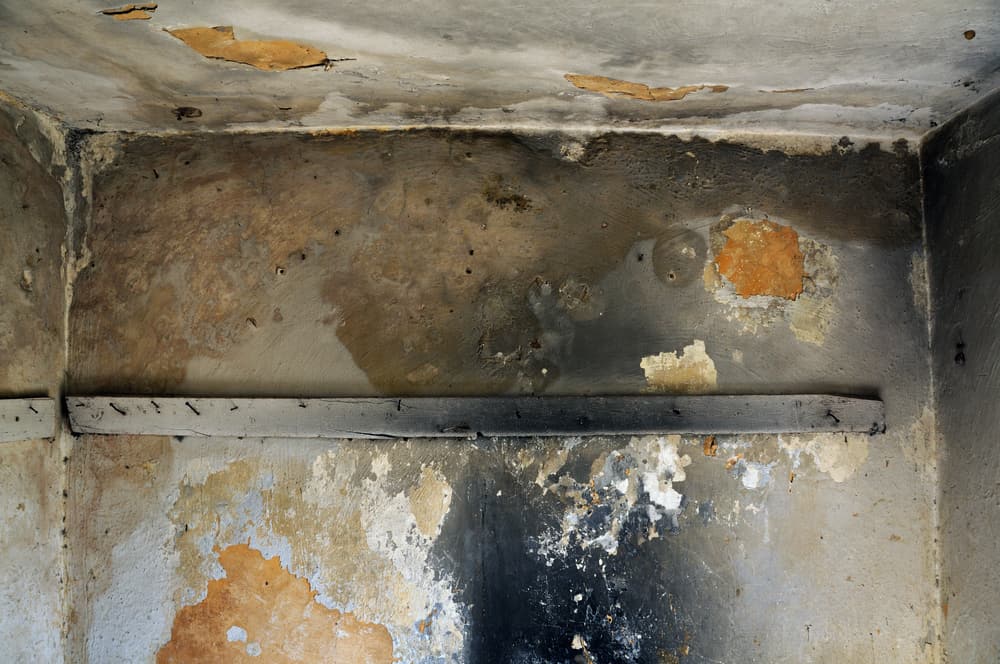
Yes — and it doesn’t take a major storm to trigger it. Reynolds Channel tidal flooding affects bay-facing properties in East Atlantic Beach during nor’easters, heavy rain events, and even high-tide surges that don’t make the news. When water gets into a crawl space, under flooring, or behind a wall and doesn’t dry out within 24 to 48 hours, mold growth begins. The problem is that these lower-level intrusion events often go unnoticed or get partially cleaned up without professional drying equipment, leaving residual moisture in places that stay damp for weeks.
In a barrier island environment like East Atlantic Beach, that residual moisture doesn’t evaporate the way it would in an inland home. The ambient humidity from both the ocean and the channel keeps the building envelope consistently damp, which means mold that starts small can establish and spread before anyone realizes it’s there. If your bay-facing property has experienced any tidal flooding in the past few years — even minor events — a professional mold inspection is worth doing before the problem becomes visible.
The cost of mold removal in East Atlantic Beach, NY depends on a few key variables: the size of the affected area, where the mold is located, and whether the moisture source driving the mold growth also needs to be addressed. A contained bathroom mold situation is a very different scope than black mold removal behind the stucco walls of a Spanish-style home where moisture has been migrating through the exterior for years.
As a general range, professional mold remediation in Nassau County runs from roughly $1,500 on the low end for a small, accessible area up to $10,000 or more for larger or more complex jobs involving multiple areas, structural material removal, and full restoration. Post-remediation clearance testing adds to the total but is not optional if you want lab-confirmed proof that the job is done — which matters significantly in a real estate market where East Atlantic Beach home values regularly exceed $1.2 million. We also offer up to $500 toward your deductible on qualifying insurance claims, which directly reduces your out-of-pocket cost.
In most cases, yes — but it depends on the location of the mold, the size of the affected area, and whether the remediation involves materials that require containment to prevent spore spread. For a bathroom mold removal or a contained crawl space mold removal, most homeowners can remain in the home while work is being done in a sealed-off area. For larger jobs — attic mold removal that covers significant square footage, or toxic mold cleanup that involves opening up wall cavities — temporary relocation during the active remediation phase is sometimes the safer and more practical choice.
In East Atlantic Beach specifically, where homes often have enclosed cabana spaces or connected living areas with limited natural ventilation, containment setup is taken seriously. HEPA air scrubbers run throughout the process to maintain negative air pressure in the work area and prevent cross-contamination into living spaces. Your technician will walk you through what the specific scope of your job requires before any work begins, so you’re not making that decision blind.
The most common signs are what you smell before you see anything — a persistent musty odor in a specific room, a closet, or a space that stays closed. In East Atlantic Beach homes, this is particularly common in enclosed cabana structures, in attics above rooms that aren’t regularly accessed, and in crawl spaces on bay-facing properties. You might also notice occupants experiencing unexplained allergy symptoms, respiratory irritation, or headaches that seem to improve when they leave the house.
The only way to know for certain is a professional inspection that goes beyond the surface. Our boroscopic wall cavity examination allows technicians to look inside wall cavities using a camera — without cutting into your drywall or stucco first. Air sampling captures what’s actually in the air you’re breathing, and lab analysis identifies the specific mold species and concentration levels. This matters because some mold species are significantly more hazardous than others, and surface appearance alone doesn’t tell you what you’re dealing with. If your home has experienced any water intrusion — even a slow roof leak or repeated window condensation — there’s a real possibility of mold growth in places that look completely fine from the outside.
Yes, and it’s worth understanding exactly what the law requires. Under New York State law, any mold assessment or remediation project involving more than 10 square feet requires both a licensed mold assessor and a licensed mold remediator. That threshold covers virtually every real mold problem a homeowner will encounter. The law also bars the same company from performing both the mold assessment and the mold remediation on the same property — this is a consumer protection measure designed to prevent a company from manufacturing a crisis and then charging you to fix it.
We’re fully licensed by New York State for mold remediation, and our owner holds personal licensure. When you’re evaluating mold removal companies in East Atlantic Beach, NY, asking to see their NY State mold remediation license is a completely reasonable and important step. Not every company you’ll find in a search result is actually operating legally in New York, and hiring an unlicensed operator can create problems for insurance claims and real estate transactions that are difficult to unwind later.
It depends on what caused the mold, and the distinction matters. Homeowners insurance typically covers mold remediation when the mold is a direct result of a covered peril — for example, if a storm caused water intrusion that led to mold growth, and you have a policy that covers storm damage. In East Atlantic Beach, where many homeowners carry both a standard homeowners policy and a separate flood insurance policy through the National Flood Insurance Program, the coverage question can get complicated quickly depending on which water source caused the damage.
What insurance generally does not cover is mold that resulted from long-term neglect, chronic moisture issues, or gradual seepage that wasn’t addressed. This is why documentation matters so much. Our chain-of-custody lab reports and inspection documentation give your insurance adjuster a clear, legally credible record of what was found, where it was found, and what caused it — which is exactly what a strong claim requires. We also offer up to $500 toward your out-of-pocket deductible on qualifying claims, which can meaningfully offset your costs while the claim is being processed.
Useful Links
Other Services we provide in East Atlantic Beach