
Hear from Our Customers
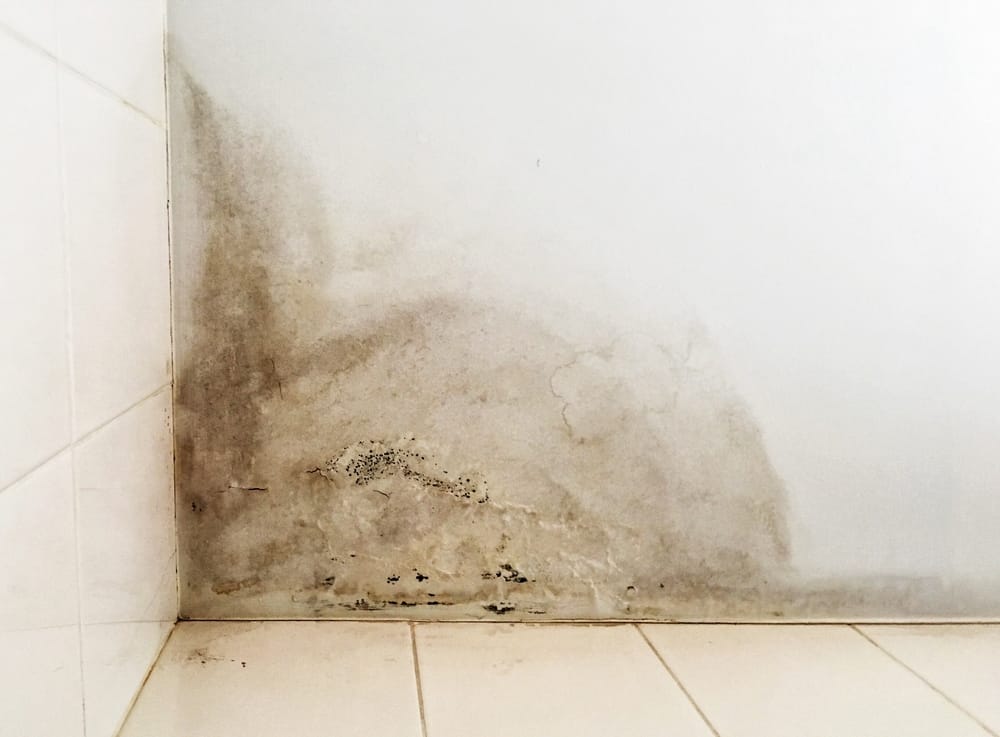
The air feels different. The worry stops. You stop second-guessing whether that musty smell is something serious or whether the headaches your family keeps getting are connected to something in the walls. That’s what a properly completed mold removal looks like — not just a crew that came and left, but lab-confirmed clearance that gives you something in writing.
East Garden City’s building stock creates specific mold conditions that most remediation companies aren’t prepared for. A significant portion of the commercial and institutional structures here were built on the former Mitchel Air Force Base grounds — some dating to the 1940s and 1960s — and those aging envelopes, flat roofs, and outdated HVAC systems are exactly where moisture accumulates quietly for months before anyone notices. If you’re managing a property off Earle Ovington Boulevard or Charles Lindbergh Boulevard, or you’re dealing with a residential unit near Hempstead Turnpike, the source of the problem matters as much as the mold itself.
That’s the difference between removing mold and solving the problem. When the water intrusion that caused it goes unaddressed, the mold comes back. Addressing both — the contamination and the moisture source — is what actually moves the needle on long-term air quality, structural integrity, and peace of mind.
We’ve been serving East Garden City, Nassau, and Suffolk County properties for over three decades. That’s not a marketing number — it means our team has worked through nor’easters, post-storm flooding seasons, and the full range of Long Island’s building stock, from mid-century Mitchel Field-era structures to 1980s commercial office parks to residential neighborhoods tucked in around the Nassau Hub.
What sets us apart isn’t just tenure. Every technician on our staff holds IICRC certification — not just the company, not just management, every individual who enters your property. Our own standard on this is clear: anything less is unacceptable. Add New York State mold remediation licensing, 24/7 emergency availability, and the kind of chain-of-custody documentation that holds up in an insurance claim or a legal proceeding, and you have a team built for the full scope of what East Garden City’s commercial and residential property owners actually face.
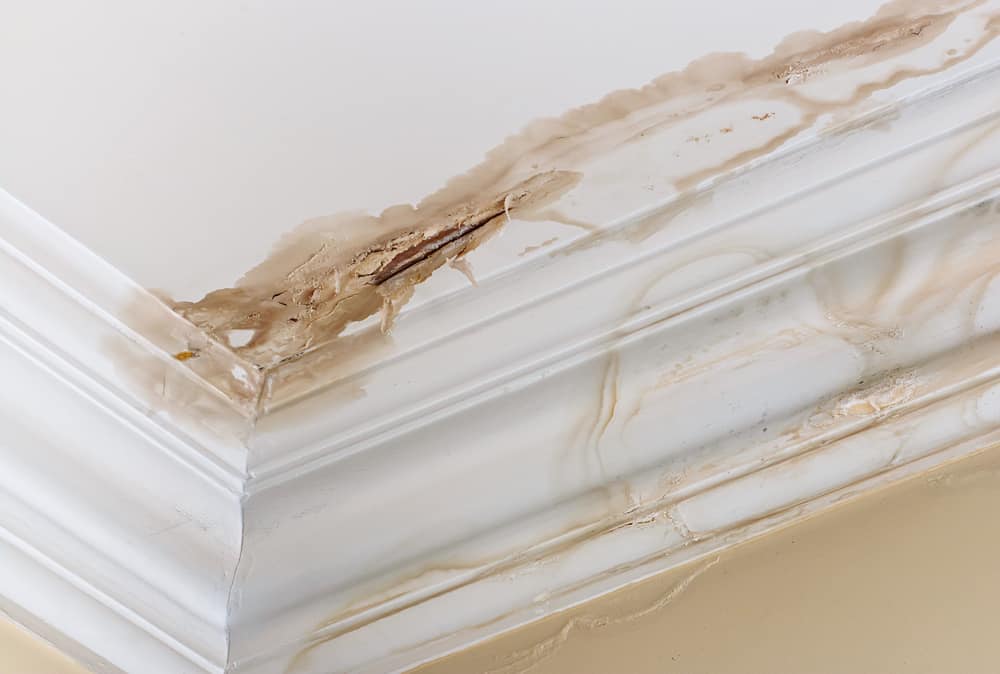
It starts with a 5-point mold inspection — not a visual walkthrough, but a documented process that includes air sampling, surface swab sampling, non-invasive moisture measurement, and boroscopic wall cavity examination. That last one matters more than most people realize. In East Garden City’s older commercial and institutional buildings, mold frequently lives inside wall cavities and HVAC plenum spaces long before it becomes visible. The boroscope lets us look inside the structure without tearing anything open unnecessarily.
Once the inspection is complete, air and surface samples go to an independent laboratory with chain-of-custody documentation. Results come back within 2 to 3 business days. From there, the remediation scope is defined — containment, HEPA filtration, removal of affected materials, antifungal treatment, and structural drying if water damage is part of the picture. Because we handle water damage restoration in addition to mold remediation, the underlying moisture problem gets addressed in the same engagement. You don’t coordinate between two companies.
Under New York State’s Article 32 mold law, the same contractor cannot perform both the mold assessment and the remediation — a consumer protection rule worth knowing before you hire anyone. We operate in full compliance with that requirement. When the remediation is complete, post-remediation clearance testing confirms the result. You get a lab report, not just a handshake.
Ready to get started?
East Garden City isn’t a typical Long Island residential town, and mold removal here can’t be treated like one. Our service area covers a genuine mix: residential units and apartments in the pockets surrounding the Nassau Hub, aging commercial office parks built in the 1980s along corridors like Stewart Avenue and Merchants Concourse, and large institutional facilities with complex HVAC systems that can distribute mold spores across an entire building before anyone sees a single visible colony.
For residential clients, that means basement mold removal, bathroom mold removal, attic mold removal, and crawl space mold removal — all handled with proper containment protocols so the rest of your home isn’t cross-contaminated during the process. For commercial and institutional property managers, it means a documented scope of work, written remediation plans, lab-certified clearance reports, and a team that understands the compliance expectations that come with managing a commercial building in Nassau County.
Every engagement includes the inspection, the remediation, and post-remediation clearance testing. If your insurance claim is part of the picture, our 31 years of working with adjusters — and the deductible coverage program offering up to $500 toward your out-of-pocket deductible — means the financial side of this process is handled with the same transparency as the technical side. One call covers it all, from the first moisture reading to the final lab report.
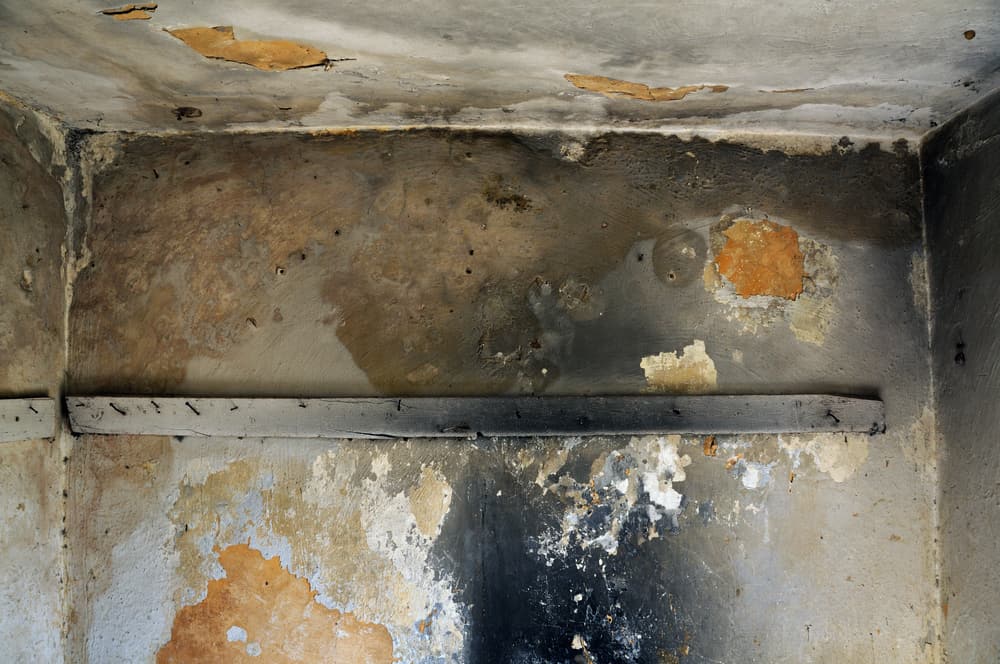
This is one of the most important questions to ask before you hire anyone, and the answer is no — not legally in New York State. Under Article 32 of the New York Labor Law, which took effect in 2016, the same contractor is prohibited from performing both the mold assessment and the mold remediation on the same property. The law exists specifically to prevent conflicts of interest — if the company doing your inspection is also the one getting paid to remediate, there’s an obvious incentive to find more mold than actually exists.
This applies to every property in East Garden City, whether you’re managing a commercial building off Earle Ovington Boulevard or dealing with a mold issue in a residential unit near Hempstead Turnpike. We’re licensed for mold remediation under New York State law and operate in full compliance with Article 32. If a contractor offers to handle both the testing and the removal in a single contract without any separation, that’s a red flag worth taking seriously.
Faster than most people expect. Mold can begin colonizing new surfaces within 24 to 48 hours of water intrusion. That timeline is not an exaggeration — it’s the reason emergency response speed matters so much after a flooding event, a burst pipe, or a roof membrane failure.
In East Garden City specifically, the risk is compounded by the area’s building stock. Flat-roof commercial buildings — which dominate the Nassau Hub area — are more prone to ponding water and membrane failure than pitched residential roofs, and when water gets in, it often travels through ceiling plenums and wall cavities before it’s ever noticed. Nassau County also receives approximately 46 inches of rainfall annually with no true dry season, meaning moisture events are not seasonal — they’re year-round. The nor’easters and storm remnants that roll through Long Island regularly are among the most common triggers for acute water intrusion, and the 24-to-48-hour mold window starts the moment the water does.
A real mold inspection is not a visual walkthrough. Anyone can look at a wall and say “I don’t see anything.” What a professional inspection does is find what you can’t see — and in East Garden City’s older commercial and institutional buildings, that’s where most of the mold actually lives.
Our 5-point inspection process includes a certified technician assessment, air sampling, surface swab sampling, non-invasive moisture level measurement, and boroscopic wall cavity examination. The boroscope is the piece most inspection companies skip — it allows our technician to look inside wall cavities without opening the wall, which is critical in mid-century construction where vapor barriers are minimal and moisture can accumulate for years undetected. Air and surface samples go to an independent lab with chain-of-custody documentation and results come back within 2 to 3 business days. That documentation is what supports an insurance claim, a legal proceeding, or a commercial property compliance requirement. A visual inspection gives you an opinion. A documented inspection gives you evidence.
It depends on the scope of the contamination and where it’s located. For smaller, contained mold issues — a bathroom, a section of basement wall, a crawl space — most occupants can remain in the property during remediation as long as proper containment barriers are in place and negative air pressure is maintained to prevent spores from spreading to unaffected areas. For larger infestations or situations where mold is present in HVAC systems that serve occupied spaces, temporary relocation is often the safer choice.
For commercial properties in East Garden City — office buildings, institutional facilities, or multi-tenant spaces — the decision is more nuanced and often involves building management, tenant notification, and sometimes regulatory considerations. We’ll walk you through the specific containment setup before work begins so you understand exactly what areas are affected and what level of access is safe. The goal is always to minimize disruption while making sure the work is done correctly — not to rush the job to avoid inconveniencing anyone.
Mold removal costs vary significantly based on the size of the affected area, the type of surfaces involved, and whether water damage restoration is also needed. For a straightforward residential mold issue — a bathroom or a section of basement wall — remediation can run anywhere from a few hundred dollars into the low thousands. For larger commercial jobs or situations where mold has spread through wall cavities, HVAC systems, or multiple floors of a building, the scope and cost increase accordingly.
As for insurance coverage, it depends entirely on the cause of the mold. Most standard homeowners and commercial property policies cover mold remediation when it results from a sudden, covered water event — a burst pipe, storm damage, an appliance failure. Mold caused by long-term neglect or a slow leak that went unaddressed for months is typically excluded. We have 31 years of experience working with insurance adjusters in Nassau County and can help you navigate the claim process. The deductible coverage program — which offers up to $500 toward your out-of-pocket deductible on qualifying claims — is also available to help offset the immediate financial impact while the claim is processed.
Black mold — Stachybotrys chartarum — requires sustained moisture and cellulose-rich materials to grow, which is exactly what you find in a significant portion of East Garden City’s building stock. The area’s commercial and institutional buildings were largely constructed between the 1940s and 1980s, many of them on the grounds of the former Mitchel Air Force Base. Buildings of that era were built before modern vapor barriers and moisture-resistant insulation became standard, and their HVAC systems — now 40 to 60 years old in many cases — are a primary vector for moisture distribution and mold spread.
Add Nassau County’s humid summers, where relative humidity regularly exceeds 70 to 80 percent, and the flat-roof construction that dominates East Garden City’s commercial landscape, and you have near-ideal conditions for black mold development inside wall assemblies and mechanical spaces. The important thing to know is that you cannot identify black mold by color alone — lab testing is required to confirm the species. If you suspect it, the right move is a proper air and surface sample analyzed by an independent laboratory, not a visual guess. That’s exactly what the inspection process is designed to confirm.
Useful Links
Other Services we provide in East Garden City