
Hear from Our Customers
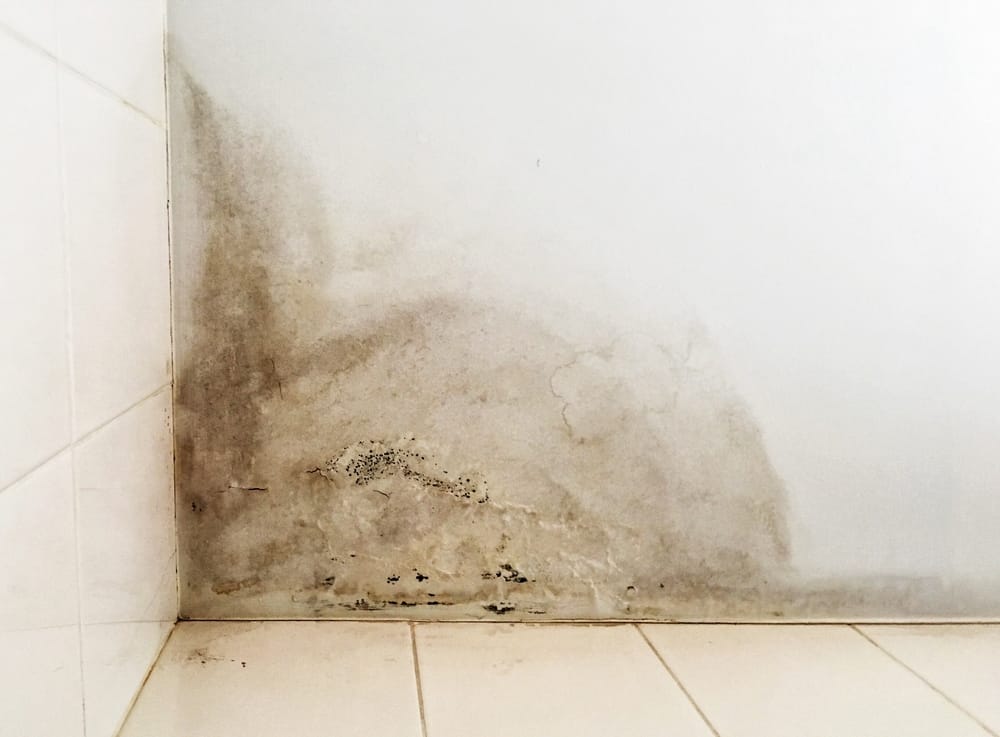
Most mold problems in Glen Cove don’t start with a visible patch on the wall. They start with water — a basement that took on flooding after a heavy storm, a crawl space that never fully dried out after a wet spring, or old plumbing that finally gave out without warning. By the time you notice the smell or see the discoloration, the growth has usually been happening for a while. Getting rid of it the right way means the air in your home is safe again, the structure isn’t quietly deteriorating, and you’re not dealing with the same problem six months from now.
Glen Cove’s geography makes this more urgent than it is in most Nassau County towns. The city sits on the water on three sides — Hempstead Harbor, Long Island Sound, and Glen Cove Creek running through the middle. That coastal exposure keeps ambient humidity higher here than in inland communities like Hicksville or Syosset, and higher humidity means mold grows faster and spreads further before it’s caught. In the older homes throughout Dosoris and along Cedar Swamp Road, that combination of aging infrastructure and persistent moisture is exactly the kind of environment where mold takes hold inside wall cavities and under floors — completely out of sight until the damage is already significant.
When we handle remediation correctly, you get more than a clean surface. You get lab-confirmed clearance documentation, a home that’s safe for your family, and — if you’re selling — proof that the problem was handled properly. In a market where Glen Cove homes are valued close to $670,000, that documentation isn’t just peace of mind. It’s financial protection.
We’ve been serving Long Island for over three decades — long before Garvies Point broke ground and long before Glen Cove’s waterfront became one of the most talked-about redevelopment stories on the North Shore. That kind of tenure isn’t something you manufacture. It comes from showing up consistently, doing the work right, and building a reputation one job at a time across Nassau and Suffolk Counties.
What makes the difference here isn’t just experience — it’s the standard we apply to every person on every job. Every technician who enters your Glen Cove home carries IICRC certification. Not just the project manager. Not just the owner. Everyone. That’s a deliberate company policy, and it’s one most competitors in this market don’t match.
We’re also fully licensed under New York State’s Article 32 mold law, which requires separate licensing for mold assessment and remediation — a consumer protection provision many homeowners don’t know to ask about. If you’re in Glen Cove and the contractor you’re talking to can’t give you a NYS Department of Labor license number, that’s your answer right there.
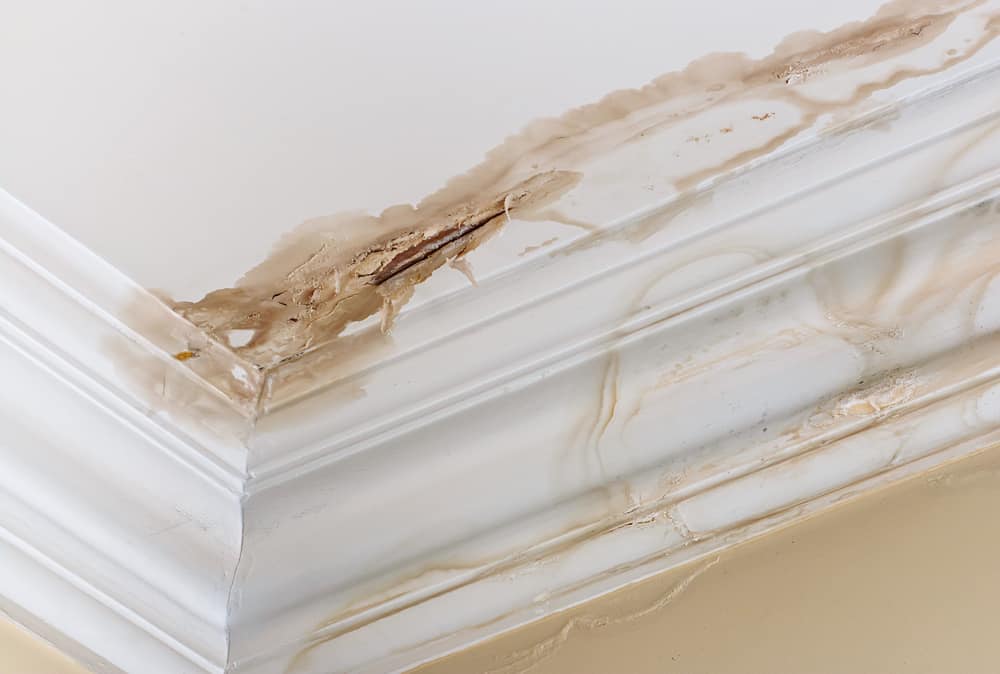
It starts with a thorough mold inspection using our documented 5-point protocol. That includes air sampling, surface swab collection, and boroscopic wall cavity examination — a non-invasive technique that lets us look inside your walls without opening them up. In Glen Cove’s older housing stock, where mold frequently hides behind original insulation or inside wall cavities that were never designed with modern moisture control in mind, this step matters more than most homeowners realize. All samples go to a certified lab with chain-of-custody documentation, and results come back within 2 to 3 business days.
Once the assessment is complete, a licensed mold assessment contractor prepares a written remediation plan — a requirement under New York State’s Article 32 law, and one that protects you from the conflict of interest that comes when one company controls both the diagnosis and the treatment. That plan drives everything that follows: containment of the affected area, removal of mold-impacted materials, HEPA filtration, and treatment of surfaces to prevent recurrence.
Because most mold in Glen Cove is caused by water intrusion — storm flooding, plumbing failures, or the kind of persistent coastal moisture that accumulates in basements and crawl spaces over time — we also handle the water damage side of the equation. Structural drying, dehumidification, and moisture control happen alongside remediation, not as a separate project you have to coordinate with another contractor. After the work is done, post-remediation clearance testing confirms the space is clean, and you receive the lab-backed documentation to prove it.
Ready to get started?
Mold doesn’t stay in one place, and neither does our work. We handle basement mold removal, attic mold removal, crawl space mold removal, and bathroom mold removal across Glen Cove’s full range of property types — from the century-old homes in Dosoris to newly constructed units at Garvies Point where construction moisture gets trapped inside walls before the building fully dries out. Commercial properties along the Glen Street corridor and older institutional buildings throughout the city are covered as well.
Black mold removal and toxic mold cleanup follow the same documented protocol regardless of where the growth is found. Containment goes up first to prevent cross-contamination. Affected materials are removed and disposed of properly. HEPA air scrubbers run throughout the process. Every step is documented with photographs and chain-of-custody records that meet legal evidence standards — the kind of documentation that holds up with insurance adjusters, real estate attorneys, and mortgage lenders.
For Glen Cove homeowners dealing with an insurance claim after a flood or storm event, we work directly with adjusters and provide the documentation needed to support the claim. We also offer up to $500 toward your insurance deductible for qualifying water, fire, or mold-related losses — a program no other mold removal company identified in the Glen Cove market currently offers. If you’re preparing to sell in a market where a single mold disclosure can cost you tens of thousands of dollars, post-remediation clearance testing and written documentation are included as standard, not an add-on.
It’s a fair question, and the honest answer is yes — conditions in Glen Cove are more favorable to mold growth than in most inland Nassau County communities. The city sits on Hempstead Harbor with Long Island Sound to the north and Glen Cove Creek running through the interior. That coastal positioning keeps ambient humidity elevated year-round, not just during summer. When indoor humidity climbs above 60%, mold can begin growing within 24 to 48 hours of a moisture event — and in a waterfront city, that threshold gets crossed more often and stays crossed longer than it does in places like Hicksville or Plainview.
The city’s housing stock adds to the risk. Many Glen Cove homes were built before modern waterproofing standards existed, with basements and crawl spaces that weren’t designed to handle the kind of moisture load a coastal climate produces. Aging drainage systems get overwhelmed during heavy rain events, and original plumbing is more prone to sudden failure. That combination — old infrastructure, coastal humidity, and flood-prone low-lying areas along Glen Cove Creek — is why mold remediation demand here is consistent year-round, not just seasonal.
Cost depends on the size of the affected area, where the mold is located, and how far it’s spread before it’s caught. For a small bathroom or isolated surface area, remediation can run $1,000 to $1,500. A full basement or attic remediation in one of Glen Cove’s older homes — where mold has had time to spread through insulation, framing, and wall cavities — typically runs $3,000 to $7,000 or more. Crawl space work tends to fall somewhere in the middle depending on access and square footage.
What affects the number most is how early the problem is caught. Mold that’s been growing inside a wall cavity for months is a significantly larger job than mold found on a surface shortly after a plumbing leak. That’s one reason the inspection step matters — knowing the actual scope before work begins means no surprises mid-job. If your loss is covered by homeowners insurance, we work directly with your adjuster and document everything needed to support the claim. We also offer up to $500 toward your deductible for qualifying losses, which is worth asking about when you call.
Yes, and it’s more common in new construction than most people expect. The Garvies Point development and other newer builds in Glen Cove have added hundreds of residential units over the past few years, and new construction comes with its own moisture risks. Concrete slabs and framing lumber that weren’t fully dried before the building was enclosed can release moisture for months after move-in. If that moisture has nowhere to go — and in a sealed, climate-controlled unit it often doesn’t — mold can begin growing inside walls, under flooring, or in mechanical spaces well before the first year is up.
If you’ve moved into a new Glen Cove property and you’re noticing a musty smell, allergy symptoms that started after move-in, or visible discoloration anywhere in the unit, don’t assume it will resolve on its own. New construction mold is a real issue, and it’s covered by the same inspection and remediation process we use in older homes. The earlier it’s caught, the smaller the job — and the less disruption to a home you just moved into.
This is one of the most important things to understand before hiring anyone for mold work in Glen Cove. Under New York State’s Article 32 mold law — which took effect in 2016 and applies fully in Glen Cove — mold assessment and mold remediation must be performed by separately licensed contractors. The same company cannot legally assess the mold and then perform the remediation on the same property. That separation exists specifically to protect homeowners from a conflict of interest where the company diagnosing the problem also profits from the size of the treatment.
Mold assessment involves inspection, air sampling, surface sampling, and producing a written remediation plan. Mold remediation is the actual removal work, carried out according to that plan. Both require NYS Department of Labor licensing — not just general contractor licensing, not just IICRC certification, but specific mold licensing under Article 32. Before signing anything with any mold company in Nassau County, ask for their license number and verify it. If they can’t provide one, they’re operating outside the law, and any documentation they produce won’t hold up with your insurer, your attorney, or a future buyer.
It depends on where the mold is and how extensive the remediation area is. For a contained bathroom or small isolated area, many homeowners stay in the home during the process — the affected space is sealed off with containment barriers, and HEPA air scrubbers run continuously to prevent spores from spreading to the rest of the house. For larger jobs involving a full basement, attic, or multiple rooms, temporary relocation is often the more practical and safer choice, particularly for households with young children, elderly residents, or anyone with respiratory conditions or mold sensitivities.
In Glen Cove, where many remediation jobs are triggered by storm flooding or plumbing failures that affect large portions of the home, the relocation question comes up frequently. The honest answer is that it’s evaluated case by case based on the scope of the work, the species of mold involved, and the layout of the property. When you call for an inspection, ask directly — a straightforward answer about whether you need to make temporary arrangements is something you should get before the job starts, not after.
Coverage depends on the cause of the mold and the specific terms of your policy — and the answer varies more than most people expect. In general, if mold results from a sudden and accidental water event — a burst pipe, an appliance failure, or storm-driven water intrusion — your homeowners insurance is more likely to cover at least a portion of the remediation cost. If the mold is attributed to long-term moisture buildup or a maintenance issue the insurer considers preventable, coverage is typically denied.
Glen Cove’s flood exposure adds a layer of complexity here. The city has FEMA-designated flood zones, particularly in low-lying areas along Glen Cove Creek and near the waterfront. Standard homeowners insurance does not cover flood damage — that requires a separate flood insurance policy, typically through the National Flood Insurance Program. If your mold resulted from storm surge or overland flooding rather than a plumbing event, your flood policy is the one that matters, and the documentation requirements are different. We work directly with insurance adjusters and provide the chain-of-custody lab documentation and photographic records that claims require. We also offer up to $500 toward your out-of-pocket deductible for qualifying losses — which, given Glen Cove’s flood risk, is a benefit worth knowing about before you need it.
Useful Links
Other Services we provide in Glen Cove