
Hear from Our Customers
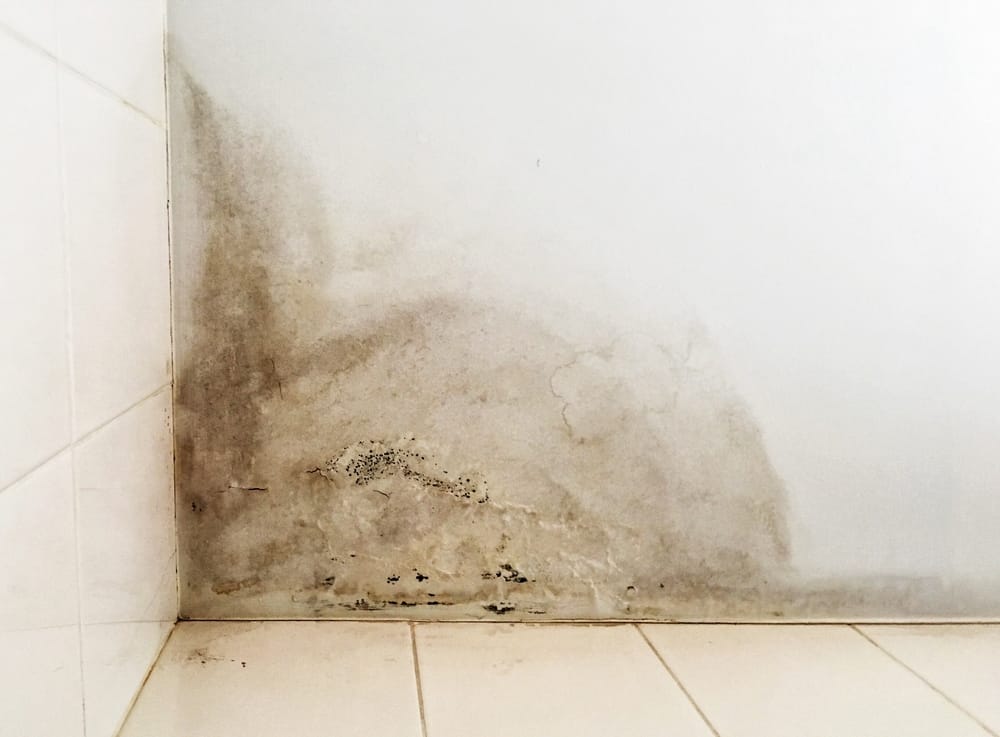
The musty smell that hits you at the basement door, the discoloration creeping up a bathroom wall, the air quality you’ve been writing off as seasonal allergies — those aren’t small things. They’re signs that mold has been growing long enough to make itself comfortable. And in a home you’ve invested this much in, that’s not something to wait out.
Glen Head homes were largely built in an era when crawl spaces were vented, vapor barriers were minimal, and attic ventilation was an afterthought. That construction style, combined with the ambient moisture that rolls in from Hempstead Harbor, creates the exact conditions mold needs to spread inside walls, under floors, and in spaces you rarely open. When we handle remediation the right way, you’re not just removing what’s visible — you’re eliminating the environment that let it grow in the first place.
For homeowners preparing to sell in a market where Glen Head listings regularly sit at $2M and above, documented mold remediation isn’t optional — it’s the difference between a clean closing and a deal that falls apart at inspection. Post-remediation clearance testing gives you a lab-confirmed report you can hand to a buyer’s attorney without hesitation. That kind of documentation holds up, and it protects the value of what you’ve built here.
We’ve been working in Glen Head and across Nassau County for over three decades. That means we’ve been inside the older North Shore homes that define this area — the ones with original plumbing, aging insulation, and crawl spaces that haven’t been properly sealed since they were built. We know what mold looks like in Glen Head homes because we’ve seen it hundreds of times, in every corner it hides.
What sets us apart isn’t a slogan — it’s a standard. Every technician who walks into your Glen Head home holds IICRC certification. Not just the lead tech. Not just management. Every person on the job. That’s not common in this industry, and it’s not something we’re willing to compromise on.
We’re also New York State licensed for mold contractor work, and we handle water damage restoration alongside remediation — so you’re not coordinating two separate companies while your home sits with an open moisture problem.
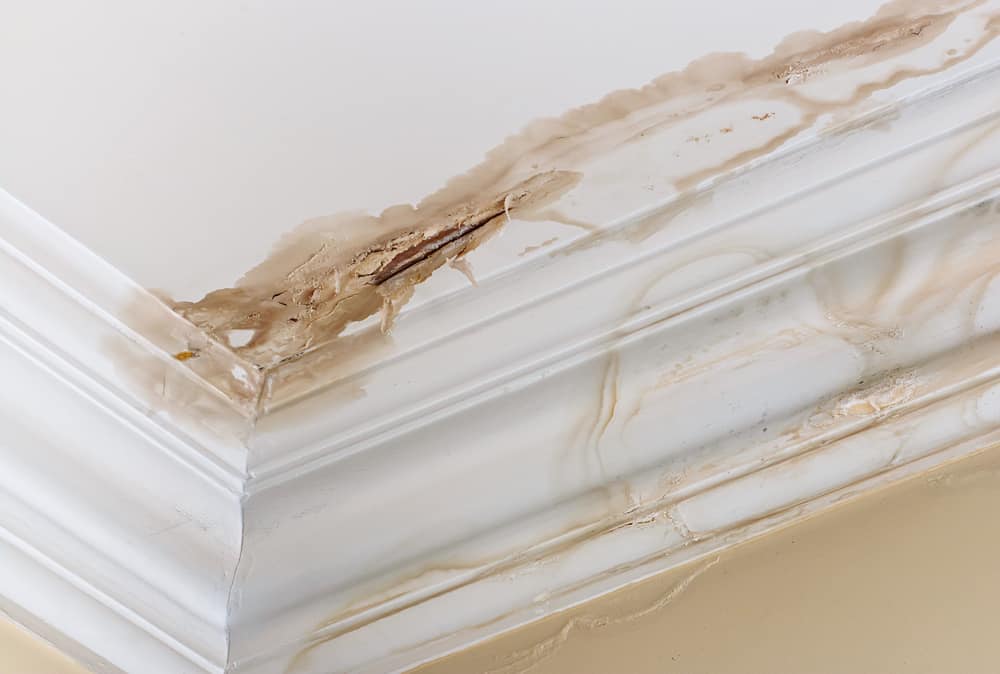
We start with a 5-point mold inspection that goes well beyond a visual walkthrough. That includes boroscopic examination of wall cavities, air sampling, surface swab sampling, moisture level readings, and identification of the water intrusion point that started the problem. In Glen Head specifically, that last step matters more than most homeowners expect — harbor-adjacent humidity and aging drainage systems mean the moisture source isn’t always obvious.
Samples go to a third-party lab with chain-of-custody documentation, and you have results within 2 to 3 business days. New York State law requires that the company performing your mold assessment cannot be the same company performing the remediation — we keep those roles separated and properly documented so you’re protected legally and procedurally throughout the process.
Once remediation is complete, we don’t just call it done. Post-remediation clearance testing confirms that mold levels have returned to acceptable thresholds, and you receive a written lab report to back it up. If you’re filing an insurance claim — which is common after the kind of basement flooding Glen Head saw in August 2024 — we document everything in a format that holds up with adjusters. One call, one team, from inspection through clearance.
Ready to get started?
Mold removal in Glen Head isn’t a one-size situation. The type of mold, where it’s growing, and what caused it all affect how we handle remediation. We work across the full range — black mold removal, toxic mold cleanup, attic mold removal, basement mold removal, crawl space mold removal, and bathroom mold removal. If the moisture got in, we can find where the mold followed.
Attic mold is particularly common in older Glen Head homes where roof ventilation hasn’t kept pace with how the home is being heated and cooled. Crawl space mold is a near-constant issue in homes near Hempstead Harbor, where ground moisture and ambient humidity combine without adequate vapor barriers. Basement mold tends to spike after storm events — the flooding that dropped over nine inches of rain in 24 hours in August 2024 sent a wave of calls from homeowners across the North Shore who didn’t realize the damage until the smell set in weeks later.
We handle both residential mold removal and commercial mold removal in Glen Head and throughout Nassau County. Every job includes inspection, lab testing, remediation, and clearance — and if you’re working with a homeowners insurance claim, our deductible coverage program offers up to $500 toward your out-of-pocket costs. No other mold removal company serving Glen Head currently offers that.
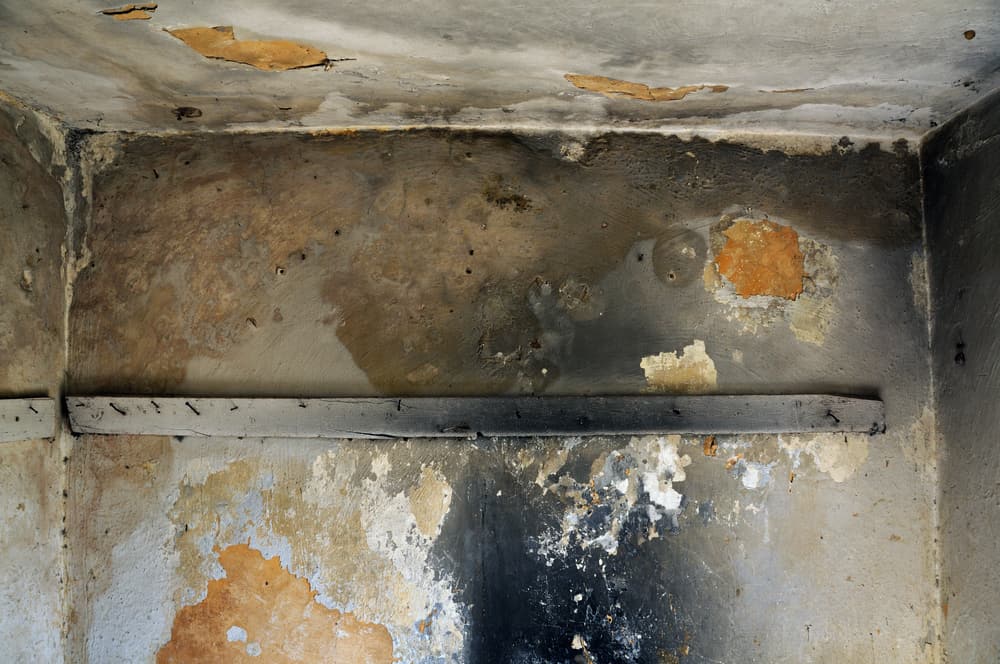
The honest answer is that it depends on where the mold is, how far it’s spread, and what caused it. Nationally, mold remediation averages around $2,300, with most jobs falling somewhere between $373 and $7,000. For attic, crawl space, or basement work — which is extremely common in Glen Head’s older housing stock — expect costs in the $15 to $30 per square foot range, since those spaces require more equipment and containment setup.
In Glen Head specifically, homes near Hempstead Harbor tend to have more extensive moisture infiltration than you’d find in mid-island communities, which can push a job toward the higher end of that range if the problem has been developing for a while undetected. The best way to get an accurate number is through a proper inspection — not a phone estimate. We’ll tell you exactly what’s there, what it will take to fix it, and what your insurance may cover before any work begins.
It can — but only if the moisture source that caused it was never addressed. Mold removal without fixing the underlying water problem is like mopping a floor while the faucet is still running. That’s why we don’t just treat what’s visible. We identify the intrusion point — whether it’s a slow pipe leak, inadequate attic ventilation, a failing vapor barrier in a crawl space, or storm-driven water entry — and we address that as part of the job.
For Glen Head homeowners, the recurring risk factors are real. Harbor-adjacent humidity, aging plumbing in homes built decades ago, and the kind of heavy rainfall events the area has been seeing mean the conditions for mold growth don’t disappear on their own. Post-remediation clearance testing confirms the job is done correctly, and addressing the moisture source is what keeps it from coming back.
It depends on what caused the mold. If mold developed as a direct result of a covered water damage event — like storm-driven flooding, a burst pipe, or roof damage from a nor’easter — your homeowners insurance policy may cover remediation. If the mold is the result of long-term neglect or a slow leak that went unaddressed for months, most policies won’t cover it.
After events like the August 2024 flooding that hit Glen Head, a lot of homeowners found themselves navigating insurance claims for the first time. We document mold damage in a format that works for adjusters — chain-of-custody lab reports, written scope of work, and clearance testing results. We also offer up to $500 toward your deductible through our deductible coverage program, which helps offset out-of-pocket costs while your claim is being processed. It’s worth a call to your insurer before you assume you’re paying out of pocket.
Most residential mold remediation jobs take between one and five days, depending on the size of the affected area and where the mold is located. A contained bathroom mold issue might be resolved in a single day. A more extensive crawl space or attic situation — which is common in Glen Head’s older homes — can take longer, especially if structural materials need to be removed and replaced.
The inspection and lab testing phase adds two to three business days for results before remediation begins. Post-remediation clearance testing happens after the work is done, and you’ll have those results within a similar window. If you’re working against a real estate closing deadline — which is a common situation in Glen Head’s active property market — let us know upfront. We’ll give you a realistic timeline so you can plan accordingly, and we’ll prioritize documentation that satisfies a buyer’s inspector.
It depends on the scope of the job and where the mold is located. For small, contained areas — like a single bathroom or a section of a basement — most homeowners can remain in the home, though we’ll establish containment barriers and negative air pressure to prevent spores from spreading to other areas during the work. For larger jobs involving significant portions of the home, or for households with young children or anyone with respiratory sensitivities, temporarily relocating during active remediation is the safer call.
Many Glen Head families move here specifically for the North Shore Central School District, and households with school-age children tend to take air quality concerns seriously — which makes sense. We’ll give you a straight answer about whether staying during the job poses any risk based on the specific conditions in your home, not a blanket recommendation either way. Your family’s safety is the starting point, not an afterthought.
Mold inspection is the physical process of examining your home — looking for visible growth, using moisture meters, checking wall cavities with a borescope, and identifying where water is getting in. Mold testing is the lab component — collecting air samples and surface swabs, sending them to a certified laboratory, and getting back a report that tells you exactly what types of mold are present and at what concentrations.
Both matter, and they serve different purposes. Inspection tells you where the problem is. Testing tells you how serious it is and gives you documented proof of the conditions before and after remediation. In Glen Head, where home values are high and real estate transactions involve serious legal and financial scrutiny, that lab documentation is often what buyers, attorneys, and insurance adjusters actually need to see. It’s also worth knowing that New York State law prohibits the same licensed company from performing both the mold assessment and the remediation — so if a contractor offers to do both under one license without separating the roles, that’s a red flag worth paying attention to.
Useful Links
Other Services we provide in Glen Head