
Hear from Our Customers
There’s a real difference between a company that sprays something on the surface and calls it done, and one that proves the mold is gone with independent lab results. When you’re sitting on a home worth close to a million dollars — or more — in Great Neck, that difference matters in ways that go beyond peace of mind.
Great Neck’s housing stock tells part of the story. A significant portion of homes here were built before 1939, and older construction means older plumbing, aging roofing, and basements that were never designed with modern vapor barriers in mind. When moisture finds its way in — through a storm surge off Manhasset Bay, a slow pipe leak behind a wall, or condensation building in a poorly ventilated attic — mold doesn’t wait for a convenient time to show up.
What you get on the other side of a proper remediation isn’t just a cleaner home. It’s documented proof — chain-of-custody lab reports that hold up with insurance adjusters, real estate attorneys, and prospective buyers. It’s knowing the moisture source was addressed, not just the visible growth. And it’s the kind of clearance testing that tells you the air your family is breathing is actually safe — not just assumed to be.
We’ve been working across Nassau and Suffolk Counties for over three decades. That’s not a marketing number — it means we’ve been inside the pre-war Tudors in Kensington, the waterfront properties in Kings Point, and the older colonials throughout the Great Neck peninsula long enough to know exactly what conditions drive mold here and where it hides.
What sets us apart from most companies you’ll find in a search is simple: every technician on our team holds IICRC certification. Not just the owner. Not just senior staff. Every person who walks into your home. That’s a standard we don’t compromise on, because we don’t think you should have to ask.
We also handle both sides of the problem — the water damage that causes mold and the mold itself — in a single engagement. One call, one team, one process from start to clearance.
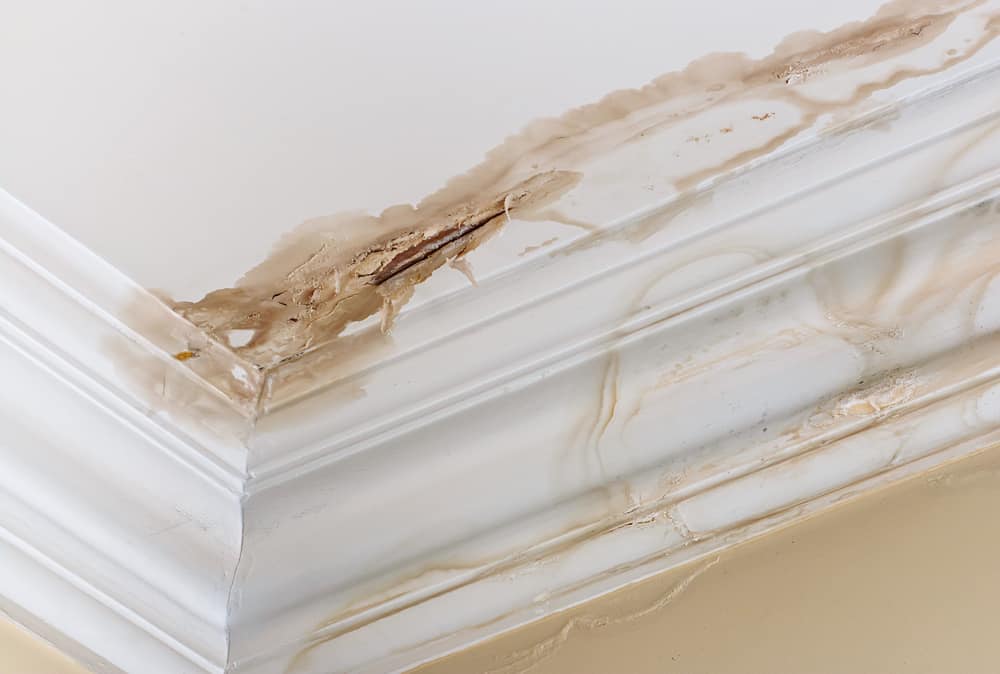
It starts with a thorough inspection — and we mean thorough. Our 5-point protocol includes boroscopic examination of wall cavities, air sampling, surface swab sampling, non-invasive moisture measurement, and identification of the water intrusion point. In Great Neck’s older homes, mold is rarely just on the surface. It’s inside walls, under floors, and in attic spaces that haven’t been properly ventilated in decades. Surface-level inspection misses most of it.
Once we know what we’re dealing with, we build a remediation plan before any work begins. Under New York State’s Article 32 mold law, a detailed plan is required — and the same company cannot perform both the assessment and the remediation on the same property. We’ll walk you through exactly what that means for your situation and how the process is structured to stay compliant.
Remediation itself involves containing the affected area, removing mold-contaminated materials, treating surfaces, and addressing the moisture source so the problem doesn’t come back. After the work is complete, we conduct post-remediation clearance testing using independent lab analysis. You receive a written report confirming results — the kind of documentation that satisfies insurance companies, real estate attorneys, and your own peace of mind. Given that Great Neck’s nine incorporated villages each maintain their own building authority, we’re also familiar with the permitting landscape across the peninsula if structural work is involved.
Ready to get started?
Mold in Great Neck shows up in predictable places given the local conditions. Basements and crawl spaces take on moisture from the elevated groundwater that comes with peninsula living — the USGS has specifically studied the hydrogeology of the Great Neck peninsula and confirmed the complex groundwater dynamics that affect below-grade spaces here. Attics in pre-war homes trap condensation during cold months when ventilation is poor, and ice dams make it worse. Bathrooms and kitchens are constant candidates in any home, but particularly in older construction where the plumbing has had decades to develop slow leaks behind walls.
We handle all of it — basement mold removal, attic mold removal, crawl space mold removal, bathroom mold removal, and full structural remediation when the scope calls for it. Residential and commercial properties across Great Neck, Kings Point, Great Neck Estates, Kensington, and the surrounding villages are all within our service area.
Every job includes the same 5-point inspection, the same IICRC-certified team, and the same lab-confirmed clearance testing at the end. For qualifying insurance claims — mold, water, or fire-related — we also offer up to $500 toward your deductible. It’s a program no other mold removal company in the Great Neck area offers, and it’s there because a remediation job is already stressful enough without the out-of-pocket hit on top of it.
Faster than most people expect. Mold can begin establishing itself within 24 to 48 hours of water intrusion — which means that after a storm surge off Little Neck Bay or Manhasset Bay pushes water into your basement, the window to act is short. Great Neck’s coastal position makes this a real and recurring risk, not a hypothetical one. The August 2025 flash flood that washed out the Great Neck LIRR station tracks was a reminder of how quickly severe weather can escalate on this peninsula.
The most important thing you can do immediately after any water intrusion event is get the space dried out as fast as possible. That means water extraction, dehumidification, and airflow — not just mopping up what’s visible. If water has been sitting for more than a day or two, a professional mold inspection is the right next step before assuming everything is fine. Visible mold is only part of the picture; growth inside wall cavities and under flooring often goes undetected until it becomes a much larger problem.
The honest answer is that it depends heavily on where the mold is and how far it’s spread. National averages for mold remediation run around $2,300, with a range from roughly $373 on the low end to $7,000 or more for larger jobs involving attics, crawl spaces, or significant structural removal. In Great Neck, where homes are older and often have more complex below-grade and attic conditions, jobs at the higher end of that range are common.
Attic and crawl space work specifically tends to run $15 to $30 per square foot, depending on material removal and the extent of contamination. Bathroom or isolated surface mold is generally on the lower end. The most accurate way to understand your cost is through a proper inspection first — not a phone estimate. We’ll give you a clear picture of what’s actually going on before any work begins, so there are no surprises. And for qualifying insurance claims, our $500 deductible assistance program helps offset some of that out-of-pocket cost.
No — and this is one of the most important things to understand before you hire anyone. Under New York State’s Article 32 mold law, the company that performs your mold assessment cannot be the same company that performs the remediation on the same property. This is a consumer protection law, and it applies everywhere in New York, including every village on the Great Neck peninsula.
What this means practically is that you need a licensed mold assessor to inspect and document the problem, produce a written remediation plan, and then a separate licensed remediation contractor to do the actual work. Both must hold NYS Department of Labor mold licenses — not just general contractor licenses. If a company offers to do both in a single transaction without explaining this separation, that’s a red flag worth paying attention to. We’re licensed on the remediation side and will help you understand how the assessment process works so you can navigate it correctly from the start.
In Great Neck specifically, attics and basements are the two most common locations for mold that goes undetected for a long time. Attics in pre-war homes — and roughly 27% of Great Neck’s housing stock was built before 1939 — often have inadequate ventilation. During winter, warm air from the living space meets cold roof sheathing and creates condensation. Over time, that moisture feeds mold growth on the roof decking and framing, often without any visible signs from inside the home.
Basements and crawl spaces are the other major concern, particularly given the peninsula’s groundwater dynamics. Below-grade spaces in coastal communities like Great Neck are subject to elevated moisture from the surrounding soil and water table — conditions that the USGS has specifically studied on this peninsula. Wall cavities are also worth flagging: slow plumbing leaks behind walls can go unnoticed for months or years in older homes, and the mold that develops inside those cavities doesn’t show up in a surface-level inspection. Our boroscopic wall cavity examination is specifically designed to find what a visual inspection misses.
It depends on the cause. Most standard homeowners insurance policies in New York will cover mold remediation if the mold resulted directly from a covered peril — a burst pipe, storm damage, or sudden water intrusion that was addressed promptly. What policies typically won’t cover is mold that developed from a long-term moisture problem that went unaddressed, or mold resulting from flooding that wasn’t covered under a separate flood insurance policy.
For Great Neck homeowners, this distinction matters because the community’s coastal exposure means flood-related water intrusion is a real scenario — and standard homeowners policies generally exclude flood damage. If you’re in a flood zone near Little Neck Bay or Manhasset Bay, a separate flood insurance policy through FEMA’s National Flood Insurance Program is worth reviewing. When a mold claim does move forward, having chain-of-custody lab documentation — the kind we produce as part of every inspection — makes the claims process significantly smoother. Insurance adjusters work with documented evidence, not contractor opinions.
If you’re buying or selling in Great Neck, a mold inspection isn’t optional — it’s a practical necessity. At median home values exceeding $975,000, buyers at this price point are not going to close on a property with an unresolved mold issue. Their attorneys won’t allow it, their inspectors will flag it, and their lenders may require remediation before financing clears. Sellers who skip this step often find out about mold during the buyer’s inspection, which is the worst possible timing — it hands negotiating leverage to the other side and can delay or kill a deal.
For buyers, a pre-purchase mold inspection gives you an accurate picture of what you’re actually buying — especially in Great Neck’s older housing stock, where a home that looks pristine on the surface may have moisture issues in the attic or crawl space that have been building for years. Our inspection includes air sampling, surface swab testing, and a full written report with lab documentation. That report is the kind of evidence that holds up with real estate attorneys, title companies, and mortgage lenders — not just a verbal assurance that everything looks fine.
Useful Links
Other Services we provide in Great Neck