
Hear from Our Customers
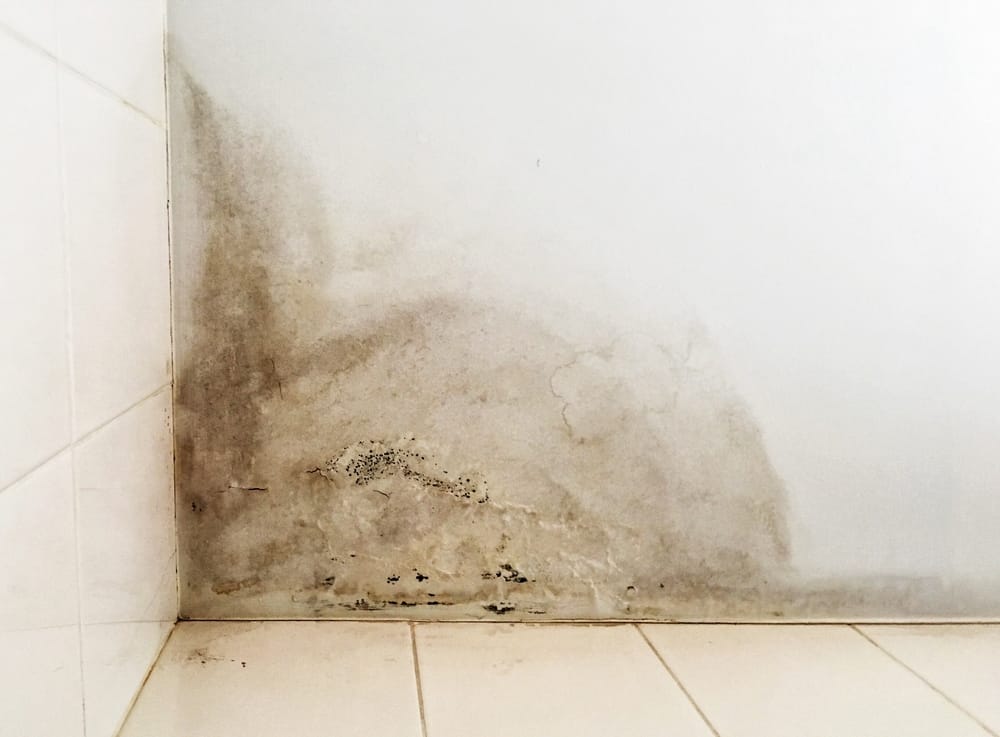
You stop second-guessing the air in your own home. That musty smell in the basement after a wet spring, the discoloration creeping up a wall you’ve been watching for months — those aren’t just cosmetic issues, and you probably already know that. When mold is fully removed and the moisture driving it is addressed at the source, you get your home back. Not just cleaner. Safer.
In Great Neck Estates, that matters more than it does in most places. The peninsula sits between Long Island Sound and Manhasset Bay, and the ambient humidity that comes with that geography doesn’t let up. It works its way into the older homes here — the pre-war colonials, the Tudors, the craftsman-era houses on streets like McKnight Drive and Gateway Drive — through porous foundations, aging insulation, and wall cavities that were never designed to handle modern moisture loads. Getting rid of mold without fixing what caused it is just buying time.
If you’re preparing to sell, the stakes are even more direct. Homes in Great Neck Estates routinely transact at $1.5 million and above. A mold finding during inspection can stall or kill a deal. Documented professional remediation — with lab-confirmed clearance — keeps the transaction on track and protects what you’ve built here.
First Response Restoration and Cleaning Inc. has been doing this work in Nassau County for 31 years. That’s not a number pulled from a marketing deck — it’s decades of actual jobs, in actual homes, across the North Shore. We know what coastal moisture does to older construction over time, and we’ve seen the full range of what mold looks like in a 1920s colonial versus a 1960s split-level throughout Great Neck Estates and the surrounding peninsula.
Every technician on our staff is IICRC-certified. Not just the crew lead — everyone. We also hold full NYS Department of Labor licensing for mold remediation, which New York State requires by law under Article 32. In a village like Great Neck Estates, where the building department enforces state codes and residents hold contractors to a high standard, that licensing isn’t a footnote. It’s the baseline.
When you call our Nassau County line — 516-541-0500 — you’re reaching a Long Island company that knows this peninsula, not a national call center routing your job to whoever’s available.
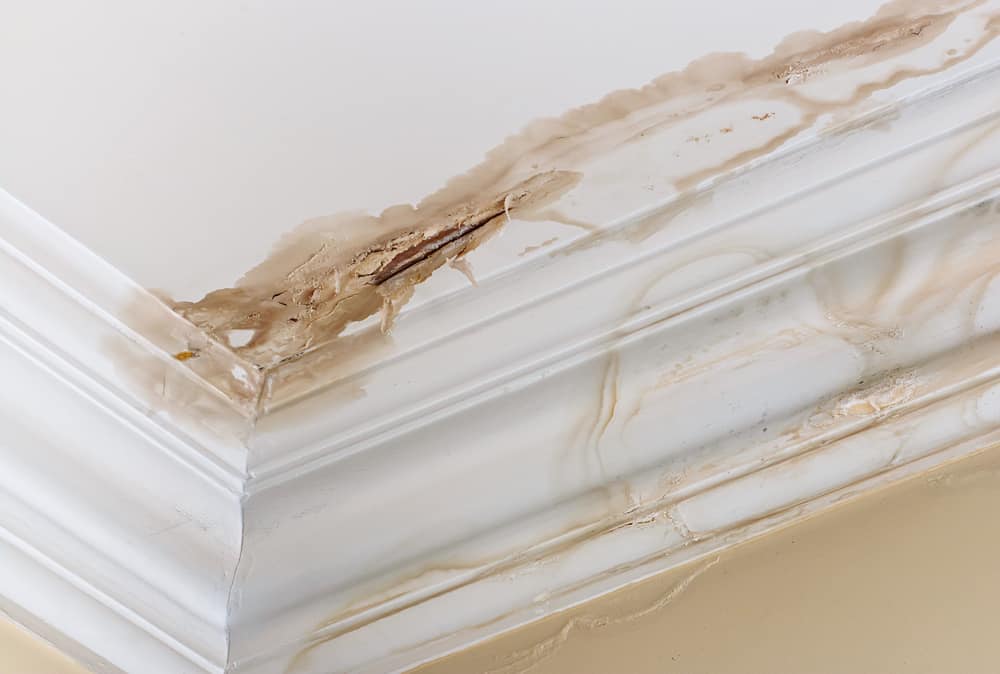
It starts with a thorough inspection — not a quick walkthrough. We use a 5-point protocol that includes boroscopic wall cavity examination, which means a fiber-optic camera goes inside the wall to look for mold before anything gets opened up. For the older homes in Great Neck Estates with original plaster walls and hardwood floors, this matters. You find out what’s actually there before any decisions are made about what needs to come out.
From there, we collect air samples and surface swabs and send them to an accredited lab. Results come back with full chain-of-custody documentation — the kind that holds up to insurance adjuster review, attorney scrutiny, and real estate disclosure requirements. Once the scope is confirmed, we begin remediation under containment with HEPA filtration to prevent spores from spreading through the rest of the house. The moisture source — whether that’s a foundation issue, a drainage problem, or something else — gets addressed as part of the same job, not handed off to another contractor.
After remediation, we conduct post-clearance testing to confirm the work is done. You get a written clearance report. That’s the document that closes the loop — for your own peace of mind, for your insurer, or for the buyers waiting on the other side of your listing.
Ready to get started?
Mold removal in Great Neck Estates isn’t a one-size situation. Attic mold is common in the village’s older colonial and Tudor rooflines — especially after nor’easters push moisture under aging shingles, or when ice dams force meltwater into the attic space during winter. Basement mold and crawl space mold are driven by the same coastal water table and porous foundation conditions that affect homes throughout the Great Neck Peninsula. Bathroom mold is a separate issue entirely, usually tied to ventilation. Each location in the home has a different cause, and the approach changes accordingly.
We handle residential mold removal and commercial mold removal across the full scope — inspection, lab testing, containment, remediation, moisture correction, and post-clearance documentation. Because we manage both the mold remediation and the underlying water damage work, you’re not coordinating between two separate contractors. One team, one scope, one point of accountability.
Under New York State law, the company that performs your mold assessment cannot be the same company that does the remediation. We are licensed for remediation under NYS Article 32. If you need a referral for a separate licensed assessor, we can point you in the right direction. And if you’re working through an insurance claim, the documentation we provide is formatted to support that process from day one — including up to $500 toward your out-of-pocket deductible for qualifying jobs.
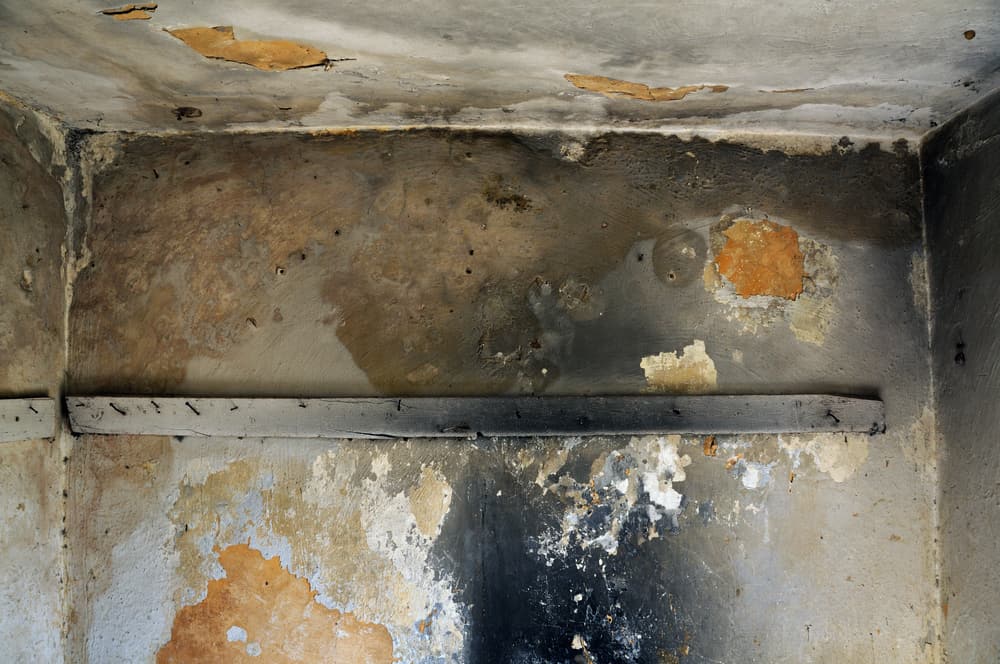
It’s more common than most homeowners expect — and the geography is a big reason why. Great Neck Estates sits on a peninsula with Long Island Sound to the north and Manhasset Bay to the east. That coastal exposure means the ambient humidity here is consistently higher than it is in inland Nassau County communities. Mold doesn’t need a flood to get started. It needs moisture, warmth, and a surface to grow on — and older homes on the peninsula give it all three.
A significant portion of the housing stock in Great Neck Estates was built before modern vapor barriers and moisture-resistant materials existed. Fieldstone and brick foundations are porous. Wall cavities in pre-war construction weren’t designed with today’s insulation standards. Add in Long Island’s nor’easter season, spring snowmelt, and summer humidity off the Sound, and you have year-round conditions that favor mold growth — particularly in basements, attics, and crawl spaces that don’t get regular attention.
The honest answer is that it depends on where the mold is, how far it’s spread, and what caused it. A contained bathroom situation is a different job than mold behind the plaster walls of a 1920s colonial or throughout an attic that’s been accumulating moisture for years. In Great Neck Estates, where homes are larger, older, and often more complex in their construction, costs for significant jobs can run from $5,000 to $15,000 or more.
What affects the number most is scope — and that’s exactly why a proper inspection matters before anyone gives you a price. Our 5-point inspection protocol, including boroscopic wall cavity examination, identifies the full extent of the problem before work begins. You get a clear scope and a clear cost, not a low-ball estimate that grows once the walls come open. For qualifying jobs, up to $500 toward your deductible is available, and we work directly with insurance adjusters when the damage is claim-eligible.
Basements and crawl spaces are the most common locations, particularly in the older homes throughout the village. The water table on the Great Neck Peninsula, combined with aging foundation walls that weren’t built to modern waterproofing standards, creates ongoing moisture intrusion that feeds mold growth over time. After a wet spring or a significant nor’easter, basement flooding is a real event for many homeowners here — and if the water isn’t fully dried within 24 to 48 hours, mold colonization begins.
Attics are the second most common problem area. The village’s colonial and Tudor-style homes have rooflines that are particularly vulnerable to ice dams in winter, which force meltwater under shingles and into the attic space. Poor attic ventilation compounds the issue. Bathrooms are a consistent third — inadequate exhaust ventilation allows moisture to accumulate behind tile and inside wall cavities over years. In all three locations, the mold is often well-established before it becomes visible or causes a noticeable smell.
Yes, on both counts. Under New York State law — specifically Article 32 — mold assessment and mold remediation must be performed by separately licensed professionals. The company doing your inspection cannot legally be the same company doing the remediation. This is a consumer protection rule that many homeowners aren’t aware of, and it’s one reason to verify licensing before hiring anyone.
Beyond state licensing, the Village of Great Neck Estates has its own building department that follows the New York State Building Code. If remediation work involves removing or replacing structural materials — drywall, insulation, framing — a village building permit may be required. We hold full NYS DOL licensure for mold remediation and can help you understand what’s required for your specific job. Working with an unlicensed contractor in Great Neck Estates isn’t just a quality risk — it can create legal and insurance complications that outlast the remediation itself.
It can — if the moisture source isn’t addressed. This is the part that separates a real fix from a temporary one. Removing visible mold growth without correcting the underlying condition that caused it is like patching a roof leak without finding where the water is coming in. In Great Neck Estates, where coastal humidity is a constant and older homes have multiple potential moisture entry points, this isn’t a theoretical risk. It’s a common outcome when the remediation scope is too narrow.
We address both sides of the problem — the mold and the water damage or moisture condition driving it. That might mean foundation drainage work, dehumidification, attic ventilation correction, or structural drying after a water intrusion event. Our post-remediation clearance testing confirms that spore levels have returned to normal before the job is closed out. And because we handle the full scope rather than just the visible surface, the results hold. The goal isn’t to get you to a clearance report — it’s to get you to a home that stays clear.
Significantly — and quickly. In a market where homes regularly list at $1.5 million to $3 million or more, a mold finding during a buyer’s inspection can stall or collapse a deal. New York State requires sellers to disclose known mold conditions, and buyers in this price range are almost always represented by attorneys who take those disclosures seriously. Research consistently shows that home values can drop 20 to 37 percent when mold is disclosed without accompanying remediation documentation, and roughly half of buyers walk away entirely when mold is identified.
The way to protect the transaction is to get ahead of it. A professional inspection, full remediation, and a lab-confirmed clearance report give you documentation that satisfies the buyer’s inspector, their attorney, and their lender. It turns a potential deal-killer into a resolved item with paperwork behind it. We provide chain-of-custody lab reports that meet legal evidence standards — not just a receipt from a contractor, but documented proof that the problem was identified, remediated, and cleared. For a Great Neck Estates homeowner with significant equity on the line, that documentation is worth far more than the cost of the remediation itself.
Useful Links
Other Services we provide in Great Neck Estates