
Hear from Our Customers
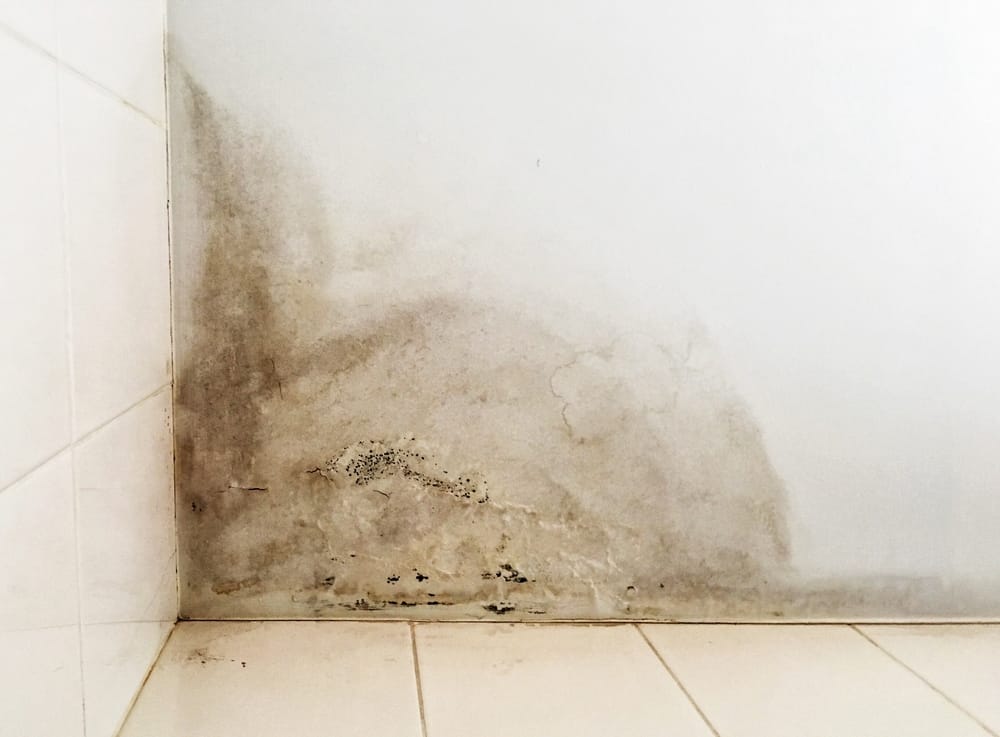
There’s a difference between treating mold and resolving it. A lot of companies wipe down what’s visible, hand you a bill, and move on. Six months later, you’re dealing with the same musty smell in the same corner of the basement. That’s not remediation — that’s a temporary fix on a permanent problem.
When we address the underlying moisture issue alongside the mold itself, your home stops being a recurring problem. The air feels different. The basement stops smelling like something’s wrong. You stop wondering if what your kids are breathing is safe. That’s what a complete job actually looks like.
For Lakeview homeowners specifically, this matters more than most people realize. The hamlet sits right alongside Hempstead Lake State Park, and that proximity keeps ambient humidity elevated — especially from late spring through summer. Add in the post-WWII housing stock that makes up most of the neighborhood, and you’ve got older foundations, limited attic ventilation, and original plumbing that’s been quietly creating moisture pathways for decades. Fixing the mold without addressing those conditions is like bailing out a boat without plugging the hole. With a median home value pushing $570,000, you can’t afford a half-measure.
First Response Restoration and Cleaning Inc. has been operating out of Long Island for over three decades, serving Nassau County communities — including Lakeview — long before most of the competitors showing up in your search results existed. That’s not a marketing claim. It’s a track record built one job at a time across the Town of Hempstead.
Every technician who walks into your Lakeview home is IICRC-certified — not just the project manager, not just the owner. Everyone. That’s a standard most companies in this market can’t honestly match, and it’s one we hold without exception.
We’re also fully licensed under New York State Department of Labor requirements for mold remediation and carry full insurance. When you’re dealing with a health issue inside a home you’ve spent years building equity in, the last thing you need is someone cutting corners. We don’t.
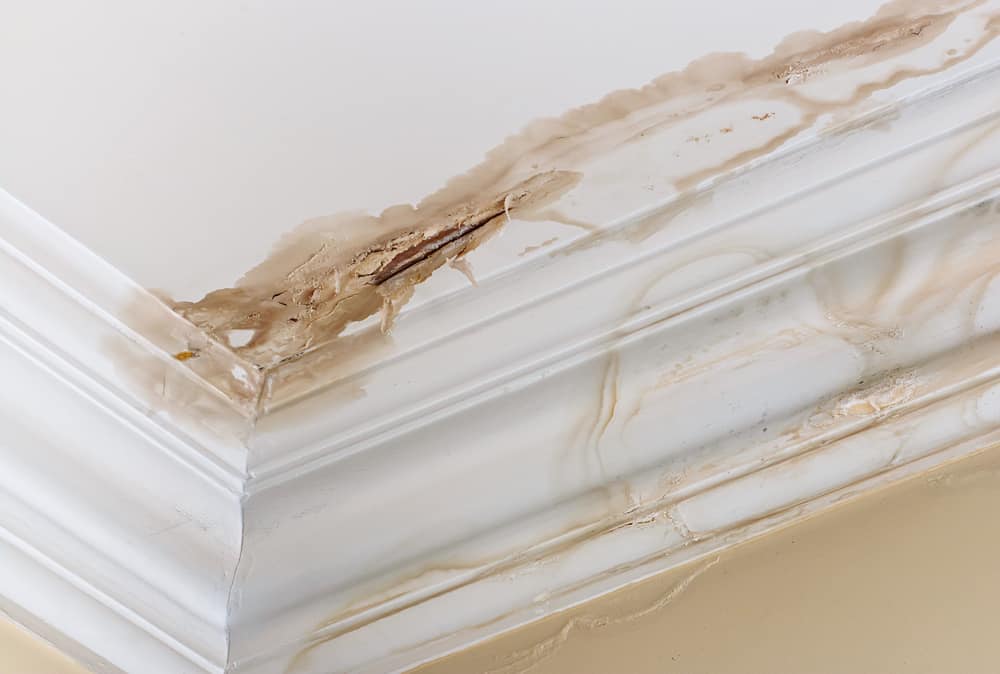
It starts with a thorough inspection — and we mean thorough. Our 5-point protocol covers air sampling, surface swab sampling, moisture level readings, water intrusion point identification, and a boroscopic wall cavity examination. That last one matters a lot in Lakeview’s older homes, where mold can be living inside walls for months before it ever shows up on a surface. All samples are handled with chain-of-custody documentation and sent to a certified lab, with results back within 2 to 3 business days.
Once we know exactly what we’re dealing with, remediation begins. Containment goes up to prevent spore spread. Affected materials are removed and disposed of properly. The area is treated and dried using professional-grade equipment. Because we’re a full-service restoration company, we also handle the water damage side of the problem — extraction, structural drying, dehumidification — so you’re not left coordinating between multiple contractors to get one job done.
It’s worth noting that New York State law requires mold assessment and remediation to be handled by separately licensed entities. We’re licensed for remediation and can walk you through how the assessment process works so nothing falls through the cracks legally. After the work is complete, post-remediation clearance testing confirms the job is done — not just visually, but with documented lab results you can keep for insurance purposes or a future home sale.
Ready to get started?
Mold doesn’t stay in one place. It follows moisture, and moisture in a Lakeview home can travel from a cracked basement wall to a wall cavity to an attic space without ever announcing itself. That’s why our service covers every area where mold is known to take hold — basements, attics, crawl spaces, bathrooms, air ducts, and anywhere water intrusion has occurred.
Basement mold removal in Lakeview is one of the most common calls we get, and it makes sense given the age of the housing stock and the area’s position within the Town of Hempstead’s recognized flood hazard zones. Attic mold removal is a close second — older homes in this part of Nassau County frequently have ventilation setups that weren’t built to modern standards, and condensation in winter months creates exactly the kind of damp, dark environment mold thrives in. Crawl space mold removal, bathroom mold removal, and toxic mold cleanup are all part of what we handle, including black mold removal when Stachybotrys is identified in the lab results.
For clients whose mold or water damage event is covered under homeowners insurance, we offer up to $500 toward your deductible — a program no other mold removal company serving Lakeview currently offers. We also handle all documentation in a format that satisfies insurance adjusters, which takes a real burden off your plate during an already stressful situation.
Faster than most people expect. Mold can begin colonizing surfaces within 24 to 48 hours of a water intrusion event — which means the window between a flooded basement and an active mold problem is very short. In Lakeview, where proximity to Hempstead Lake and the Town of Hempstead’s recognized flood hazard zones means water events aren’t uncommon, that timeline matters.
If your basement took on water after a heavy storm or a plumbing failure, the clock is already running. The priority is getting water extracted and the space dried out professionally — not just mopped up with towels — before mold has a chance to establish. That’s exactly why we operate 24 hours a day, 7 days a week. Waiting until Monday morning for a callback is not a viable option when the damage is happening right now.
The national average for mold remediation sits around $2,300, with most professional work falling in the $10 to $25 per square foot range depending on the extent of the contamination, the materials affected, and how much of the underlying water damage also needs to be addressed. Smaller bathroom or crawl space jobs can come in well under that range. Larger basement or attic projects — especially in older Lakeview homes where mold has had time to spread into structural materials — can run higher.
For Lakeview homeowners dealing with a qualifying insurance claim, the $500 deductible coverage program we offer can meaningfully reduce your out-of-pocket cost. If the event isn’t covered by insurance, written estimates are provided upfront so you know exactly what you’re committing to before any work begins. There are no surprise charges after the job is done.
The process is more rigorous, but it follows the same core framework — the difference is in the containment protocols and the level of protective equipment required. Black mold, or Stachybotrys chartarum, produces mycotoxins that make proper containment critical. You can’t just wipe it down and move on. Full containment barriers go up to prevent spore spread to unaffected areas of the home, and disposal of contaminated materials has to follow strict guidelines.
In Lakeview’s older housing stock, black mold is most commonly found in basements and crawl spaces where water intrusion has gone undetected for an extended period — sometimes years. It’s also found behind drywall in bathrooms and laundry areas where slow plumbing leaks have been feeding moisture into wall cavities. Lab confirmation through air and surface sampling is the only way to know for certain what species you’re dealing with, which is why skipping the inspection phase and going straight to removal is never the right call.
It depends on the scope of the job and where the mold is located. For smaller, contained areas — a single bathroom, a section of a crawl space — most families can remain in the home during remediation as long as they stay out of the work area. For larger jobs involving significant mold growth in living spaces, or any situation where black mold is confirmed, vacating the affected areas (and sometimes the home entirely) is the safer choice, particularly if children, elderly family members, or anyone with respiratory sensitivities lives there.
We’ll give you a clear, honest answer about whether you need to leave before work begins — not after. The containment setup we use is designed to isolate the work area from the rest of the house, but if the scope of the contamination makes that insufficient, we’ll tell you directly. You shouldn’t have to guess about something that affects your family’s health.
The only real answer is post-remediation clearance testing — not a visual inspection, not a verbal assurance, and definitely not just the absence of a visible stain. Clearance testing involves air sampling and surface swabs taken after the remediation work is finished, sent to a certified lab, and compared against pre-remediation baseline readings. When the results come back clean, you have documented proof that the contamination has been resolved.
This documentation matters beyond just peace of mind. If you’re planning to sell your Lakeview home, a buyer’s inspector or attorney may ask for mold remediation records. If the event was covered by insurance, your adjuster may require post-remediation confirmation before closing the claim. We provide chain-of-custody lab documentation throughout the entire process — from initial sampling through clearance — so you have a complete paper trail from start to finish.
Because the mold was treated but the moisture wasn’t. This is the most common reason mold returns — a company removes what’s visible, but the cracked foundation wall, the inadequate attic ventilation, or the slow pipe leak behind the drywall never gets addressed. The conditions that created the mold in the first place are still there, and mold follows conditions.
Lakeview’s housing stock is predominantly post-WWII construction — homes built in the late 1940s through the 1960s. Those homes weren’t built to the moisture management standards we use today. Foundations develop cracks. Attic ventilation that was marginal to begin with degrades further over 60 or 70 years. Original plumbing develops slow leaks that stay hidden inside walls for months. When you add in the elevated ambient humidity that comes with living adjacent to Hempstead Lake, you’ve got a combination of factors that will keep producing mold until the underlying moisture pathways are identified and closed. That’s why we handle both sides — the mold and the water damage that feeds it — under one roof.
Useful Links
Other Services we provide in Lakeview