
Hear from Our Customers
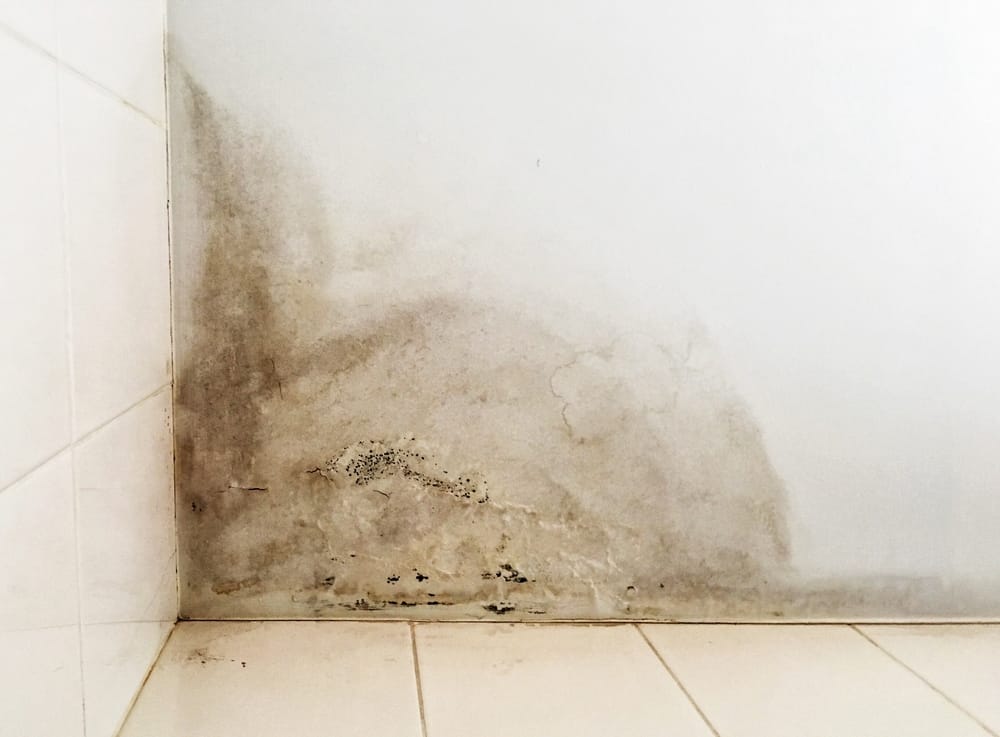
Mold doesn’t announce itself. In most of Matinecock’s estate homes — many built in the 1920s before vapor barriers and modern ventilation existed — it grows quietly behind plaster walls, under original hardwood floors, and inside attic spaces that haven’t been properly inspected in years. By the time you smell it or see it, it’s usually been there a while.
When it’s fully remediated — not just wiped down, but properly removed, contained, treated, and cleared by an independent lab — the difference is real. The air quality changes. The structural risk stops progressing. And if you’re heading into a sale, you’re not sitting on a disclosure problem that could drop your asking price by hundreds of thousands of dollars. For a property in Matinecock worth $3 million or more, unresolved mold isn’t a maintenance issue — it’s a financial liability.
Matinecock’s wooded terrain and mature tree canopy create a microclimate that holds moisture longer than most areas on Long Island. Shaded foundations, limited airflow around large estate structures, and the village’s documented stormwater challenges — significant enough to warrant a $1.8 million county-funded drainage upgrade — all feed the conditions mold needs to grow. Getting ahead of it, and getting it done right, protects both your home and what it’s worth.
First Response Restoration and Cleaning Inc. has been serving Nassau and Suffolk County homeowners since before most of today’s restoration companies existed. That’s three decades of working through Long Island’s housing stock — including the large, architecturally significant estate homes along the North Shore that require a different level of care than a standard suburban job.
We’re based in Nassau County. Our phone number is a 516. We’re not a national franchise routing calls to a subcontractor, and we’re not a Westchester or Rochester company running a Matinecock landing page to look local. We know the 11560 ZIP code. We know what Gold Coast construction looks like from the inside — the stone foundations, the cedar-closet attics, the full basements that flood when Chicken Valley Road drainage backs up after a heavy storm.
Every technician on our team holds individual IICRC certification — not just the company, every person who walks into your home. That’s a standard we set for ourselves, and it’s one that most competitors in this market don’t meet.
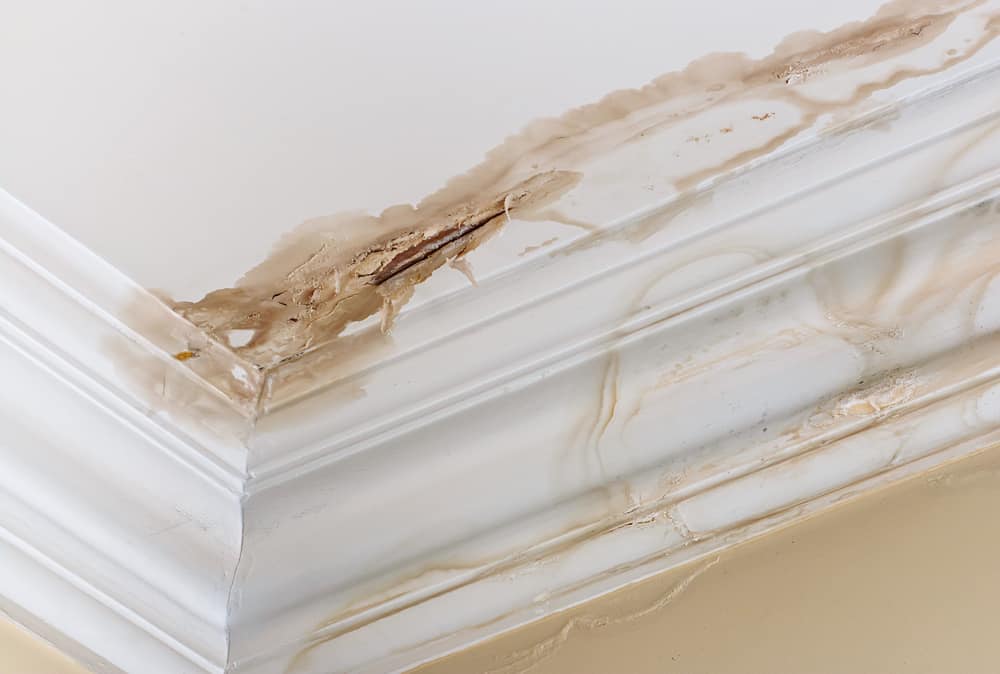
It starts with a thorough inspection — not a quick walkthrough, but a 5-point assessment that includes boroscopic wall cavity examination, air sampling, surface swab sampling, moisture level measurement, and water intrusion point identification. In estate homes with thick plaster walls and original construction, this matters. Mold hides where a standard visual inspection won’t reach, and finding it before remediation begins is what separates a real fix from a cosmetic one.
Samples go to an independent laboratory with chain-of-custody documentation that meets legal evidence standards. You get results within 2 to 3 business days — not a verbal opinion, a lab report. Under New York State law, the company that performs your mold assessment cannot be the same company that does the remediation. We navigate that handoff professionally, so you’re not left coordinating between two vendors who’ve never worked together.
Once remediation begins, we handle full containment, HEPA filtration, antimicrobial treatment, and removal of all affected material. When the work is done, post-clearance testing confirms the space is clean — documented, verifiable, and defensible if you ever need it for an insurance claim or a real estate transaction. If water damage is part of the picture, we handle that too. You don’t need a second company.
Ready to get started?
The places mold takes hold in Matinecock’s estate homes are specific. Large, multi-room basements with aging stone foundations and limited airflow. Cedar-closet attics under rooflines that have shifted over a hundred years. Crawl spaces that sit adjacent to the village’s protected freshwater wetland areas, where groundwater levels stay elevated. Bathrooms in homes with original plumbing. These aren’t generic mold locations — they’re the specific vulnerabilities that come with this housing stock, in this climate, on this terrain.
Basement mold removal in Matinecock means addressing not just the visible growth but the moisture source behind it — whether that’s a failed sump pump, a cracked foundation wall, or stormwater that overwhelmed the drainage system during a nor’easter. Attic mold removal in Matinecock means understanding how an aging roof system interacts with a large, poorly ventilated space and what it takes to treat it without damaging the structure beneath. Crawl space mold removal, black mold removal, toxic mold cleanup — whatever the situation, the scope of work is built around what’s actually there, not a one-size template.
We also offer up to $500 toward your out-of-pocket deductible on qualifying claims. No other mold removal company serving Matinecock does this. It’s a straightforward way of reducing your burden during a process that’s already disruptive — and it reflects how we approach every job in this village.
It depends on the scope of work. Mold remediation that stays non-invasive — air treatment, surface cleaning, HEPA vacuuming — typically doesn’t require a permit. But if the work involves removing drywall, modifying ventilation systems, or any structural alteration, Matinecock’s building code under Village Code Chapter 195 may require a permit before work begins. The village has a fees and deposits schedule under Chapter 64 that governs alterations, and work done without the appropriate permits can create complications if you’re selling the property or filing an insurance claim.
After 31 years of working in Nassau County, we know how to assess what a job requires before we start. If permits are needed, we’ll tell you upfront — not halfway through the project. That kind of transparency isn’t common in this industry, but it’s how we’ve operated since the beginning.
Mold removal cost in Matinecock varies based on the size of the affected area, the type of mold present, and how far it’s spread into the structure. For a contained bathroom or small basement section, remediation might run $1,500 to $3,500. For a large basement, attic, or multi-room situation — which is common in Matinecock’s estate homes — costs can range from $5,000 to $15,000 or more, depending on what the inspection reveals and how much structural material needs to be removed and replaced.
The most important thing to understand is that the inspection drives the number. A quote given without a proper 5-point assessment, air sampling, and lab analysis isn’t a real quote — it’s a guess. We don’t guess. We inspect, document, and give you a scope of work you can actually evaluate. And if your homeowner’s insurance covers the underlying water damage that caused the mold, our documentation is built to support that claim from day one. We also offer up to $500 toward your deductible on qualifying claims.
Yes — and it’s more common than most Matinecock homeowners expect. Cedar is valued for repelling insects, but it doesn’t prevent mold. What it does do is mask the musty smell that would otherwise tip you off to a problem. Large attic spaces in estate homes, especially those with aging roof systems that have developed minor leaks or inadequate ventilation over decades, are one of the most consistent mold habitats we find on the North Shore.
Treatment in a cedar-closet attic requires careful containment to prevent spores from spreading into the living areas below, followed by HEPA vacuuming, antimicrobial application, and assessment of whether the cedar itself needs to be removed or can be treated in place. The ventilation issue also has to be addressed — if the attic isn’t breathing properly, mold will return regardless of how thorough the initial cleanup was. Post-remediation clearance testing confirms the space is clean before we close it back up.
New York State law requires that mold assessment and mold remediation be performed by separate licensed entities. The company that tests and inspects your home cannot be the same company that does the cleanup — it’s a consumer protection measure designed to prevent conflicts of interest. This means you’ll need a licensed mold assessor to conduct the inspection and produce the remediation plan, and a separately licensed remediation contractor to carry out the work.
This is where a lot of homeowners run into frustration — coordinating two vendors who may not communicate well, or working with a remediation company that isn’t familiar with the assessment protocol. We hold New York State licensing for mold remediation and have a clear, professional process for navigating the assessment-to-remediation handoff. We’ll walk you through exactly what’s required so you’re not left figuring it out on your own. In a village like Matinecock, where regulatory compliance matters and documentation needs to hold up, this isn’t a detail you want to leave to chance.
Mold can begin growing within 24 to 48 hours of water intrusion — and in Matinecock’s large estate basements, where square footage is significant and airflow is often limited, it can spread across a wide area before you’ve had a chance to assess the damage. The Nassau County Hazard Mitigation Plan specifically identifies flooding as the hazard that impacts Matinecock most, and the village’s hilly terrain means that heavy rainfall events can overwhelm drainage systems and push water into basements faster than most homeowners anticipate.
The speed of your response matters more than almost anything else. Calling a restoration company within the first few hours of discovering water intrusion — before mold has had time to establish — dramatically reduces both the scope of remediation and the cost. We operate 24 hours a day, seven days a week, and we respond to emergencies across Nassau County including Matinecock and the surrounding Locust Valley area. Waiting until Monday morning is not a neutral decision — it’s one that gives mold a head start.
Coverage depends on the cause. Most standard homeowner’s insurance policies will cover mold remediation when it results directly from a covered peril — a burst pipe, a storm-related water intrusion, or an appliance failure. What they typically won’t cover is mold that resulted from long-term neglect, gradual leaking, or maintenance issues that weren’t addressed. In Matinecock, where many estate homes have aging plumbing, original rooflines, and stone foundations that can develop slow seepage over time, the line between a sudden event and a gradual condition isn’t always clear — and that’s where documentation becomes critical.
The way a remediation company documents the damage from day one determines how smoothly your claim moves through the adjuster process. Our chain-of-custody lab documentation, moisture readings, and photographic evidence are structured to support insurance claims — not just satisfy our own process checklist. For a large estate home with a significant mold situation, having that paper trail in order from the start can be the difference between a fully covered claim and a prolonged dispute. We’ve been through this process with Nassau County homeowners for over three decades, and we know what adjusters need to see.
Useful Links
Other Services we provide in Matinecock