
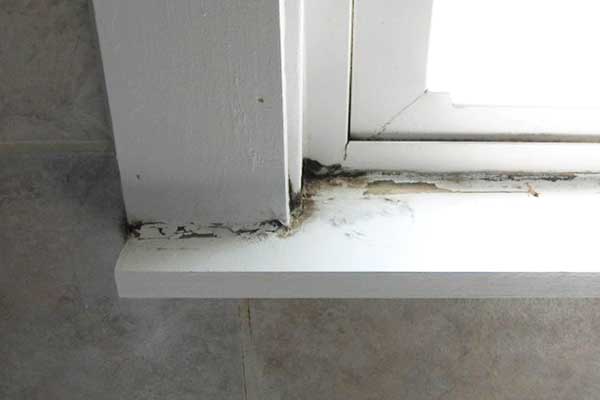
Hear from Our Customers
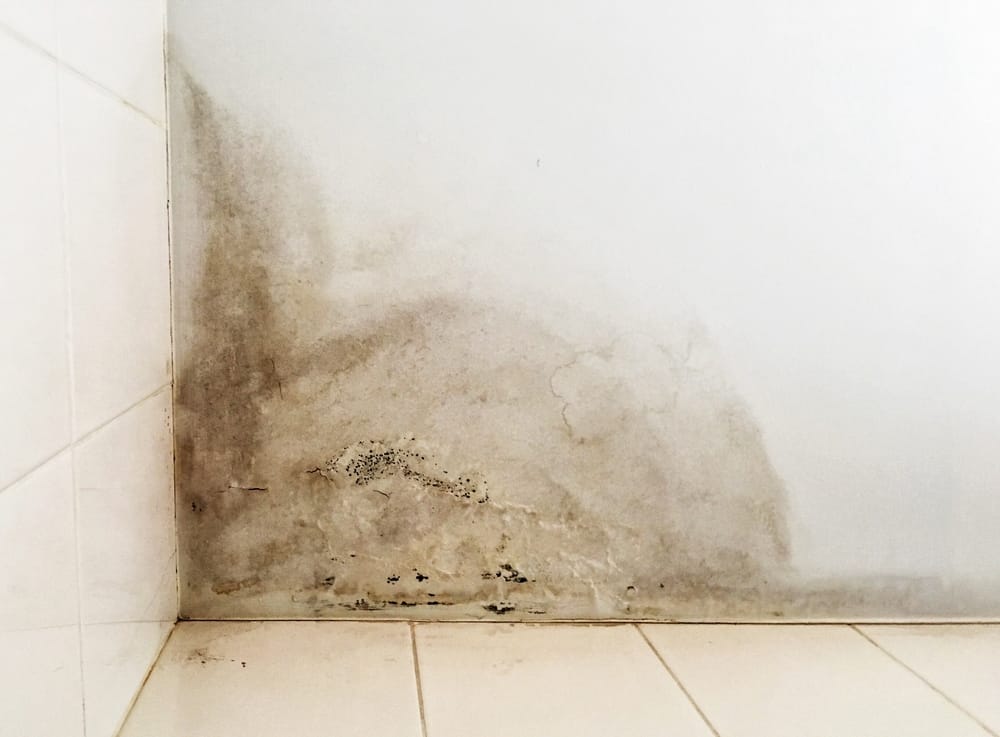
Mold doesn’t stay where you can see it. In North Hempstead’s older housing stock — Gold Coast-era homes in Sands Point, mid-century colonials in Williston Park, waterfront properties in Port Washington — it hides behind plaster walls, inside attic cavities, and underneath crawl space subfloors. By the time you smell it or spot discoloration, it’s already been growing for a while.
What you actually need isn’t just a company that cleans the surface. You need documented proof that the mold is gone — air samples, surface swabs, and post-remediation clearance testing that holds up to scrutiny. Whether you’re preparing a Roslyn home for sale or dealing with a flooded basement in Great Neck after a storm, that documentation protects you legally and financially.
With median home values in North Hempstead sitting near $944,500, leaving mold unresolved isn’t just a health risk — it’s a financial one. Mold discovery alone can drop a home’s resale value by 20 to 37 percent. Professional mold removal in North Hempstead, NY addresses the visible growth, the hidden contamination, and the moisture source driving it — so the problem doesn’t come back the following season.
We’ve been serving Nassau and Suffolk County homeowners for over three decades — long enough to know exactly what drives mold problems in North Hempstead’s specific environment. The Long Island Sound exposure, the aging infrastructure in communities like Roslyn and Plandome, the groundwater flooding risk that USGS research has specifically flagged for this coastline — none of that is news to us.
What sets us apart isn’t just longevity. Every technician who walks into your home holds individual IICRC certification — not just the owner, not just the project manager. Our standard is straightforward: anything less is unacceptable. Our owner is also personally licensed by New York State for both mold inspection and mold remediation, which is a legal requirement most homeowners don’t know to verify before hiring.
You’re not dealing with a national franchise routing your call to a subcontractor. We’re a Long Island company that has been doing this work in North Hempstead and the surrounding communities — and we know the difference between a typical Nassau County mold job and a waterfront property with groundwater intrusion.
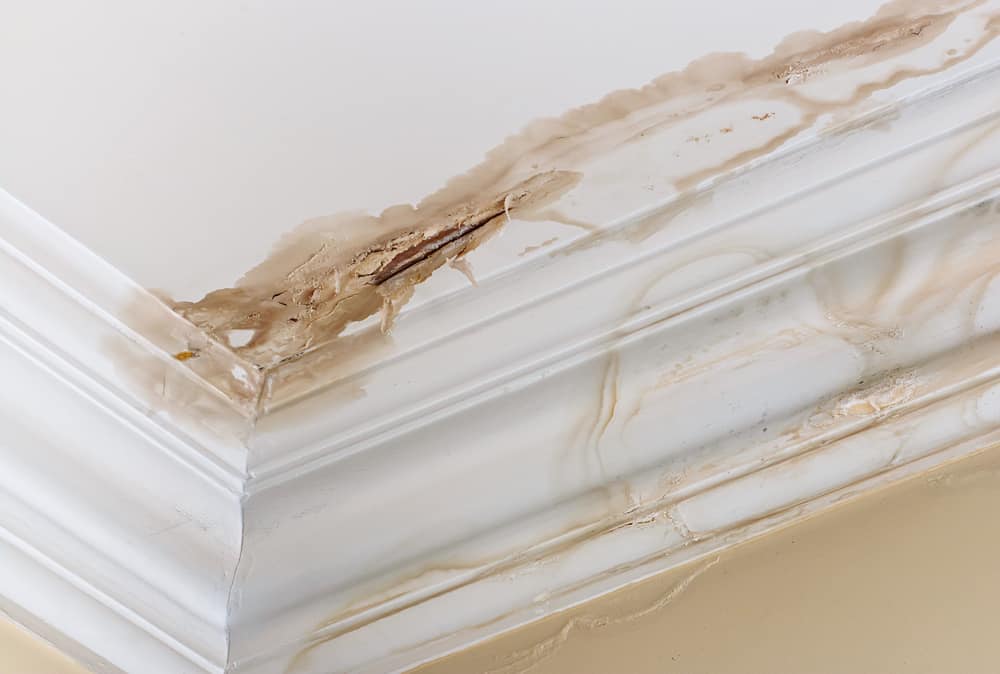
It starts with a 5-point inspection that goes well beyond what a visual walkthrough can catch. A certified technician assesses the space, pulls air samples and surface swabs, uses non-invasive moisture meters to find hidden saturation, and — when needed — uses a boroscopic camera to look inside wall cavities without tearing anything open. In older homes along Route 25A or in the historic neighborhoods near Hempstead Harbor, this step regularly finds contamination that a surface inspection would have missed entirely.
Those samples go to a third-party lab with chain-of-custody documentation — the same standard used in legal and insurance proceedings. Results come back within 2 to 3 business days. From there, the remediation scope is defined clearly: containment, removal, treatment, and structural drying if water damage is involved. Because we handle both mold remediation and the underlying water damage in a single engagement, you’re not managing two separate contractors or two separate timelines.
One important thing to know about New York State law: the same licensed company is legally prohibited from performing both the mold assessment and the mold remediation on the same property. We’re structured to comply with this fully — a detail worth confirming with any provider you evaluate. After remediation is complete, post-clearance testing confirms the results. You receive documented proof, not just a verbal sign-off.
Ready to get started?
The scope of mold removal in North Hempstead, NY varies significantly depending on where the growth is and what caused it. Attic mold removal is one of the most common calls — North Hempstead’s summer humidity off the Long Island Sound, combined with inadequate attic ventilation in older homes, creates near-ideal conditions for mold growth in upper spaces. Basement mold removal is equally common, particularly in the town’s waterfront communities where groundwater emergence flooding can push moisture through foundation walls without any visible surface flooding.
Bathroom mold removal, crawl space mold removal, and black mold removal are all part of our full-service scope. So is commercial mold removal — North Hempstead is home to major employers along the Northern Boulevard corridor and near Northwell Health’s facilities in Manhasset and New Hyde Park, and commercial properties carry the same mold risks as residential ones, often with tighter timelines and larger affected areas.
Every job includes the same documented protocol: inspection, sampling, lab analysis, remediation, and post-clearance verification. If your insurance carrier is involved, the chain-of-custody documentation and detailed scope-of-work records are structured to support your claim. And if your deductible is a concern, we offer up to $500 toward your out-of-pocket deductible — a program no other identified mold removal company in North Hempstead currently offers.
Mold removal costs in North Hempstead, NY generally fall between $1,500 and $6,000 for most residential jobs, though the range nationally runs from around $373 on the low end to over $7,000 for larger or more complex remediation. The per-square-foot rate for professional mold removal runs $10 to $25 for standard areas, and $15 to $30 for attics, basements, and crawl spaces — which tend to be more labor-intensive to access and treat properly.
What drives cost in North Hempstead specifically is often the age and construction of the home. Older properties in communities like Roslyn, Plandome, and Sands Point may have wall assemblies, insulation types, and structural layouts that require more careful work than a newer build. Hidden mold behind plaster walls or inside attic cavities also adds to the scope once it’s discovered through proper inspection. The best way to get an accurate number is a proper assessment — not a phone estimate, which rarely reflects what’s actually there.
Whether your homeowners insurance covers mold removal in New York depends on what caused the mold. If it resulted from a sudden, covered event — like a burst pipe, a roof leak from a nor’easter, or storm-related water intrusion — most standard policies will cover at least a portion of the remediation cost. If the mold is the result of long-term neglect or gradual moisture buildup, coverage is typically denied.
For North Hempstead homeowners, the most common insurance-covered mold scenarios involve post-storm flooding in waterfront communities like Port Washington and Sea Cliff, or burst pipes during winter freezes in older homes. The key to a successful claim is documentation — and that means having a remediation company that produces chain-of-custody lab reports, moisture readings, and a detailed scope of work that gives the adjuster something concrete to work with. We structure our documentation with insurance claims in mind from the first inspection.
This is one of the most important things North Hempstead homeowners don’t know before they start calling companies. Under New York State Department of Labor regulations, the same licensed company and its employees are legally prohibited from performing both the mold assessment and the mold remediation on the same property. These are treated as separate services requiring separate licensing — and the law exists specifically to prevent conflicts of interest where a company might exaggerate findings to create work for itself.
What this means practically is that if a company offers to “test and fix” your mold in a single seamless transaction without clearly separating those functions, they may be operating outside of what NY law allows. Before hiring anyone, ask to see their NYS DOL mold assessment license and their mold remediation license separately. Our owner holds both, and we operate in full compliance with this structure — which is something worth confirming with every provider you speak to, not just us.
Mold can begin colonizing a surface within 24 to 48 hours of water exposure. This is the documented growth window, and it’s why response time matters so much when you’re dealing with water intrusion in a North Hempstead home. For waterfront communities along the Long Island Sound — Sands Point, Kings Point, Port Washington, Sea Cliff — where nor’easters and groundwater emergence flooding can push water into basements without warning, that 48-hour window can close before you’ve even finished the cleanup.
The mold itself isn’t always visible in those first days. It starts in wall cavities, behind insulation, and underneath subfloor material — places you won’t see until the contamination is already significant. Getting a certified technician in quickly, even if the visible water has been addressed, is the right call. Early intervention almost always means a smaller remediation scope and a lower final cost.
In most cases, yes — but it depends on the location and scale of the contamination. For contained jobs like bathroom mold removal or a localized section of a finished basement, proper containment barriers and negative air pressure equipment allow the rest of the home to remain livable throughout the process. For larger jobs involving black mold removal across multiple rooms, attic mold removal with significant spore counts, or toxic mold cleanup affecting central HVAC systems, temporary relocation is often the safer choice.
The honest answer is that it varies by job, and any company that gives you a blanket “yes, you can always stay” without first seeing the scope is not giving you an accurate picture. After the inspection and air sampling, you’ll have a clear picture of what the contamination level actually is — and that’s when the question of occupancy during remediation gets a real answer, not a sales-call answer.
Mold remediation is complete when the air and surface samples confirm it — not when the visible growth has been cleaned up. This distinction matters more than most homeowners realize. Mold spores are microscopic, and a thorough-looking cleanup can still leave elevated spore counts in the air or residual contamination on surfaces that aren’t visible to the eye. Without post-remediation clearance testing, you have no objective way to know whether the job actually worked.
For North Hempstead homeowners specifically, this documentation carries real weight beyond just peace of mind. If you’re selling a home in Great Neck, Manhasset, or Roslyn, a buyer’s attorney or mortgage lender may require clearance documentation before closing. If your remediation was tied to an insurance claim, the insurer may request verification that the work was completed to standard. We conduct post-remediation air and surface sampling using the same lab and chain-of-custody protocol as the initial inspection — so the before and after data is directly comparable, and the results mean something.
Useful Links
Other Services we provide in North Hempstead