
Hear from Our Customers
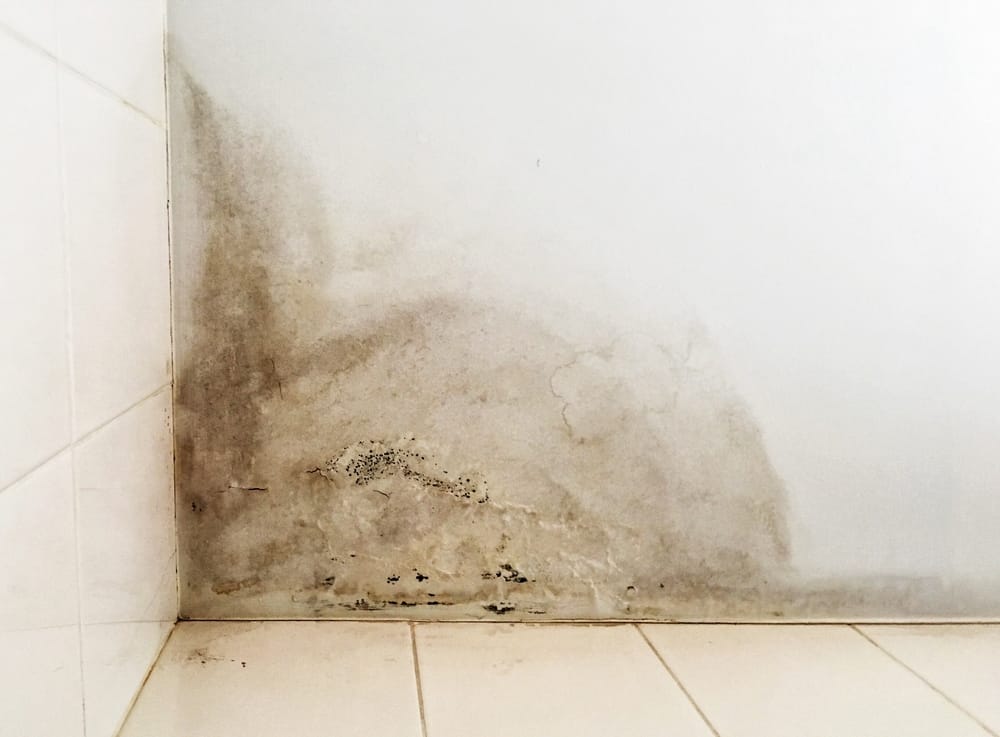
Mold doesn’t just look bad — it quietly works against everything you’ve built. In Thomaston, where the average home sits above $1.1 million, a mold problem that goes unaddressed or gets handled poorly can strip $200,000 to $400,000 off your property value. That’s what the data shows, and it’s what buyers’ agents and real estate attorneys see play out in transactions across the Great Neck Peninsula every year.
The geography here matters too. Thomaston sits on the Harbor Hill terminal moraine — a glacially deposited ridge of gravel, sand, and clay that creates unpredictable drainage beneath your foundation. Combine that with the elevated ambient humidity that comes from living on a peninsula surrounded by Little Neck Bay, Manhasset Bay, and Long Island Sound, and you have a moisture environment that older homes in this village were simply never built to handle. Mid-century construction — which makes up a significant portion of Thomaston’s housing stock — didn’t include modern vapor barriers or waterproofing standards. That’s just the reality of building on the North Shore, and it’s why basement mold removal and attic mold removal are calls we take regularly from Thomaston homeowners.
When the job is done right, you get more than a clean surface. You get documentation your real estate attorney can use, air quality your family can breathe, and a property that holds its value through inspection, listing, and closing.
We’ve been serving Nassau and Suffolk County homeowners for 31 years. That’s not a number we throw out for effect — it means we’ve worked in homes like yours, on streets like yours, in the same coastal North Shore conditions that make moisture management genuinely difficult on the Great Neck Peninsula. We’ve handled mold problems in Thomaston’s mid-century colonials, in the older estates near Middle Neck Road, and in the waterfront properties where the bay humidity never really lets up.
Every technician on our team is IICRC-certified. Not some of them — all of them. Our owner is personally licensed by New York State for both mold inspection and mold remediation. That combination of individual-level certification and state licensing isn’t something you’ll find at every company showing up in your search results, especially not the ones running templated pages out of a Westchester area code.
We’re based in West Babylon and we operate 24 hours a day, seven days a week. When something goes wrong after a nor’easter rolls through or a pipe lets go on a Sunday night, you’re reaching a Long Island company that knows this area and can deploy a certified team without delay.
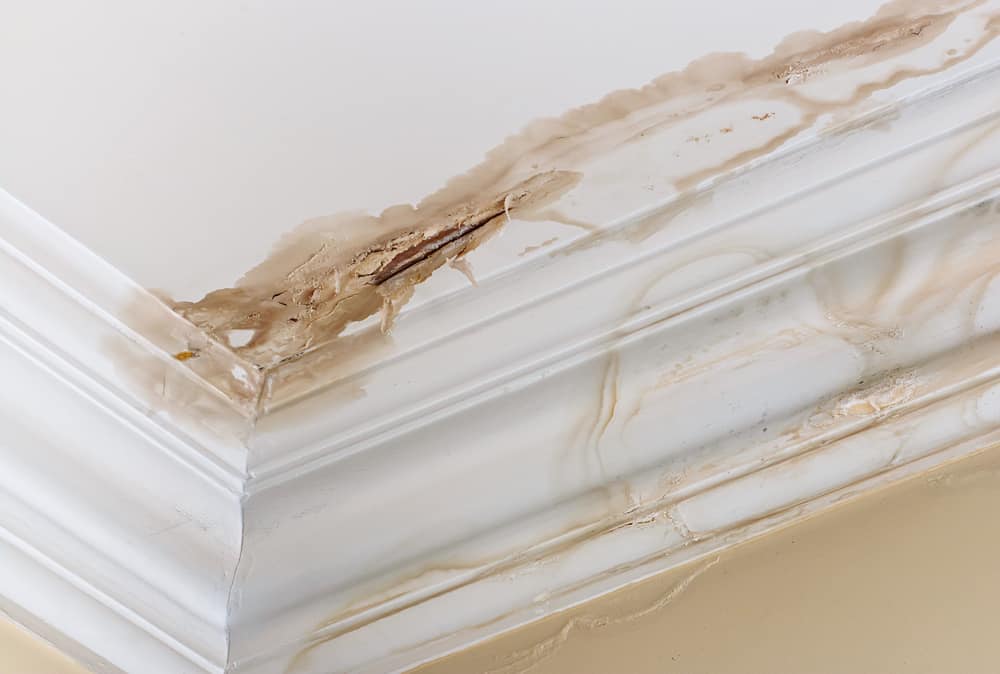
It starts with a certified inspection — not a quick visual scan, but a structured five-point assessment. That includes air sampling, surface swab sampling, boroscopic wall cavity examination, and non-invasive moisture measurement. The boroscopic step matters more than most people realize. In Thomaston’s older homes — many built in the 1940s, 50s, and 60s — mold hides inside wall cavities, behind original plaster, and in attic spaces that look fine from below. A visual inspection alone misses it. We don’t.
Once we know the full scope, we contain the affected area, remove contaminated materials following New York State remediation protocols, and treat the underlying surfaces. Because we’re a full-service restoration company, we also address the moisture source — whether that’s structural drying, dehumidification, or water damage remediation. Most mold-only companies hand that part off to someone else. We handle it in the same service relationship, which means the mold doesn’t come back because the cause was never fixed.
After remediation is complete, we conduct post-remediation clearance testing using the same lab analysis as the initial inspection. Results come back within two to three business days. If the samples don’t pass, the job isn’t done. You receive a chain-of-custody document with lab results attached — the kind of documentation that holds up with real estate attorneys, mortgage lenders, and insurance adjusters. Under New York State law, the same company cannot perform both mold assessment and remediation on the same property, so our process is structured to keep you fully protected and legally compliant at every step.
Ready to get started?
Mold removal in Thomaston covers a range of situations depending on where moisture has found its way in. Basement mold removal is one of the most common calls we handle — the moraine geology beneath Thomaston creates hydrostatic pressure against foundation walls that older waterproofing simply wasn’t designed to resist. Crawl space mold removal follows a similar pattern, where moisture accumulates in enclosed spaces with limited airflow and no one notices until the problem is significant. Attic mold removal tends to surface during home sales, when a buyer’s inspector goes into a space that hasn’t been looked at in years and finds mold growing on roof sheathing from decades of inadequate ventilation.
Bathroom mold removal, black mold removal, and toxic mold cleanup are also part of what we handle — in both residential and commercial settings. Thomaston is primarily a residential village, but whether it’s a single-family home on Colonial Road, a multi-unit property near Middle Neck Road, or a property being prepped for sale before the spring market, we bring the same certified team and the same documented process to every job.
Mold mitigation services here aren’t a one-size approach. The scope depends on what the inspection finds, how far the growth has spread, and what’s driving the moisture. We give you a clear picture before any work starts — no surprises, no scope creep, and no pressure to approve work you don’t fully understand.
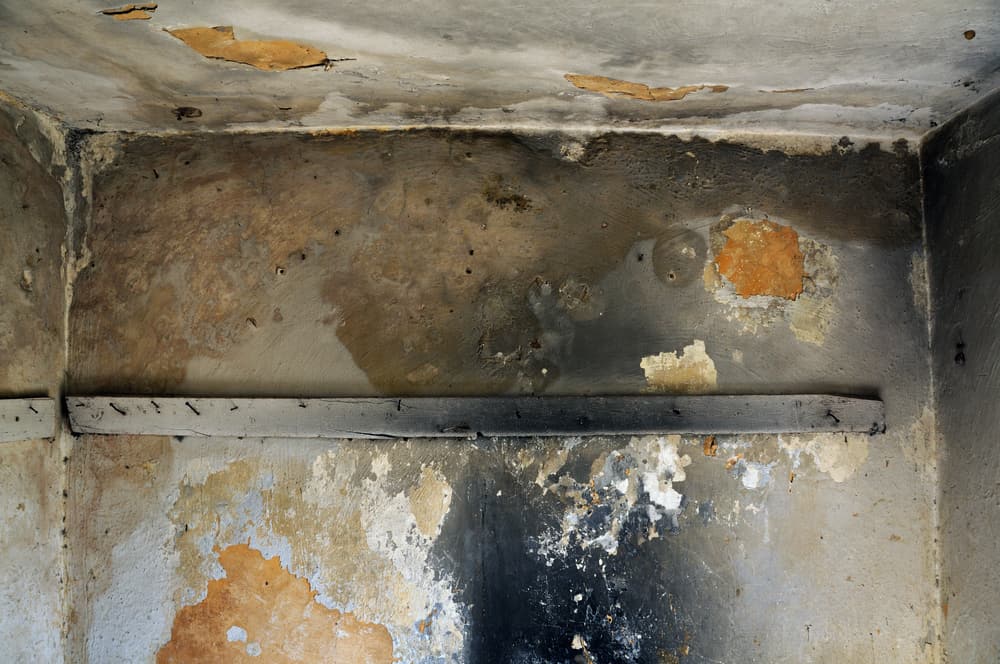
Mold removal cost depends on where the mold is, how far it’s spread, and what’s driving the moisture. Nationally, remediation averages around $2,300, with a range of roughly $373 to $7,000 for most residential jobs. More contained situations — like bathroom mold or a small section of basement wall — tend to fall on the lower end. Larger scopes, like attic mold removal or crawl space mold removal involving structural materials, typically run $15 to $30 per square foot.
For Thomaston homeowners, it helps to think about cost in context. With homes valued above $1.1 million, a $3,000 to $6,000 remediation investment to protect a seven-figure asset is straightforward math. What’s more costly is an incomplete job that gets discovered during a buyer’s inspection — that’s where you start losing real money in negotiation concessions or a deal that falls apart entirely. We provide a clear scope and cost estimate before any work begins, so you know exactly what you’re approving.
The only way to confirm full removal is post-remediation clearance testing — not a technician’s word, not a visual check, but actual lab analysis. After remediation is complete, we collect air samples and surface swab samples from the treated areas and send them to a certified laboratory. Results come back within two to three business days. If the samples don’t clear, we go back in. The job isn’t finished until the lab says it is.
This matters especially in Thomaston’s older homes, where mold can persist in wall cavities, under flooring, or in attic spaces that aren’t visible during a standard walkthrough. The clearance report we provide is a chain-of-custody document that meets legal evidence standards — which means it’s useful beyond just your own peace of mind. If you’re selling your home, your real estate attorney, the buyer’s agent, and any lender involved can all reference that documentation as part of the transaction.
It can — but only if the moisture source wasn’t addressed. Mold removal without fixing what caused the moisture in the first place is like mopping up a leak without turning off the water. In Thomaston specifically, the underlying causes tend to be structural: hydrostatic pressure from the moraine geology pushing moisture through foundation walls, inadequate attic ventilation in mid-century homes creating condensation on roof sheathing, or HVAC systems cycling in humid coastal air without proper dehumidification.
That’s why we don’t just remove the mold and leave. As a full-service restoration company, we handle water damage remediation, structural drying, and dehumidification as part of the same service relationship. If the moisture source needs to be addressed, we address it. Competitors who only do mold removal hand that part off — or skip it entirely — and that’s when the mold comes back. When we close out a job, the clearance test confirms the mold is gone and the conditions that fed it have been corrected.
Yes — and the health impact is well-documented. The EPA links approximately 4.6 million asthma cases in the U.S. to indoor dampness and mold. The WHO estimates that 21% of all U.S. asthma cases are connected to mold exposure. Beyond asthma, mold is associated with chronic respiratory symptoms, persistent allergy-like reactions, headaches, and fatigue — symptoms that are easy to attribute to other causes while the actual source goes unaddressed inside the home.
In a community like Thomaston, where many residents are long-term homeowners and retirees, the health stakes are real. Older adults and anyone with existing respiratory conditions are more sensitive to the effects of mold exposure. If anyone in your household has been dealing with symptoms that don’t resolve — especially in the colder months when the house is closed up and ventilation is limited — it’s worth having a certified inspection done. We use air sampling and surface analysis to give you an objective picture of what’s actually in your home’s air, not just what’s visible on the surface.
The most frequently encountered mold types in Nassau County residential properties include Cladosporium, Penicillium, Aspergillus, and Stachybotrys chartarum — the last of which is commonly referred to as black mold. Stachybotrys is the one that gets the most attention, and for good reason: it produces mycotoxins and requires more aggressive remediation protocols than surface molds. It typically grows in areas with sustained moisture — behind walls, under flooring, and in basement or crawl space environments where water has been sitting for an extended period.
On the Great Neck Peninsula, the combination of coastal humidity and older housing stock creates conditions where multiple mold types can be present simultaneously. What looks like a surface issue in a bathroom or basement corner is sometimes the visible edge of a larger colony growing inside the wall cavity. That’s why our inspection includes boroscopic examination — so we’re not making assumptions about scope based on what’s visible. The lab results from our air and swab sampling identify exactly what types of mold are present and at what concentration levels, which directly informs the remediation approach.
If you’re planning to list a home in Thomaston, a pre-sale mold inspection is one of the most straightforward ways to protect your asking price. In a market where the average home value sits above $1.1 million, mold discovered during a buyer’s inspection gives the buyer significant leverage — and 50% of buyers walk away entirely when they learn a home has a mold problem. A pre-listing inspection lets you find and resolve any issues on your terms, before the buyer’s inspector does it for you under contract pressure.
The documentation we produce — air sampling results, surface swab analysis, and a chain-of-custody report — is the kind of paperwork that satisfies real estate attorneys, mortgage underwriters, and buyers’ agents. It’s not just a letter saying the home was checked. It’s a lab-verified record of what was found, what was done, and what the post-remediation air quality confirmed. In a village like Thomaston, where real estate transactions involve serious money and thorough due diligence, having that documentation ready before you list puts you in a much stronger position from day one.
Useful Links
Other Services we provide in Thomaston