
Hear from Our Customers
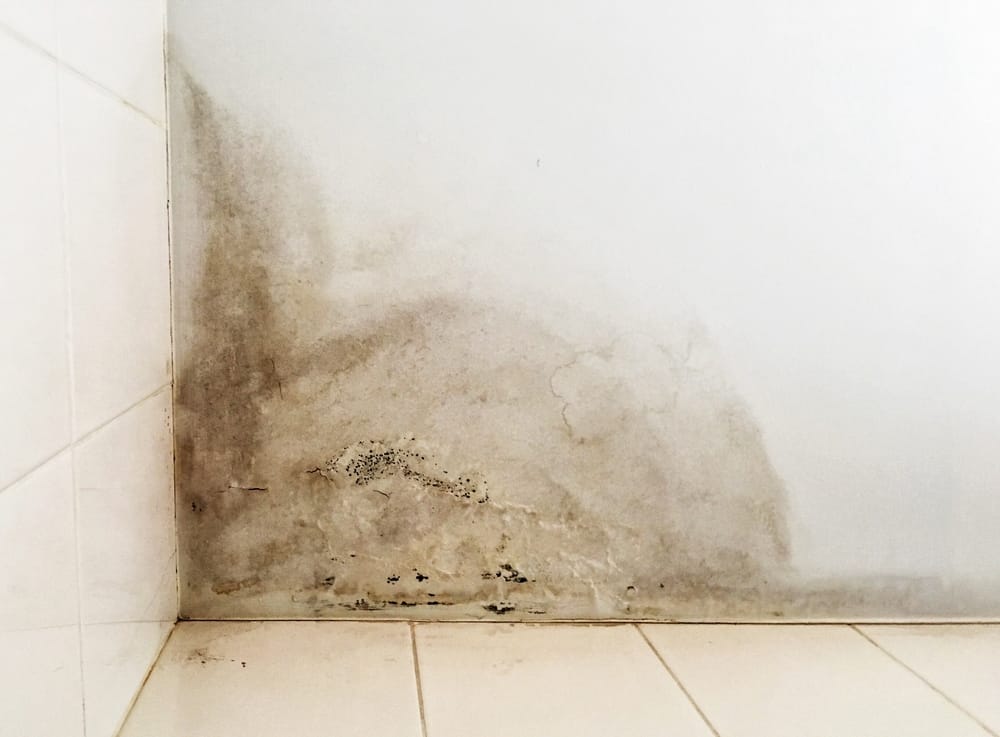
You stop second-guessing the air your family is breathing. That’s usually the first thing people notice — not just the visible mold disappearing, but the relief of knowing the problem was handled correctly, documented, and confirmed by a lab. No more wondering if the smell will come back, or if what you saw in the corner of the basement was just the beginning.
For Wantagh homeowners specifically, that peace of mind carries extra weight. Most homes here were built in the 1950s — before vapor barriers, before proper drainage tile, before anyone was thinking about what happens to a wood-framed basement when coastal humidity pushes in every summer. Living a few miles from the Great South Bay means your home deals with moisture pressure that inland Nassau County neighborhoods simply don’t face. The mold risk here is real, and it’s structural — not just surface-level.
Once the remediation is done right, you also protect your investment. Wantagh homes are selling fast and above asking — but a mold discovery during inspection can stop a deal cold. Documented, professional mold removal in Wantagh doesn’t just fix the problem. It keeps your home’s value intact and gives any buyer’s attorney exactly what they need to move forward with confidence.
We’re based in West Babylon — about 15 minutes from Wantagh via Sunrise Highway — and have been remediating mold across Nassau and Suffolk Counties for over three decades. That’s not a franchise with a local phone number. We’re a Long Island company that has worked in homes like yours, in communities like Wantagh, through every season and every storm this region has thrown at the South Shore.
Every technician who comes to your home holds IICRC certification. Not just the owner. Not just the lead. Every single person on the crew. We’re also personally licensed under New York State Department of Labor mold regulations — which matters because unlicensed operators are still out there, and some of them are showing up in local search results with out-of-state phone numbers pretending to be local.
When you call us, you’re getting a company that has seen what post-war South Shore homes look like from the inside — and knows exactly where mold sets up in them.
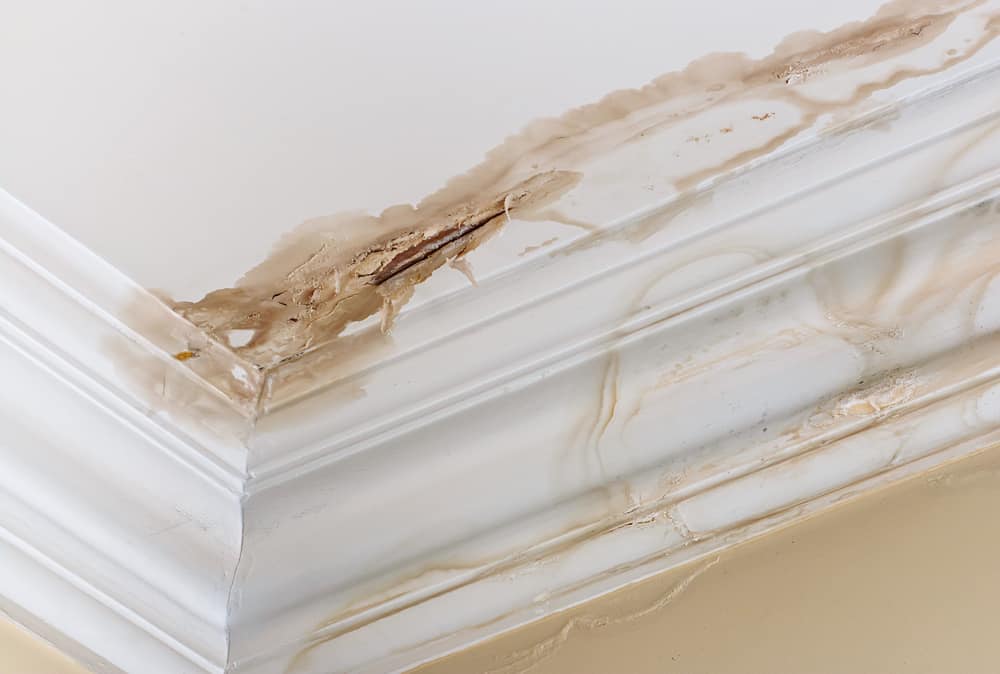
It starts with a thorough inspection — not a quick walkthrough, but a five-point assessment that includes air sampling, surface swab sampling, moisture level readings, water intrusion point identification, and a boroscopic examination of wall cavities. That last one matters in Wantagh specifically. In homes built in the 1950s and 1960s, mold often grows on the back side of drywall, on subfloor joists, and inside wall cavities where no one looks unless they have the right equipment. We look there because that’s where the problem actually lives.
Lab results come back within two to three business days with full chain-of-custody documentation — the kind that holds up with insurance adjusters, real estate attorneys, and buyers’ lenders. Under New York State law, the same company cannot legally perform both the mold assessment and the remediation on the same property. We follow that law and walk you through exactly how it works so there are no surprises.
Once remediation is complete, we do post-clearance testing to confirm the mold is gone — not just visually, but scientifically. You get written documentation of the results. If your job involves an insurance claim, we work with your carrier and offer up to $500 toward your deductible for qualifying jobs. From first call to final clearance, the process is transparent and fully documented at every step.
Ready to get started?
Mold removal in Wantagh covers a lot of ground because mold doesn’t stick to one room. Basement mold removal is the most common call we get from this area — and for good reason. Older South Shore homes were built without the drainage infrastructure that modern construction requires, and when groundwater rises or a pipe lets go, those basements absorb it. Crawl space mold removal is a close second, especially in homes along the southern edges of Wantagh near Cedar Creek County Park, where ground moisture is a near-constant factor.
Attic mold removal is another issue that surprises a lot of Wantagh homeowners. Poor attic ventilation combined with Long Island’s cold winters creates condensation conditions that feed mold growth on roof sheathing — often for years before anyone notices. Bathroom mold removal, black mold removal, and toxic mold cleanup are all part of what we handle, whether the source is a slow leak, a failed grout line, or water intrusion from a storm event.
Every job includes the full inspection protocol, lab-confirmed clearance testing, and written documentation. We also handle the water damage side — structural drying, dehumidification, and moisture source correction — because removing mold without addressing what caused it just means it comes back. One call covers the whole problem.
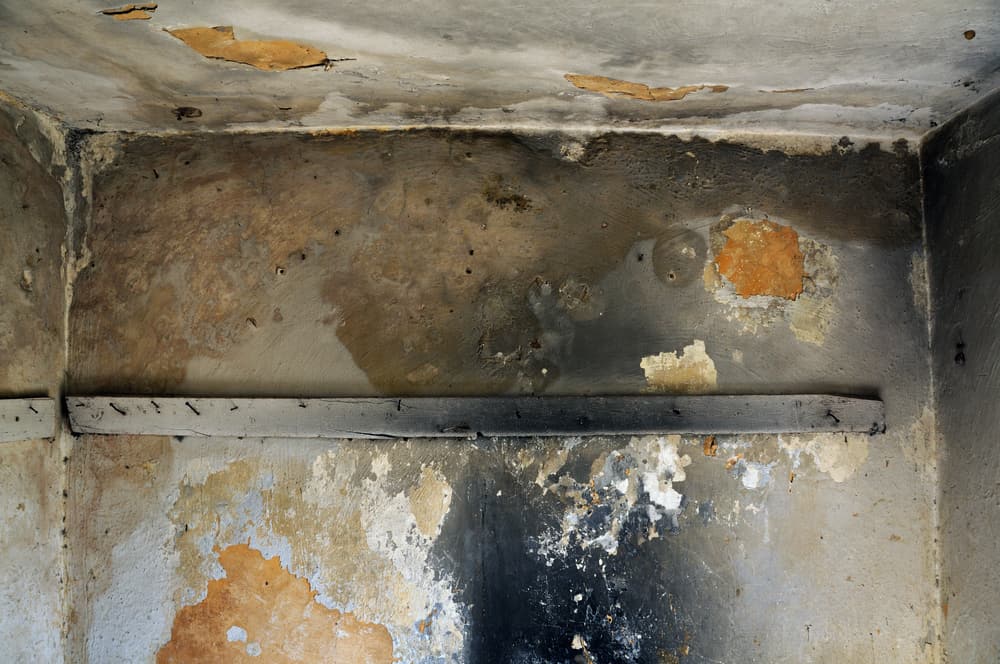
The honest answer is that visible mold is only part of the picture. If you can see it, there’s almost always more behind it — especially in a home built in the 1950s or 1960s, which describes most of Wantagh’s housing stock. The more telling signs are a persistent musty smell that doesn’t go away after cleaning, unexplained allergy symptoms that improve when you leave the house, or a history of water intrusion in your basement, crawl space, or attic.
Wantagh’s coastal humidity — driven by proximity to the Great South Bay and the Atlantic — creates conditions where mold can establish itself even without a dramatic flooding event. Slow moisture buildup behind walls or under floors is common in older South Shore homes, and it often goes undetected for years. If you’ve had any water event in the last few years, or if your home has a basement or crawl space that’s never been properly waterproofed, it’s worth having a professional inspection done. The cost of finding nothing is far lower than the cost of finding it too late.
Mold removal cost varies based on the size of the affected area and how deeply the mold has penetrated the structure. Nationally, the average runs around $2,300, but jobs in older homes — like most of what you’ll find in Wantagh — can range from $1,500 on the lower end for a contained bathroom situation to $6,000 or more when structural materials like subfloor joists or wall framing are involved. The per-square-foot range for spaces like basements and crawl spaces typically falls between $15 and $30.
As for insurance, it depends on the cause. If the mold resulted from a sudden, covered water event — like a burst pipe or storm damage — your homeowners policy may cover a portion of the remediation. If it’s the result of long-term moisture buildup or deferred maintenance, most policies won’t pay out. Either way, we work directly with insurance carriers and provide the documentation adjusters need to process claims. We also offer up to $500 toward your deductible for qualifying jobs, which helps offset out-of-pocket costs when coverage doesn’t cover everything.
Black mold — specifically Stachybotrys chartarum — is real, and it does produce mycotoxins that can cause health problems, particularly for children, elderly residents, and anyone with respiratory conditions or a compromised immune system. That said, not every dark-colored mold is Stachybotrys, and not every mold situation carries the same risk level. The only way to know what you’re dealing with is proper air and surface sampling sent to a certified lab — not a visual guess.
What’s not overhyped is the broader health connection. The EPA and CDC both link indoor mold exposure to respiratory symptoms, worsened asthma, and chronic sinus issues. In a community like Wantagh — where families tend to stay in their homes long-term and many households include school-age children — that’s not a statistic to brush off. If you’re seeing dark mold growth in your basement or crawl space, get it tested. Knowing what you’re dealing with is always better than assuming it’s fine.
No — and this is something a lot of Wantagh homeowners don’t know until they’re already in the middle of the process. Under New York State law, the same licensed mold company and its employees cannot legally perform both the mold assessment and the mold remediation on the same property. The law exists specifically to prevent conflicts of interest — if the company assessing your home also profits from the remediation, there’s an obvious incentive to find more mold than actually exists.
This means you need two separate licensed parties involved: one to assess and test, and one to remediate. Some contractors ignore this rule entirely, either because they’re unlicensed or because they’re betting you won’t know the difference. We’re fully licensed under New York State Department of Labor mold regulations and operate within the law on every job. We’ll walk you through how the process works so you understand exactly who does what and why — no confusion, no shortcuts.
The timeline depends on the scope of the job. A contained bathroom or small area of basement mold removal in Wantagh can often be completed in one to two days. Larger jobs involving attic mold removal, crawl space mold removal, or significant structural material replacement may take three to five days or longer, depending on what’s uncovered once the work begins.
Whether your family can stay in the home during remediation depends on where the mold is located and how extensive the work is. For small, contained areas, it’s often fine to remain in the home as long as the affected space is properly sealed off. For larger jobs — particularly those involving toxic mold cleanup or significant demolition — we typically recommend that sensitive individuals, especially children and anyone with respiratory conditions, stay elsewhere during active remediation. We’ll give you a clear, honest answer on this before work begins, based on your specific situation, not a blanket policy.
Mold comes back when the moisture source that caused it isn’t addressed. That’s the most common reason remediation fails — the visible mold gets removed, but the underlying water intrusion, humidity problem, or ventilation issue stays in place. In Wantagh’s older housing stock, the most common culprits are basements without proper drainage or vapor barriers, crawl spaces with ground moisture exposure, and attics with inadequate ventilation that allows condensation to build up on roof sheathing during winter months.
We address both sides of the problem — the mold and what caused it. That includes structural drying, dehumidification, and identifying the water intrusion point so it can be corrected. After remediation, post-clearance testing confirms the mold levels in your home meet safe thresholds. Going forward, the most effective prevention strategies for South Shore homes are maintaining indoor humidity below 50%, ensuring your basement or crawl space has proper moisture management, and keeping gutters and downspouts directing water away from your foundation. Older Wantagh homes weren’t built with these systems in mind — but they can be retrofitted, and we can point you in the right direction after the job is done.
Useful Links
Other Services we provide in Wantagh