
Hear from Our Customers
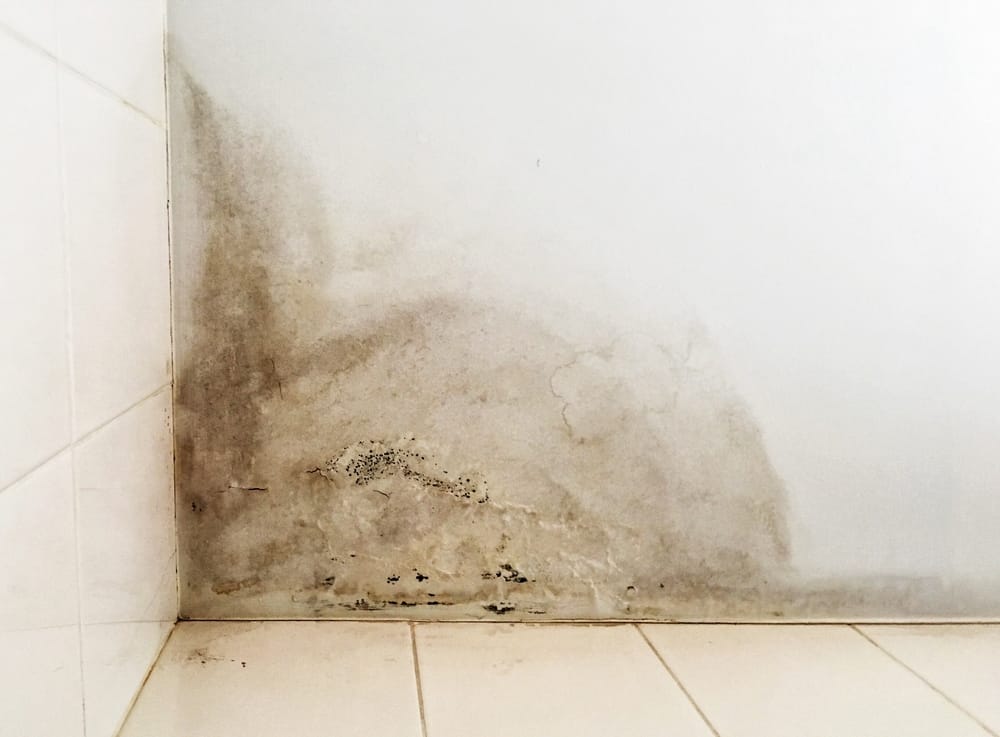
When mold is properly removed — not painted over, not sprayed with store-bought product — the air in your home changes. Musty smells disappear. Respiratory symptoms ease up. You stop wondering what’s growing behind that wall in the basement or under the bathroom floor.
For Brentwood families, that matters more than most. With 40% of households here having kids under 18, and a housing stock where most homes were built between the 1940s and 1970s, the combination of aging infrastructure and high summer humidity creates real, ongoing mold risk. These aren’t new construction homes with modern vapor barriers and tight building envelopes. They’re homes with concrete block foundations, older insulation, and ventilation systems that weren’t designed for today’s moisture loads.
Getting mold removed the right way also protects what you’ve built financially. Brentwood home values have climbed roughly 148% over the past decade. Unaddressed mold doesn’t just affect your health — it affects your home’s value, your ability to sell, and what you’re required to disclose when you do. Professional remediation gives you documentation that protects you on both fronts.
We’re based in West Babylon — about 5 to 8 miles from central Brentwood via Sunrise Highway and the Sagtikos Parkway. That’s not a coincidence. Suffolk County is our backyard, and Brentwood is a community we’ve been serving for decades.
Every technician on our team is IICRC-certified under the ANSI/IICRC S520 Standard for Professional Mold Remediation. We’re fully licensed under New York State Article 32, bonded, and insured. That’s not a checklist item — it’s what separates legitimate remediation from a surface cleaning that lets mold come back in six months.
We’ve worked in homes all across the Town of Islip, including the dense residential corridors near Suffolk Avenue and the neighborhoods surrounding the Brentwood LIRR station. We know what these homes look like, where moisture hides in them, and what it actually takes to clear it.
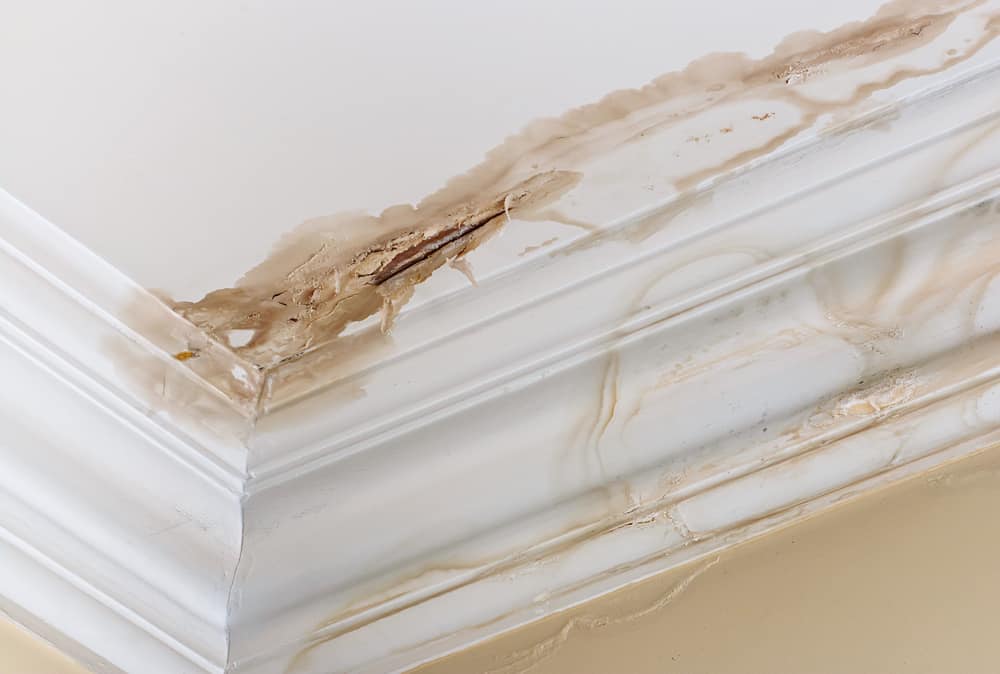
The first thing we do is find the actual source of the moisture. Mold is a symptom. If the moisture problem isn’t identified and addressed, the mold comes back — it’s that simple. We use moisture meters, thermal imaging, and particle counters to locate what your eyes can’t see, including growth inside wall cavities, beneath flooring, and in attic insulation.
Once we know what we’re dealing with, we contain the affected area using negative air pressure and physical barriers to prevent spores from spreading to the rest of your home during removal. This step is non-negotiable, and it’s one that less experienced operators often skip or rush. In Brentwood’s older homes — many with open floor plans connecting basements to living areas — proper containment is especially critical.
From there, we physically remove the mold-affected materials, treat the surfaces, and run HEPA air scrubbers to clean the air in the space. Under New York State Article 32, post-remediation clearance testing must be completed by an independent licensed mold assessor — not us — to confirm the job is done. We’ll walk you through how that works before any work begins.
Ready to get started?
Brentwood’s mold problems tend to show up in predictable places, and we’ve seen all of them. Basement mold is the most common call we get — driven by hydrostatic pressure pushing moisture through aging concrete block foundations, failed or undersized sump pumps, and the kind of drainage challenges that come with older construction near the Orowoc Creek watershed. Attic mold is the second most frequent, typically caused by warm, moist air from the living space rising into a cold, poorly ventilated attic during heating season and condensing on roof sheathing.
We also handle crawl space mold removal, bathroom mold removal, and mold that’s spread through HVAC systems into ductwork. For commercial properties — and Brentwood has significant ones, from the Suffolk County Community College campus to the retail corridors along Suffolk Avenue — we scale our process accordingly without disrupting operations longer than necessary.
If your situation involves water damage that led to the mold, we handle that too. Water damage restoration, structural drying, and dehumidification are all part of what we do. You won’t need to coordinate multiple contractors or explain your situation twice. One call covers the full scope, from the initial moisture problem through final clearance.
It depends on what caused the mold, not the mold itself. Most standard homeowners insurance policies in New York will cover mold remediation if it resulted from a covered event — a burst pipe, a sudden roof leak, or a sump pump failure that’s included in your policy. What they typically won’t cover is mold that developed from long-term neglect or a maintenance issue that went unaddressed.
For Brentwood homeowners, this distinction matters a lot. Older homes with aging plumbing, original sump pumps, and foundation drainage issues are more prone to the kind of sudden water intrusion events that do qualify for coverage. The key is documentation — you need a professional assessment that clearly ties the mold to a covered cause. We work directly with insurance carriers, document everything thoroughly, and help you navigate the claims process so you’re not leaving money on the table. Call us before you call your insurance company, and we’ll help you understand what you’re working with.
Mold can begin colonizing within 24 to 72 hours of a water damage event under the right conditions — and in a Brentwood basement during a humid July, those conditions are almost always present. Warm temperatures, moisture, and an organic material like drywall or wood framing are all mold needs to get started. By the time you can see it or smell it, it’s typically been growing for a while.
This is why response time matters so much. If your basement took on water after a storm or a sump pump failure, the window to prevent mold from establishing itself is short. We’re available 24 hours a day, 7 days a week for exactly this reason. Getting a professional in quickly — to extract standing water, dry the structure, and monitor moisture levels — is the difference between a manageable water damage job and a full mold remediation project.
“Black mold” is a term that gets thrown around a lot, and it causes a lot of anxiety. The species most people are referring to is Stachybotrys chartarum, which does require moisture to grow and can produce mycotoxins that affect health — but not every dark-colored mold is Stachybotrys, and the remediation process for any mold species follows the same core protocol regardless of color.
What black mold removal actually involves is containment of the affected area, physical removal of mold-affected materials (drywall, insulation, wood framing — whatever is contaminated), surface treatment of structural components, and HEPA air filtration to clean the air in the space. In Brentwood homes, black mold most commonly shows up in basements with chronic moisture problems or in bathrooms with inadequate exhaust ventilation. The process isn’t about spraying something on the surface — it’s about removing the material, eliminating the moisture source, and verifying through independent testing that the space is clear.
Most residential mold remediation projects fall somewhere between $1,200 and $6,000, depending on the size of the affected area, where the mold is located, and how far it’s spread into building materials. Basement mold removal typically runs $1,500 to $6,000. Attic mold removal is often $1,000 to $4,000. Smaller bathroom or crawl space jobs can come in under $1,500 if they’re caught early.
The honest answer is that cost varies, and anyone who gives you a firm number before seeing the space is guessing. What we can tell you is that you’ll get a written estimate before any work starts, and that estimate is what you pay — no scope creep, no pressure to add services you didn’t ask for. For Brentwood homeowners managing a household budget, that transparency matters. And if insurance is involved, we’ll document everything in a way that gives your claim the best possible foundation.
Attic mold is extremely common in Brentwood, and the cause is almost always the same: warm, moist air from the living space rises into the attic during heating season and has nowhere to go. When that air hits cold roof sheathing, it condenses. Do that repeatedly over a winter, and you create the sustained moisture environment that mold needs to take hold on the wood framing and sheathing above your ceiling.
In Brentwood’s post-WWII housing stock — most of it built in the 1950s through 1970s — attic ventilation was not designed to handle the moisture loads that modern living produces. Bathroom exhaust fans that vent into the attic instead of outside, inadequate soffit and ridge ventilation, and poorly sealed attic hatches are the most common contributing factors we see. The fix involves both remediating the existing mold and correcting the ventilation issue that caused it. Treating the mold without fixing the airflow means it comes back, usually within a season or two.
In New York State, any company performing paid mold remediation work is legally required to hold a Mold Remediation Contractor license issued by the NYS Department of Labor under Article 32 of the Labor Law. This requirement has been in place since January 1, 2016, and it applies to every job — residential or commercial, large or small.
Hiring an unlicensed contractor in Brentwood creates real problems. The work may not be recognized by your insurance carrier, leaving you responsible for costs that should have been covered. There’s no state oversight or accountability if the job is done incorrectly. And in a community with as much older housing stock as Brentwood — where mold remediation often involves opening walls, removing insulation, and working in confined spaces — the technical and safety standards that licensed contractors are required to follow exist for good reason. Before any contractor starts work in your home, ask to see their Article 32 license. A legitimate company will have it and won’t hesitate to show you.
Useful Links
Other Services we provide in Brentwood