
Hear from Our Customers
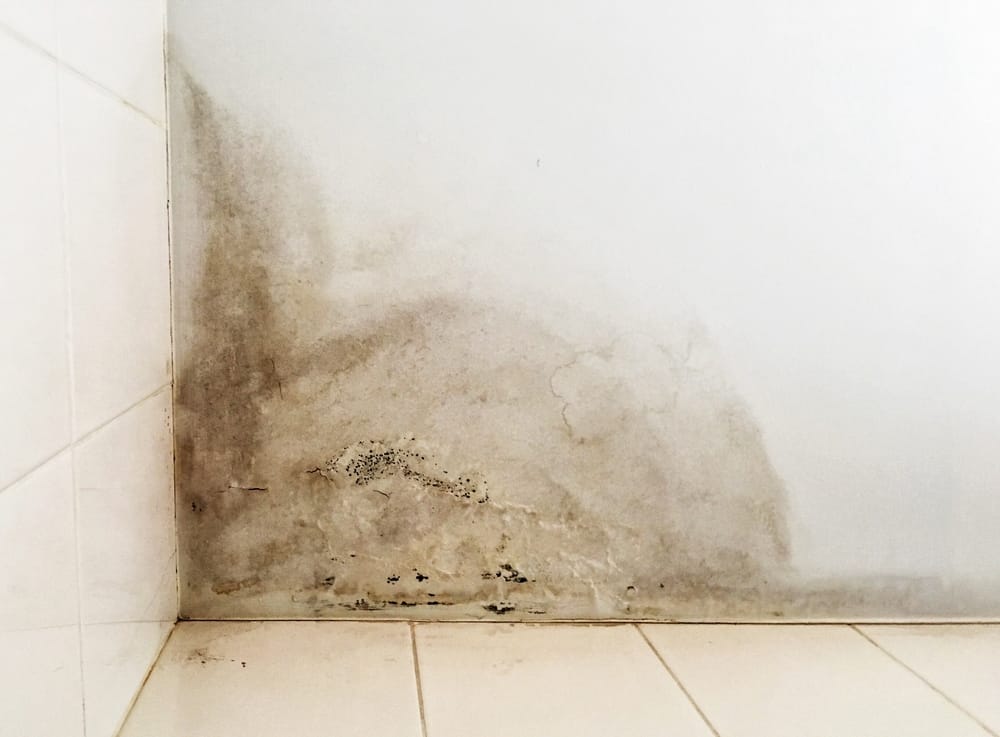
Mold doesn’t announce itself. In East Quogue, it usually starts quietly — behind a basement wall after a nor’easter pushes water under the foundation, or in an attic that’s been holding summer humidity since June. By the time you smell it or see it, it’s already been there a while.
Getting rid of it the right way means your air is clean, your walls aren’t harboring anything invisible, and you’re not dealing with the same problem again next season. For the homes in Shinnecock Shores and along the bay-side streets south of Montauk Highway, that’s not a small thing — coastal moisture doesn’t stop just because you treated the surface.
For East Quogue’s older Victorian-era homes especially, proper mold remediation also protects the structure itself. Mold eats at wood framing, insulation, and drywall over time. Catching it and clearing it completely means you’re not looking at a much larger repair bill down the road — and if you’re thinking about selling, a documented clearance makes that process a lot cleaner too.
We’ve been serving East Quogue and the rest of Suffolk County since the early 1990s. That’s over three decades of water damage, mold remediation, and full property restoration — including the kind of post-storm work that followed Superstorm Sandy when Marine Park flooded and homeowners across Southampton Town were left figuring out what came next.
We’re IICRC-certified, NY State licensed under Article 32, and fully insured. We work directly with your insurance carrier, which matters a lot when you’re managing a mold situation from a distance — something a lot of East Quogue’s seasonal homeowners know well. You shouldn’t have to coordinate three different contractors and a claims adjuster while mold is actively spreading.
This isn’t a franchise operation. It’s a Long Island company that’s been doing this work long enough to know the difference between a routine bathroom mold situation and what a Shinnecock Bay waterfront home looks like after a wet fall.
It starts with a thorough assessment. We use moisture meters, thermal imaging, and air sampling to find mold where it’s living — not just where it’s visible. In East Quogue homes, that often means checking inside wall cavities, crawl spaces, and attic rafters, because that’s where coastal humidity and temperature differentials do their work without anyone noticing.
Once we know what we’re dealing with, we contain the affected area before any removal begins. This is where a lot of DIY attempts go wrong — disturbing mold without proper containment spreads spores to parts of the home that weren’t affected. We use negative air pressure and physical barriers to keep that from happening, and our technicians work in full protective gear throughout.
The actual removal involves physically taking out mold-affected materials — drywall, insulation, wood framing if needed — not spraying over it and calling it done. After removal, we treat surfaces with EPA-registered antimicrobial agents and run HEPA air scrubbers to clean the air. Before we close anything up, we do post-remediation verification to confirm the space is clear. Because New York State’s Article 32 licensing rules require that assessment and remediation stay separate, we can also coordinate independent clearance testing so your documentation is clean and defensible — whether for insurance, a sale, or your own peace of mind.
Ready to get started?
Mold removal in East Quogue isn’t one-size-fits-all, and our service reflects that. Basement mold is one of the most common calls we get from this area — groundwater intrusion near Weesuck Creek, storm surge from Shinnecock Bay, and aging foundation waterproofing in older homes all create the same result. We handle full basement mold remediation including material removal, structural drying, and antimicrobial treatment.
Attic mold removal is just as common, especially in East Quogue’s older housing stock where ventilation wasn’t built to manage today’s humidity loads. Warm interior air rises, hits a cold roof deck in winter, and condenses — season after season, until mold takes hold. Crawl space mold removal follows a similar pattern, particularly in homes with dirt floors or failing vapor barriers close to the water table.
We also handle bathroom mold, which sounds minor but can signal a larger moisture problem behind the tile or inside the wall cavity. And for East Quogue businesses along Montauk Highway — restaurants, retail, hospitality — we offer commercial mold removal with the same licensed, documented process. Every job ends with a full written report, post-remediation verification, and direct insurance coordination if your claim is in play. You get the documentation you need, not just a clean space.
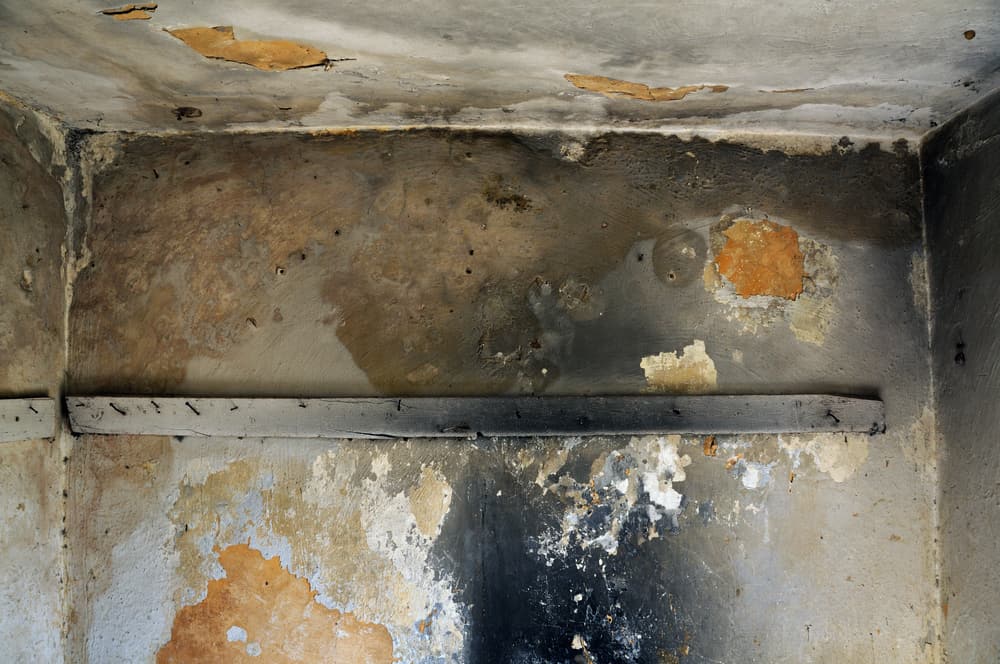
The most obvious signs are visible discoloration — black, green, or white patches on walls, ceilings, or around baseboards — and a persistent musty smell that doesn’t go away after airing the space out. But in East Quogue, where Shinnecock Bay flooding and nor’easter groundwater intrusion are real seasonal events, mold often develops inside wall cavities and under flooring where you can’t see it at all.
If your home took on water — even a few inches — and more than 48 to 72 hours passed before it was fully dried out, there’s a reasonable chance mold has started. That timeline is shorter in warm, humid conditions, which describes East Quogue’s summer and early fall pretty accurately. The safest move is a professional assessment using moisture meters and thermal imaging, not a visual inspection alone. Hidden moisture is the problem you can’t see coming.
The cost depends on what’s affected and how far the mold has spread. Basement mold removal can range from $1,500 to $6,000 depending on the scope, and attic remediation typically falls between $1,000 and $4,000. In the East Quogue market, where labor costs run higher than inland Suffolk County and many homes involve complex waterfront construction, your actual cost will depend on a proper assessment.
The most important thing to understand is that surface-only treatments — bleach sprays, paint-over jobs — are cheaper upfront and almost always more expensive in the long run. If the moisture source isn’t addressed and the affected material isn’t removed, you’re paying for the same job again within a season or two. Get a written estimate that covers the full scope before any work begins, and make sure whoever you hire is licensed under New York State’s Article 32.
It depends on the cause. Most standard homeowners insurance policies will cover mold remediation if it resulted directly from a covered event — a burst pipe, a roof leak after a storm, or sudden water damage. What they typically won’t cover is mold that developed gradually from a maintenance issue, like a slow leak that went unaddressed for months. In East Quogue, where seasonal homeowners sometimes don’t discover water damage until spring, that distinction can get complicated.
The documentation you have — when the damage was discovered, what caused it, how quickly you responded — matters a lot when a claim is in play. That’s one of the reasons it helps to work with a remediation company that coordinates directly with insurance carriers and provides a full written report from the start. We handle that process on your behalf, which is especially useful if you’re managing the situation remotely from outside the area.
Yes, mold exposure is a real health concern — and the longer someone is exposed, the more significant the effects can be. The most common issues are respiratory: chronic coughing, congestion, worsened asthma, and sinus problems that don’t respond to normal treatment. For the older demographic that makes up a large share of East Quogue’s year-round population, those effects can be more serious and harder to recover from.
“Black mold” specifically refers to Stachybotrys chartarum, which produces mycotoxins and is associated with more severe symptoms. But the truth is, any mold growth inside a living space is a problem worth addressing — not just the visually dramatic black variety. If anyone in your household is experiencing unexplained respiratory symptoms, fatigue, or recurring headaches, and you have any reason to suspect moisture issues in the home, a professional assessment is worth scheduling sooner rather than later.
Most residential mold remediation jobs take between one and five days, depending on where the mold is located and how much area is affected. A contained bathroom mold situation might be resolved in a single day. A basement or attic job — especially in one of East Quogue’s older homes where mold has spread through insulation and into framing — can take three to five days when you factor in containment setup, material removal, drying time, and post-remediation treatment.
If structural drying is needed after water damage, that adds time. Industrial dehumidifiers typically need 48 to 72 hours to bring moisture levels down to a safe range before final remediation and sealing can happen. We’ll give you a realistic timeline during the assessment so you’re not guessing. For seasonal homeowners trying to plan around a visit to East Quogue, that estimate matters — and we’ll be straight with you about it.
It depends on where the mold is and how large the affected area is. For a small, well-contained job — bathroom mold or a single room — staying in the home is often fine as long as the containment barriers are properly set up and you’re not in or near the work area. For larger jobs involving basement mold removal, attic remediation, or significant material removal throughout the home, temporary relocation is usually the better call.
During active remediation, negative air pressure systems and HEPA air scrubbers are running to keep spores from spreading. That equipment is doing its job, but it also means the air in the work zone isn’t somewhere you want to be spending time — especially if you have children, elderly family members, or anyone with respiratory sensitivities. We’ll be direct with you about whether your specific situation warrants staying or going, because the answer isn’t the same for every job. In East Quogue’s Eagles Walk community, for example, where many residents are 55 and older, we typically recommend erring on the side of caution for anything beyond a minor localized issue.
Useful Links
Other Services we provide in East Quogue