
Hear from Our Customers
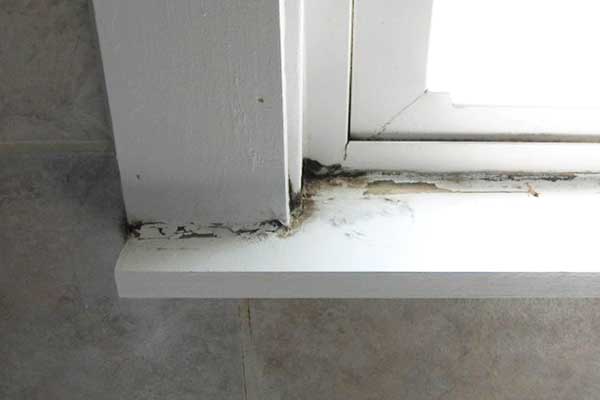
When mold shows up in a Smithtown home, it’s rarely just a cosmetic issue. Behind the walls of a 1960s colonial or in the attic of a Cape Cod that hasn’t been properly ventilated in decades, mold spreads quietly — and by the time you smell it or see it, it’s already been growing for a while. Getting ahead of it isn’t just about health. It’s about protecting a home that’s worth well over $750,000 in today’s market.
The Nissequogue River runs right through the heart of Smithtown, and the flooding it caused during the August 2024 storms was a reminder of how quickly water intrusion becomes a mold problem. IICRC standards are clear: mold can begin colonizing wet surfaces within 48 hours. That’s the reality when moisture gets into an older basement or crawl space with no vapor barrier.
Professional mold removal in Smithtown means the problem gets addressed completely — not sprayed over, not painted around. We handle containment, source removal, HEPA filtration, and final verification that the air quality in your home is actually clean. That’s what protects your family and your investment at the same time.
First Response Restoration and Cleaning Inc. has been serving Long Island homeowners for over three decades — long before mold remediation became a buzzword and long before lead-generation websites started pretending to be local companies. That kind of track record doesn’t happen without doing the work right, consistently, for real people with real homes on the line.
We serve the full Town of Smithtown, including Kings Park, Commack, St. James, Nesconset, Hauppauge, Fort Salonga, Nissequogue, and Head of the Harbor. We’re IICRC-certified, fully licensed under New York State’s Article 32 mold remediation law, bonded, and insured. We also coordinate directly with insurance carriers, which matters more than most people realize when the damage is tied to a storm, a burst pipe, or flooding near the river corridor.
You’re not getting a franchise. You’re not getting a call center that dispatches whoever’s available. You’re getting a company that’s been doing this work on Long Island since before most of its current competitors existed.
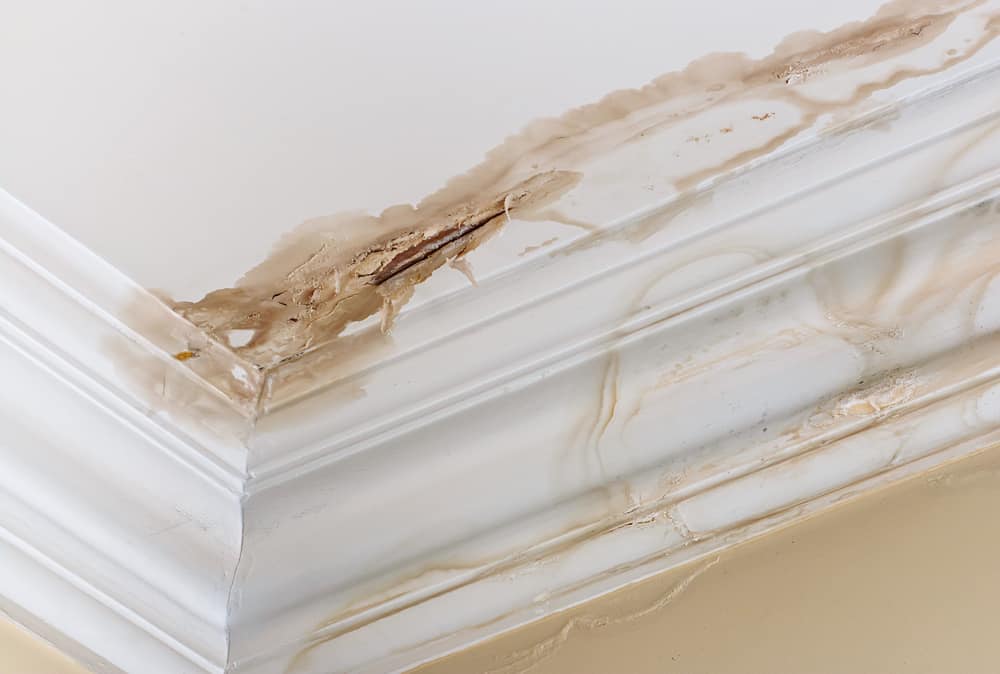
It starts with a thorough inspection. We use moisture meters, particle counters, and thermal imaging where needed to find mold that isn’t visible yet — especially in the attic spaces and basement walls common to Smithtown’s post-war housing stock. Older homes here often have inadequate ridge venting and unencapsulated crawl spaces that trap moisture for years without anyone noticing. We look where other companies don’t.
Once we’ve assessed the scope, we put together a written remediation plan before any work begins. New York State requires this under Article 32 for any project over 10 square feet, and we follow it exactly. Containment goes up, negative air pressure is established, and HEPA filtration runs throughout the job to prevent spores from spreading to unaffected areas of your home. Mold-affected materials are physically removed — not painted over or chemically masked.
After remediation is complete, we verify the results. That means air quality testing and a final walkthrough before we consider the job done. If your home needs structural drying, dehumidification, or any repairs to the affected areas, we handle that too. One call, one team, from start to finish.
Ready to get started?
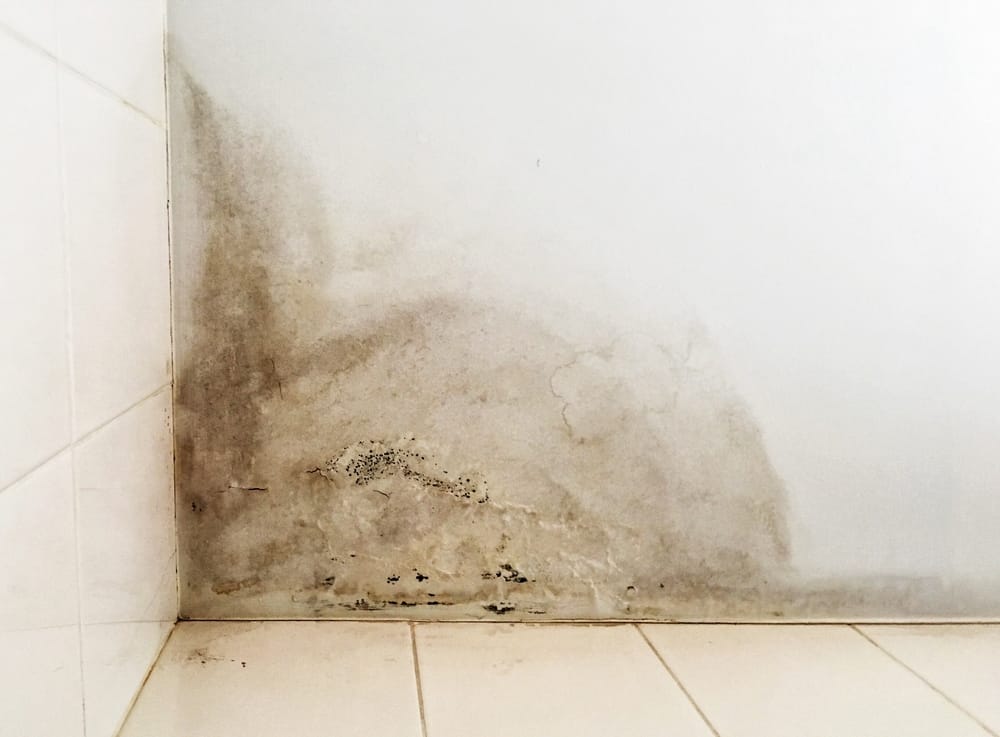
Mold in Smithtown tends to show up in predictable places — and the reasons are specific to this area. Basement mold removal in Smithtown is one of the most common calls we get, particularly after heavy rain events push groundwater through aging foundation walls. Attic mold removal in Smithtown is close behind, driven by the poor ventilation that’s standard in homes built during the postwar boom. Crawl space mold removal in Smithtown is another frequent need, especially in homes that still have dirt floors and no encapsulation.
We also handle bathroom mold removal in Smithtown, toxic mold cleanup in Smithtown, and commercial mold removal in Smithtown for businesses along the Route 347 and Route 25 corridors. Suffolk County’s reliance on cesspools and septic systems — rather than municipal sewers — adds another layer of risk during heavy rain events, when saturated ground can push contaminated water into basements. We understand that dynamic, and our scope of work accounts for it.
Every job is handled by licensed technicians under NY State Article 32. The same contractor cannot legally perform both mold assessment and remediation on the same project in New York — we follow that rule, and we’ll explain what it means for your specific situation before any work starts.
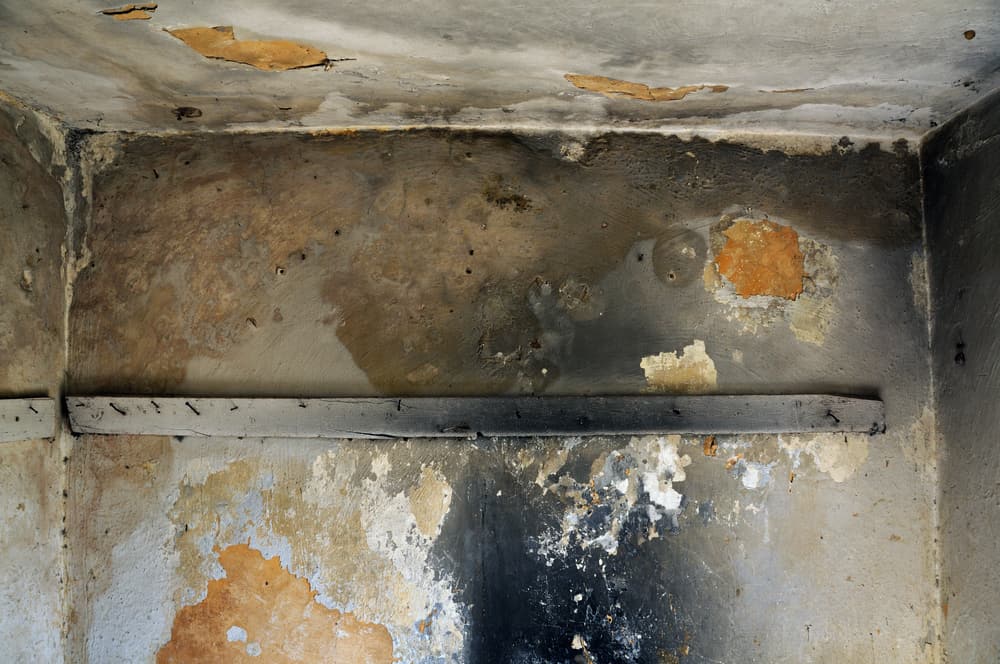
Faster than most people expect. According to IICRC standards — the same guidelines that govern professional mold remediation — mold can begin colonizing wet surfaces within 48 hours of water intrusion. In Smithtown, where basements in older homes often have limited drainage and aging foundation walls, water that gets in during a storm doesn’t always dry out quickly on its own.
After the August 2024 flooding event that brought up to 10 inches of rain to parts of Long Island and triggered water rescues in Smithtown and St. James, many homeowners assumed their basements had dried out fine. Some discovered mold weeks later. If your basement took on any water — even what seemed like a minor amount — getting a professional inspection sooner rather than later is the smarter move. The cost of catching it early is significantly lower than the cost of remediating a problem that’s had weeks to spread behind drywall or under flooring.
It depends on the cause of the mold, and that distinction matters a lot. Most standard homeowners insurance policies in New York will cover mold remediation if it’s a direct result of a sudden, covered water damage event — a burst pipe, a roof leak from storm damage, or an appliance failure. What they typically won’t cover is mold that resulted from long-term moisture issues, deferred maintenance, or gradual seepage through an aging foundation wall.
In Smithtown, where a significant portion of homes were built in the 1960s and flooding events are a documented local risk, the line between “sudden event” and “ongoing moisture issue” can get blurry. That’s where having a restoration company that works directly with insurance carriers makes a real difference. We document the damage thoroughly, communicate with your adjuster, and help you understand what’s covered before you commit to anything out of pocket. You shouldn’t have to fight that battle alone while also dealing with a mold problem.
The terms get used interchangeably, but there’s a meaningful distinction. “Mold removal” implies physically eliminating mold from a surface, which is part of the job but not the whole picture. “Mold remediation” is the complete process — assessment, containment, removal of affected materials, HEPA filtration to capture airborne spores, and post-remediation verification that the space is actually clean.
In New York State, mold remediation is a licensed activity under Article 32 of the NY Labor Law. Any contractor performing mold remediation on a project larger than 10 square feet must hold a valid state license. This law has been in effect since 2016, and it exists specifically to protect homeowners from unlicensed operators who spray a chemical, call it “removal,” and leave the underlying problem untouched. Before you hire anyone for mold work in Smithtown, ask to see their NY State mold remediation license. It’s your right, and it’s their legal obligation to have one.
It comes down to how most homes in Smithtown were built. The dominant architectural styles — Cape Cods and colonials from the 1950s through 1970s — were constructed before modern ventilation standards were established. Many of these attics have inadequate ridge venting and soffit ventilation, which means warm, humid air gets trapped rather than exhausted. When that trapped air meets cold roof sheathing in winter, condensation forms on the wood — and mold follows.
The problem is compounded by Smithtown’s proximity to Long Island Sound and the ambient humidity that comes with living on the North Shore. Attic mold is one of the most underdiagnosed issues we see in this area because it’s out of sight and out of mind until it’s severe. By the time it’s visible from inside the home, it’s usually already spread across a significant portion of the roof sheathing. Attic mold removal in Smithtown requires proper containment, HEPA vacuuming, physical removal of affected wood where necessary, and a ventilation assessment to address what caused it in the first place.
For most residential jobs — a basement wall, a bathroom, or a contained area of the attic — mold removal costs in Smithtown typically fall somewhere between $1,500 and $4,000. Larger projects, like a full basement remediation or widespread attic mold on an older home, can run $5,000 to $10,000 or more depending on the extent of the damage and how much material needs to be removed and replaced.
The honest answer is that cost varies significantly based on how far the mold has spread, what materials are affected, and whether the underlying moisture source has been addressed. A company that gives you a firm number before seeing the job is guessing — or setting you up for a surprise later. What we do is inspect first, give you a clear written estimate, and stick to it. Real customers have called that out specifically in reviews, and it’s something we take seriously. In a market where home values in Smithtown are well above $750,000, protecting that asset shouldn’t come with hidden fees on top of an already stressful situation.
Black mold — most commonly Stachybotrys chartarum — does produce mycotoxins that can cause more serious health effects than many other mold species, particularly for children, the elderly, and anyone with asthma or a compromised immune system. In a community with nearly half of households containing children under 18, that’s not a minor consideration. That said, the term “black mold” gets thrown around loosely, and not every dark-colored mold is Stachybotrys. Proper identification matters.
Regardless of the species, the remediation process follows the same IICRC-standard protocol: containment, negative air pressure, HEPA filtration, physical removal of affected materials, and post-remediation air quality verification. What changes with suspected toxic mold is the level of caution around containment and personal protective equipment — both for our technicians and for occupants of the home. In some cases, depending on the extent of the contamination, temporary relocation during remediation may be recommended. We’ll give you a straight answer about that after the inspection, not after the work has started.
Useful Links
Other Services we provide in Smithtown