
Hear from Our Customers
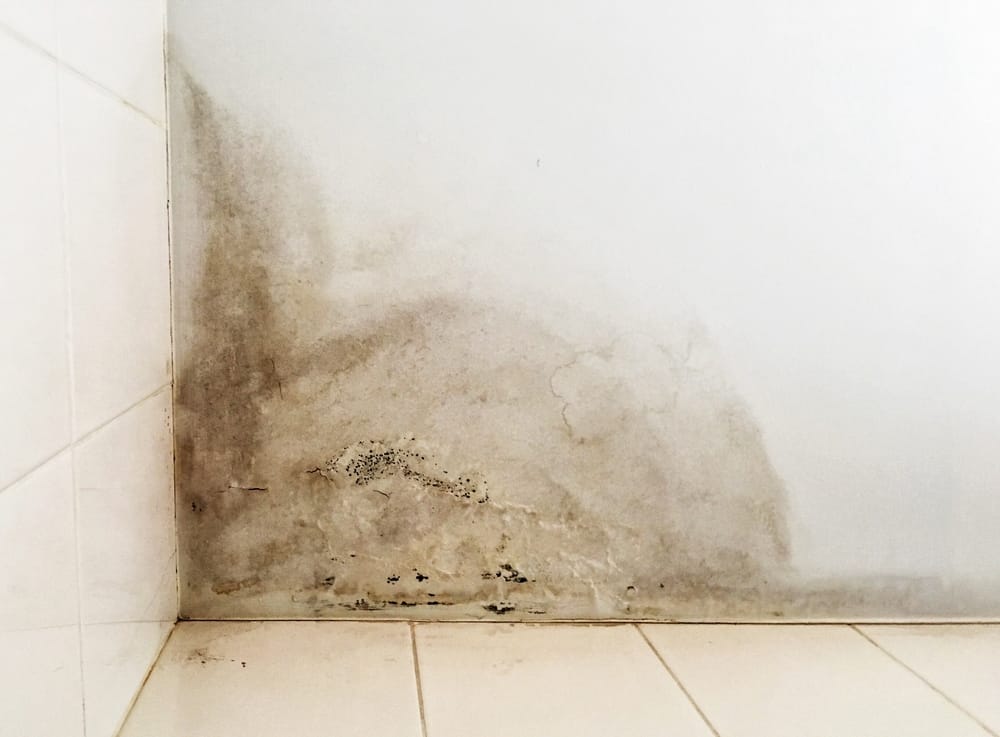
When mold gets handled properly, you stop managing symptoms and start living normally again. No more musty smell in the basement. No more mystery coughs that spike every winter. No more dreading what’s behind that wall you’ve been meaning to open up.
South Huntington’s housing stock is a big part of why mold is so common here. The post-war homes along West Hills Road and throughout the Route 110 corridor were built with wood-frame attics and concrete block basements that weren’t designed with today’s humidity levels in mind. Add Long Island’s humid summers and the moisture that builds up when heating systems push warm air into cold attic spaces every fall, and you’ve got near-ideal conditions for mold to grow quietly for years before anyone notices.
The other thing worth knowing: mold doesn’t wait. Once moisture gets in — whether from a slow pipe leak, a backed-up drain, or a heavy nor’easter — spores can start colonizing new surfaces within 48 to 72 hours. Getting it handled fast and handled right the first time is what protects your family and your home’s value. With property taxes running close to $7,000 a year in this area, the last thing you want is a mold problem dragging down what you’ve built here.
We’ve been working on Long Island homes since the early 1990s — long before most of the companies showing up in your search results today even opened their doors. That’s not a throwaway line. It means our technicians have been inside hundreds of homes built during the same post-war boom that shaped South Huntington’s neighborhoods. We know what the attics look like, how the basements are built, and where moisture tends to hide in houses of this era.
We’re based in West Babylon and serve both Nassau and Suffolk Counties — this is our backyard, not a territory we dispatch to from a call center three states away. Our team is IICRC-certified and fully licensed under New York State’s Article 32 mold remediation law. Every job is done by people who are accountable to this community, not a franchise quota.
When families near Walt Whitman High School or along the Northern State Parkway corridor in South Huntington call us, they’re not getting a crew that’s guessing. They’re getting people who’ve seen this before — in this area, in homes like theirs.
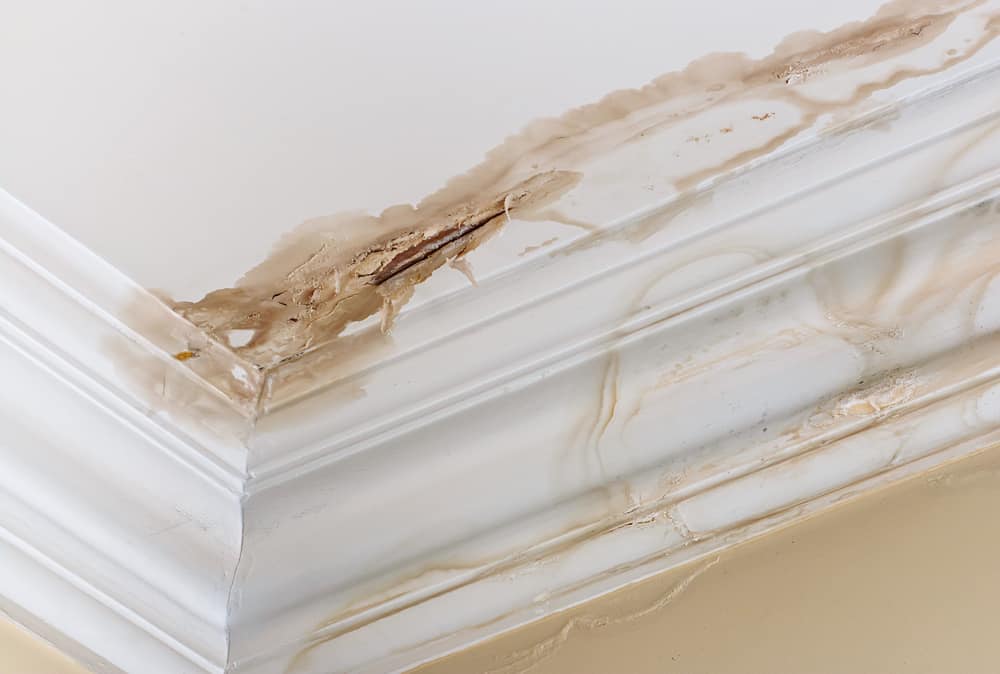
It starts with a thorough inspection. Before anything gets touched, we identify where the mold is, how far it’s spread, and what’s feeding it. In South Huntington’s older homes, that usually means checking the attic first — especially if you’ve had any condensation issues or noticed staining on ceilings — and then the basement, where hydrostatic pressure from the area’s clay-heavy soil pushes moisture against foundation walls year after year.
Once we know the full scope, we contain the affected area using negative air pressure and physical barriers to make sure mold spores don’t travel to other parts of your home during removal. This step matters more than most people realize. Without proper containment, the remediation process itself can spread spores through your HVAC system or into adjacent rooms. We don’t skip it.
From there, we remove all mold-affected materials, treat the area, and run HEPA air scrubbers to restore safe air quality. Because New York State’s Article 32 law requires that post-remediation clearance testing be done by an independent assessor — not the same company that did the work — we coordinate that process for you so you get the third-party documentation confirming your home is clean. You won’t be left wondering if it’s actually done.
Ready to get started?
The calls we get most often from South Huntington homeowners fall into a few consistent categories. Attic mold is at the top of that list. When warm air from your living space rises into a poorly ventilated attic and hits cold roof decking in the fall and winter, condensation forms and mold follows. Most homeowners don’t find it until they’re listing the house or doing a renovation. We handle attic mold removal in South Huntington completely — not just a surface treatment, but full removal of affected materials and a look at the ventilation issue that caused it.
Basement mold removal is the other call we take constantly in this area. Finished or not, basements in South Huntington take on moisture — from the soil, from aging plumbing, from storm runoff after a heavy rain on Route 25 or along the Northern State Parkway. If water got in and sat for more than a day or two, mold is likely already growing somewhere you can’t see.
We also handle bathroom mold removal, crawl space mold removal, and toxic mold cleanup for situations involving black mold or other aggressive growth. And because mold rarely travels alone, we provide full water damage restoration as part of the same job — so you’re not coordinating two separate contractors during an already stressful situation.
The honest answer is that it depends on where the mold is, how much area it covers, and whether there’s water damage involved. For smaller, contained problems — a bathroom ceiling or a section of drywall — you’re typically looking at somewhere in the $800 to $2,000 range. Mid-size jobs, like a portion of a basement or a section of attic, usually run $2,500 to $7,500. Larger projects involving a full attic or significant basement remediation can range from $7,000 to $22,000 or more depending on scope.
One thing specific to New York State that affects your total: Article 32 of the NY Labor Law requires that mold assessment and post-remediation clearance testing be done by a licensed assessor who is separate from the remediation contractor. That testing typically adds $650 to $1,500 to the overall project cost, but it’s also what gives you documented, third-party proof that the mold has been fully removed. It’s not optional, and any contractor telling you otherwise is either misinformed or not operating legally.
Sometimes — and the distinction matters a lot. If mold developed as a direct result of a sudden, covered event — a burst pipe, storm damage, an appliance that failed unexpectedly — there’s a reasonable chance your homeowners policy will cover at least part of the remediation. If the mold is the result of long-term moisture buildup, a slow leak that went unaddressed, or general neglect, most policies won’t cover it.
The key is documentation from the start. How the damage is reported, what photos are taken, and how the timeline is established can significantly affect whether your claim gets approved. We work directly with insurance carriers and document everything the way adjusters need to see it. That matters more than most homeowners realize until they’re already in the middle of a claim and scrambling to pull together paperwork after the fact.
The most common signs in South Huntington homes are a persistent musty smell that’s worse in certain rooms or times of year, visible staining on ceilings that might look like a water stain but keeps coming back, or allergy and respiratory symptoms in family members that improve when they’re out of the house for a few days. None of these are definitive on their own, but together they’re a strong signal.
In this area specifically, attic mold is one of the most frequently missed problems because most homeowners don’t go up there regularly. The post-war wood-frame attics common in South Huntington’s housing stock are particularly prone to condensation-driven mold growth during fall and winter, when heating systems push warm, moist air upward and it meets cold roof decking. Basements are the other common blind spot — especially finished ones where mold can grow behind drywall or under carpet for months before it becomes visible. If you’re unsure, a professional inspection is always worth it before a small problem becomes a major one.
Yes, and it’s worth understanding before you hire anyone. New York State’s Article 32 of the Labor Law has required all paid mold remediation contractors to hold a valid license from the NYS Department of Labor since January 1, 2016. There are three license tiers: mold assessor, mold remediation contractor, and mold abatement worker — and each has its own requirements.
There’s also a conflict-of-interest rule built into the law that protects you as a homeowner: the company performing the mold assessment cannot be the same company performing the remediation on the same project. This separation exists specifically to prevent contractors from inflating the scope of work. Post-remediation clearance testing must also be done by an independent, licensed assessor. If a contractor is offering to handle assessment, remediation, and clearance all under one roof without disclosing this separation, that’s a red flag. Always ask to see a contractor’s Article 32 license number before any work begins.
Mold spores can begin colonizing a new surface within 48 to 72 hours of a moisture event — and Long Island’s humid climate means the conditions for growth are almost always present once water gets in. A basement that floods during a nor’easter or a heavy spring rain, a pipe that leaks behind a wall over a weekend, a roof that lets water into an attic after a storm — any of these can become a serious mold problem within three days if they’re not addressed.
This is why response time matters so much. The longer water sits, the deeper it penetrates into building materials, and the more surface area mold has to work with. What might be a contained remediation job on day one can become a full attic or basement gut on day five. We’re available 24 hours a day, seven days a week, specifically because waiting until Monday morning is often the difference between a manageable problem and a much larger one.
“Mold removal” is the common term people search for, but “mold remediation” is the more accurate description of what a proper job actually involves. True removal — scrubbing a surface or spraying bleach — only addresses what’s visible. Remediation means identifying the source of moisture, containing the affected area to prevent spore spread, physically removing mold-affected materials, treating the space, running HEPA air scrubbers to clean the air, and verifying through independent testing that the job is complete.
The reason this distinction matters for South Huntington homeowners specifically is that the mold problems most common in this area — attic condensation mold, basement moisture mold in older concrete block walls, mold behind finished drywall — are almost never surface-level issues. They’re structural moisture problems that require a full remediation approach, not a spray-and-wipe. A surface treatment might make the visible mold disappear temporarily, but if the moisture source isn’t addressed and the affected materials aren’t properly removed, it comes back — usually worse. What you actually need is remediation done by a licensed contractor under New York State’s Article 32 requirements, with independent clearance testing at the end to confirm the work is done.
Useful Links
Other Services we provide in South Huntington