
Hear from Our Customers
Mold removal in Water Mill, NY isn’t just about cleaning up what you can see. It’s about making sure the air your family breathes is safe, the structure of your home is intact, and the problem doesn’t come back next winter when the house sits empty again. That’s the real outcome — not just a clean surface, but a property that’s actually clear.
Water Mill’s coastal position changes everything about how mold behaves here. The marine air rolling in off Mecox Bay keeps ambient humidity elevated year-round, and when a home is closed up from October through Memorial Day with the HVAC off, that moisture has nowhere to go. It works its way into attic framing, crawl spaces, and wall cavities — quietly, for months — until you walk in and realize something went wrong while you were gone.
For properties along Mecox Road, Flying Point Road, or anywhere south of Montauk Highway where bay exposure is constant, this isn’t a one-time risk. It’s a recurring condition that needs real remediation — not a bleach wipe-down, not a surface treatment. When we handle mold removal correctly, you get your property back in a state you can actually feel confident about, whether you’re using it yourself, renting it out, or preparing it for sale in one of the most scrutinized real estate markets in the country.
We’ve been operating across Nassau and Suffolk Counties since before most of the current competition existed. That’s not a throwaway line — 31 years in a referral-driven market means the work holds up, the pricing is honest, and we don’t cut corners on jobs where cutting corners eventually shows.
Our team is IICRC-certified under the S520 Standard for Professional Mold Remediation and fully licensed under New York State’s Article 32 mold remediation requirements — the law that’s been in effect since 2016 and that too many contractors still ignore. Every job is documented, every remediation plan is written before work begins, and post-remediation clearance testing is part of the process — not an upsell.
Water Mill properties — from historic homes along the Montauk Highway corridor to newer estates on the Mecox Bay waterfront — get treated with the level of care those investments require. We know Water Mill, we know the South Fork, and we have the credentials to prove it.
It starts with a thorough inspection — not a quick walkthrough, but a real assessment using moisture sensors, air sampling equipment, and direct visual examination of the areas most likely to harbor hidden growth. In Water Mill homes, that means attic spaces with inadequate ventilation, crawl spaces beneath bay-facing additions, finished basements in estate properties, and HVAC systems that have been sitting idle for months. The inspection tells you what you’re actually dealing with before any work begins.
From there, we develop a written remediation plan. Under New York State’s Article 32 law, the assessor and the remediation contractor must be separate parties — so if any company is offering to assess and remediate without disclosing that, that’s a red flag worth knowing about. We operate in full compliance with that requirement, and the written plan spells out exactly what will be done, where, and at what cost. No estimate that quietly doubles once the walls come open.
Remediation itself involves containment of the affected area, removal of mold-impacted materials, HEPA filtration, treatment of structural surfaces, and controlled drying. Once the work is complete, clearance testing confirms the air quality meets acceptable standards — something especially important if you’re preparing a Water Mill property for summer rental, a real estate transaction, or simply want documentation that the job was done right.
Ready to get started?
Mold removal in Water Mill, NY covers a wider range of situations than most homeowners expect when they first call. Attic mold removal is one of the most common requests on the South Fork — older homes along the Montauk Highway corridor with original wood framing and limited ventilation are especially vulnerable to condensation-driven mold growth during the winter months when the house is unoccupied. Crawl space mold removal is equally common, particularly in properties with ground-level moisture migrating through original masonry foundations or improperly sealed vapor barriers.
Basement mold removal, bathroom mold removal, and HVAC-related mold cleanup are all part of what we handle — and because we provide full-service restoration beyond mold remediation alone, water damage that’s driving the mold growth gets addressed at the same time. That matters in a market like Water Mill where a single moisture event — a burst pipe, a roof leak, post-storm flooding near Mecox Bay — rarely shows up as just one problem.
For homeowners dealing with a mold issue tied to a real estate transaction, we provide the documentation that buyers’ attorneys and mortgage lenders require: a written remediation plan, a chain of custody for air samples, and post-clearance testing results. Toxic mold cleanup, safe mold removal for occupied properties, and commercial mold removal for Water Mill’s small business corridor along Montauk Highway are all within scope. One call covers it.
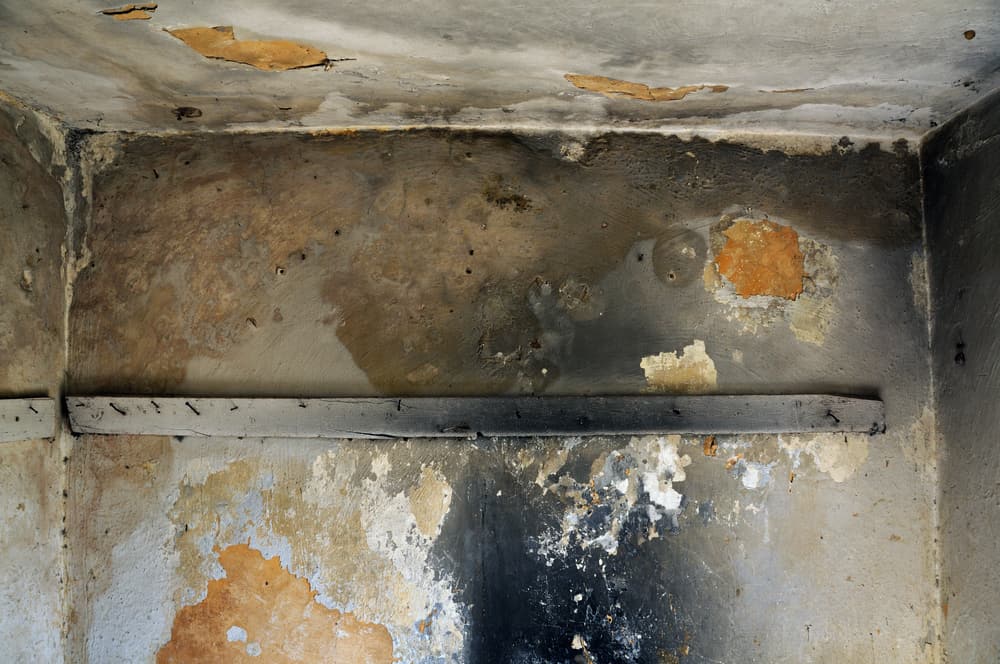
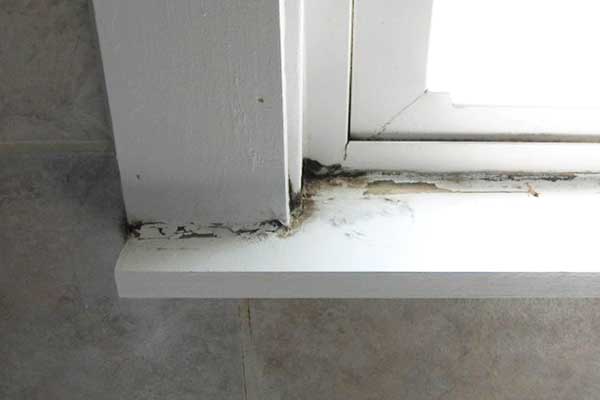
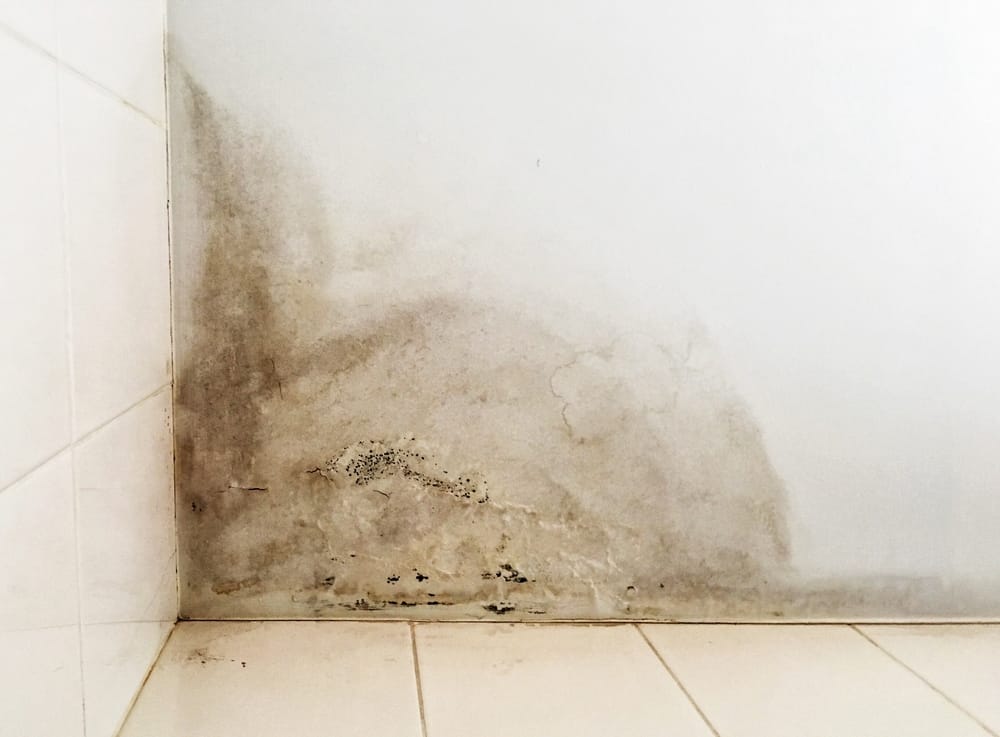
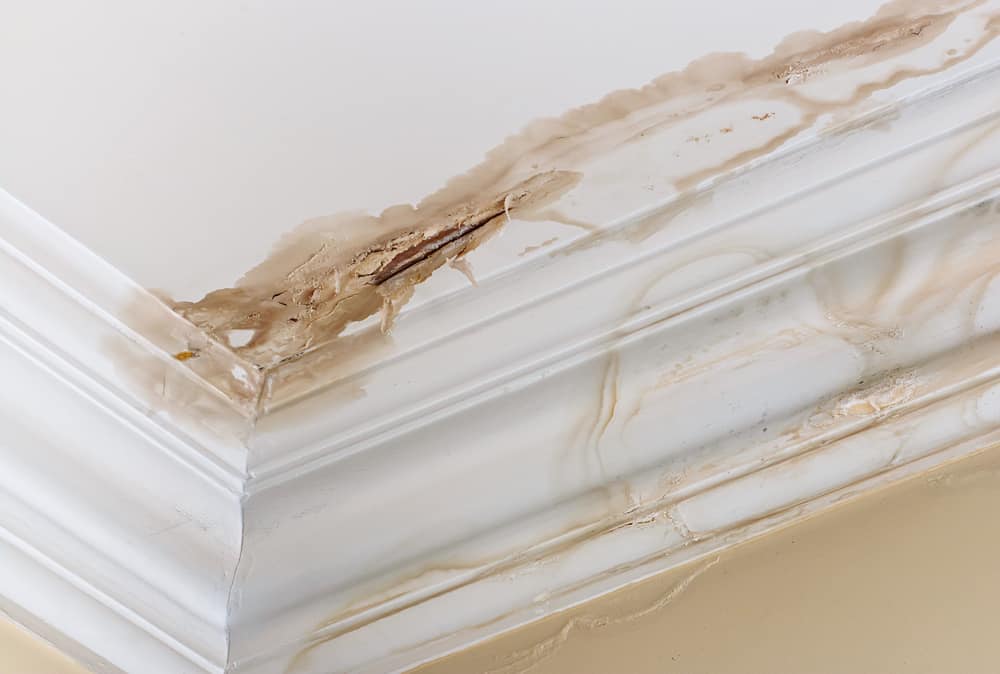
The most common sign is a musty smell when you first open the property — that distinct earthy odor that hits you in the attic, the basement, or a room that’s been closed off since fall. You might also notice discoloration on ceilings or walls, warping around window frames, or visible dark spots on wood surfaces in the crawl space. What you won’t always notice is the mold that’s grown inside wall cavities or beneath insulation, which is exactly why a professional inspection matters more than a visual check.
In Water Mill specifically, the risk window runs from roughly October through May — the months when most seasonal properties are closed and the HVAC system isn’t running. Without active air conditioning, there’s no dehumidification happening, and the marine air from Mecox Bay and the surrounding pond systems keeps moisture levels elevated even indoors. If your property sits south of Montauk Highway with bay exposure, or if you had any roof issues, ice dam activity, or plumbing concerns over the winter, a mold inspection before you fully open the house for the season is worth doing proactively.
The process for black mold removal — typically referring to Stachybotrys chartarum — follows the same IICRC S520 framework as other mold remediation, but the containment and safety protocols are more stringent because Stachybotrys produces mycotoxins that require more careful handling. It grows in areas with sustained, heavy moisture — not just humidity, but prolonged water saturation — which means it’s most commonly found in Water Mill properties that experienced a significant water event that went unaddressed for an extended period.
The older wood-frame homes along the Montauk Highway corridor are particularly susceptible because original framing lumber, once it stays wet long enough, creates the ideal substrate. If you’re seeing dark, slimy growth rather than the lighter, powdery mold more common in bathroom tile grout or attic sheathing, don’t disturb it. Disturbing Stachybotrys without proper containment can spread spores throughout the property. Call for a professional assessment first, get air sampling done, and let the remediation plan dictate how the work proceeds.
Nationally, residential mold remediation typically runs between $1,223 and $3,754 for a contained, moderate-scope job. Attic mold removal tends to land between $1,000 and $4,000; basement and crawl space mold removal often runs $1,500 to $6,000 or more depending on the extent of growth and the materials involved. In Water Mill, where estate-scale properties have large crawl spaces, finished basements, and complex attic systems, the upper end of those ranges is more common than the lower end.
What actually drives cost is scope — how far the mold has spread, what materials need to be removed, whether structural drying is required, and whether the moisture source itself needs to be addressed before remediation can hold. A proper inspection tells you what you’re dealing with before you commit to anything. We provide a written estimate before work begins, and that estimate is the number you pay — not a starting point for a conversation that ends higher.
It depends on the cause. Most standard homeowners’ insurance policies will cover mold remediation if the mold resulted directly from a covered peril — a burst pipe, storm damage, or sudden water infiltration. What they typically won’t cover is mold that developed from ongoing neglect, chronic moisture, or a slow leak that wasn’t reported and addressed promptly. For seasonal properties in Water Mill that sit unoccupied for months, this distinction matters a lot: if a slow roof leak went undetected from November to April and mold developed as a result, coverage can be complicated.
If your property carries flood insurance through the National Flood Insurance Program — common for Mecox Bay–area properties in FEMA-designated Special Flood Hazard Areas — post-flooding mold remediation may be separately covered, but documentation is critical. We work directly with insurance carriers, help document damage in the format adjusters require, and can guide you through what your policy is likely to cover. Getting that documentation right from the start is what protects your claim.
It depends on the location and extent of the mold. Small, contained areas — a bathroom, a single closet, a section of attic with no HVAC connection — can often be remediated with proper containment barriers while the rest of the property is occupied. Larger jobs, particularly those involving basement mold removal or crawl space mold removal where spore counts in the air are elevated, typically require temporary relocation from the affected areas, and sometimes from the property entirely, depending on air sampling results.
For Water Mill homeowners managing summer rental schedules, this timing question is especially practical. If you’re opening your property in May and discover mold before your first rental guests arrive in late June, there’s usually a workable window — but it requires acting immediately, not waiting. The remediation timeline depends on the scope of work, drying time, and clearance testing results. We’ll give you a realistic timeline during the assessment so you can plan around your rental calendar or family schedule.
New York State requires all mold remediation contractors to hold a valid license under Article 32 of the NY Labor Law — this has been the law since January 1, 2016. You can verify any contractor’s license through the NY State Department of Labor’s online database before you hire anyone. The license must also be displayed at the worksite once work begins. If a company can’t produce their Article 32 license when asked, that’s your answer.
Beyond licensing, look for IICRC certification under the S520 Standard — it’s the industry’s most recognized credential for professional mold remediation and signals that the company’s technicians have been trained to a defined, auditable standard. In Water Mill, where properties are high-value and the real estate market demands documented remediation for transactions, working with an unlicensed or uncertified contractor creates real legal and financial exposure. Ask for the license number, verify it, ask about IICRC certification, and make sure a written remediation plan is provided before any work starts. Those three things filter out most of the risk.
Useful Links
Other Services we provide in Water Mill