
Hear from Our Customers
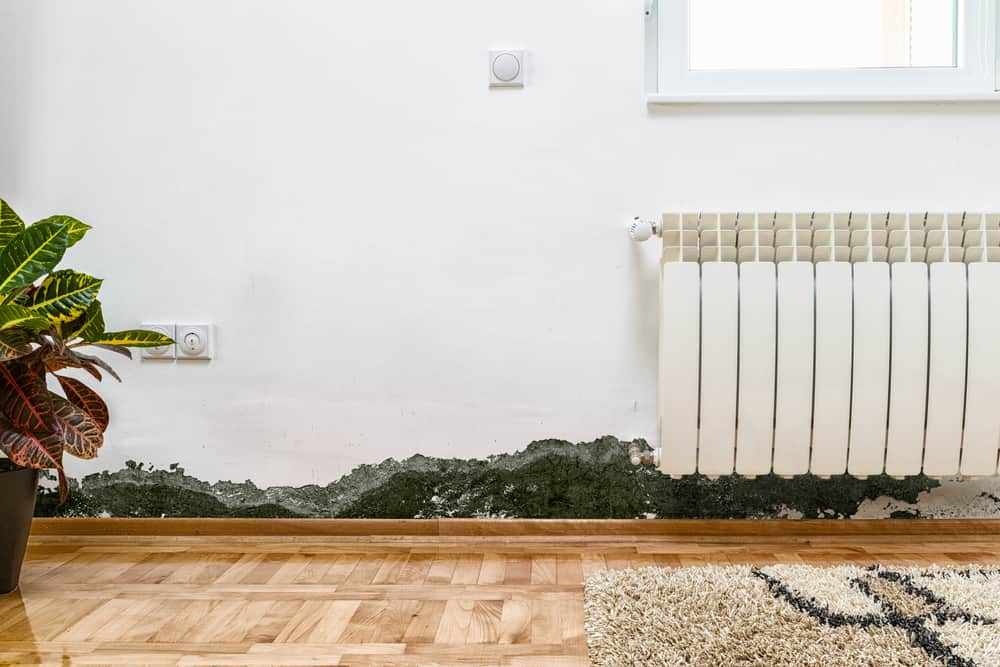
Finding mold is unsettling. Finding out it was missed the first time is worse. What you actually need is documented proof — lab results, clearance testing, and a written scope of work that tells you exactly what was found, where it was, and what was done about it. That’s what professional mold remediation should deliver. Not a flashlight walk-through and a verbal estimate.
Glen Head’s housing stock is a big part of why this matters. A lot of homes here were built in the 1940s through the 1970s, which means crawl spaces, older plumbing, and roofing systems that have had decades to develop slow leaks. Add in the humidity that rolls in from Hempstead Harbor and the dense tree canopy that keeps roofs shaded and slow to dry after a storm — and you’ve got conditions that produce mold problems quietly, often in places you can’t see.
When the remediation is done right, you get your house back. You get air that doesn’t feel off. You get documentation that holds up with your insurance company and protects your home’s value in the North Shore real estate market. With median home values in Glen Head approaching $851,000, the difference between a documented remediation and an undocumented one is not a minor detail — it’s the difference between a home that sells and one that doesn’t.
We’ve been serving Nassau and Suffolk County homeowners for close to three decades. That’s not a marketing line — it means we’ve worked through every nor’easter, every post-storm flooding event, and every summer humidity spike that has hit the North Shore since the late 1990s. We know what Hempstead Harbor air does to a crawl space. We’ve restored homes in Glen Cove, Sea Cliff, Roslyn, and throughout Glen Head and the Town of Oyster Bay.
What separates us isn’t just longevity. Every technician who walks through your door is individually IICRC certified — not just our company as a whole. Whoever shows up at your Glen Head home has passed rigorous, standardized industry training. They arrive with air movers, dehumidifiers, and moisture monitors already on the truck, ready to start the moment they get there.
We have a reputation to protect in a community where accountability matters. That’s built into how we work.
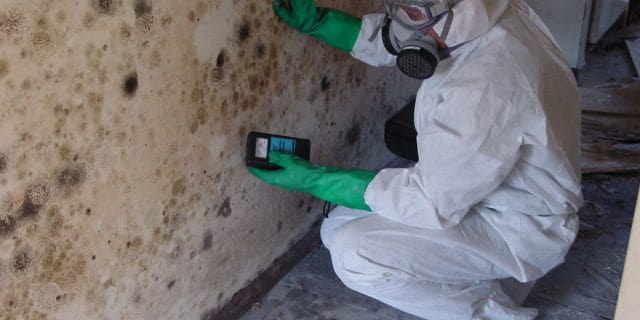
It starts with a 13-point mold inspection — not a quick scan, but a thorough assessment that includes air testing, swab sampling, infrared imaging to find mold behind walls and inside attic cavities, and moisture level measurements throughout the affected areas. You’ll have written lab results back within 2 to 3 business days. That documentation matters whether you’re navigating an insurance claim, preparing for a real estate transaction, or just trying to understand the full scope of what you’re dealing with.
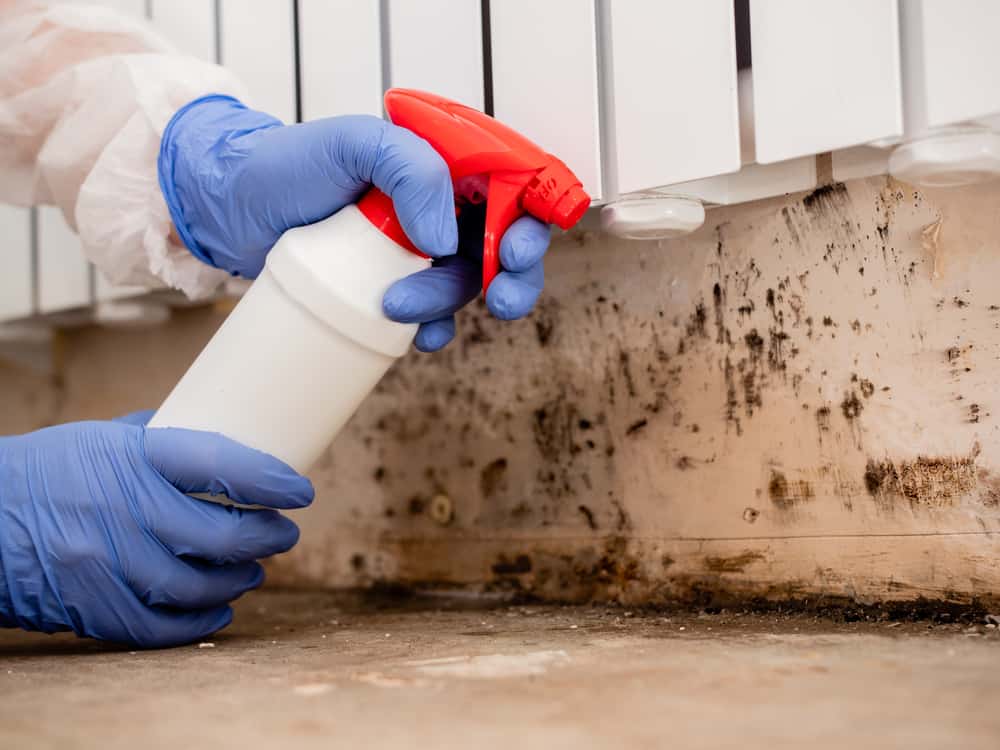
Once the inspection is complete, remediation begins with containment. The affected area is isolated to prevent mold spores from spreading to other parts of your home during the process. Then we identify and address the source of the moisture — because mold that comes back is almost always the result of skipping that step. In Glen Head, that often means tracing the problem back to a crawl space with inadequate vapor barriers, an attic with poor ventilation under a shaded roof, or a basement that took on water during a heavy rain event.
After remediation, post-clearance testing confirms the air quality meets safe standards before the job is closed out. If building materials — drywall, insulation, subfloor — need to be replaced, we handle the reconstruction in-house. One company, start to finish. Any structural work is permitted through the Town of Oyster Bay Building Department, and we know that process.
Ready to get started?
Mold remediation in Glen Head covers more ground than most homeowners expect going in. It’s not just cleanup — it’s inspection, containment, source correction, remediation, air quality verification, and reconstruction if needed. Every step is documented. Every result is written down. That’s what a complete job looks like.
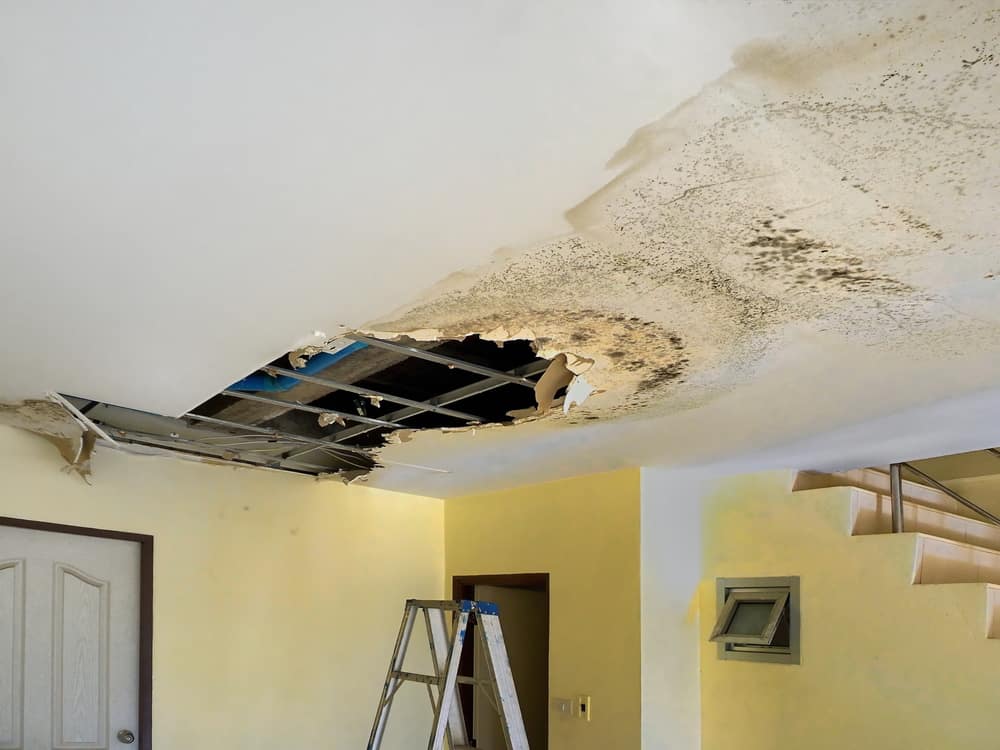
Attic mold is one of the most common hidden problems on the North Shore, and Glen Head is no exception. The mature tree canopy throughout the area keeps roofs shaded and slow to dry, which accelerates moisture buildup in attic spaces — especially in homes where ventilation hasn’t been updated since the original build. Crawl space mold is the other major issue here. We’ve worked on Glen Head properties where crawl spaces flooded every time it rained heavily, creating the kind of persistent moisture environment where mold takes hold fast. Both of these are areas we inspect specifically, using infrared technology to find what the naked eye misses.
Black mold remediation follows the same documented, containment-first process. The health concern is real — particularly for families with children who are home more hours than they might otherwise be. We offer emergency mold remediation around the clock, because when a storm drops several inches of rain in a matter of hours, waiting until Monday morning is not an option. Mold growth starts within 48 hours of water intrusion. The faster the response, the smaller the scope of the problem.
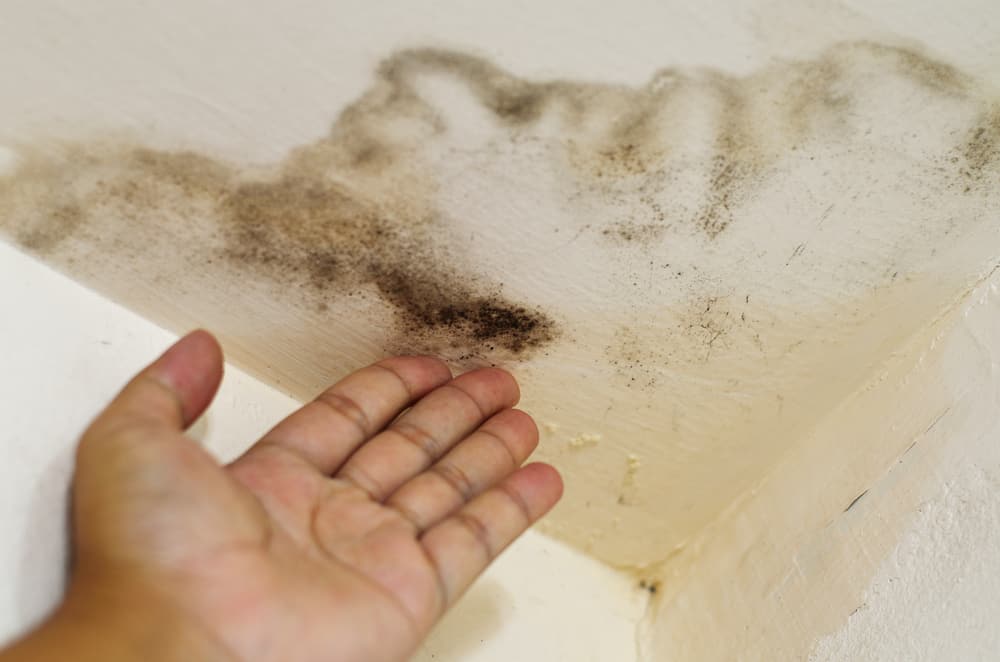
The national average for mold remediation runs around $2,300, but that number moves significantly depending on where the mold is, how far it’s spread, and what materials need to be removed and replaced. In Glen Head, where homes tend to be larger and older — many built between the 1940s and 1970s with crawl spaces, original plumbing, and aging roofing — the scope of a project can be more involved than in a newer construction suburb.
Attic and crawl space remediation, which are among the most common issues on the North Shore, can range from a few thousand dollars for a contained problem to significantly more if the moisture source has been active for a long time without being caught. Whole-house infestations involving multiple areas can run $10,000 to $30,000 or higher. The most honest thing we can tell you is that cost depends on the inspection findings — which is exactly why a thorough, documented 13-point inspection with lab results matters before any number gets put on paper.
It depends on the cause. Most homeowners insurance policies in New York will cover mold remediation if it resulted directly from a covered peril — like a burst pipe, an appliance leak, or storm-driven water intrusion. What they typically won’t cover is mold that developed from long-term neglect, a slow leak that went unaddressed, or general humidity buildup over time.
For Glen Head homeowners, storm-related mold claims are particularly relevant. When a major rain event hits the North Shore and water gets into a basement or crawl space, that’s the kind of event that can support a claim if it’s documented properly and quickly. That’s where written lab results, a detailed scope of work, and a company that knows how to communicate with adjusters makes a real difference. We provide that documentation as a standard part of the process, not an add-on.
Mold removal is exactly what it sounds like — physically taking mold out. Remediation is the full process: finding it, containing it, removing it, treating the affected surfaces, identifying and fixing the moisture source that caused it, and verifying through post-clearance air testing that the environment is safe. Removal without remediation is like treating a symptom without addressing what caused it.
In a community like Glen Head, where homes sit in a coastal humidity environment and many have older construction details that create recurring moisture pathways, surface-level mold removal is a short-term fix. If the crawl space vapor barrier isn’t addressed, if the attic ventilation isn’t corrected, or if the drainage issue that let water into the basement in the first place isn’t resolved — the mold comes back. Real mold remediation fixes the environment, not just the visible growth.
In many cases, yes — but it depends on where the mold is, how extensive it is, and whether you or anyone in your household has respiratory sensitivities or a compromised immune system. For a contained crawl space or attic remediation, most homeowners can remain in the home while work is done, because the affected area is isolated through proper containment protocols that prevent spores from moving into living spaces.
For more extensive remediation involving multiple rooms, HVAC contamination, or black mold in a central area of the home, temporary relocation is often the safer call — especially for families with young children or anyone with asthma or allergies. We’ll give you a straight answer on this during the inspection phase, based on what’s actually found — not a blanket recommendation either way.
The honest answer is that you often don’t — not without a professional inspection. Crawl spaces and attics are the two most common locations for hidden mold in Glen Head homes, and they’re also the two areas most homeowners never look at closely. A musty smell in the house that you can’t trace to a visible source is one of the most reliable early indicators. Unexplained allergy symptoms that improve when you’re away from home for a few days is another.
In Glen Head specifically, the combination of Hempstead Harbor humidity, older housing construction, and the dense tree canopy that keeps roofs shaded and slow to dry creates above-average risk in both spaces. A crawl space that takes on water during heavy rain — even a small amount — can develop mold within 48 hours if the moisture isn’t removed. Infrared imaging during a professional inspection can detect moisture behind walls and inside structural cavities that would be completely invisible otherwise. That’s the only way to know for certain what’s actually there.
Yes, and it’s worth knowing before you hire anyone. New York State passed a law in 2016 that requires mold assessors and mold remediators to hold separate licenses issued by the NYS Department of Labor. More importantly, the law prohibits the same company from performing both the mold assessment and the mold remediation on the same property. That separation exists specifically to protect homeowners from a conflict of interest — where the company doing the inspection also profits from finding or exaggerating a problem.
This law matters in Glen Head because the “free inspection” model, where a company offers a no-cost assessment and then produces a high-dollar remediation estimate, is one of the most documented scams in this industry. Knowing the law exists — and asking any contractor directly whether they operate in compliance with it — is the single most practical step you can take to protect yourself before anyone sets foot in your home. We operate in full compliance with New York State licensing requirements, and we’ll tell you exactly how the assessment and remediation process is structured before any work begins.
Useful Links
Other Services we provide in Glen Head