
Hear from Our Customers
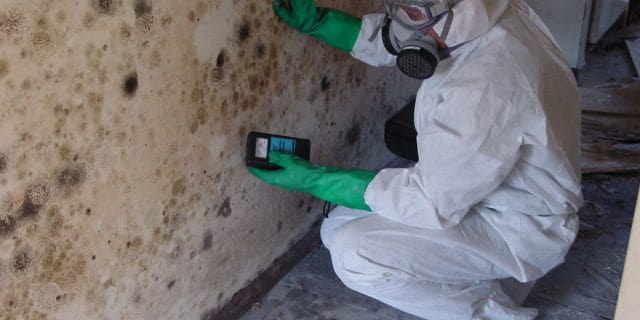
Living on a peninsula surrounded by Manhasset Bay, Little Neck Bay, and the Long Island Sound means your Great Neck home faces moisture pressure that most Nassau County properties simply don’t. When a storm rolls through or a pipe fails inside a wall that’s been there since the 1920s, water finds its way in — and within 48 hours, mold follows. The air smells different. The basement feels damp. And somewhere behind the drywall or under the floor, a problem is growing that you can’t see yet.
Once that mold is properly remediated — not just wiped down, but fully removed with containment, HEPA filtration, and lab-verified clearance — the difference is immediate and lasting. The musty odor is gone. The air quality improves. And if you’re managing a home worth close to a million dollars or more, you now have the written documentation to prove your property is clean — which matters enormously whether you’re staying, selling, or filing an insurance claim.
Great Neck’s older housing stock adds another layer to this. Pre-war homes in Great Neck Estates, Kings Point, and throughout the peninsula were built with materials and ventilation systems that weren’t designed for modern moisture management. Professional mold remediation in Great Neck, NY isn’t just about cleaning up what’s visible — it’s about finding what’s hidden, fixing the source, and making sure it doesn’t come back.
We’ve been serving Long Island homeowners since the late 1990s. That means we were already operating when many of Great Neck’s current residents were buying their first homes on the peninsula. We’ve worked in Tudor Revival estates in Kings Point, in colonials throughout Great Neck Estates, and in the homes lining the quieter streets of University Gardens and Harbor Hills. We know this area, its housing stock, and its specific water and mold challenges.
What sets us apart from most mold remediation companies in Nassau County is how we staff our crews. Every technician who enters your home holds individual IICRC certification — not just the company as a whole. That distinction matters when the home being protected is worth seven figures. You’re not getting a certified company with uncredentialed workers. You’re getting certified people doing certified work, start to finish.
We also handle the full scope — inspection, remediation, and reconstruction — so you’re not coordinating between three different contractors after the fact. One company, one point of accountability, one job done right.

It starts with a 13-point inspection — not a flashlight walkthrough and a verbal estimate. We use air testing, swab sampling, infrared imaging, and moisture measurement to map exactly where the mold is, where moisture is present, and what’s causing it. Lab results come back within 2 to 3 business days, and everything is documented in writing. For Great Neck homeowners managing a real estate transaction or an insurance claim, that paper trail isn’t optional — it’s the whole point.
Once the scope is confirmed, remediation begins with full containment. Affected areas are isolated, negative air pressure is established, and HEPA filtration is running before any physical work starts. Building materials that can’t be saved — drywall, insulation, framing — are removed and disposed of properly. Antimicrobial treatment is applied to all affected surfaces. Then clearance testing confirms the space is clean before anything is closed back up.
Worth noting for Great Neck specifically: because the peninsula includes nine incorporated villages — each with its own village government — reconstruction work following remediation may require building permits from your specific village, whether that’s Kings Point, Great Neck Estates, or the Village of Great Neck itself. We’re familiar with how this works and can help you navigate it. The job isn’t done until the space is restored, documented, and ready for you to use again.
Ready to get started?
Mold remediation in Great Neck, NY covers more ground than most homeowners expect — because the conditions here create more entry points for moisture than a typical inland suburb. Basement mold remediation addresses hydrostatic pressure from saturated soil pushing water through aging foundation walls, which is a recurring issue in the lower-lying areas of the peninsula after heavy rain. Crawl space mold remediation handles the vapor and condensation buildup that plagues homes without proper moisture barriers — especially in older construction. Attic mold remediation targets the poor ventilation common in pre-war homes, where trapped moisture condenses on roof sheathing and goes unnoticed for years.
Emergency mold remediation is available 24 hours a day, 7 days a week. Every truck arrives fully equipped — air movers, dehumidifiers, moisture monitors — so the work begins on arrival, not after a second dispatch. For Great Neck homeowners who commute to Manhattan via the LIRR Port Washington Branch and are away from the property during the day, that rapid-response capability matters. A flood or pipe failure discovered at midnight doesn’t wait until morning.
Beyond cleanup, we provide full mold damage repair and reconstruction when building materials need to be replaced. That means custom millwork, hardwood flooring, and historically significant architectural elements in Great Neck’s older estates are handled with care — not treated like a standard suburban drywall job. From the first inspection through final clearance testing, every step is documented and delivered in writing.
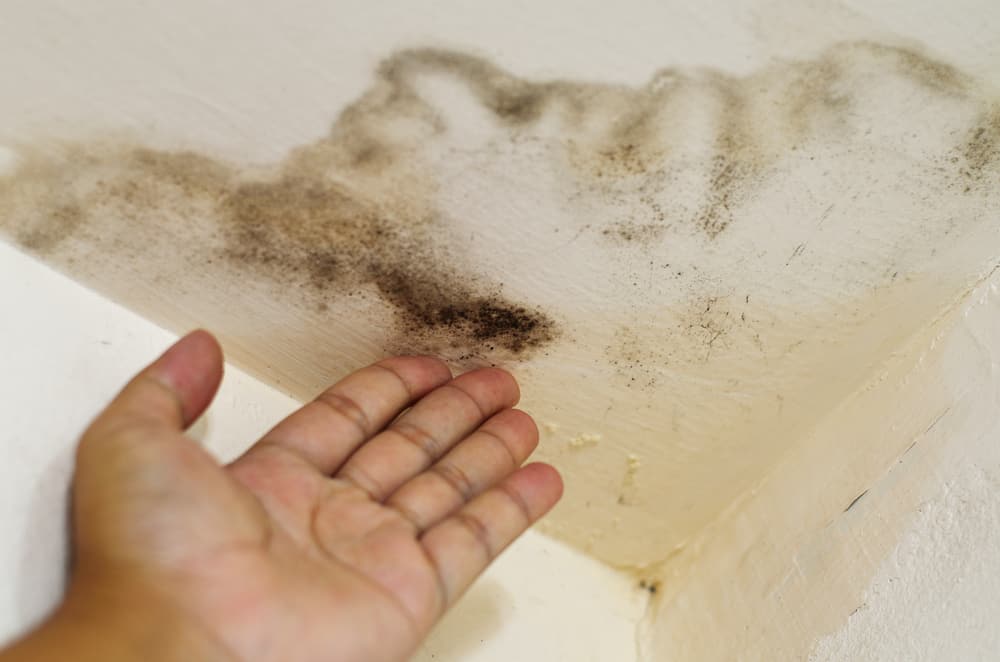
Mold can begin growing within 48 hours of water intrusion — sometimes faster in warm, humid conditions. On the Great Neck peninsula, where summer humidity regularly climbs above 60% and the area is flanked by Manhasset Bay and Little Neck Bay, the conditions after a storm or a plumbing failure are often ideal for rapid mold growth. The longer water sits in a basement, crawl space, or inside a wall cavity, the more established the mold colony becomes — and the more building material has to be removed to remediate it fully.
This is why the 48-hour window the EPA recommends for addressing water damage isn’t just a guideline — it’s the difference between a contained remediation and a major reconstruction project. If you’ve had any flooding, a pipe failure, or even persistent dampness in a basement or crawl space, getting a professional assessment done quickly is the most cost-effective decision you can make. We offer 24/7 emergency response specifically because mold doesn’t wait for business hours.
Mold removal suggests you can eliminate every mold spore from a space — which isn’t realistic, because mold spores exist naturally in the air everywhere. Mold remediation is the accurate term for what a professional actually does: bringing mold levels back to a normal, safe range through containment, removal of affected materials, HEPA filtration, antimicrobial treatment, and clearance testing that confirms the job is complete.
The distinction matters practically, not just technically. A company that promises complete mold “removal” may be overselling what’s possible. What you actually need — and what we deliver — is a documented process that eliminates the active mold colony, addresses the moisture source that caused it, and verifies through lab testing that the space is safe. In a home valued at close to or above a million dollars in Nassau County, that verification in writing is what protects your investment and gives you something to show a buyer, an insurer, or a lender.
It depends on the cause. Most standard homeowners insurance policies in New York will cover mold remediation if it’s the direct result of a covered peril — a burst pipe, a storm-related roof leak, or sudden water damage. What they typically won’t cover is mold that developed gradually from ongoing moisture issues like a slow leak that went unaddressed, chronic basement dampness, or poor ventilation over time.
For Great Neck homeowners, this distinction is worth understanding before you file a claim. The peninsula’s older housing stock — many homes dating to the 1920s and 1930s — often has aging plumbing and roofing that can develop slow leaks over years. If the mold is tied to long-term neglect rather than a sudden event, insurers may push back. Having a professional inspection with documented lab results and a clear timeline of the water intrusion is your strongest tool when navigating a claim. Our written inspection report gives you exactly that documentation.
No — and this is actually a matter of state law. New York State passed a mold law in 2016 that prohibits the same company from both assessing a property for mold and performing the remediation on that same property. The law exists to prevent a conflict of interest where a company exaggerates findings during an inspection to generate remediation work for itself.
What this means for you practically is that you’ll need a licensed mold assessor to perform the inspection and deliver a report, and then a separate licensed mold remediation contractor to do the actual cleanup and clearance testing. We operate as a remediation contractor and work within this legal framework. If you’ve already had an independent assessment done, we can take it from there. If you haven’t, we can point you toward the right next step. In a community of professionals who research their service providers carefully, understanding this law — and working with a company that complies with it — is a meaningful protection.
The national average for mold remediation runs roughly $1,200 to $3,700 for a typical project, with a common midpoint around $2,300. In Great Neck, you should expect those numbers to run higher — and for good reason. Homes here are larger, older, and more architecturally complex than the average Long Island property. Pre-war estates in Kings Point or Great Neck Estates may have original plaster walls, custom millwork, and structural elements that require more careful, skilled work than a standard drywall replacement. Labor costs in Nassau County also trend above national averages.
For whole-home remediation in a larger Great Neck property, costs can range from $10,000 to $30,000 or more depending on the extent of the contamination, the number of affected areas, and how much reconstruction is needed after materials are removed. The most accurate way to understand your specific cost is through a proper inspection — not a ballpark estimate over the phone. What’s worth keeping in mind is that in a market where the median home value approaches or exceeds a million dollars, the cost of professional remediation is a fraction of what an unresolved mold problem can cost you at resale.
If the moisture source isn’t fixed, yes — it can come back. This is the most common reason homeowners end up calling a second company after a first remediation didn’t hold. Treating the mold without addressing what caused it is like patching a roof without fixing the leak. The mold clears temporarily, the moisture continues, and within months you’re dealing with the same problem again.
Our remediation process starts with identifying and resolving the underlying moisture source — whether that’s a foundation crack letting in groundwater, an attic with inadequate ventilation trapping condensation, or a crawl space without a proper vapor barrier. On the Great Neck peninsula, where coastal humidity is elevated year-round and many homes have aging infrastructure that wasn’t designed with modern waterproofing in mind, that moisture-source focus isn’t just a best practice — it’s the only approach that actually works long-term. Clearance testing after remediation confirms the space is clean, and the written documentation gives you a baseline to reference if any concern comes up in the future.
Useful Links
Other Services we provide in Great Neck