
Hear from Our Customers
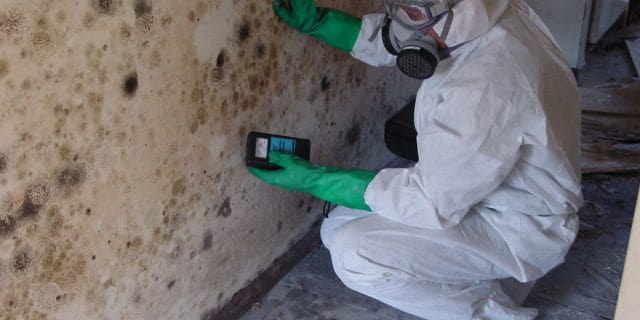
Mold doesn’t just look bad. It affects how your home smells, how your family breathes, and — in a market like Jericho — how much your property is actually worth. A confirmed mold problem can reduce a home’s resale value by 20% to 37%. On a home valued at $950,000, that’s a potential loss of nearly $200,000 to $350,000. That’s what Nassau County real estate data shows.
Most of Jericho’s residential neighborhoods were built during the post-war suburban boom of the 1950s and 1960s — split-levels and ranch homes that predate modern moisture barriers, vapor retarders, and proper attic ventilation standards. Combine that with Nassau County’s summer humidity regularly climbing past 60% — the threshold where dormant mold spores in building materials activate — and you have conditions that are genuinely accelerated compared to drier parts of the country. What might take three days to develop elsewhere can happen in under 36 hours here.
When remediation is done right, you get your home back. Not just visually — structurally. The air quality improves. The underlying moisture source is gone. And you have written documentation, lab results, and clearance testing that protects your investment whether you’re staying for another twenty years or listing it next spring.
First Response Restoration and Cleaning Inc. has been serving Nassau and Suffolk County homeowners since the mid-1990s. That means we were working in Jericho homes long before most of today’s franchise locations existed, and we’ll be here long after the next one opens and closes.
Every technician who walks through your door holds individual IICRC certification. Not the company — the person doing the work. That distinction matters more than most people realize, and it’s the standard we’ve held since day one. We’re also fully compliant with New York State’s 2016 mold law, which requires separation between assessment and remediation — a protection that exists specifically because of industry fraud, and one we’re happy to explain to any homeowner who asks.
We know Jericho. We know the post-war housing stock along the Route 25 corridor, the drainage challenges that come with the LIE’s Exit 40 area during heavy storms, and what the Town of Oyster Bay’s building department requires when structural work follows a remediation. This is our backyard. We treat it that way.
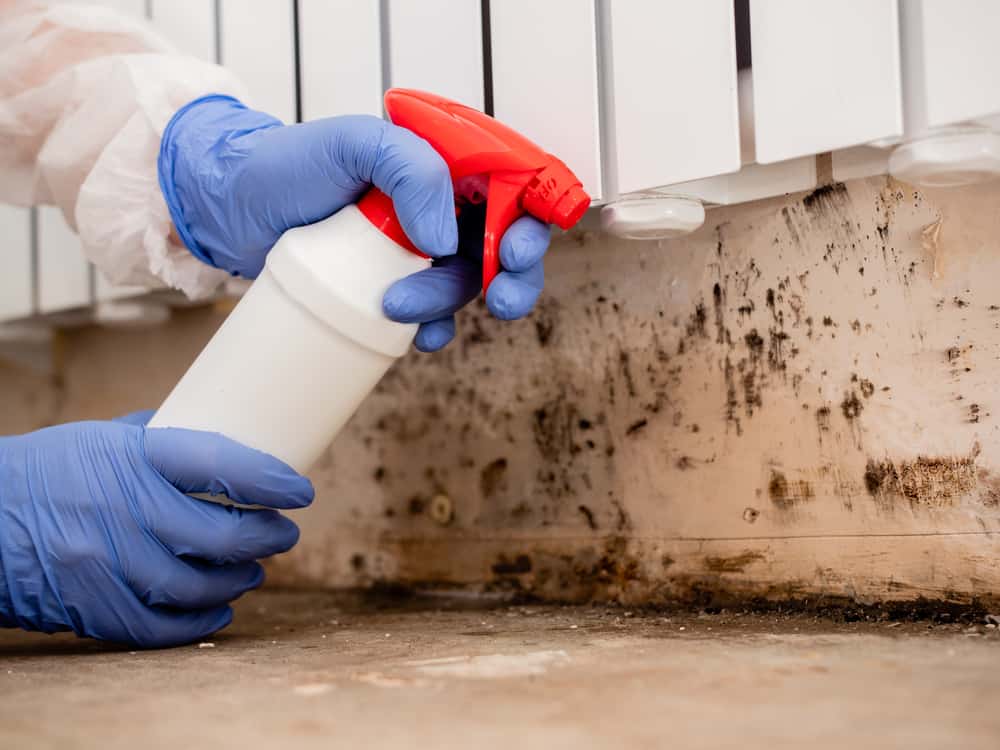
We start with a 13-point mold inspection. That means air testing, swab sampling, moisture level readings, infrared imaging to find mold hiding behind walls or above ceilings, and a written report with lab results delivered within 2 to 3 business days. You’ll know exactly what you’re dealing with, where it is, and how bad it actually is — not just what someone eyeballed on a walkthrough.
From there, remediation follows a structured protocol: containment of the affected area, HEPA filtration to capture airborne spores, removal of contaminated materials, and treatment of the underlying surfaces. Critically, we identify and address the moisture source before we close anything up. In Jericho’s older homes — many with aging plumbing, worn rooflines, and crawl spaces that were never designed with modern moisture management in mind — skipping that step is how mold comes back in three months.
Once remediation is complete, we don’t hand you a bill and leave you with open walls. We handle the rebuild — drywall, insulation, whatever was removed — so your home is restored, not just treated. If permits are required through the Town of Oyster Bay, we know that process too. You get one point of contact from start to finish.
Ready to get started?
The most common mold locations in Jericho homes are basements, crawl spaces, and attics — and that’s no coincidence. The split-level and ranch homes built here in the 1950s and 1960s weren’t designed with today’s ventilation or moisture control standards. Basements in these homes often have minimal waterproofing. Attics frequently lack adequate airflow. And crawl spaces — when they exist — are among the most neglected areas in any home inspection.
Basement mold remediation typically involves addressing water intrusion from foundation walls or floor seams, removing affected framing or drywall, treating the concrete substrate, and improving drainage or vapor barrier conditions before sealing everything back up. Attic mold remediation usually traces back to inadequate ventilation or a roof leak — both common in homes along the older residential streets north and south of Jericho Turnpike. We handle both, along with crawl space mold remediation, black mold remediation, and emergency mold remediation for situations where water damage has already occurred and the clock is running.
Every job includes post-remediation clearance testing and written documentation — the kind of paper trail that matters when you’re dealing with a Nassau County insurance claim, a real estate transaction, or simply want proof the job was done correctly. If reconstruction is needed, we do that too. One company, complete accountability.
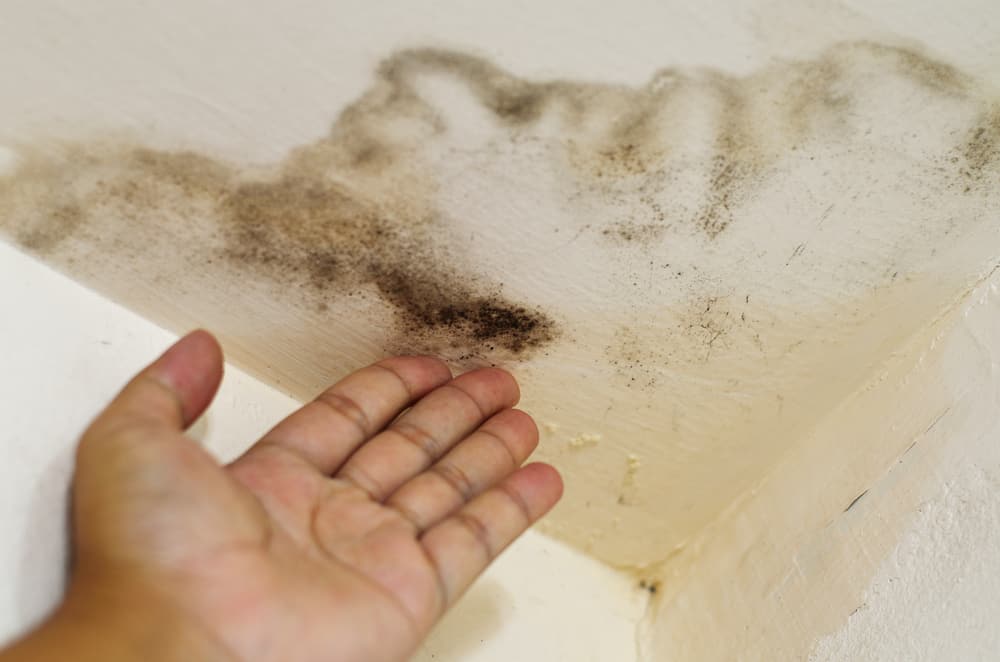
The honest answer is that it depends on how much mold there is, where it’s located, and whether the underlying moisture source has caused additional structural damage. For most residential jobs — a single affected room, a section of basement wall, or a localized attic issue — costs typically fall somewhere between $1,500 and $6,000. Larger infestations involving multiple areas or long-term hidden mold can run higher, sometimes into the $10,000 to $15,000 range for whole-house situations.
In Jericho specifically, the age of the housing stock is a factor. Homes built in the 1950s and 1960s often have conditions — aging plumbing, older rooflines, crawl spaces without modern vapor barriers — that make moisture intrusion more likely and sometimes harder to trace. The sooner a problem is caught and addressed, the more contained the remediation scope tends to be. Waiting typically means a larger affected area and a higher cost. If you’re dealing with a known water event or you’ve noticed musty odors that won’t go away, getting an inspection done quickly is almost always the more cost-effective path.
It depends on the cause of the mold, and that distinction matters a lot. If mold developed as a direct result of a sudden, covered water event — a burst pipe, an appliance failure, storm-related roof damage — most standard homeowners policies will cover at least a portion of the remediation cost. If the mold is the result of long-term moisture buildup, poor ventilation, or deferred maintenance, coverage is typically denied.
Nassau County homeowners tend to carry significant coverage on high-value properties, and the documentation process matters more than most people expect. Insurance companies want to see written inspection reports, lab results, photos, and a clear timeline connecting the water event to the mold growth. That’s exactly what our 13-point inspection produces. We’ve worked with Nassau County homeowners and their insurance providers for nearly 30 years, and we know what adjusters look for and how to make sure the claim is submitted correctly the first time.
The short answer is moisture — but the source of that moisture varies more than most people realize. In Jericho’s post-war homes, the most common culprits are foundation walls that allow groundwater seepage during heavy rain, aging sump pumps that fail during nor’easters or summer storms, slow plumbing leaks behind walls that go unnoticed for months, and crawl spaces that have no vapor barrier between the soil and the structure above.
Nassau County’s summer humidity compounds all of it. When outdoor humidity regularly climbs above 60% — which it does throughout June, July, and August — that moisture moves into basements and crawl spaces through the building envelope. Older homes weren’t built to resist it the way modern construction is. The result is that mold can begin developing in as little as 36 hours after a moisture event in Long Island’s climate, faster than the national average. If your basement smells musty after a rainy stretch or you’ve noticed discoloration on lower walls, that’s worth taking seriously — not ignoring until the next inspection.
Mold removal sounds like the whole job, but it’s really just one part of it. Removing visible mold — wiping it off a surface, cutting out a section of drywall — doesn’t address the spores that have already spread through the air, the contamination that may have penetrated deeper into building materials, or the moisture source that caused it in the first place. Without addressing those things, mold typically returns.
Mold remediation is the complete process: containment to prevent spores from spreading during the work, removal of contaminated materials, treatment of affected surfaces, HEPA air filtration, moisture source identification and correction, and post-remediation clearance testing to confirm the environment is back to a normal, safe level. In a Jericho home where you’re protecting both your family’s health and a property worth close to a million dollars, remediation — not just removal — is the only approach that actually solves the problem. Anything less is a temporary fix that will cost more in the long run.
It depends on the size and location of the affected area. For smaller, contained jobs — a section of basement wall or a single bathroom — many homeowners stay in the house without issue, as long as the containment barriers are properly set and HEPA filtration is running. For larger infestations, particularly anything involving HVAC systems or multiple rooms, temporarily relocating during the active remediation phase is usually the safer and more practical choice.
We’ll give you a straight answer on this during the inspection, based on what we actually find — not a blanket policy. Jericho families with school-age children at home, or households where someone has respiratory sensitivities, should factor that into the decision as well. The containment protocols we follow under the IICRC S520 standard are designed to protect the rest of the home during the process, but every situation is different and we’d rather give you an honest recommendation than a convenient one.
A few things to look for. First, check that the company — and ideally the individual technicians — hold current IICRC certification. That’s the industry’s most recognized standard for mold remediation, and it means the people doing the work have been trained on proper containment, safety, and clearance protocols. Second, verify that the company is licensed through the New York State Department of Labor, which maintains a searchable database of licensed mold assessors and remediators.
Third — and this one is important — New York State’s 2016 mold law prohibits the same contractor from both assessing your mold problem and performing the remediation on the same property. If a company offers you a free inspection and an immediate remediation quote in the same visit, that’s a red flag. The law exists because that model was being used to inflate findings and generate unnecessary work. A legitimate company will be transparent about their licensing, their process, and how they comply with state law. If they’re not, keep looking.
Useful Links
Other Services we provide in Jericho