
Hear from Our Customers
The air feels different. You stop second-guessing whether that musty smell in the basement is something to worry about. Your kids are sleeping in a house you know is clean — and that matters more in Syosset than almost anywhere else, because families here didn’t choose this school district to spend nights wondering about air quality.
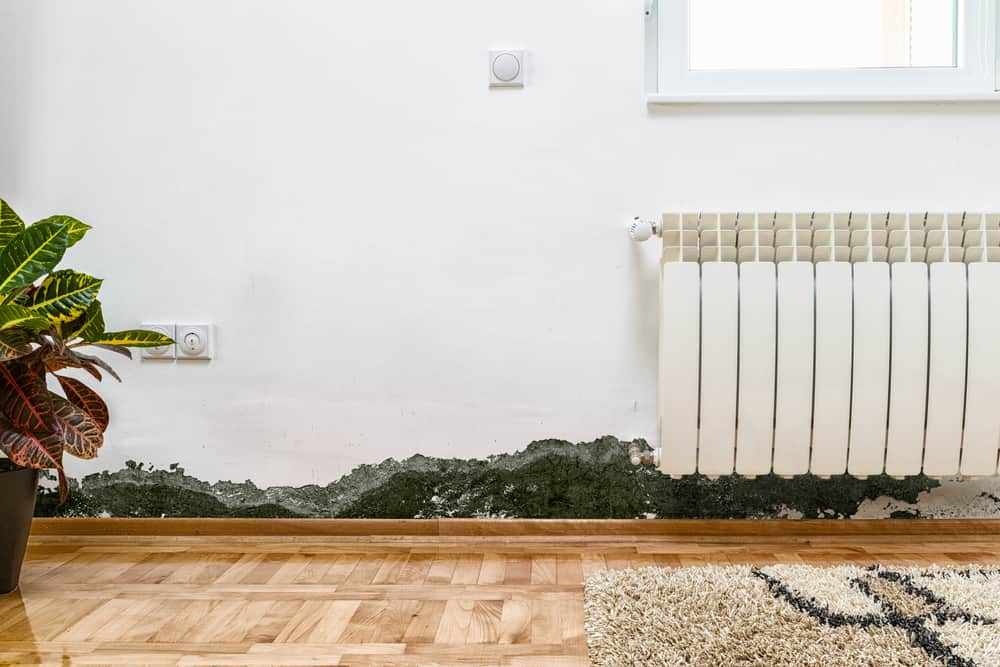
Syosset’s north side is particularly vulnerable. The older homes on those heavily wooded lots — settled earlier, built differently — sit on soil that holds moisture longer than most. Add in the high water table that local restoration companies specifically flag as a basement flooding driver in this area, and you have conditions that are almost designed to produce mold problems. Getting ahead of it isn’t overcautious. It’s just smart property ownership.
When remediation is done right, you also protect the asset itself. Mold discovered during a pre-sale inspection in a market where homes go pending in about 21 days can derail a transaction fast. A documented, professionally completed remediation — with lab-backed results — keeps your timeline intact and gives buyers nothing to walk away from.
We’ve been serving Nassau County homeowners for nearly 30 years, and that means we’ve worked in the older colonials off Route 25A in Syosset, the wooded properties near Muttontown, and the newer builds south of the LIE. We know what Long Island homes look like from the inside, and we know what moisture does to them over time.
Every technician who shows up at your door holds individual IICRC certification under the S520 Standard — the governing standard for mold-damaged structures. Not just our company name on the truck. Every person on the crew. That distinction matters when you’re handing someone the keys to a property in the Syosset Central School District catchment area, where protecting your home isn’t just personal — it’s financial.
We’re available 24/7, arrive fully equipped, and handle everything from initial remediation through full reconstruction. One call, one company, start to finish.
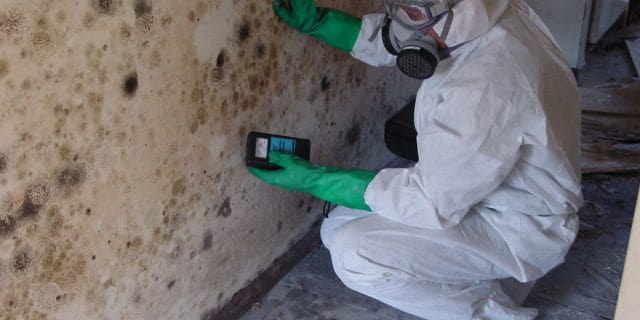
It starts with a thorough inspection — not a visual walk-through, but a 13-point assessment that includes air testing, swab sampling, moisture level measurement, infrared scanning for hidden mold, and internal versus external mold particle comparison. Within 2 to 3 business days, you receive a written report with lab results. That’s the document your insurance adjuster, real estate attorney, or prospective buyer will actually need — not a verbal opinion from someone who looked around for 20 minutes.
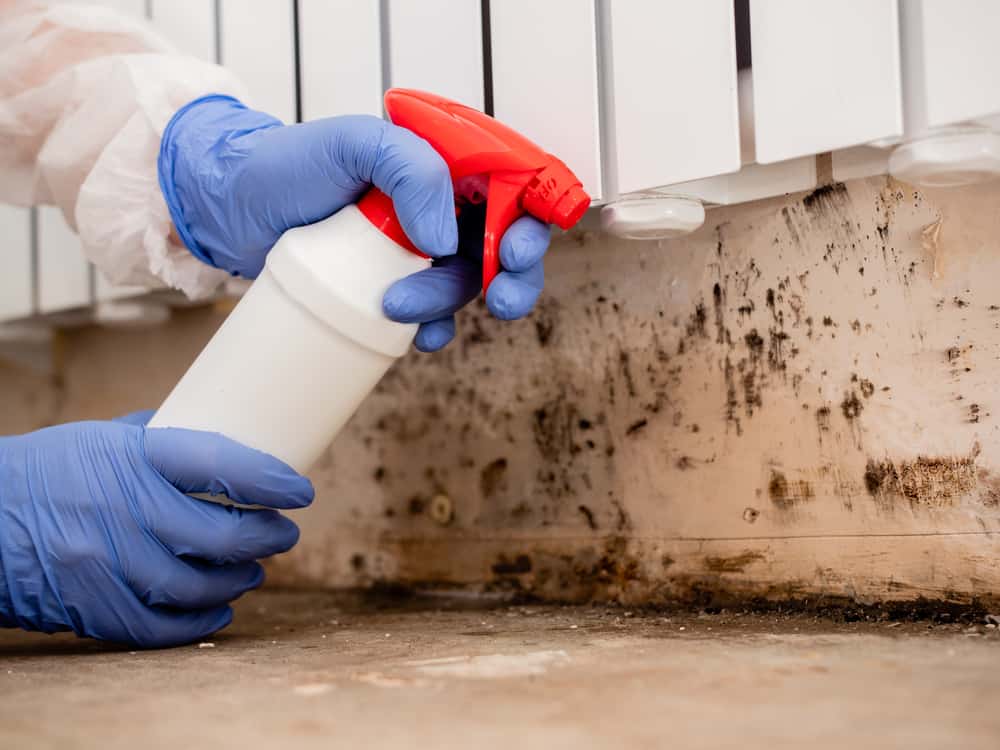
From there, the remediation itself follows IICRC S520 protocols: containment to prevent cross-contamination, HEPA filtration, removal of affected materials where necessary, and treatment of surfaces. In Syosset’s older north-side homes, that often means addressing spaces that haven’t been properly inspected in years — crawl spaces, attic cavities with inadequate ventilation, and basement walls where hydrostatic pressure from the water table has been pushing moisture through for a long time.
New York State law requires that the company doing the assessment and the company doing the remediation be separate entities — a consumer protection rule that exists because the “free inspection” scam was real and widespread. We operate in full compliance with that law. After remediation is complete, post-remediation clearance testing confirms the job is done. Then, if materials need to be rebuilt — drywall, insulation, framing — we handle that too, so you’re not coordinating a second contractor on top of everything else.
Ready to get started?
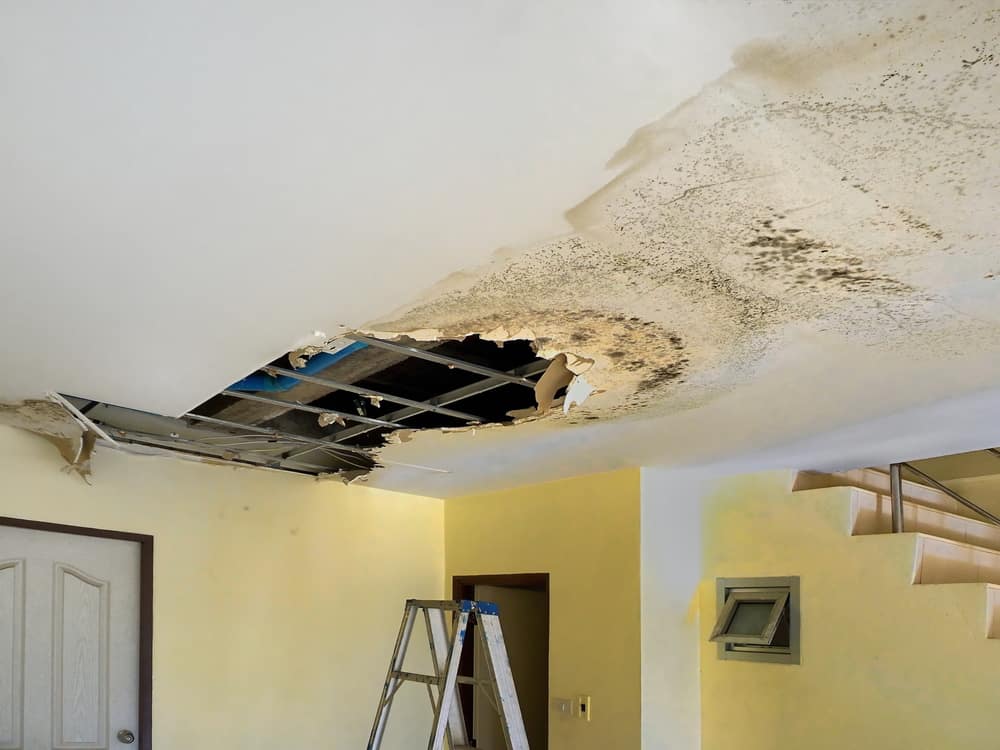
Basement mold remediation in Syosset gets the most attention — and for good reason, given the water table conditions here — but it’s far from the only place mold takes hold. Attic mold is common in the older north-side homes where ventilation was never designed to handle modern insulation loads. Warm air rises, hits the cold roof deck in winter, condenses, and sits. It’s quiet, invisible, and by the time you smell it, it’s been there a while.
Crawl space mold remediation is another area where Syosset homeowners tend to be caught off guard. The “out of sight, out of mind” approach to crawl spaces is understandable — but those spaces directly affect the air quality and structural integrity of the living areas above them. We handle black mold remediation, attic mold remediation, crawl space work, and post-storm water damage response — all of it documented with the same lab-backed reporting standard.
For homeowners in the 11791 ZIP code — whether you’re in Syosset proper, Muttontown, Laurel Hollow, or Oyster Bay Cove — our service area, response time, and process are the same. Emergency mold remediation is available around the clock, because a burst pipe or storm event in February doesn’t wait for a weekday morning.
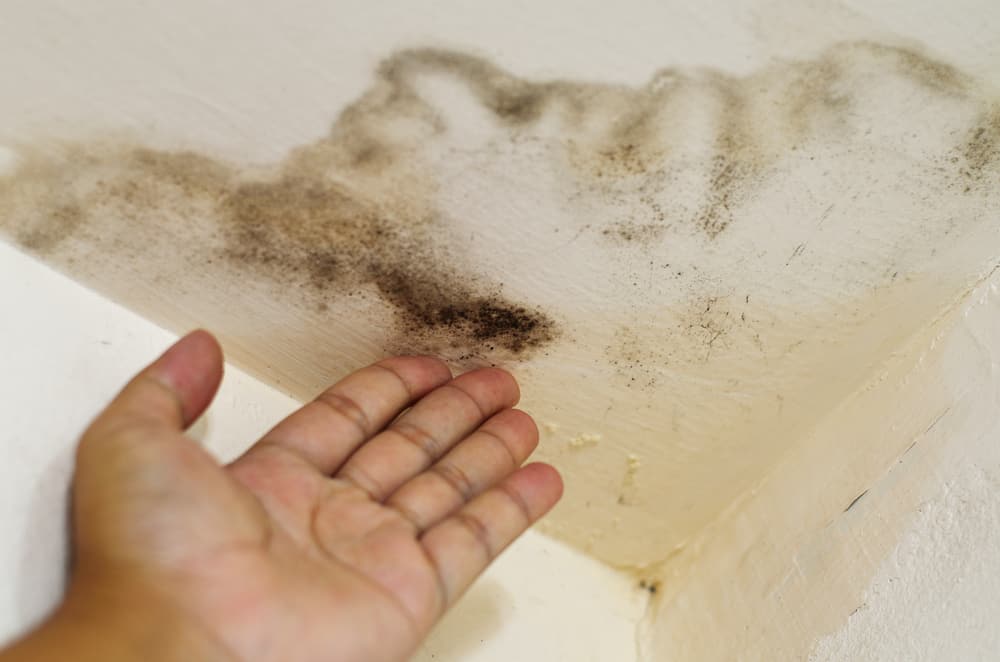
Yes, and it’s not a minor factor. Local restoration companies that specifically serve Syosset call out the high water table as one of the primary drivers of basement flooding and moisture intrusion in this area. The issue isn’t just storm events — hydrostatic pressure from a high water table can push moisture through basement walls and floors even when there’s been no rain and no plumbing failure. That chronic, low-level dampness is exactly the condition mold needs to establish itself.
In Syosset’s older north-side homes — where original foundation construction wasn’t designed with modern moisture management in mind — this problem compounds over time. You may not see standing water. You may not even notice a smell right away. But if your basement walls feel damp to the touch, if efflorescence (that white mineral residue) is appearing on the concrete, or if the humidity down there feels heavier than the rest of the house, those are signs worth having us evaluate before it becomes a remediation project instead of a prevention conversation.
The range is wide because the scope varies significantly. For a contained, single-area problem — a section of basement wall, a bathroom with a slow leak behind the tile — professional remediation typically runs somewhere between $1,200 and $3,800. Larger situations involving multiple rooms, attic cavities, or whole-house contamination can reach $10,000 to $30,000 or more, particularly when building materials need to be removed and replaced.
In Syosset, where median home values sit above $1 million and property taxes run $10,000 or more annually, the financial calculus is straightforward. Deferred remediation doesn’t get cheaper — it gets bigger. Mold that’s left to spread requires more containment, more material removal, and more reconstruction. If it surfaces during a pre-sale inspection in a market this competitive, the cost isn’t just the remediation bill — it’s the negotiating leverage you hand the buyer, or the deal you lose entirely. Getting a professional assessment early is almost always the less expensive path.
No — and this is worth understanding before you call anyone. New York State passed a law in 2016 specifically prohibiting the same company from both assessing a mold problem and performing the remediation. The law exists because the “free mold inspection” model had become a documented scam: companies would conduct the assessment, exaggerate the findings, and then sell the remediation. Separating those two functions was a direct consumer protection response to that pattern.
What this means practically is that you should be skeptical of any company in Syosset or anywhere in New York that offers to inspect and remediate under the same roof. The state also licenses mold assessors and mold remediators separately — you can verify any company’s license status through the New York State Department of Labor’s database. We operate in full compliance with this law. Our remediation work follows an independent assessment, which means the scope of work is based on objective findings — not on what generates the largest job.
Mold removal implies taking away what’s visible. Mold remediation means addressing the problem at its source — identifying why mold grew there, eliminating the moisture condition that allowed it, removing affected materials where necessary, and verifying through post-remediation testing that the environment is back to a normal, safe baseline. One is a surface fix. The other is an actual solution.
The distinction matters most in homes like the ones common on Syosset’s north side, where moisture issues are structural and ongoing rather than the result of a single event. If the remediation process doesn’t identify and address the underlying water intrusion or humidity condition — whether that’s a foundation crack, an attic ventilation problem, or hydrostatic pressure from the water table — the mold will return. It may take a season, it may take two, but it will come back. Remediation that doesn’t fix the source isn’t remediation. It’s a delay.
It’s more common than most homeowners expect, and the cause is almost always inadequate ventilation combined with the way older homes were built. In Syosset’s north-side housing stock — the earlier-settled, heavily wooded properties that define that part of the community — attics were often designed before modern insulation standards existed. When you add insulation without addressing airflow, you create a situation where warm, moist air from the living space rises into the attic, meets the cold roof deck in winter, and condenses. That moisture sits on the wood sheathing and rafters, and mold follows.
The tree canopy on the north side also plays a role. Dense overhead coverage keeps the surrounding environment more humid, slows evaporation, and reduces the natural drying that sunlight provides. It’s a beautiful neighborhood characteristic — and it’s also a contributing factor to attic moisture retention. If your home was built before 1980 and hasn’t had an attic inspection in the last few years, it’s a reasonable thing to have looked at, especially if you’ve noticed higher-than-expected heating costs or any soft spots in the ceiling.
It depends on the source of the moisture, and the answer is often more nuanced than a simple yes or no. Most standard homeowners insurance policies in New York will cover mold remediation when it results directly from a covered peril — a burst pipe, an appliance failure, a storm that causes sudden water intrusion. What they typically won’t cover is mold that developed from a long-term leak, gradual seepage, or a maintenance issue the insurer can argue you should have caught earlier.
This is where documentation becomes critical. Insurance adjusters require written scope of work, laboratory results, and professional assessment to process a mold-related claim. Without that paper trail, claims get denied or reduced. We provide the documentation that adjusters actually need — not a verbal summary, but a lab-backed written report that clearly establishes the scope, the source, and the remediation performed. For Syosset homeowners with high-value properties and complex policies, having that documentation in hand from the start puts you in a significantly stronger position when the claim conversation happens.
Useful Links
Other Services we provide in Syosset