
Hear from Our Customers
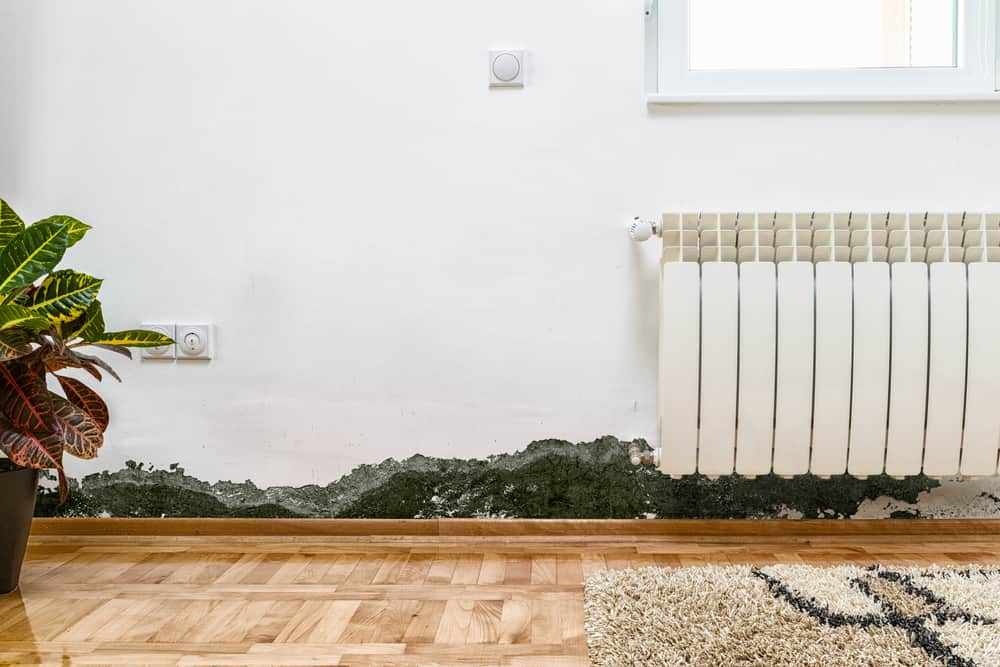
There’s a difference between a property that looks fine and one that actually is. Mold doesn’t always show itself on the surface — it grows inside wall cavities, underneath flooring, in crawl spaces, and inside HVAC systems that sat dormant all winter. When it’s properly removed and the moisture source is corrected, you’re not just getting a cleaner home. You’re getting one that’s safe to be in, easier to sell, and not going to hand you the same problem six months from now.
For Bridgehampton homeowners, that matters more than most places. Properties south of Montauk Highway face persistent coastal humidity from the Atlantic and Mecox Bay year-round — the kind of ambient moisture that quietly works its way into building materials when a home isn’t actively dehumidified or occupied. For the large share of properties here that are used seasonally, the window between October and May is when real damage accumulates. You come back in June, open the door, and something’s off. That’s not bad luck — it’s a predictable pattern, and it’s one that professional mold remediation is specifically designed to address.
The result of doing this right isn’t just a remediation report. It’s a property you can use, rent, or list with confidence — knowing the work was documented, verified, and done by a licensed contractor who’s been operating on Long Island long enough to know exactly what coastal seasonal homes do when no one’s watching.
Richard Peterson, our owner, holds personal New York State licenses in both mold assessment and mold remediation contracting. That’s not a company-level credential sitting in a filing cabinet — it’s a license tied to the person running the operation, verifiable through the NYS Department of Labor. Every technician on our team holds individual IICRC certification, which means the people physically working in your Bridgehampton home have been trained and tested to the S520 Standard for Professional Mold Remediation — the recognized industry benchmark.
We’ve been operating on Long Island for over 31 years, which means we’ve worked through post-storm remediation surges, the seasonal moisture cycle that defines South Fork properties, and the full range of construction types you find from the horse farm estates north of Montauk Highway to the oceanfront compounds near Ocean Road. That depth of regional experience is something a national franchise can’t replicate. We also run an integrated cleaning division alongside our restoration work — so when the remediation is done, the job is actually finished, not just structurally complete.
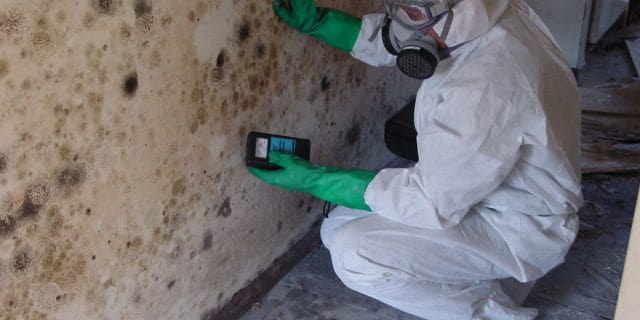
It starts with a thorough assessment — not a quick visual scan, but a full moisture mapping of the affected areas. In Bridgehampton properties, that often means checking crawl spaces under older farmhouse-style homes north of the highway, inspecting HVAC systems that haven’t run since fall, and testing areas where groundwater proximity near Mecox Bay has kept foundation moisture elevated through the winter. The goal at this stage is to find every active moisture source, not just the visible mold — because removing mold without fixing what caused it is a short-term answer to a recurring problem.
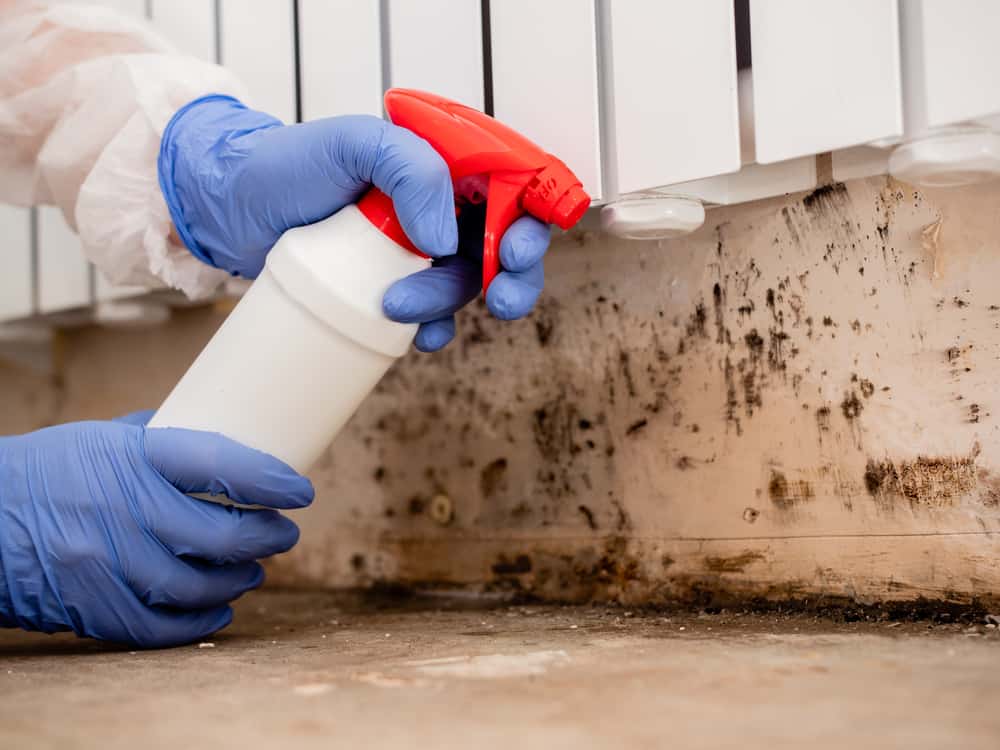
Once the source is identified, containment goes up before any removal begins. This protects the unaffected areas of your home from cross-contamination during the remediation process. Affected materials are removed, treated surfaces receive antimicrobial application, and structural drying brings moisture levels back to a safe baseline. For homes in the Town of Southampton, any work involving structural repairs — replacing drywall, framing, or insulation — may require a building permit from the Town of Southampton Building Department, and we’ll help you navigate that before work begins.
After remediation is complete, independent post-remediation air quality testing confirms that mold spore counts have returned to normal levels. That clearance report isn’t optional here — it’s the documentation that satisfies real estate attorneys, buyers, lenders, and insurance adjusters in a market where the average listing price runs $6.5 million. Our integrated cleaning division then handles final surface and content cleaning, so your property is fully restored, not just technically remediated.
Ready to get started?
Mold remediation in Bridgehampton covers the full scope — assessment, containment, removal, drying, antimicrobial treatment, and post-remediation verification. That last step is what separates a completed job from a documented one, and in a real estate market where mold history can cause 20 to 37 percent drops in property value, documentation isn’t a formality. It’s protection. Research shows roughly half of buyers walk away from a transaction when mold is discovered — and in a market with a $6.5 million median listing price, that’s not a risk worth taking lightly.
Common service scenarios in Bridgehampton include crawl space mold remediation in older construction north of Montauk Highway, attic mold remediation in homes with inadequate ridge and soffit ventilation, basement mold remediation after wet winters, and HVAC mold cleanup in systems that sat idle through the off-season. We’re also available 24 hours a day, seven days a week for emergency mold remediation — because when a property manager gets a call about water intrusion in a vacant South Fork estate, the 24 to 48-hour window before active mold growth begins doesn’t leave room for a Monday morning callback.
New York State requires all mold remediation contractors to hold valid licenses under Article 32 of the Labor Law — a requirement that applies fully in Bridgehampton and that not every operator in the area complies with. Hiring an unlicensed contractor can expose you to legal liability and potential denial of insurance claims. We carry the licensing, the certifications, and the 31 years of Long Island experience to handle mold damage repair and full mold restoration services the right way, the first time.
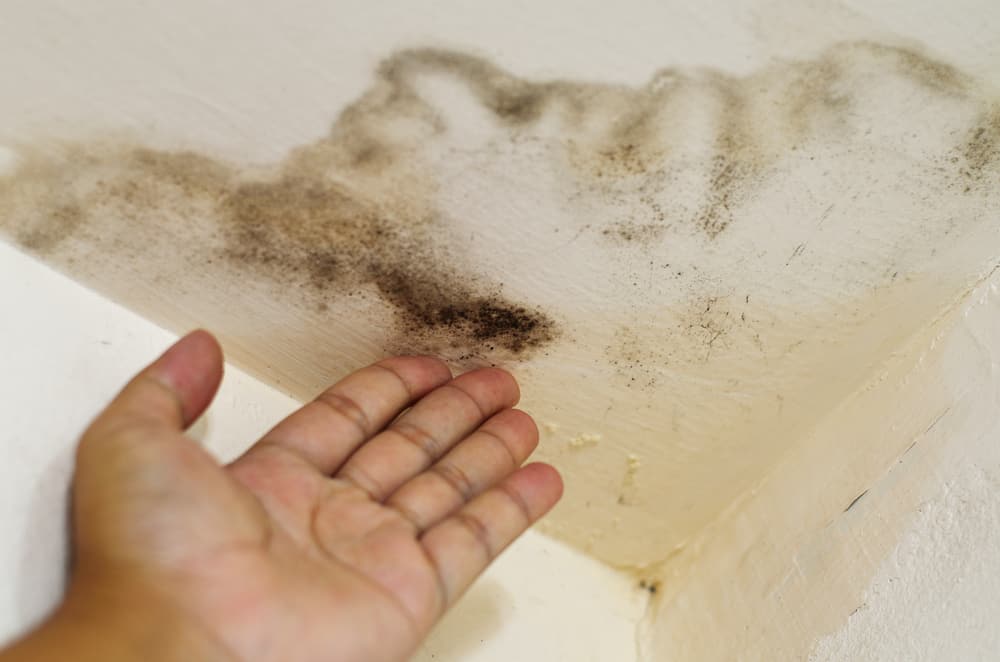
Yes — and it’s one of the most common scenarios we see on the South Fork. When a seasonal property in Bridgehampton is closed up from October through April with minimal HVAC operation and no active monitoring, the conditions inside can become ideal for mold growth. Ambient humidity from the Atlantic and from tidal bodies like Mecox Bay keeps moisture levels elevated outdoors, and without dehumidification running inside, that moisture works its way into building materials — especially in crawl spaces, basements, and around windows and exterior walls.
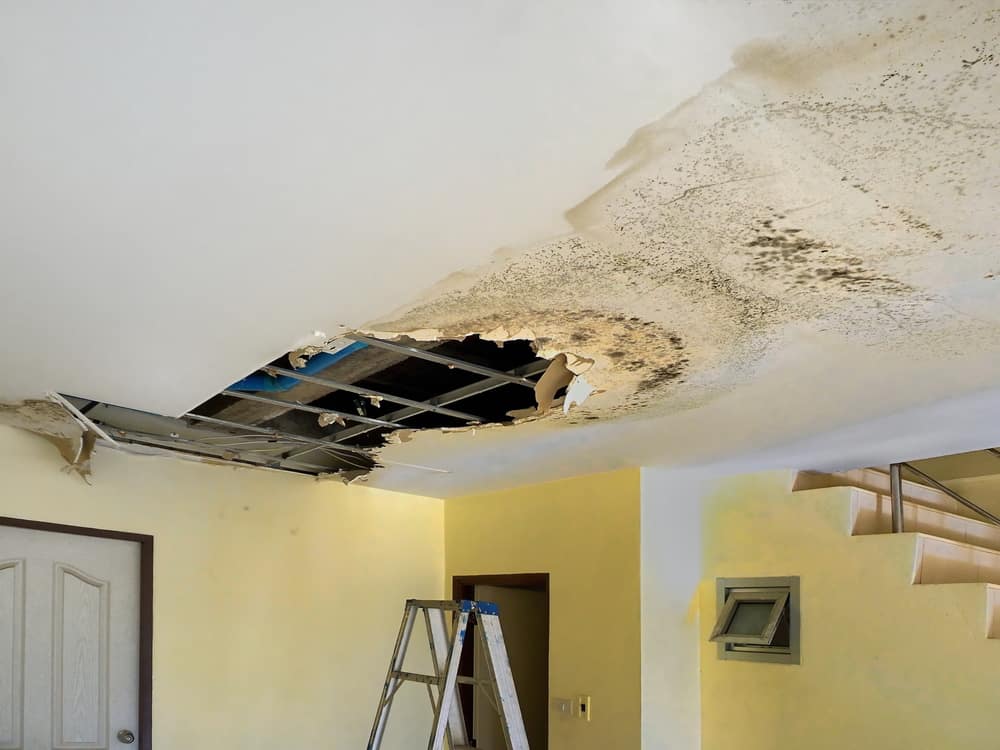
The problem compounds when a slow plumbing leak, a failed sump pump, or a condensation issue goes undetected for months because no one is present to catch it. Mold begins growing within 24 to 48 hours of water intrusion, so by the time you return in spring, what started as a minor moisture issue may have developed into a significant remediation project. A professional mold assessment when you open your Bridgehampton property each season is a reasonable precaution for any home that sits unoccupied for extended periods.
Mold remediation costs vary based on the size of the affected area, the type of materials involved, and how far the growth has spread. Nationally, most residential projects fall between $1,223 and $3,754, with attic remediation typically ranging from $1,500 to $9,000 and crawl space remediation from $500 to $4,000 or more depending on access and extent. Those ranges are a reasonable starting point, but the actual cost for your Bridgehampton property depends on a proper assessment — not a number pulled from a phone call.
What’s worth keeping in mind in this market is that the cost of remediation is almost always significantly less than the cost of ignoring it. In a community where median listing prices run $6.5 million, a mold issue discovered during a pre-sale inspection — without a documented clearance report — can derail a transaction entirely or force a price reduction that far exceeds what remediation would have cost. If the damage resulted from a sudden event like a burst pipe or storm intrusion, your homeowner’s insurance policy may cover a portion of the work, and proper documentation from the start is what makes that claim viable.
Mold removal typically refers to physically eliminating visible mold from a surface — scrubbing, wiping, or cutting out affected material. Mold remediation is a broader, more complete process that includes removal but also addresses the underlying moisture source, establishes containment to prevent cross-contamination, treats affected surfaces with antimicrobial agents, dries the structural environment to a safe moisture baseline, and verifies through independent air quality testing that spore counts have returned to normal levels.
The distinction matters because mold removal without remediation is a temporary fix. If the moisture source isn’t corrected — whether that’s a vapor barrier issue in a crawl space, inadequate ventilation in an attic, or a recurring condensation problem in a coastal home like those throughout Bridgehampton — the mold will return. For South Fork properties that face persistent coastal humidity and the seasonal vacancy conditions of the region, a surface-level removal approach typically means dealing with the same problem again within one or two seasons. Remediation done correctly is a permanent solution, not a recurring expense.
Yes. Under Article 32 of the New York State Labor Law, effective January 1, 2016, all mold assessors, remediation contractors, and abatement workers operating in New York are required to hold valid state-issued licenses. This applies fully in Bridgehampton and throughout Suffolk County. It is unlawful for any person to perform mold remediation in New York without that license — and many homeowners in the Hamptons market are unaware that some operators in the area do not comply with this requirement.
Hiring an unlicensed contractor for mold work in New York State can expose you to legal liability and may result in denial of an insurance claim if the insurer determines the work was performed by an unlicensed party. Before any contractor begins work in your home, you can verify their license status through the New York State Department of Labor’s online license lookup. Richard Peterson, our owner, holds personal NYS licenses in both mold assessment and mold remediation contracting — credentials that are tied to him individually, not just to the company name.
The standard for confirming a successful remediation isn’t visual — it’s a post-remediation air quality test conducted by an independent party after the work is complete. This test measures mold spore counts in the treated areas and compares them to baseline outdoor levels. When the results show that indoor spore counts have returned to normal, a clearance report is issued that documents the outcome. That report is what separates a job that looks finished from one that is verifiably finished.
For Bridgehampton homeowners navigating a real estate transaction, this clearance documentation is often the deciding factor. Buyers, lenders, and real estate attorneys in this market expect written, verifiable proof — not a contractor’s word that the work is done. We include post-remediation verification as a standard step in the process, not an optional add-on. In a market where a mold issue can cause half of prospective buyers to walk away from a transaction, having that documentation in hand before you list is the kind of preparation that protects a significant financial asset.
Timeline depends on the scope of the problem — a contained area of crawl space mold in a smaller property might be resolved in one to two days, while a more extensive situation involving multiple areas, significant structural drying, or HVAC system contamination in a larger Bridgehampton estate could take several days to a week or more. The assessment phase is what determines that timeline, and a contractor who gives you a firm completion date before they’ve seen the property is guessing.
For seasonal homeowners on the South Fork, timing often matters as much as anything else. If you’re returning to your Bridgehampton property in late spring and discovering a problem that developed over the winter, you want it resolved before summer — not dragged out through June. We operate 24 hours a day, seven days a week, which means we can mobilize quickly when the situation calls for it and aren’t constrained to a Monday-through-Friday schedule. Our integrated cleaning division also means the full restoration — not just the structural remediation — can be completed without handing the job off to a second company and adding time to the process.
Useful Links
Other Services we provide in Bridgehampton