
Hear from Our Customers
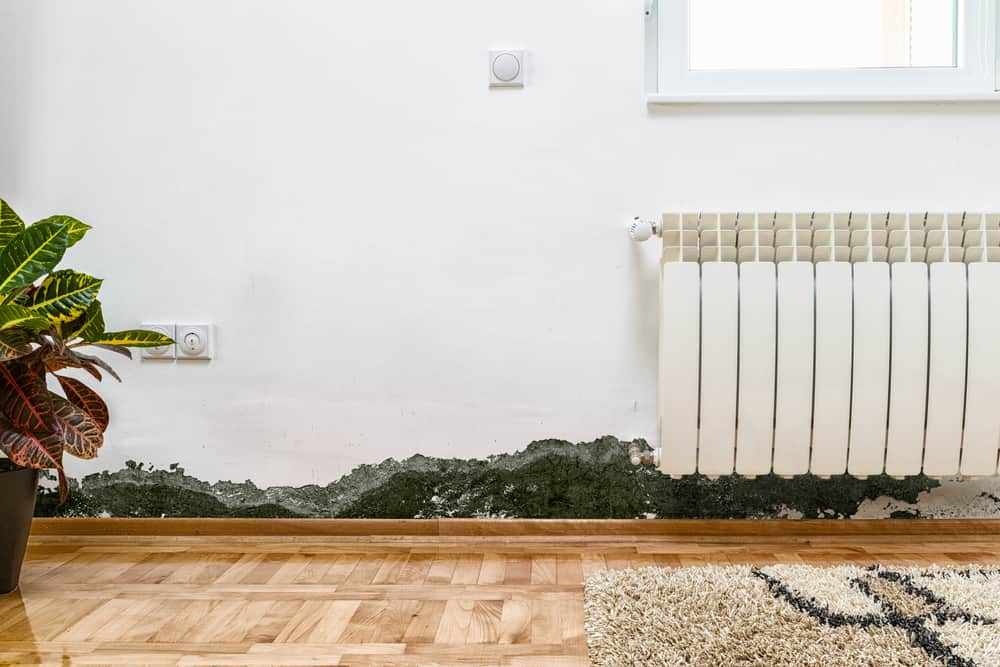
The biggest reason mold comes back after remediation is simple — most companies remove what they can see and leave the cause completely untouched. That’s not remediation. That’s temporary cleanup. When the next nor’easter knocks out your sump pump or the bay humidity creeps into your crawl space again, you’re right back where you started.
What you actually need is someone who finds where the moisture is entering — whether that’s a compromised vapor barrier under your East Patchogue ranch home, a foundation crack letting groundwater in after heavy rain, or an attic that’s been trapping coastal air all summer — and addresses that before anything else. The visible mold is the symptom. The moisture source is the problem.
When this is done right, you get a home that’s genuinely clear, not just visually clean. You get air quality that doesn’t make you second-guess what your family is breathing. And for homeowners in Miramar Beach, Patchogue Shores, or anywhere south of Montauk Highway where flood zone exposure is real, you get the confidence that the fix was built to hold — not just to look good on the day the crew leaves.
Richard Peterson, our owner, holds personal New York State licenses in both mold assessment and mold remediation. That’s not a corporate credential sitting on a wall somewhere — it’s his license, tied to his name, and verifiable through the NYS Department of Labor right now. Under New York State Article 32, anyone performing mold remediation in East Patchogue is legally required to hold a valid state license. Not every company operating in this area does.
Our IICRC-certified technicians follow the S520 Standard for Professional Mold Remediation — the industry benchmark for how this work is supposed to be done. Every person entering your home has been formally trained and tested, not just shown what to do by someone else.
We’ve been operating on Long Island for over 30 years. That includes the post-Sandy surge that hit South Shore communities like East Patchogue hard, the chronic basement flooding that comes with living near Patchogue Bay, and the full range of mold problems that older housing stock in this hamlet produces. We weren’t a company that entered the market when mold remediation looked like a business opportunity. We were already here.
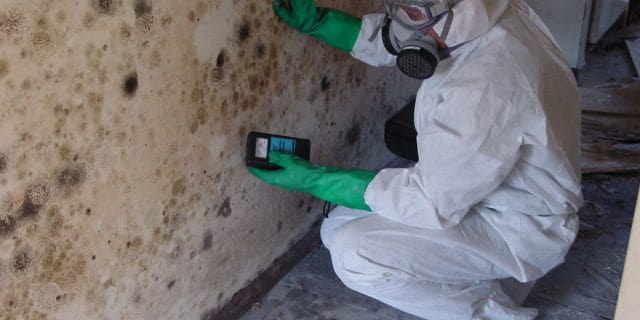
It starts with a thorough assessment — not a quick walk-through, but an actual moisture mapping of the affected areas. In East Patchogue, that often means checking below Montauk Highway where flood zone exposure is highest, inspecting crawl spaces in post-war Cape Cods and ranch homes that were never built with modern vapor barriers, and looking at attic spaces where bay humidity has been accumulating unchecked. The goal at this stage is to understand what you’re actually dealing with before anything gets touched.
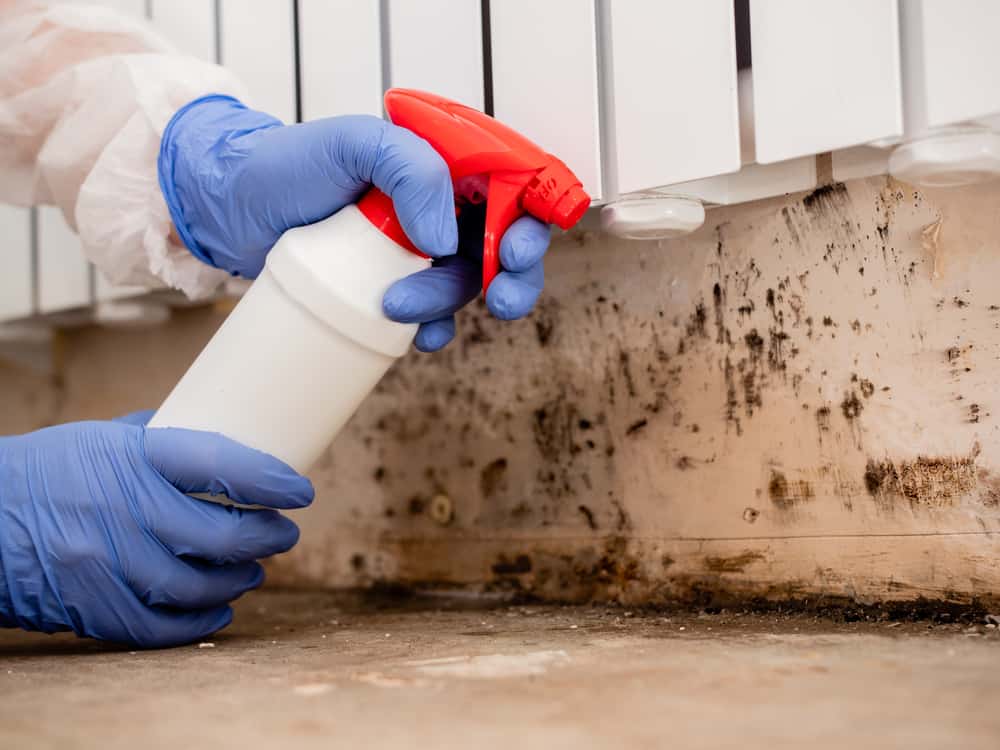
Once we identify the source, we set up proper containment. This matters more than most people realize. Without negative air pressure and sealed containment barriers, disturbing mold during removal spreads spores into areas of your home that weren’t affected. Our IICRC-certified technicians know how to prevent that — it’s a core part of the training and a step that separates a real remediation from a rushed one.
From there, affected materials are removed, treated, and disposed of correctly. Structural drying follows where needed. Then comes post-remediation verification — independent air quality testing that confirms mold spore counts are back to normal levels. You get a clearance report. In a market as competitive as East Patchogue’s, where homes sell in under 25 days and buyers are thorough, that documentation matters — at the closing table and for your own peace of mind. Because all work involving structural repairs falls under Town of Brookhaven permitting, we handle the process in full compliance with local requirements.
Ready to get started?
Mold remediation in East Patchogue isn’t one-size-fits-all because the conditions here aren’t one-size-fits-all. Basement mold remediation after a flooding event — say, a sump pump failure during a nor’easter power outage — looks completely different from attic mold remediation in a 1960s Cape Cod that’s been trapping bay humidity for years. Crawl space mold remediation in a home near the Swan River inlet, where the water table sits high and moisture pressure is constant, requires a different approach than black mold remediation in a bathroom with a simple ventilation problem.
We handle all of it. Emergency mold remediation when you need someone there fast. Crawl space mold remediation with full vapor barrier assessment and replacement where needed. Attic mold remediation that addresses ventilation deficiencies — not just the mold on the sheathing. Basement mold remediation that accounts for the flood zone reality of living south of Montauk Highway. And mold damage repair that goes all the way through: structural drying, material replacement, antimicrobial treatment, and final cleaning — handled by one company, start to finish.
For homeowners in Patchogue Shores, Miramar Beach, or the Hagerman area near County Road 80, mold cleanup and remediation that doesn’t account for the specific moisture dynamics of your neighborhood is mold cleanup that’s likely to fail. The work we do is designed around where you actually live — not around a generic service checklist.
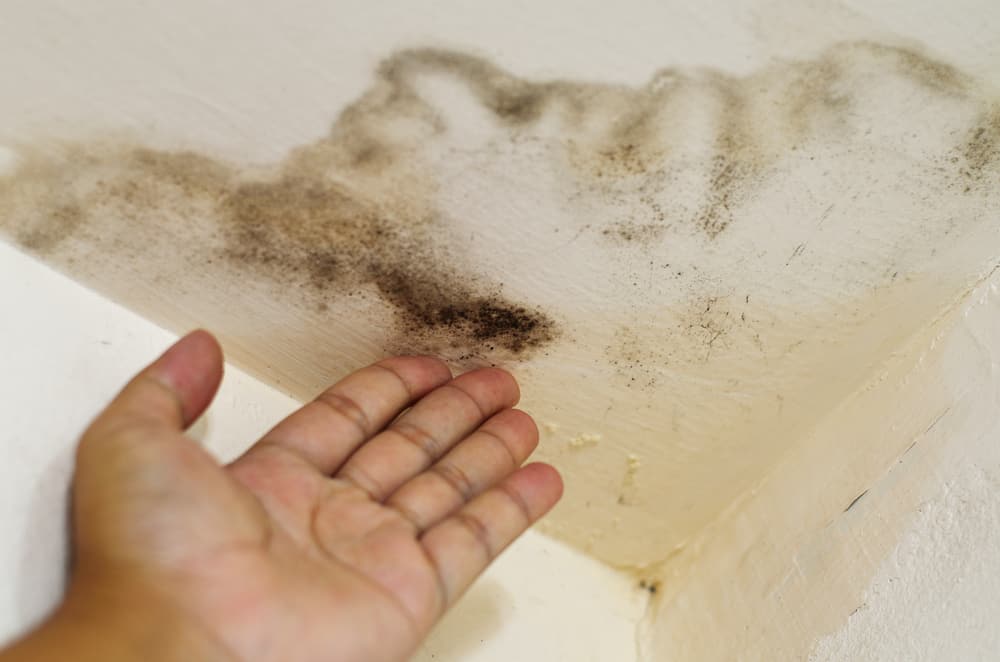
Most residential mold remediation projects fall somewhere between $1,200 and $4,500, but that range shifts significantly depending on what’s actually going on in your home. A localized bathroom mold issue is a very different job than crawl space mold remediation in a post-war ranch home near Patchogue Bay, where moisture has been building up for years behind an inadequate vapor barrier.
In East Patchogue specifically, properties south of Montauk Highway — particularly in flood zone areas — tend to run toward the higher end of that range. Older housing stock, chronic moisture exposure, and the potential for structural material involvement all affect scope. The only way to get a number that actually means something is to have someone assess the affected area in person. Quotes given over the phone without a proper inspection aren’t worth much, and they’re often how homeowners end up with unexpected costs mid-project.
Mold removal is exactly what it sounds like — taking out what’s visible. Mold remediation is the full process: identifying the moisture source, containing the affected area, removing the mold, treating the surfaces, verifying the results, and making sure the conditions that caused it in the first place have been corrected.
In a coastal hamlet like East Patchogue, where humidity off the Great South Bay is a constant and flooding is a real seasonal risk, mold removal without remediation is almost always temporary. If the moisture source — a failed vapor barrier, a drainage problem, an attic ventilation deficiency — isn’t addressed, the mold comes back. New York State’s Article 32 licensing requirements exist specifically because this work, done wrong, creates real health and property risks. The distinction between the two isn’t just terminology. It’s the difference between a permanent fix and a recurring problem.
Yes, and it’s not subtle. Mold needs moisture, and homes in East Patchogue — especially those in Miramar Beach, Patchogue Shores, and Pine Neck — deal with ambient humidity levels that inland communities simply don’t face. The Great South Bay keeps relative humidity elevated from late spring through early fall, and that sustained moisture load creates ideal conditions for mold growth in any space where ventilation is limited or air movement is poor.
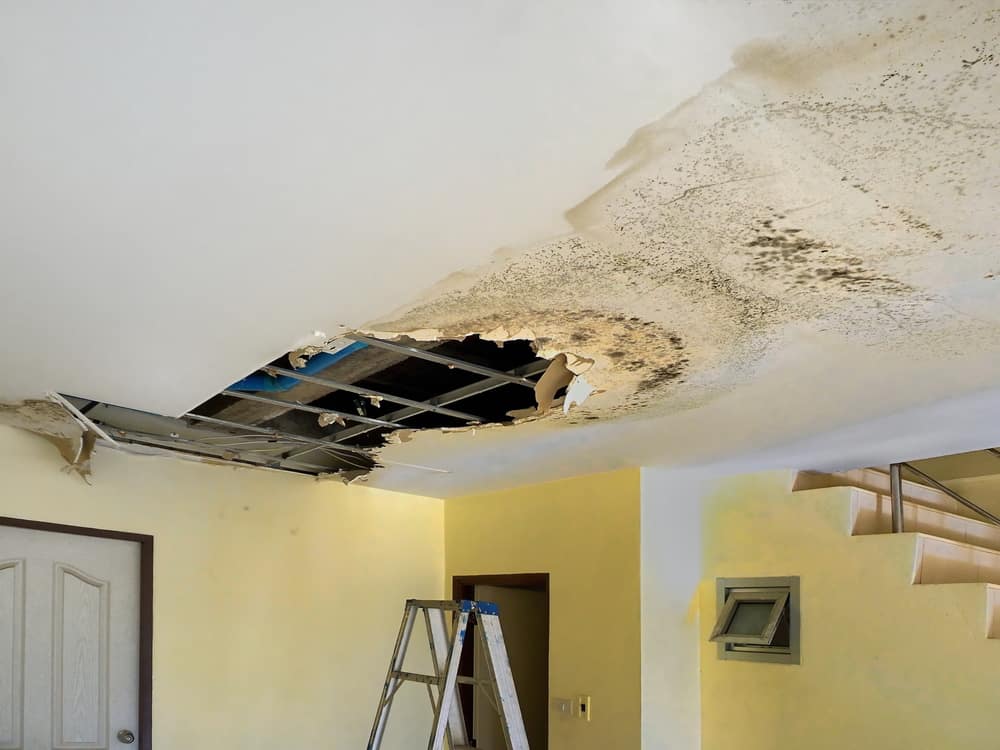
Basements, crawl spaces, and attics in homes close to the water are the most commonly affected areas. The high water table in low-lying parts of the hamlet adds another layer — moisture doesn’t just come in from the air, it pushes through foundation walls and up through crawl space floors. If your home is south of Montauk Highway and you’ve never had a crawl space or attic inspection, it’s worth doing. Mold in these spaces often grows undetected for years before it shows up somewhere you can actually see it.
It depends on what caused the mold. If the mold resulted from a sudden, accidental event — a burst pipe, a sump pump failure during a storm, or water intrusion from a nor’easter — there’s a reasonable chance your homeowner’s insurance covers at least part of the remediation. If it resulted from a slow leak or long-term moisture buildup that wasn’t addressed, most policies won’t cover it.
For East Patchogue homeowners, this distinction matters a lot. Storm-related flooding from Patchogue Bay events, sump pump failures during power outages, and nor’easter damage are all scenarios where coverage may apply — but the documentation has to be done correctly. We help customers understand what they’re dealing with, document the damage in the format insurers require, and navigate the claims process. Getting that documentation right from the start saves a significant amount of frustration later.
In most cases, yes — but it depends on the location and scope of the affected area. If the mold is contained to a basement, crawl space, or attic and proper containment barriers are in place, most homeowners can remain in the home during the process. If the mold is in a central living area, involves a large volume of affected material, or if there are household members with respiratory conditions or sensitivities, temporary relocation during active remediation is worth considering.
The containment setup matters enormously here. Our IICRC-certified technicians use negative air pressure systems and sealed barriers specifically to prevent spores from traveling into unaffected areas of your home during removal. When that’s done correctly, the rest of the house stays protected. We’ll give you a clear picture of what to expect before work begins — including whether staying put makes sense for your specific situation.
First, don’t panic — and don’t let anyone rush you into a decision before you understand the full scope. Mold discovered during an inspection needs to be assessed by a licensed professional before you can know whether you’re dealing with a minor surface issue or something more significant. In East Patchogue’s real estate market, where homes are moving in under 25 days and closing timelines are tight, the pressure to act fast is real — but fast and thorough aren’t mutually exclusive.
Under New York State Article 32, the company performing the assessment cannot be the same company performing the remediation on the same project. That separation exists to protect you from inflated scopes and conflicts of interest. Make sure whoever you call holds a valid NYS mold remediation license — verifiable through the Department of Labor — and can provide a clearance report after the work is complete. That report is what your lender, attorney, and buyer’s agent will want to see before closing. We can mobilize quickly for exactly these situations and provide the documentation the transaction requires.
Useful Links
Other Services we provide in East Patchogue