
Hear from Our Customers
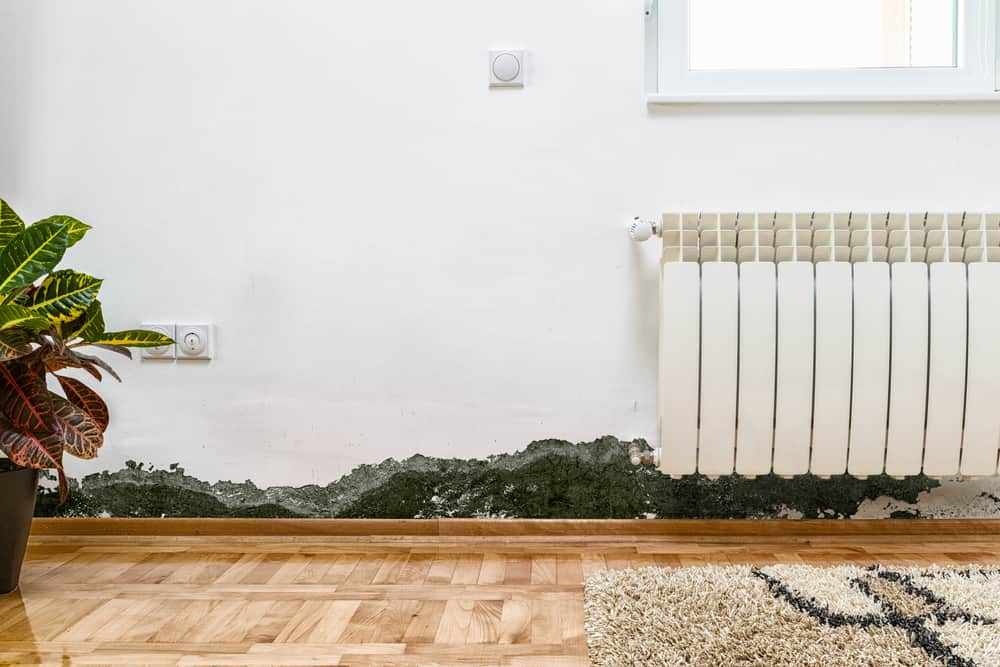
The musty smell in your basement isn’t just unpleasant. It’s a sign that something is actively growing in your home — and in Mastic, where the groundwater table sits unusually close to the surface and the Forge River keeps the surrounding soil saturated year-round, that problem doesn’t fix itself. Moisture is always looking for a way in. When it finds one, mold follows within 24 to 48 hours.
What changes after proper mold remediation in Mastic, NY is that you stop reacting and start living normally again. No more avoiding the basement. No more wondering if the smell is affecting your kids. No more second-guessing whether the work done after Sandy actually held up. Families in this community — many with young children, given Mastic’s median age of just under 32 — deserve to breathe clean air in their own homes without that lingering doubt.
Beyond the air quality, there’s the financial reality. Mastic home values have climbed significantly, with median sale prices now approaching $570,000. Mold discovered during a home inspection can derail a sale entirely, or drop your asking price fast. Getting ahead of it — with documented remediation and a clearance report — protects that investment and keeps your options open.
We are an owner-operated company that has been working on Long Island for over 30 years. Richard Peterson, our owner, holds personal New York State licenses in both mold assessment and mold remediation — issued under Article 32 of the NYS Labor Law. That’s not a company credential sitting in a filing cabinet. It’s his license, his name, and his accountability on every job we do in Mastic and the surrounding area.
Every technician on our team is individually IICRC-certified, which means the person walking into your Mastic home has been formally trained and tested — not just handed a shirt and sent out. That matters more in a community like this one, where post-Sandy remediation left a lot of homeowners with work that looked done but wasn’t. The mold came back. The smell came back. The problem never actually left.
We also run an integrated cleaning division, so when remediation is complete, the job doesn’t stop at the structural work. From the William Floyd Parkway corridor to the older homes near Old Mastic along the Forge River, we’ve seen what moisture does to Suffolk County homes over decades — and we know how to fix it properly the first time.
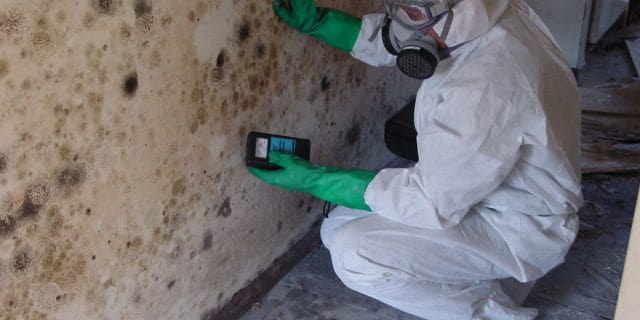
It starts with a thorough assessment — not a quick visual scan, but actual moisture mapping to find what’s hidden behind walls, under floors, and inside structural cavities. In Mastic, where homes are often 50 to 70 years old and were built without modern vapor barriers, mold rarely stays where you can see it. The assessment identifies the full scope before anything is removed or treated.
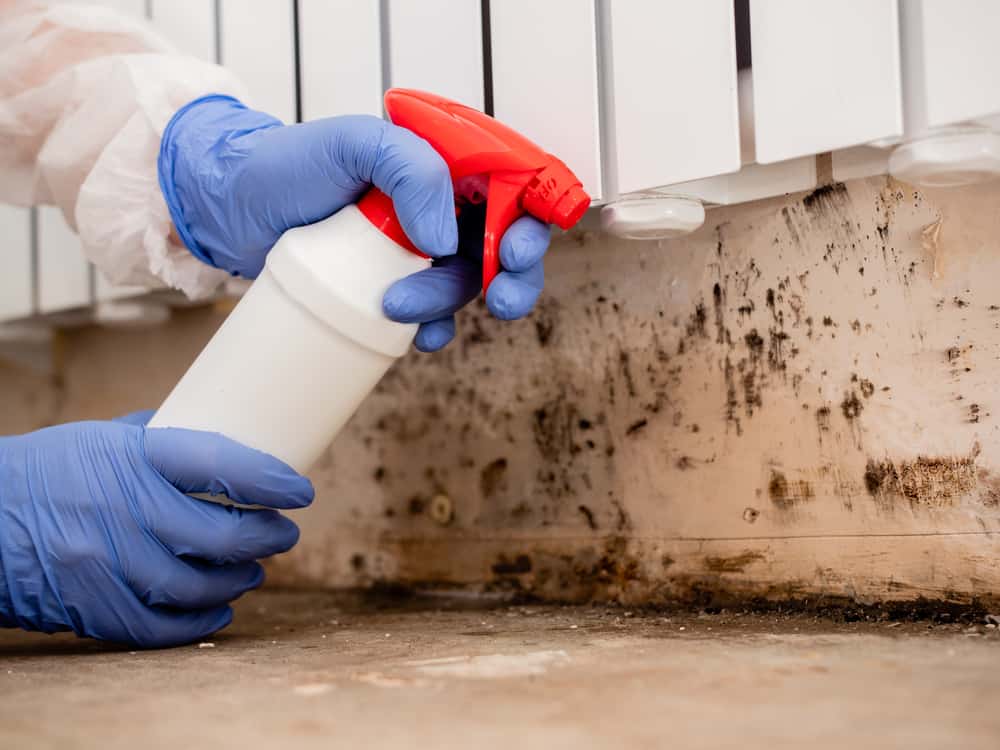
Once we identify the source of moisture and map the contamination, containment goes up. This keeps mold spores from spreading to unaffected areas of your home during the remediation process. Then the affected materials are removed, surfaces are treated with antimicrobial agents, and structural drying equipment is deployed where needed. For homes near the Forge River or in lower-lying sections of the hamlet, drying times can run longer — the ambient moisture in the air and soil here works against you, and we account for that in our process.
After the physical work is done, we conduct independent air quality testing to verify that spore counts have returned to normal levels. You receive a clearance report — a document you can hand to your insurance company, your real estate agent, or simply keep for your own records. It’s the proof that the job was done right, not just done. Under New York State Article 32, all mold remediation work must be performed by a licensed contractor, and every step of our process is fully compliant with that requirement.
Ready to get started?
Mold remediation in Mastic, NY isn’t one-size-fits-all. The service you need depends on where the mold is, what caused it, and how long it’s been there. Basement mold remediation in Mastic is one of our most common calls — the high water table and aging foundation walls in this community create near-constant moisture pressure, especially in the older homes throughout Old Mastic and the neighborhoods closer to the Forge River. Crawl space mold remediation in Mastic is equally common, particularly in homes where the crawl space sits in direct contact with saturated soil and has little to no vapor barrier protection.
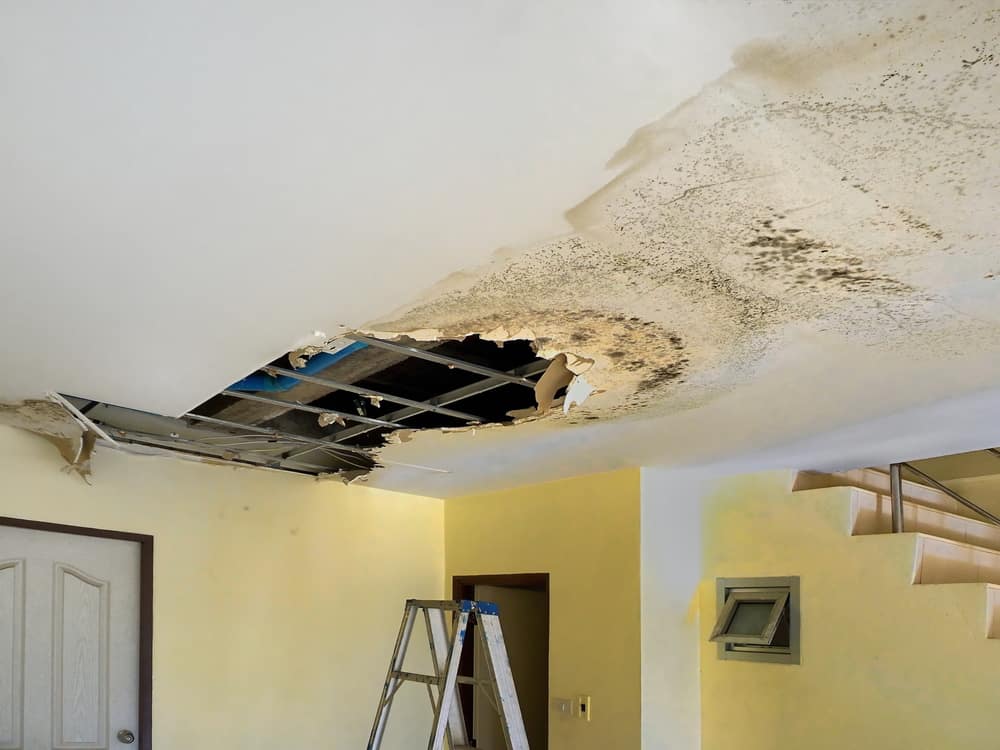
Attic mold remediation in Mastic tends to surface in late summer and fall, after months of South Shore coastal humidity have worked their way into under-ventilated attic spaces. HVAC-related mold is another frequent issue — when air conditioning runs through a humid summer and condensation builds up inside ductwork or on coil surfaces, mold can spread through the entire system. We handle all of these scenarios under one roof, including emergency mold remediation in Mastic when a flooding event or pipe failure requires an immediate response.
Our service includes assessment, containment, removal, antimicrobial treatment, structural drying, and final post-remediation cleaning — all completed by the same team. Mold remediation cost in Mastic, NY typically ranges from around $1,300 to $3,800 for standard residential projects, with larger or more complex jobs running higher depending on scope. You’ll get a clear picture of what’s involved before any work begins.
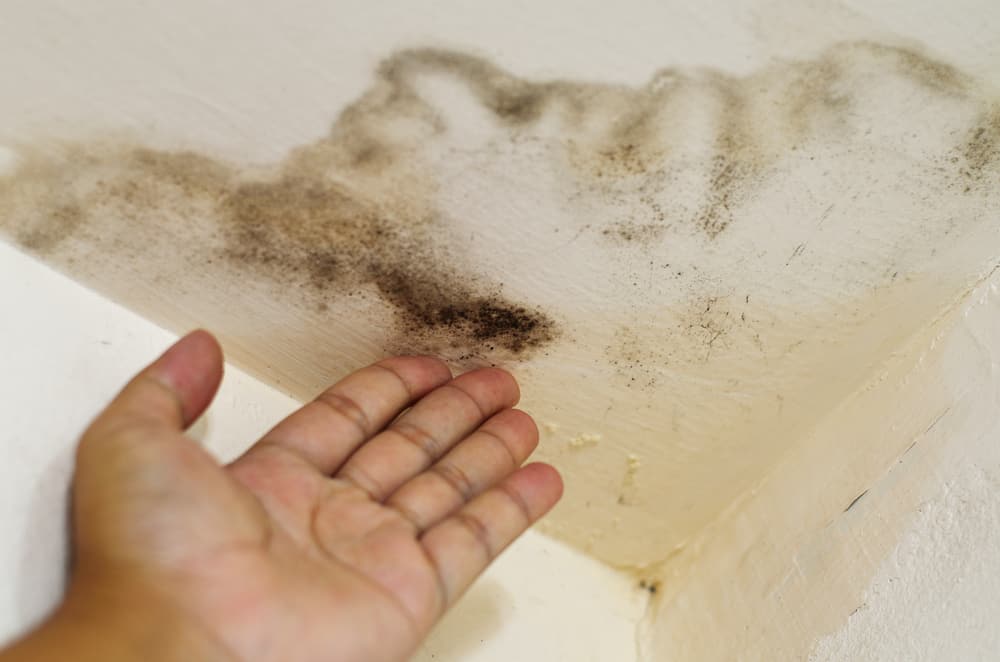
For most residential mold remediation jobs in Mastic, NY, you’re looking at a range of roughly $1,300 to $3,800. That covers the most common scenarios — basement surface mold, crawl space moisture issues, or post-flooding mold treatment in a contained area. Larger projects, like attic remediation or situations involving structural materials that need to be removed and replaced, can push into the $5,000 to $10,000 range depending on how far the contamination has spread.
In Mastic specifically, a few factors tend to push jobs toward the higher end of the range: the age of the housing stock, the high groundwater table that keeps moisture pressure constant against basement walls, and post-Sandy situations where previous remediation work was incomplete. If mold has been growing undetected for an extended period — which happens often in homes near the Forge River or in low-lying sections of the hamlet — the scope is almost always larger than it appears on the surface. A proper assessment before any work begins is the only way to get an accurate number, and that’s exactly where we start.
It depends on what caused the mold. If the mold resulted from a sudden, accidental event — a burst pipe, an appliance failure, or storm-related water intrusion — your homeowner’s insurance policy will often cover at least part of the remediation cost. If the mold developed slowly over time due to ongoing moisture issues, like groundwater seeping through a foundation wall or a slow roof leak, most standard policies won’t cover it because it falls under the category of gradual damage or deferred maintenance.
In Mastic, this distinction matters a lot. The community’s high water table and proximity to tidal waterways mean that many moisture problems here are chronic rather than event-driven — which can complicate insurance claims. We help you document the damage in the format your insurance company needs, and we’ll be straightforward with you about what’s likely to be covered before you file. That kind of upfront honesty saves time and avoids surprises when the adjuster shows up.
Mold removal implies you can simply take the mold out and be done with it. Remediation is a broader process that addresses the contamination, the affected materials, and the conditions that allowed mold to grow in the first place. The distinction matters because mold spores are microscopic and airborne — you can’t just wipe a surface clean and call it resolved. Proper mold remediation includes containment to prevent spore spread, removal of contaminated materials, antimicrobial treatment of affected surfaces, structural drying, and post-remediation air quality testing to confirm the job is complete.
In New York State, mold remediation is a regulated activity under Article 32 of the NYS Labor Law. Anyone performing this work is required to hold a valid state-issued license. That law exists specifically because “mold removal” done by unlicensed contractors — which became widespread in Mastic and surrounding areas after Hurricane Sandy — often addressed the surface without resolving the underlying problem. The mold came back. Remediation done correctly, by a licensed contractor, doesn’t leave that door open.
If your home flooded during Sandy and was “dried out” in the months that followed, there’s a real possibility that mold was never fully addressed. The post-Sandy remediation period was chaotic, and a significant number of jobs in Mastic and Mastic Beach were handled by under-qualified contractors who removed standing water and visible damage but left mold behind walls, under flooring, and inside structural cavities. A year after the storm, 75 homes in Mastic were still deemed uninhabitable — and many more that were reoccupied had incomplete remediation.
Signs that Sandy-era mold may still be present include a persistent musty smell that never fully went away, recurring discoloration on walls or ceilings near the original flood line, unexplained allergy or respiratory symptoms in household members, or soft spots in walls and flooring near the areas that were affected. A moisture mapping assessment will identify hidden contamination that a visual inspection alone won’t catch. If you’ve been living with any of these signs and writing them off as “just how the house smells,” it’s worth getting it checked properly.
For a contained mold issue — say, a section of basement wall or a crawl space with surface mold — remediation can typically be completed in one to two days. Larger jobs involving multiple areas, structural material removal, or significant drying requirements will take longer, sometimes three to five days or more depending on scope and conditions.
In Mastic, drying times can run on the longer side because of the ambient moisture environment. The high groundwater table, the coastal humidity that lingers through the South Shore from late spring into early fall, and the proximity to tidal waterways all work against the drying process. Equipment runs longer here than it might in a drier, inland environment. After the physical work is complete, we conduct post-remediation air quality testing — and the clearance report that follows is what officially closes the job.
If the underlying moisture source is properly identified and addressed, mold should not return. The key word there is properly. Mold is a symptom of a moisture problem — if you treat the mold without fixing what’s allowing moisture into the space, you’re setting yourself up for a repeat. This is exactly what happened to a lot of Mastic homeowners after Sandy: the visible mold was treated, but the moisture conditions that caused it were never corrected, and the mold came back within months or years.
In Mastic specifically, moisture sources can be layered — a combination of groundwater pressure against aging foundation walls, inadequate drainage around the home’s perimeter, and ambient coastal humidity all contributing at once. We start every job with moisture mapping to identify every active source, not just the most obvious one. When the remediation is done and the clearance report is in hand, you’re not just mold-free on paper — the conditions that caused it have been addressed. That’s the difference between a fix that lasts and one that buys you a year before the smell comes back.
Useful Links
Other Services we provide in Mastic