
Hear from Our Customers
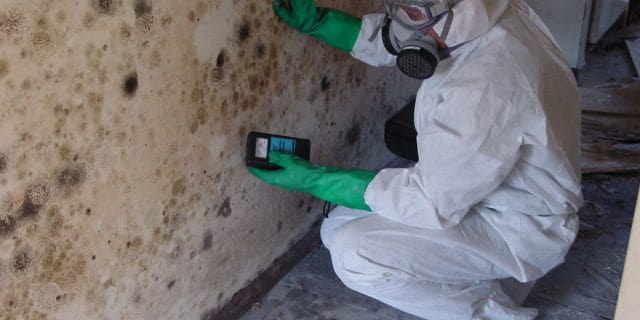
Most mold problems in Southampton don’t start with a dramatic flood. They start with a window seal that failed sometime in November, a slow drip under a sink no one noticed, or a crawl space that held moisture all winter while the house sat empty. By the time you’re walking back through the door in April or May, mold has had months to establish itself — inside walls, under floors, in attic insulation — and it’s not going anywhere on its own.
When we identify and correct the underlying moisture source before remediation begins, the mold doesn’t come back next season. That’s the difference between a real fix and a temporary one. For a property on the Shinnecock Bay side of town or a historic home near the village center, where salt air accelerates building envelope wear and older construction lacks modern vapor barriers, getting that root cause right the first time is what actually protects your investment.
After a proper remediation, the musty smell is gone, the air quality clears, and — if you’re in the middle of a real estate transaction — you have the documented clearance report you need to move forward. In Southampton’s market, where the median home value exceeds a million dollars, that documentation isn’t a formality. It’s the difference between a closing and a collapsed deal.
First Response Restoration and Cleaning Inc. has been working on Long Island for over 30 years. That includes the post-Sandy remediation surge that hit Shinnecock Hills hard in 2012, the seasonal property openings that reveal winter moisture damage every spring in Southampton, and the high-stakes real estate transactions that define the East End market year-round. This isn’t a franchise operation or a company that subcontracts the work and hopes for the best.
Richard Peterson, our owner, holds personal New York State licenses in both mold assessment and mold remediation — not a staff credential, his. Every technician on our team is IICRC-certified, meaning the people physically doing the work have been formally trained and tested. And because the same company cannot legally perform both the assessment and the remediation on the same project under New York’s Article 32 law, we work within that framework transparently — no conflicts of interest, no inflated scopes, no pressure tactics.
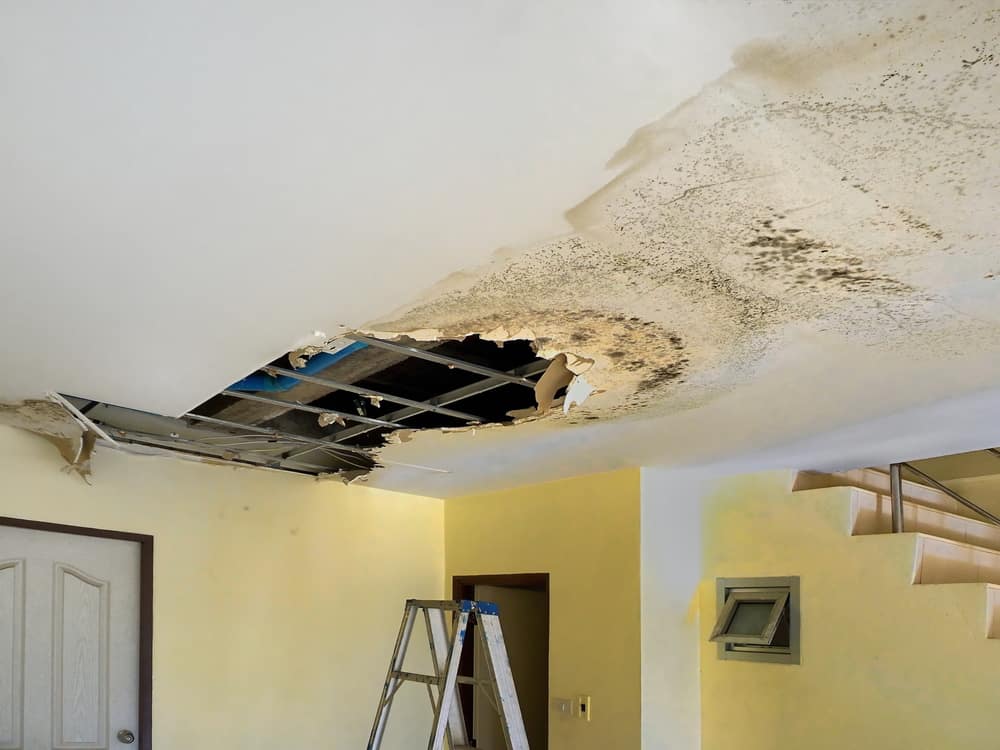
It starts with a thorough assessment. Before anything is removed or treated, we identify the source of the moisture. In Southampton’s older housing stock — homes built before modern vapor barriers and moisture control standards were common — that source isn’t always obvious. It might be inadequate attic ventilation, a degraded roof membrane accelerated by years of salt air exposure, or a crawl space that’s been holding ground moisture for decades. Finding it is what makes the remediation last.
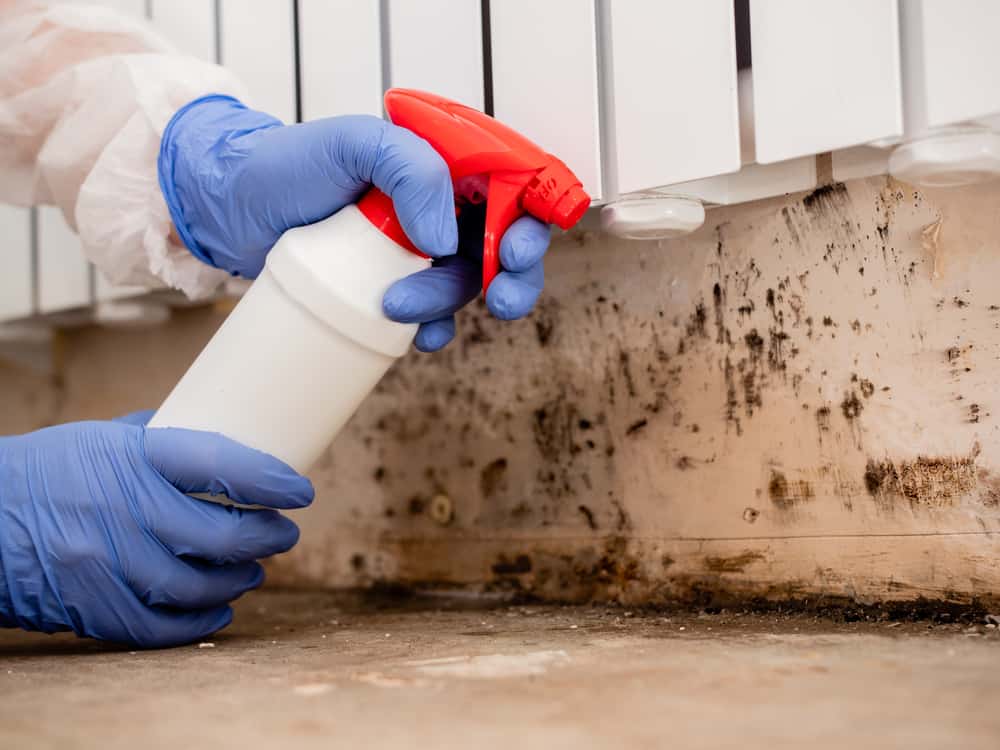
Once we understand the source, we contain affected materials to prevent spore spread to the rest of the property. Contaminated drywall, insulation, or structural materials are removed, the area is treated with EPA-registered antimicrobials, and structural drying brings moisture levels back to normal. If the remediation is connected to a real estate transaction — which is common in Southampton’s active market — we manage the scope and timeline with the closing date in mind.
The final step is post-remediation verification. Independent air quality testing confirms that spore counts have returned to normal levels, and you receive a clearance report that documents the result. For a home sale, a rental property, or simply your own peace of mind before the summer season begins, that report is what closes the loop. New York State’s Article 32 licensing requirements apply throughout — every step is performed by licensed and certified professionals.
Ready to get started?
Mold remediation in Southampton covers more ground than most people expect when they first call. It’s not just visible surface mold — it’s the hidden growth behind baseboards in a Water Mill renovation, the attic mold that builds up over a winter in a North Sea ranch, the crawl space contamination under a bay-front property in Noyack that’s been absorbing ground moisture for years. Each of those situations requires a different approach, and the scope of what’s needed is determined by what’s actually there — not by what generates the largest invoice.
For attic mold remediation in Southampton, the work typically involves identifying the ventilation failure or roof penetration that allowed moisture in, removing and treating affected sheathing and insulation, and correcting the airflow issue so it doesn’t return. Basement and crawl space mold remediation often includes encapsulation — a vapor barrier system that separates the living structure from ground moisture — which is particularly relevant in Southampton’s coastal water table conditions.
We offer emergency mold remediation around the clock. If a nor’easter pushed water into your property overnight, or you arrived to find a serious moisture situation after months away, the 24/7 availability isn’t a marketing line — it’s a real operational capability. And when the work is done, our integrated cleaning team handles the final restoration of your space, so you’re not coordinating two separate companies to get your property back to normal.
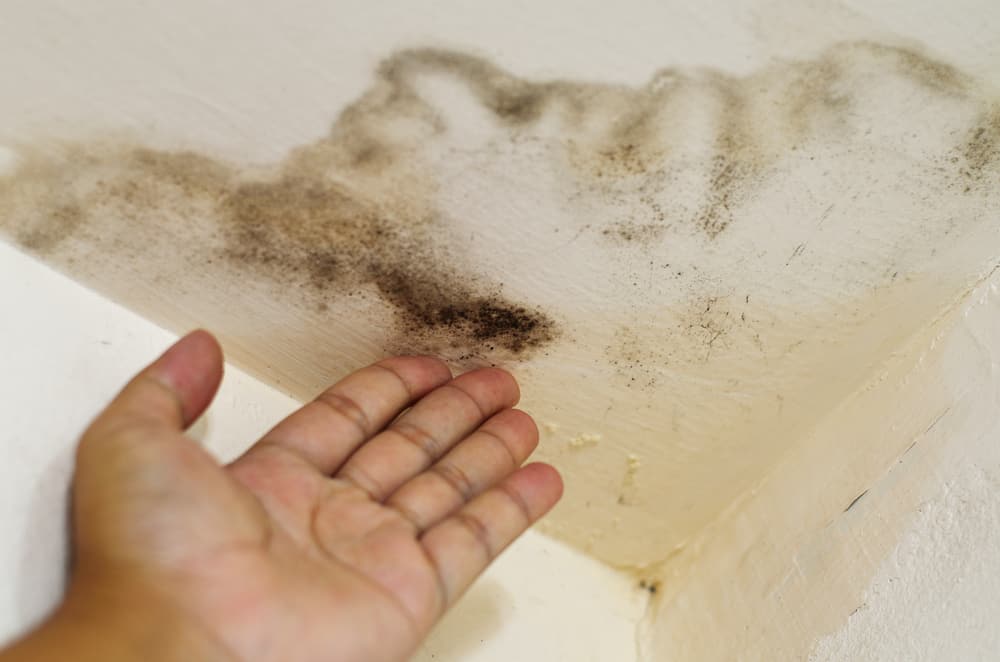
Don’t run the HVAC system before the mold is assessed. It’s a common instinct — the house smells musty, so you crank the air conditioning — but circulating air through a mold-affected space spreads spores to areas that weren’t contaminated yet. Open a window for ventilation if needed, but hold off on the central system until someone has walked the property.
The next step is getting a licensed mold assessor in to evaluate what you’re dealing with. In Southampton, where seasonal homes can sit closed for five or six months, the scope of what develops over a winter varies significantly based on the property’s age, insulation type, and whether any moisture intrusion occurred. A proper assessment tells you exactly what’s there, where it is, and what needs to happen — so you’re making decisions based on facts, not guesswork or pressure from a contractor who benefits from scaring you.
The honest answer is that it depends on scope, and scope depends on what the assessment finds. For a standard residential remediation — a contained area of basement or crawl space mold — you’re generally looking at somewhere between $1,500 and $4,000. Attic mold remediation in Southampton tends to run higher, typically $1,500 to $9,000, because it often involves removing and replacing insulation in addition to treating the structural sheathing. Larger or more complex projects — whole-floor contamination, multi-room spread, or properties with significant post-storm damage — can exceed those ranges.
What drives cost up in Southampton specifically is the combination of older housing stock and coastal exposure. Homes that have been dealing with salt air and humidity for decades often have more widespread moisture damage than initially visible, and the remediation scope expands once walls or ceilings are opened. A written estimate before any work begins is the only way to know what you’re actually agreeing to — and that’s how we operate. No surprises, no scope creep without a conversation first.
It can, and in Southampton’s market — where the average transaction involves a property worth well over a million dollars — it’s not a situation anyone wants to handle slowly. When mold is identified during a home inspection, buyers, sellers, and their attorneys all need to know that the remediation was performed by a licensed contractor and that the result has been independently verified. A clearance report from post-remediation air quality testing is what satisfies that requirement.
The timing matters as much as the quality of the work. A remediation that takes three weeks when the closing is in ten days creates a different kind of problem. We’ve worked within real estate transaction timelines on the East End for decades — the process is managed with the closing date as a hard constraint, not an afterthought. The documentation produced at the end of the job is formatted to hold up to scrutiny from lenders, attorneys, and buyers’ representatives, because in this market, that’s the standard.
Sometimes — and the distinction matters. Homeowner’s insurance typically covers mold remediation when it results directly from a covered event: a burst pipe, storm-driven water intrusion, or another sudden and accidental cause. What most policies specifically exclude is mold that developed from long-term moisture neglect — the kind that builds up in a seasonal home over a winter when no one was there to catch a slow leak early.
For Southampton properties, flood insurance is a separate and important consideration, particularly for homes in low-lying areas near Shinnecock Bay or in communities that experienced surge flooding during storms like Sandy. Flood policies have their own coverage terms for mold-related damage, and they’re worth reviewing carefully before assuming coverage. We help customers understand what their policy likely covers and document the damage in the format insurers require — which is different from just taking photos and hoping for the best. Getting the documentation right the first time prevents claim delays and disputes down the line.
New York State’s Article 32 law, which took effect in 2016, requires anyone performing mold remediation to hold a valid license issued by the NYS Department of Labor. That includes the company itself as a remediation contractor, and the individual workers performing the physical abatement. The license is verifiable — you can look up a contractor’s license number directly through the NYS Department of Labor’s online database before you agree to anything.
What to watch for: some companies list a licensed individual on their paperwork but send unlicensed workers to do the actual job. The license number should belong to the person or entity actually performing the work, not a name kept on file for compliance purposes. In Southampton’s real estate market, where a remediation may be scrutinized by attorneys and mortgage lenders, hiring an unlicensed contractor creates real legal and financial exposure — the work may not be recognized, the insurance claim may be denied, and the clearance documentation may be challenged. Verifying credentials before signing anything takes five minutes and protects you from a much larger problem.
Yes — and in Southampton’s housing stock, where a significant number of homes were built without proper vapor barriers or adequate crawl space ventilation, this is one of the more common ways mold becomes a whole-house problem rather than a contained one. Crawl spaces sit directly above the ground, and in coastal areas like Southampton, the water table and ambient ground moisture are elevated compared to inland communities. When a crawl space isn’t properly sealed, that moisture moves upward into the living structure — into subfloors, floor joists, and eventually wall cavities.
Mold spores are also mobile. HVAC systems that draw return air from or near an affected crawl space can distribute spores throughout the home. The solution isn’t just treating the visible mold — it’s encapsulating the crawl space with a vapor barrier system that separates the structure from ground moisture permanently, combined with correcting any ventilation issues that allowed the problem to develop. That combination is what stops the cycle. Treating the mold without addressing the moisture source is how crawl space mold becomes a recurring annual expense instead of a one-time fix.
Useful Links
Other Services we provide in Southampton