
Hear from Our Customers

When water damage gets handled properly, you’re not just putting things back the way they were — you’re protecting everything you’ve built. No hidden moisture festering behind original plaster walls. No mold disclosure tanking your home’s value six months from now. No insurance headaches because the work wasn’t documented to standard. That’s what real restoration looks like when it’s done right.
Bellerose Village is one of the smallest, most tightly held residential communities in Nassau County. With fewer than 400 homes, a near-universal homeownership rate, and median home values approaching $900,000, the stakes here are different than they are in a newer subdivision. These are homes that were built between 1910 and the 1940s — original hardwood floors, plaster walls, foundations that predate modern waterproofing by decades. When water gets into a structure like that, it doesn’t behave the way it does in a house built in 2005.
The Hook Creek Watershed runs directly beneath Bellerose. During a heavy nor’easter or an intense summer storm, the drainage systems serving western Nassau County — shared with Queens across the Jericho Turnpike border — can get overwhelmed. That means basement seepage, stormwater intrusion through aging foundations, and water that enters quietly and sits for days before anyone notices. The EPA is clear that you have a 24 to 48 hour window to dry water-damaged areas before mold sets in. That window closes fast, especially in a home with original construction materials that hold moisture differently than modern drywall.
We’ve been doing this work on Long Island for close to three decades. That’s not a marketing number — it means our team has worked through post-storm flooding across Nassau County, handled aging plumbing failures in homes that predate World War II, and navigated the specific permit requirements of incorporated villages like Bellerose, where the Building Department at 50 Superior Road requires permits for any structural restoration work.
Our technicians are IICRC-certified, which matters more than most homeowners realize. That certification is what insurance companies expect when they review a claim. It’s what ensures the work follows a documented, industry-standard protocol — not a guess. We’re also fully licensed, bonded, and insured, which means we can pull the permits your village requires and produce the documentation that holds up when it counts.
The Nassau County phone line — 516-698-1776 — connects you directly to our local team that knows Bellerose and surrounding communities. Not a call center. Not a franchise dispatcher. People who’ve worked in communities like Floral Park and Bellerose Village for years.
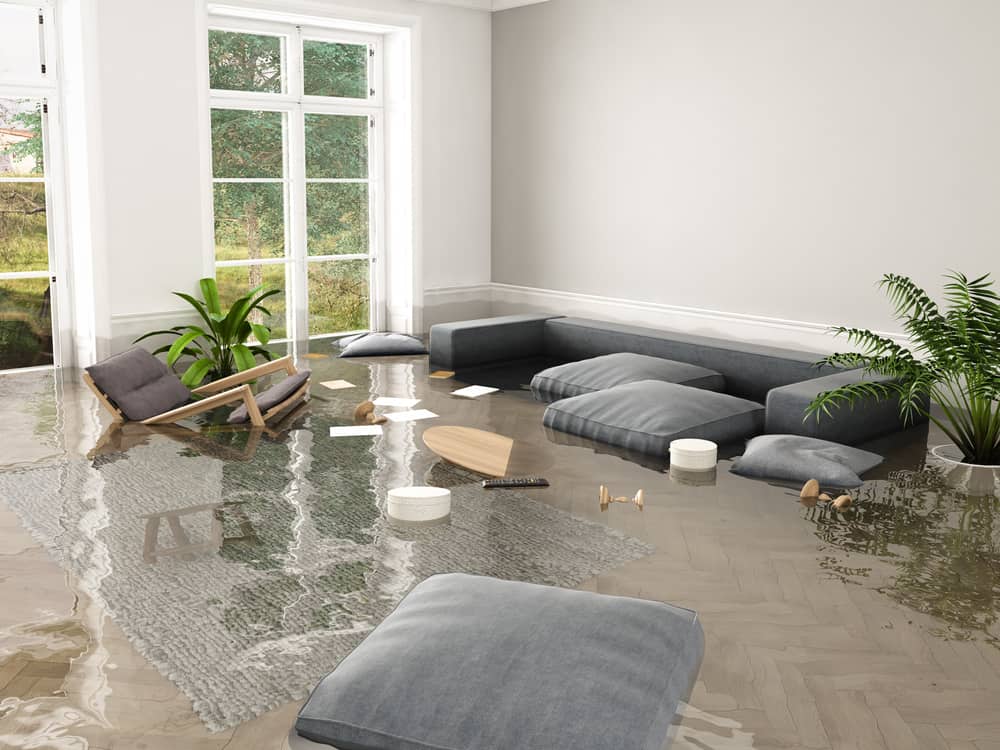
When you call, the first thing that happens is a real conversation — not a script. We ask what’s going on, where the water is coming from, and how long it’s been sitting. That information determines the response priority and the equipment we need. For a burst pipe in a Bellerose home with original plaster walls, that assessment changes what we bring and how we approach the drying protocol.
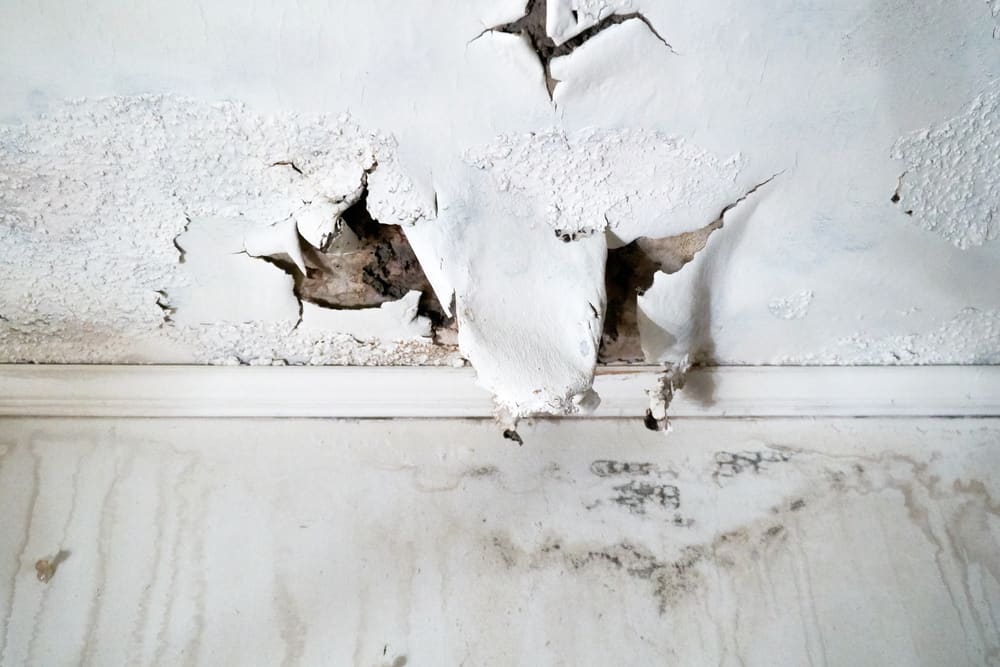
Once on-site, we do a full moisture assessment before anything else. That means moisture meters, thermal imaging where needed, and a systematic check of the areas water travels to — not just where it’s visible. In a home built in 1930, water behind a baseboard doesn’t announce itself. It wicks into the subfloor, climbs the plaster, and sits in the wall cavity. We set up industrial-grade air movers and dehumidifiers to address the actual moisture, not just the surface. This is structural drying — not consumer-grade fan work.
From there, the process moves through antimicrobial treatment, documentation for your insurance carrier, and any necessary structural repairs. Because we handle the full scope — from water extraction through rebuild — you’re not left coordinating between three different contractors while your home sits open. If the Bellerose Village Building Department requires a permit for the repair work, we handle that as part of the process. The final walkthrough confirms that moisture readings are back to normal before the job is considered closed.

Ready to get started?
Water damage restoration in Bellerose isn’t a single service — it’s a sequence of connected work that has to be done in the right order. It starts with emergency water extraction and basement water removal, moves through structural drying and moisture mapping, includes mold prevention treatment, and ends with whatever reconstruction the damage requires. For a home on a street off Hillside Avenue that’s been standing since 1920, that sequence matters more than it does in a newer build, because the materials involved — original plaster, hardwood subfloors, brick or rubble-stone foundations — respond to moisture differently and require a more careful drying approach.
Flood restoration after a stormwater event carries different risks than a burst pipe. Stormwater that enters a Bellerose home through an aging foundation or a backed-up floor drain can carry contaminants that elevate the water category, which changes the remediation protocol. Our IICRC-certified technicians know the difference between Category 1 clean water from a supply line and Category 2 or 3 water from a storm backup — and we treat each one accordingly. Getting that wrong means underdoing the remediation on a job that needed more, or overdoing it on one that didn’t.
Insurance coordination is built into every job. We work directly with your carrier, handle the documentation, and bill the insurance company directly wherever coverage applies. For homeowners in Bellerose, where properties are valued close to $900,000, getting the claim handled correctly the first time isn’t optional — it’s the whole point.

It depends on where the water came from. Standard homeowners insurance generally covers sudden, accidental water damage from internal sources — a burst pipe, a failed water heater, an appliance overflow. What it does not cover is flooding. If water enters your Bellerose home through the foundation during a heavy storm, or backs up through a storm drain when the Hook Creek drainage system gets overwhelmed, that’s flood damage — and it requires a separate flood insurance policy through the National Flood Insurance Program.
This distinction trips up a lot of Bellerose homeowners, especially after a nor’easter soaks western Nassau County and water starts appearing in basements. The source of the water determines the coverage, and the documentation of that source is what makes or breaks the claim. We work directly with insurance carriers and produce the kind of IICRC-compliant documentation that supports a successful claim. If you’re not sure what’s covered, calling a restoration company before you call your adjuster is often the smarter move — it gives you proper damage documentation before anyone starts making coverage decisions.
The EPA puts the window at 24 to 48 hours. That’s how long you have to dry out a water-damaged area before mold spores — which are already present in the air — find enough moisture to start germinating. Visible mold growth typically appears within 48 to 72 hours, but the microscopic growth starts earlier than that.
In a Bellerose home with original plaster walls and hardwood subfloors, that timeline is especially important. These materials hold moisture longer than modern drywall and vinyl, which means a surface that feels dry to the touch can still have elevated moisture readings inside the wall cavity or beneath the floor. Consumer-grade fans and a shop vac don’t address that. Industrial drying equipment — air movers, dehumidifiers, moisture meters — is what actually gets moisture out of the places you can’t see. The sooner a certified restoration team gets on-site, the smaller the mold risk and the lower the overall cost of the job.
There are a few common causes, and most of them come back to age. Bellerose Village’s founding-era homes — some built as far back as 1910 — have cast-iron drain pipes and galvanized steel supply lines that are well past their design lifespan. Cast-iron typically lasts 75 to 100 years; galvanized steel 40 to 70. Many homes in this village are at or beyond those thresholds. When those pipes fail, the result is water in the basement.
Beyond plumbing, the foundation itself is often the issue. Original foundation waterproofing from the early 20th century has long since degraded, and aging basement walls in homes built before modern waterproofing standards are susceptible to seepage during heavy rain. Bellerose Village also sits within the Hook Creek Watershed, and during intense storms, the drainage systems serving this corner of Nassau County — shared with Queens across the Jericho Turnpike border — can be overwhelmed, pushing water back through floor drains and foundation cracks. It’s not always one single cause; it’s usually a combination of aging infrastructure and a drainage system that wasn’t designed for today’s storm intensity.
For most jobs, the drying phase alone takes three to five days using industrial equipment. Full restoration — from initial water extraction through final repairs — averages about two weeks for moderate damage, though that range can stretch significantly depending on the extent of the damage and what materials are involved.
In a Bellerose home with original plaster walls, the drying timeline can run longer than it would in a modern home with drywall. Plaster holds moisture differently, and rushing the drying process risks trapping moisture inside the wall, which leads to mold and structural damage down the road. If the damage requires structural repairs — subfloor replacement, wall reconstruction, foundation work — and those repairs require a permit from the Bellerose Village Building Department, that permitting process adds time to the overall project. We factor all of this into the scope of work upfront so you’re not getting surprised by delays mid-project.
In most cases, yes — but it depends on the extent of the damage and where it’s located. If the flooding is confined to a basement or a single room, the rest of the home is typically livable during the restoration process. Industrial drying equipment runs continuously, which means some noise and air movement, but it doesn’t require you to vacate the property.
Where it gets more complicated is when the damage involves sewage backup, mold growth, or contaminated water classified as Category 3. In those situations, the affected areas need to be contained and treated before they’re safe to be around, and depending on the scope, temporary relocation may be the practical choice. For a Bellerose homeowner with a family, the disruption question is real — and we give you a straight answer about what to expect before work begins, not after. The goal is always to minimize the footprint of the restoration work and get your home back to normal as efficiently as possible.
The difference comes down to water category, and water category determines the entire remediation protocol. A burst supply pipe delivers Category 1 water — clean, uncontaminated, from a pressurized source. The restoration focus is on extraction, structural drying, and preventing mold growth within that 24 to 48 hour window. It’s serious, but the contamination risk is low and the process is relatively straightforward.
Stormwater that enters a Bellerose home through an aging foundation or a backed-up floor drain is a different situation. Depending on what the stormwater has picked up — soil, debris, contaminants from the Hook Creek drainage system — it can be classified as Category 2 or Category 3 water, which requires a more intensive remediation protocol, including antimicrobial treatment and in some cases removal of affected materials that can’t be adequately cleaned. The IICRC S500 standard, which our certified technicians follow, defines these categories and the correct response for each. Getting the category wrong — treating Category 3 water like Category 1 — is how restoration jobs end up with mold problems and failed insurance claims months later.
Useful Links
Other Services we provide in Bellerose