
Hear from Our Customers

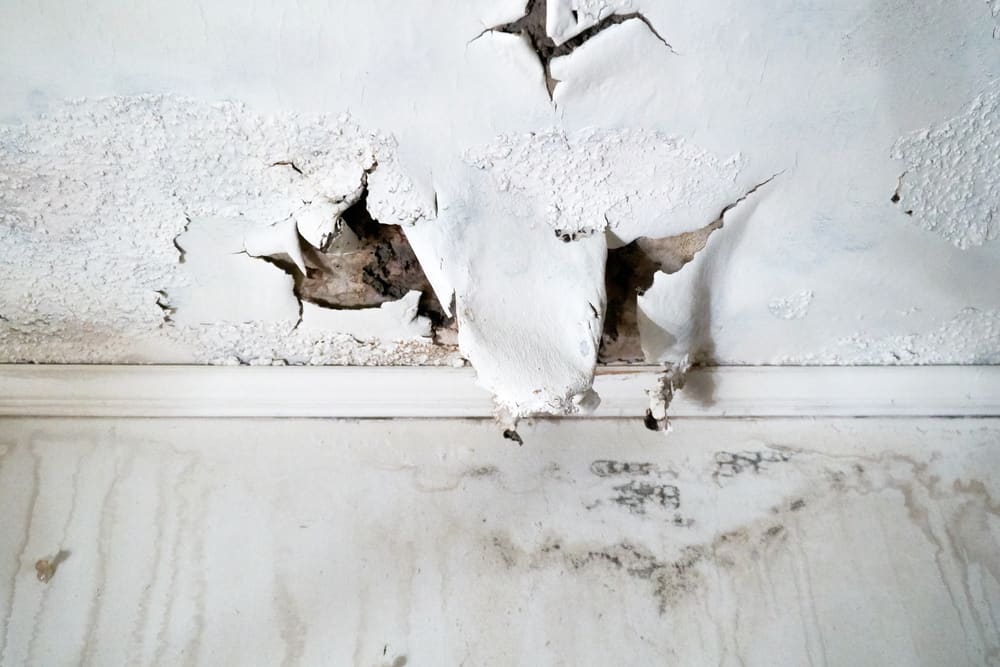
When water gets into a pre-war home in Bellerose Terrace, it doesn’t just sit on the floor. It wicks into original hardwood, soaks through plaster walls, and moves along wood lath in ways that modern drywall simply doesn’t. Homes throughout this community were built in an era before moisture barriers, vapor retarders, or modern subfloor materials — which means water travels farther and hides better than it would in a newer build.
Getting it truly dry requires more than a fan and a wet-vac. We use industrial-grade dehumidifiers and moisture meters to reach places consumer equipment can’t. What you get on the other side is genuine peace of mind: no mold growing behind the plaster six months later, no soft spots developing under a floor you thought was fine, no insurance headache because the documentation wasn’t done right the first time.
For a community where median home values are pushing $576,000 and property taxes run around $10,000 a year, protecting that investment with a thorough, certified restoration process isn’t overcautious — it’s essential. Whether it’s a burst pipe behind a bathroom wall or a basement that took on water during a storm that backed up the Cross Island Parkway corridor, we handle the full scope of the restoration.
We’ve been serving Nassau County homeowners for nearly three decades, with deep roots in Bellerose Terrace and the surrounding communities. That’s not a marketing number — it means we’ve walked through hundreds of homes built in the same era as the ones throughout Bellerose Terrace and Floral Park, and we know exactly what aging construction looks like when water gets into it.
Every technician on our team is IICRC-certified, which matters more than most homeowners realize. IICRC certification is the standard that insurance companies actually recognize — it means the moisture readings, drying logs, and documentation from your job will hold up when your adjuster reviews the claim. We’re fully licensed, bonded, and insured, and we work directly with your insurance company so you’re not stuck in the middle translating between contractor and carrier.
We’re a local Nassau County team with a dedicated 516 number — not a national franchise routing your call to whoever’s available. When you call, you reach people who know Bellerose Terrace, know these homes, and have been doing this work here long enough to have seen just about every scenario these older properties can throw at us.
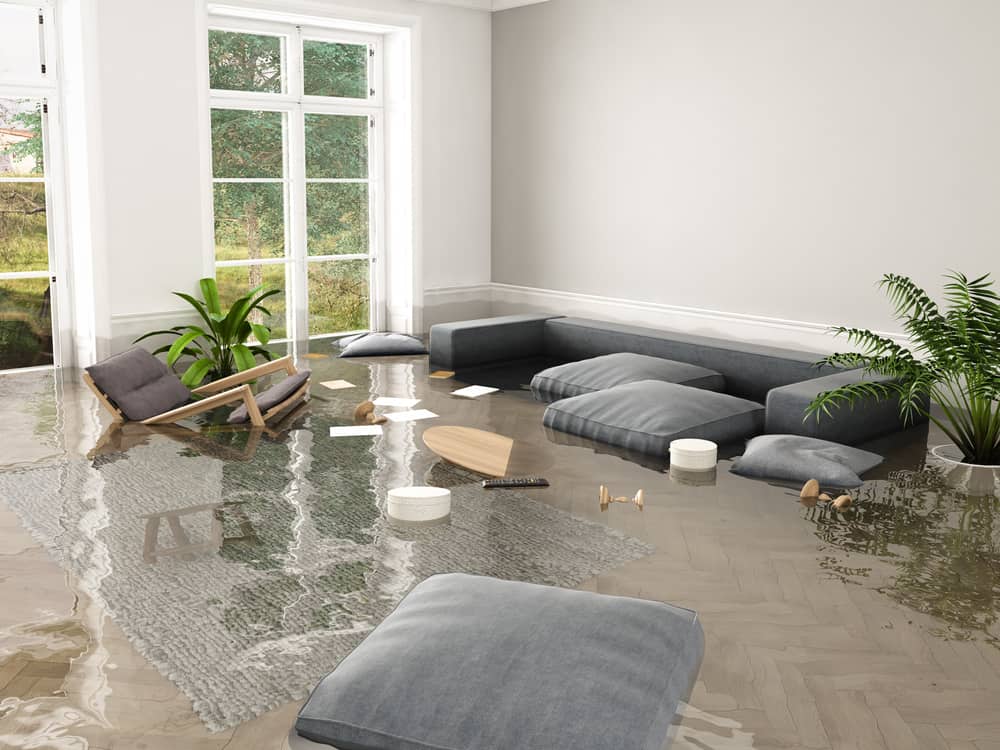
The first step is getting someone on-site fast. The EPA is clear that water-damaged areas need to be dried within 24 to 48 hours to stop mold from taking hold — and in a home with original plaster walls and wood framing, that window matters even more because those materials absorb moisture quickly. When you call us, we move immediately, day or night.
Once on-site, our priority is a full moisture assessment — not just the visible wet areas, but everything around them. In Bellerose Terrace’s older housing stock, that means checking inside walls, under floors, and in structural cavities that a surface inspection would miss entirely. We use industrial moisture meters and professional drying equipment to locate what you can’t see.
From there, water extraction and structural drying begin, using commercial-grade dehumidifiers and air movers that reach places consumer equipment simply can’t. If your home is a semi-detached or attached row house — which is common throughout Bellerose Terrace — we also check shared walls for lateral moisture migration. That documentation matters both for your own claim and for establishing the source and scope of damage clearly.
Once drying is complete and verified with final moisture readings, any structural repairs, drywall or plaster work, and reconstruction are handled by our team. Because restoration work in Nassau County may require Town of Hempstead building permits depending on the scope, we manage that process so you don’t have to figure it out on your own.

Ready to get started?
Water damage restoration isn’t a single task — it’s a sequence. We handle every phase: emergency water removal, structural drying, dehumidification, mold prevention treatment, and full reconstruction. For Bellerose Terrace homeowners, that sequence often starts in the basement, where the Hook Creek Watershed drainage patterns and the community’s extreme density of impervious surface mean that stormwater has limited places to go during heavy rain.
Basement flooding from groundwater intrusion and backed-up storm drains is a recurring reality in Bellerose Terrace, not a once-in-a-decade event. Beyond basements, we handle burst pipe water damage, sewage backup cleanup, storm damage restoration, and fire damage. Because mold remediation in New York State requires licensed contractors under Article 32 of the Labor Law, we’re already credentialed for that work before it becomes necessary.
For attached and semi-detached homes throughout Bellerose Terrace, our restoration process includes a full lateral moisture assessment of shared walls — something most companies skip entirely. The documentation we produce during this process is also what your insurance company needs to process your claim accurately. We work directly with your insurer, handle the paperwork, and coordinate billing so your out-of-pocket exposure is limited to your deductible.
From the first call to the final inspection, our goal is one point of contact, one clear process, and a home that’s genuinely restored — not just dried on the surface.

In most cases, yes — standard homeowners insurance covers sudden and accidental water damage from internal sources like burst pipes, failed washing machine hoses, or an overflowing toilet. The key word is “sudden.” If the damage happened quickly and wasn’t the result of a slow leak you ignored over time, your policy will typically cover it.
What insurance does not cover is flooding from outside your home — groundwater seeping through your foundation during a storm, for example. That requires a separate flood insurance policy. This distinction matters a lot in Bellerose Terrace, where both scenarios are possible: a burst pipe in an 85-year-old plumbing system is a covered event, but water coming in through your foundation during a storm that overwhelms the local drainage system may not be covered under a standard homeowners policy.
We clarify which type of event you’re dealing with during the on-site assessment — and we work directly with your carrier so you understand your coverage before the work begins.
The EPA’s guidance is 24 to 48 hours — that’s how long you have before mold spores that are already present in the air start germinating on wet surfaces. In a home built in the 1930s, that window is even more consequential because original materials like wood lath, plaster, and old-growth hardwood absorb and retain moisture differently than modern building materials.
They hold water longer and in places that are harder to reach with standard drying equipment. Visible mold growth typically appears within 48 to 72 hours, but microscopic growth starts earlier. In Bellerose Terrace’s pre-war housing stock, moisture can travel through wall cavities and subfloor systems that haven’t been accessed or inspected in decades. The safest approach is to treat any basement flooding event as a 24-hour emergency — not something to monitor for a few days before calling.
First, make sure it’s safe to enter — if there’s any chance of electrical exposure from outlets, appliances, or a sump pump system near the water, don’t go in until the power is shut off at the breaker. Once it’s safe, stop the source if you can identify it. If it’s a burst pipe, shut off the main water supply. If it’s groundwater coming in through the foundation during a storm, you can’t stop the source, but you can start moving valuables out of the water’s path.
Then call us immediately — not in a day or two. In Bellerose Terrace’s older homes, every hour of delay increases the likelihood that moisture has moved into structural materials you can’t see. Do not rely on consumer fans or a shop vac to handle the job. They don’t produce the airflow or dehumidification needed to dry structural cavities, and they won’t give you the moisture readings your insurance company will ask for.
Document what you can with photos before anything is moved or cleaned, and let our team handle the assessment and the insurance coordination from there.
Yes, and it happens more often than people expect in Bellerose Terrace’s attached housing. Water doesn’t respect the property line in a shared wall. A burst pipe in your unit can push moisture laterally through the wall cavity into the adjacent unit before either homeowner is aware of the problem. The same applies to subfloor systems — water that soaks into a shared subfloor can migrate several feet in either direction depending on the slope and the materials involved.
This creates a situation that’s both a restoration challenge and a documentation challenge. If your neighbor’s unit is damaged by water that originated in yours — or vice versa — the source, path, and extent of the damage need to be clearly documented for insurance purposes. We include a full lateral moisture assessment for shared-wall properties as part of the restoration process. That documentation protects you, establishes the origin of the damage clearly, and gives both parties’ insurance carriers what they need to process claims accurately.
The honest answer is that it depends on the scope, but a typical water damage event in a single area of the home — a flooded basement, a burst pipe behind a wall — takes around two to three weeks from initial extraction through final repairs. The drying phase alone usually runs three to five days for most homes, and that timeline can extend in older construction where original materials hold moisture longer than modern ones.
In a Bellerose Terrace home built in the 1930s, the assessment phase is especially important because what looks contained on the surface often isn’t. Plaster walls and wood lath can retain moisture in ways that only show up on a moisture meter, not to the naked eye. Rushing the drying phase to save time is one of the most common mistakes in restoration work, and it’s how you end up with a mold problem three months after you thought everything was fine.
We use final moisture readings to confirm that structural materials have reached acceptable dryness levels before moving to repairs — that verification step is what separates a complete restoration from a surface-level cleanup.
Yes — working directly with insurance companies is a core part of how we operate, not an add-on. We handle documentation, communicate with your adjuster, and coordinate billing directly with your carrier so your involvement in the claims process is as limited as possible.
For Bellerose Terrace homeowners, this matters in a specific way. Nassau County property values are high, and the restoration costs for an older home with original materials can run well into five figures depending on the scope of damage. The average water damage insurance claim nationally runs between $11,000 and $14,000 — and in a market where local labor and material costs run higher than national averages, that number can climb further.
Having a restoration company that knows how to document the damage correctly, communicate in the language adjusters expect, and push back when a claim is being undervalued is genuinely useful. Our IICRC-certified process produces the moisture logs, drying records, and photo documentation that insurance carriers recognize and accept — which means fewer delays, fewer disputes, and a cleaner path to getting your home restored and your claim settled.
Useful Links
Other Services we provide in Bellerose Terrace