
Water Damage Restoration in Franklin Square, NY
Franklin Square's Aging Homes Deserve More Than Surface-Level Cleanup
Hear from Our Customers

Flood Restoration Services in Franklin Square
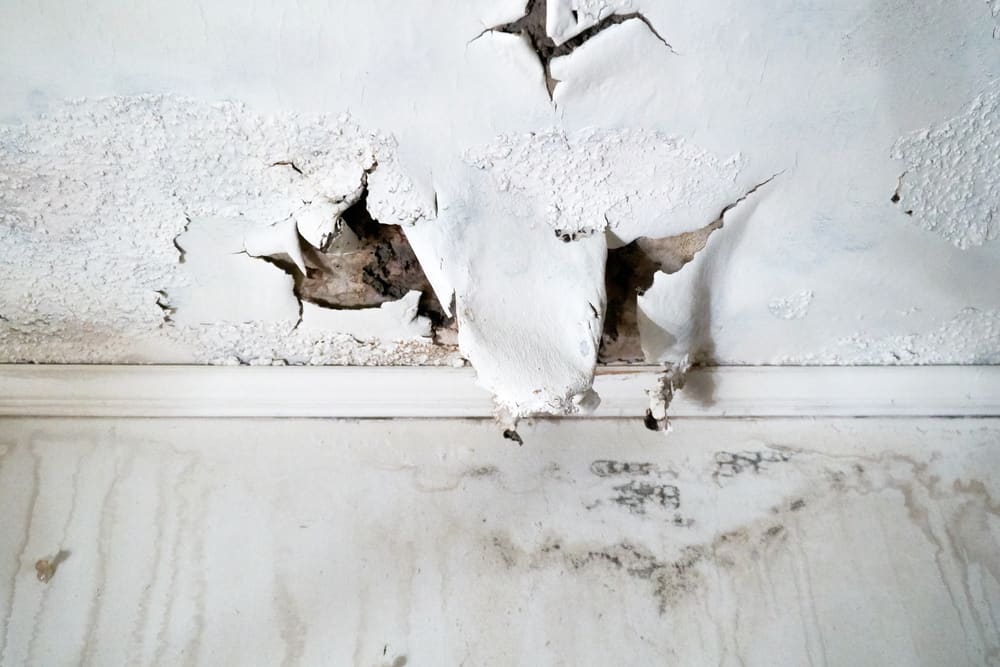
Most homes in Franklin Square were built between 1940 and 1960. That’s not a problem until water gets involved and then it’s a very specific kind of problem. Original plaster walls absorb moisture differently than modern drywall. Original hardwood floors buckle in ways that laminate doesn’t. Basement walls made of concrete block, sitting against clay-heavy Hempstead Plains soil, hold moisture against your foundation long after the visible water is gone. A surface-level cleanup doesn’t account for any of that.
When we do the job right, you’re not just looking at a dry floor. You’re looking at a structure that’s been tested with industrial moisture meters, dried with equipment that actually reaches inside walls and under subfloors, and treated to stop mold before it starts. The EPA is clear that mold can begin forming within 24 to 48 hours of water exposure and in a Franklin Square home with original plaster and block walls, that window matters more than it does in a newer build.
What that looks like for you is peace of mind that the problem is actually solved not just cleaned up enough to look that way. No hidden moisture behind the baseboards six weeks from now. No mold smell in the finished basement by fall. Just a restored home you can trust again.
Nassau County Water Damage Restoration Experts
We’ve been restoring Long Island homes for close to three decades. That’s not a corporate timeline it’s a real one, built job by job across Nassau and Suffolk counties. Our team has worked through nor’easters, pipe bursts in February, flooded basements after summer storms, and everything in between. Franklin Square’s particular combination of dense post-war housing, clay soil, and high water table conditions isn’t new to us.
Our technicians are IICRC-certified, which matters more than most homeowners realize. That certification is what insurance adjusters look for when they review a claim. It’s the difference between documentation that holds up and paperwork that gets questioned. We’re also fully licensed, bonded, and insured and we work directly with your insurance company so you’re not stuck playing middleman between your insurer and your contractor.
A dedicated Nassau County team means when you call, someone local picks up. Not a call center. Not a franchise dispatcher. A real Long Island operation that’s been serving Franklin Square and surrounding communities for nearly 30 years.
Emergency Water Removal Process in Franklin Square
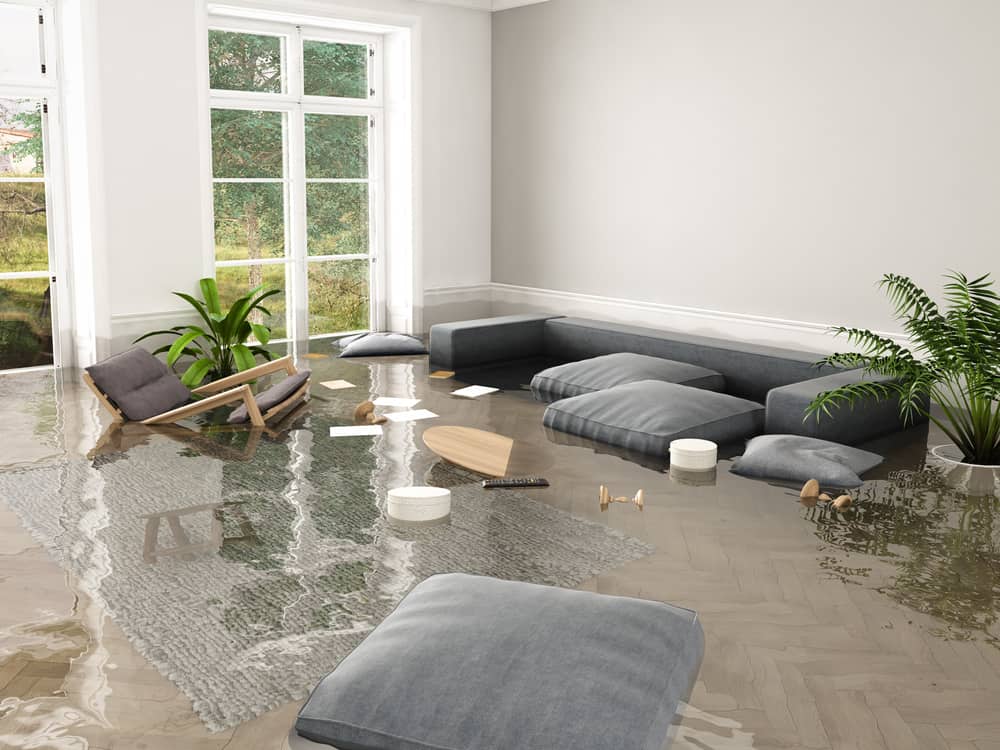
The first call triggers our response 24/7, any day of the week. When a nor’easter stalls over Nassau County at midnight or a pipe bursts on a Sunday morning, the clock is already running on that 24 to 48 hour mold window. We dispatch a crew immediately, not a scheduler asking you to book a time slot.
On arrival, we do a full assessment before anything else. In a Franklin Square home, that means checking not just the visible water but the areas clay soil and hydrostatic pressure tend to drive moisture block basement walls, floor joints, the space behind finished drywall if the basement has been renovated. Industrial moisture meters and thermal imaging identify what you can’t see with your eyes. This is where a lot of DIY attempts fall short: the visible water gets cleaned up, but the moisture inside the wall cavity stays, and that’s where mold grows.
Once the scope is mapped, we begin water extraction using commercial-grade equipment not the kind you rent from a hardware store. After extraction, industrial air movers and dehumidifiers run until moisture readings come down to safe levels throughout the structure, not just on the surface. If your home was built before 1978, which describes the vast majority of Franklin Square’s housing stock, we account for the possibility of disturbed asbestos floor tiles or lead paint a real consideration in a neighborhood where most homes predate 1960.
From there, the process moves into mold prevention treatment, structural assessment, and the repair and rebuild phase. Because we handle everything from extraction through reconstruction, there’s no handoff to a second contractor who doesn’t know what we found.

Ready to get started?
Residential Water Damage Repair in Franklin Square, NY
Water damage in Franklin Square isn’t one-size-fits-all, and our service shouldn’t be either. Burst pipe water damage in a Cape Cod with original copper supply lines behaves differently than storm-driven basement flooding in a ranch with a finished lower level. Flooded basement cleanup after a nor’easter involves different contamination risks than an appliance overflow in a first-floor laundry room. We handle all of it and our approach adjusts to the actual situation.
Our full scope of services covers emergency water extraction, structural drying and dehumidification, moisture mapping, mold remediation, odor treatment, and complete reconstruction. For Franklin Square homeowners dealing with sewage backup which qualifies as Category 3 contaminated water under IICRC standards the remediation process is more involved and requires full protective protocols. That’s not a detail you should have to figure out on your own.
Because Franklin Square falls under Town of Hempstead jurisdiction, structural repair work following water damage may require building permits through the town’s building department. We operate as a fully licensed contractor in Nassau County, which means the work is done to code and the documentation supports both the permit process and your insurance claim. For any mold remediation work, New York State Labor Law requires a separately licensed remediation contractor we hold the appropriate NYS DOL licensing to handle that without you needing to find a second company.

Does homeowners insurance cover basement flooding in Franklin Square, NY?
It depends on what caused the flooding, and this is where a lot of Franklin Square homeowners get caught off guard. Standard homeowners insurance covers sudden, accidental water damage from internal sources a burst pipe, a failed water heater, a washing machine hose that gives out. Those events are typically covered. What standard homeowners insurance does not cover is flooding from an external source: groundwater seeping in through your basement walls, storm surge, or surface water backing up through a floor drain. That type of damage requires a separate flood insurance policy, usually through the National Flood Insurance Program.
For Franklin Square specifically, this distinction matters. The clay-heavy soil under the Hempstead Plains creates persistent hydrostatic pressure against basement walls, and when that pressure wins after a heavy rain or spring snowmelt, the water that comes in may be classified as groundwater intrusion rather than a covered internal event. If you’re filing a claim, how the damage is documented and categorized at the start of the process has a real impact on what gets paid. We work directly with your insurance company and document the damage in a way that gives your claim the strongest possible foundation.
How quickly does mold start growing after a basement flood?
The EPA’s guidance is 24 to 48 hours and that’s not a worst-case estimate, it’s the standard window under normal indoor conditions. In a Franklin Square home where the basement has original block walls and clay soil holding moisture against the exterior, the conditions for mold growth can develop faster than the visible water suggests. The surface might look dry while moisture is still sitting inside wall cavities, under floor joists, or behind finished drywall in a renovated basement.
This is the core reason professional moisture mapping matters. A shop-vac and a box fan will dry the visible surface, but they don’t reach the structural cavities where mold actually takes hold. By the time you see visible mold growth which typically appears within 48 to 72 hours microscopic growth has already been underway for a day or more. If you’ve had water in your basement and you’re not sure whether it was fully dried out, it’s worth having someone with a moisture meter check the walls and floor before you assume you’re in the clear.
What should I do immediately after discovering water damage in my home?
The first thing to do is stop the source if you can safely reach it shut off the water supply valve if it’s a burst pipe, or turn off the main if you can’t isolate the line. Don’t wade into standing water if there’s any chance electrical outlets or appliances are submerged. Once it’s safe, document everything with photos and video before you move or remove anything. Insurance adjusters rely on that documentation, and the more thorough it is, the better your claim will be.
After that, call a restoration company not your insurance company first. Getting a professional on-site to document the damage properly before an adjuster arrives actually strengthens your claim, not the other way around. In Franklin Square’s older homes, where water travels through original plaster, hardwood floors, and concrete block in ways that aren’t always visible, early professional assessment is the difference between catching hidden moisture now and discovering mold behind your walls in three months. Time is the variable you have the least control over, so moving quickly matters more than anything else.
How long does water damage restoration take in a Nassau County home?
For most water damage situations, the drying phase alone takes three to five days using industrial equipment. A moderate event say, a burst pipe that affected one room might be fully resolved in one to two weeks from extraction through repairs. A more extensive situation, like a flooded basement that reached finished walls and flooring throughout, typically runs closer to three weeks when you factor in extraction, drying, mold prevention treatment, and reconstruction.
For Franklin Square homes specifically, a few things can affect that timeline. If your home was built before 1978 which is the case for the overwhelming majority of properties here testing for asbestos in floor tiles or lead paint in disturbed areas may be required before certain demolition or repair work can proceed. That’s not a delay anyone creates unnecessarily; it’s a legal and safety requirement that protects you. Additionally, any structural repairs that require Town of Hempstead building permits add a permitting step to the timeline. We walk you through all of it so there are no surprises mid-project.
Is water damage from a burst pipe in Franklin Square covered differently than storm flooding?
Yes, and the difference is significant. A burst pipe is an internal, sudden, and accidental event the kind that standard homeowners insurance is designed to cover. Storm flooding, on the other hand, involves water entering from outside the structure, which standard policies exclude. This distinction doesn’t always feel intuitive when you’re standing in a flooded basement, but it’s the line that determines what your insurer will pay.
In Franklin Square, where nor’easters and heavy summer storms regularly push water against aging basement walls, the source of the water matters for your claim. If a storm overwhelmed your sump pump and groundwater came through the basement floor, that’s likely a flood event requiring separate flood coverage. If a pipe froze and burst during a cold snap which is a real risk in Franklin Square’s older homes with original supply lines running through exterior walls with minimal insulation that’s a standard covered event. We document the cause and the damage clearly from the start, which is exactly what your adjuster needs to process the claim correctly.
How do I know if a water damage company in Franklin Square is actually qualified?
Three things to check before you commit: IICRC certification, a valid New York State contractor license, and proof of insurance. IICRC certification means the technicians have been trained and tested to industry standards it’s the credential insurance companies recognize and adjusters expect to see in the documentation. Without it, you may run into complications when your claim is reviewed. A valid NYS license means the company can legally perform the structural repair work that often follows water damage. And insurance protects you if something goes wrong on your property during the job.
For mold remediation specifically, New York State Labor Law requires a separately licensed mold remediation contractor this is not optional, and it’s worth confirming before any company starts mold-related work in your home. In Franklin Square, where the vast majority of homes are 65 to 85 years old and water damage in older construction tends to be more complex, working with a credentialed company isn’t just a preference it’s how you protect both your home and your insurance claim. We are IICRC-certified, fully licensed and insured in Nassau County, and hold the required NYS DOL mold remediation licensing.
Useful Links
Other Services we provide in Franklin Square