
Hear from Our Customers

The problem with water damage in Glen Cove isn’t always what you can see — it’s what you can’t. When Glen Cove Creek backs up during a storm and tidal pressure forces water into your basement, it doesn’t just sit on the floor. It wicks into concrete slab, seeps behind baseboards, and travels through wall cavities in ways that a shop vac and a few box fans will never reach.
What looks dry to the eye can still be holding enough moisture to grow mold within 48 hours. Post-war Cape Cods and colonials — the kind built throughout Glen Cove from the 1940s through the 1970s — have aging pipes and older foundation materials that respond to water intrusion differently than newer construction. When moisture gets in, it finds places to hide.
When the job is done right, you get more than a dry floor. You get documentation that holds up with your insurance adjuster, a home that’s been dried to IICRC standards, and the confidence that the next storm season isn’t going to reveal a mold problem you didn’t know you had.
We’ve been restoring homes across Nassau and Suffolk County for nearly three decades. That means we were here after Sandy hit Nassau County’s North Shore in 2012, and we were here after Ida’s remnants overwhelmed Glen Cove’s drainage system in 2021 — when storm flooding pushed sewage back through bathroom drains on streets throughout the city. We’ve seen what Long Island Sound storms do to Glen Cove specifically, and we know how to respond.
We’re IICRC-certified, licensed, bonded, and insured — which matters in Glen Cove because restoration work involving structural repairs requires a building permit from the City of Glen Cove Building Department, and that permit won’t be issued without a valid Nassau County home improvement license. We carry all of it.
We work directly with your insurance company, handle the paperwork, and bill the insurer directly. You don’t have to figure out which policy covers what — we’ve navigated enough Glen Cove water damage claims to know how that conversation goes.
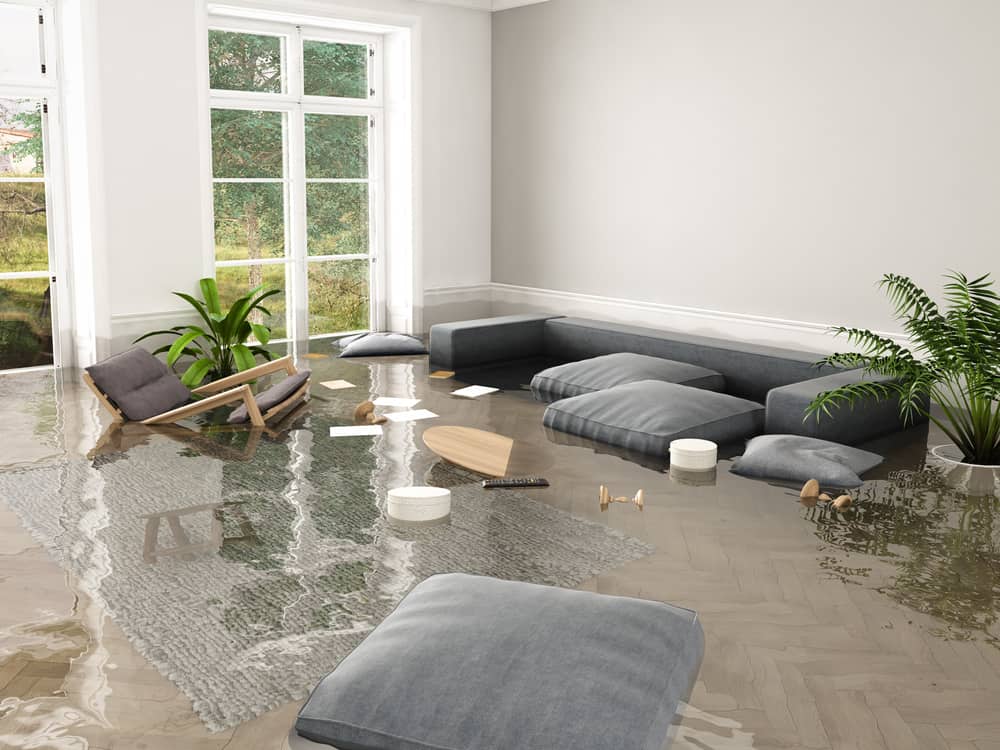
When you call, someone picks up — any hour, any day. The first thing that happens is an on-site assessment. One of our technicians comes out, evaluates the damage, and uses professional moisture meters to map exactly where water has traveled. In Glen Cove, that step matters more than it does in a lot of other places. The city’s high water table means moisture doesn’t always follow a predictable path, and homes near Hempstead Harbor or along the lower elevation blocks can show moisture in places that look completely fine on the surface.
Once the scope is clear, extraction begins. We deploy industrial pumps and water extraction equipment to pull standing water out fast. Then the structural drying phase starts — commercial-grade air movers and dehumidifiers are placed strategically to dry wall cavities, subfloors, and structural framing, not just the air in the room. Moisture readings are tracked throughout the process to confirm drying is progressing correctly.
If the damage involves sewage backflow — which Glen Cove residents who lived through Ida know is a real possibility here — the contaminated area is treated as Category 3 black water, which requires antimicrobial treatment and containment protocols that go well beyond standard water cleanup. Every step is documented for your insurance claim. If structural repairs are needed, we handle those too, pulling the necessary permits from the City of Glen Cove Building Department so the work is done right and on record.

Ready to get started?
Glen Cove’s water damage profile isn’t one-size-fits-all. A burst pipe in a post-war colonial off Glen Street is a different job than a tidal backflow event in a Garvies Point waterfront unit near the creek, and both are different from a nor’easter that overwhelms the storm drains on a block that’s flooded three times since Ida. We handle all of it — water extraction, structural drying, dehumidification, mold prevention, antimicrobial treatment, odor remediation, and full reconstruction when needed.
For Glen Cove homeowners dealing with storm-driven flooding, the sewage backflow risk is real and documented. During heavy rain events, the city’s aging sewer infrastructure can push contaminated water back through floor drains and bathroom fixtures. That’s a Category 3 contamination event, and it requires a response that’s fundamentally different from a clean-water pipe burst. We’re trained and equipped for both, and we’ll tell you exactly what category of damage you’re dealing with from the moment we arrive.
For newer residents at Garvies Point or Village Square, the risks shift toward construction-related moisture intrusion and below-grade unit flooding near Glen Cove Creek. For owners of older homes throughout the city, the concern is more often hidden moisture in aging walls and foundations. Whatever the source, the process ends the same way — a fully dried, professionally documented home and a completed insurance claim that doesn’t leave you fighting for coverage you’re entitled to.

This is one of the most common and most misunderstood questions in Glen Cove. The short answer is: it depends on the source of the water, and the distinction matters a lot. Standard homeowners insurance typically covers sudden, accidental water damage from internal sources — a burst pipe, a failed water heater, an appliance overflow. It does not cover flooding, which the insurance industry defines as water that originates outside the home and enters from the ground up, including storm surge, creek overflow, and groundwater intrusion.
Glen Cove participates in FEMA’s National Flood Insurance Program, which means some homeowners in the city carry a separate NFIP flood policy in addition to their standard homeowners policy. If your basement flooded because Glen Cove Creek backed up during a storm, that event may fall under your flood policy rather than your homeowners policy — and the documentation requirements are different for each. We work directly with both types of insurers and know how to document the damage in a way that supports your claim under whichever policy applies. Getting that documentation right from the start is what prevents a denial later.
The EPA’s guidance is clear: water-damaged areas need to be dried within 24 to 48 hours to prevent mold growth. That window is not a suggestion — mold spores can begin germinating within the first 24 hours under the right conditions, and visible growth typically appears within 48 to 72 hours. In Glen Cove, that timeline is compressed by the city’s naturally high water table and the humidity that comes with a harbor location. Moisture doesn’t just evaporate on its own in a basement that’s already sitting close to the water table.
The other issue is hidden moisture. If you cleaned up what you could see and ran a fan for a few days, the surface may look dry while the inside of your walls and the space beneath your subfloor is still holding significant moisture. That’s the moisture that becomes a mold problem six weeks later when you start noticing a smell or see discoloration behind a baseboard. Professional drying equipment — industrial dehumidifiers and air movers paired with moisture meters — is the only way to confirm that the drying is actually complete and not just superficially finished.
The first thing to do is not go into a flooded basement until you’ve confirmed the power to that area is off. Water and live electrical circuits are a serious hazard, and it’s not worth the risk. If you can safely cut power at the breaker, do that first. Then call us — the sooner, the better, given the 24 to 48 hour mold window.
While you’re waiting for our team to arrive, document everything you can with your phone. Photos and video of the standing water, the entry points, and any visible damage to walls, floors, and belongings will support your insurance claim. Don’t throw anything away yet — your adjuster may need to see damaged items. In Glen Cove, where storm flooding can involve sewage backflow from the city’s aging sewer system, avoid direct contact with the water if it looks or smells contaminated. Brown or discolored water that came in during a storm is potentially Category 3 black water, which carries health risks that make DIY cleanup genuinely dangerous.
For most water damage situations — a burst pipe, an appliance overflow, moderate storm flooding — the drying phase alone takes three to five days using professional equipment. The full restoration process, including any structural repairs, typically runs two to three weeks from initial extraction through final repairs. More extensive damage, particularly anything involving mold remediation or significant structural work, can take longer.
In Glen Cove, a few local factors can affect that timeline. Homes near Hempstead Harbor or along the lower elevation blocks of the city tend to dry more slowly because of the high water table — there’s less of a moisture gradient between the home and the surrounding soil, which slows the drying process. Older homes with fieldstone foundations or original plaster walls also retain moisture differently than modern construction and may require additional drying time. If the work involves structural repairs that require a building permit from the City of Glen Cove Building Department, permit processing time adds to the overall schedule. We’ll give you a realistic timeline after the initial assessment — not a number pulled from a brochure.
Sewage backup coverage is one of the most commonly overlooked gaps in a standard homeowners policy. Most base policies do not cover sewage or drain backup — it’s typically available only as an add-on endorsement. If you didn’t specifically add sewer backup coverage to your policy, you may find yourself without coverage for one of Glen Cove’s most documented flooding scenarios.
During Ida’s remnants in 2021, Glen Cove residents experienced exactly this — sewage backing up through bathroom floor drains and fixtures during the storm. That’s a Category 3 contamination event, and remediation for that type of damage is more involved and more expensive than a standard water damage cleanup. It requires containment, antimicrobial treatment, and careful disposal of contaminated materials. If you’re not sure whether your policy includes sewer backup coverage, pull it out and look for a sewer or drain backup endorsement before the next storm season. We can document the source and category of the damage accurately, which is what your insurer needs to process the claim — whether or not you end up having coverage.
Yes — in Glen Cove, restoration work that involves structural changes requires a building permit from the City of Glen Cove Building Department. That includes replacing damaged drywall tied to structural framing, repairing subfloor structure, or any work that touches the bones of the home rather than just surface finishes. The permit application also requires the contractor’s Nassau County home improvement license number — the city won’t issue the permit without it.
This matters more than most homeowners realize. Unpermitted structural work creates real problems when you go to sell the home or file a future insurance claim. If a buyer’s inspector or your insurer discovers that post-flood repairs were done without permits, it can complicate or kill a transaction and potentially void coverage. We’re fully licensed in Nassau County, bonded, and insured — we carry everything needed to pull permits from the City of Glen Cove and perform work that meets the city’s building code requirements. You don’t have to track that down yourself or worry about whether the paperwork is in order. It’s handled as part of the job.
Useful Links
Other Services we provide in Glen Cove