
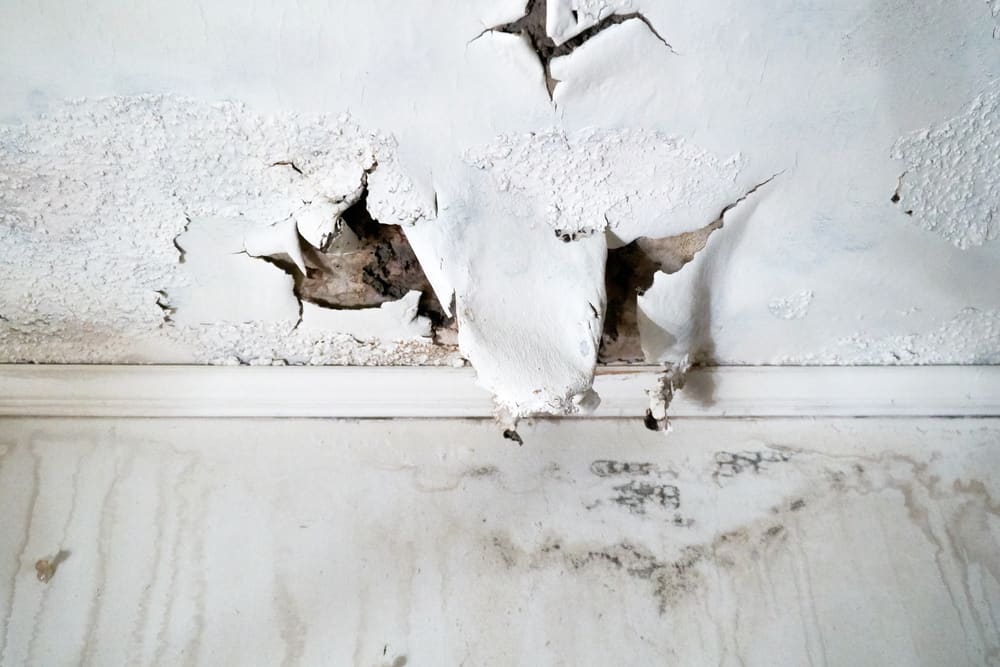
Hear from Our Customers

When water damage gets handled correctly the first time, you’re not left wondering what’s growing inside your walls six weeks later. That’s the real outcome — not just a dry floor, but actual confidence that the problem is gone. No lingering moisture, no hidden mold, no second round of remediation that costs more than the first.
For Great Neck Plaza residents, that matters more than it does in most Long Island communities. The village’s apartment buildings — many of them constructed between the 1920s and 1960s — have layered flooring systems, plaster walls, and shared plumbing stacks that hold moisture in places you’d never think to check. A surface-level cleanup doesn’t cut it here. We use industrial moisture meters, structural drying equipment, and technicians who actually understand what happens inside a multifamily building — that’s what gets you to a real resolution.
And if you’re a condo or co-op owner, you already know the insurance question is complicated. What’s covered under your HO-6 policy versus the building’s master policy? Who documents what? We’ve been working through exactly these situations with Nassau County homeowners for nearly 30 years. You get a clear process, direct insurance coordination, and a team that doesn’t disappear after the water is gone.
We’re based on Long Island and have been serving Great Neck Plaza and Nassau County homeowners and property owners for close to three decades. That’s not a corporate talking point — it means we’ve seen every version of water damage this area produces, from burst pipes in pre-war apartment buildings along Middle Neck Road to storm-related flooding triggered by the kind of intense rainfall that once turned the Great Neck LIRR station stairwells into waterfalls.
Our technicians are IICRC-certified, which is the industry’s recognized standard for water damage restoration — the same credential that insurance adjusters look for when reviewing claims. We’re also licensed, bonded, and insured, which matters when you’re dealing with a co-op board, a Great Neck Plaza building inspector, or an adjuster who needs documentation before they’ll approve anything.
You’re not calling a national franchise or a lead-generation website. You’re calling a Long Island company with a 516 area code, a real Nassau County service territory, and a track record that goes back long enough to mean something.
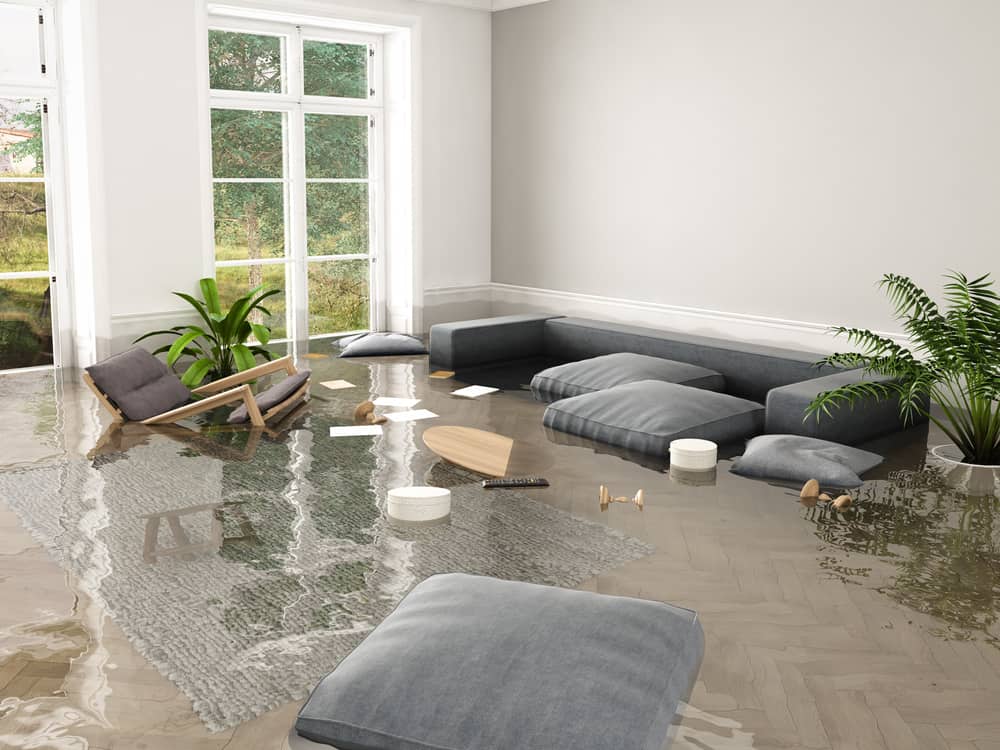
The process starts the moment you call. Whether it’s 2 a.m. after a pipe burst in your unit or 6 p.m. when you got home from the city and found standing water in your kitchen, our response is the same — a team gets moving toward Great Neck Plaza, not a voicemail box. That immediate response isn’t just a convenience; it’s the difference between a contained water damage event and a mold remediation job three weeks from now.
Once on site, our first priority is stopping the source if it hasn’t been stopped already, then assessing the full scope of the damage. In Great Neck Plaza’s older multifamily buildings, that assessment goes beyond what’s visible. We use moisture meters and thermal imaging to identify water that has migrated through shared walls, under flooring assemblies, or into structural cavities — the kind of hidden saturation that causes mold long after the surface looks dry. The Village of Great Neck Plaza has its own building department, and any structural work that follows — drywall replacement, flooring, framing — is handled with the appropriate permits and documentation in place.
From there, industrial extraction equipment removes standing water, air movers and dehumidifiers run the structural drying phase, and antimicrobial treatment addresses any microbial risk. Throughout the entire process, we document everything for your insurance claim — photos, moisture readings, scope of work — and coordinate directly with your insurer so you’re not stuck in the middle of that conversation.

Ready to get started?
We handle the complete scope of water damage restoration — not just the emergency extraction, but everything that follows. Water removal, structural drying, dehumidification, mold prevention treatment, drywall repair, flooring replacement, and full reconstruction are all handled under one roof. For a Great Neck Plaza resident managing a busy schedule and a commute to the city, that single point of contact is what makes the difference between a manageable situation and a months-long headache.
Our services cover both residential and commercial properties, which is relevant in a village that has over 260 retail and service establishments, 40 office buildings, two hotels, and institutional facilities packed into 0.3 square miles. A water damage event in a commercial space on Middle Neck Road or in one of the village’s mixed-use buildings carries its own set of complications — business interruption, tenant coordination, faster turnaround requirements — and we’re equipped for all of it.
For condo and co-op owners specifically, the documentation piece is critical. Our work is performed to IICRC standards, which means the scope, the methods, and the results are documented in a format that holds up to review by your co-op board, your insurance adjuster, and the village’s building department. If your building has any historic or architectural designation — and several of Great Neck Plaza’s older structures do — we account for that from the start.

This is one of the most common questions after a water damage event in Great Neck Plaza, and the answer depends on where the damage originated and what type of policy you have. Standard homeowners insurance — specifically an HO-6 policy for condo and co-op unit owners — typically covers sudden, accidental water damage that originates within your unit, such as a burst pipe or an appliance overflow. What it does not cover is flooding from an external source, which requires a separate flood insurance policy entirely.
The more complicated scenario is when damage originates in a neighboring unit or in the building’s shared plumbing system. In those cases, your building’s master policy may be the primary coverage, but the boundary between what the master policy covers and what your personal policy covers varies by building and by co-op or condo association agreement. We’ve navigated these exact multifamily coverage situations across Nassau County for close to three decades. We document the damage, identify the source, and coordinate with the appropriate insurer so you’re not left figuring out the coverage boundary on your own.
The EPA is clear on this: mold can begin growing within 24 to 48 hours of water intrusion under the right conditions. In Great Neck Plaza’s older apartment buildings — many built in the 1950s and 1960s with plaster walls and layered flooring systems — those conditions are often present. Plaster holds moisture differently than modern drywall, and water that migrates between floor assemblies or into shared wall cavities can stay wet far longer than the surface suggests.
What makes this especially relevant for Great Neck Plaza residents is the commuter dynamic. If a pipe fails at 8 a.m. when you leave for the city, the water has been sitting for 10 or more hours by the time you get home on the evening train. That’s already inside the mold growth window. Calling us the moment you discover the damage — or having a neighbor or building super call on your behalf — is the single most effective thing you can do to prevent a water damage event from becoming a mold remediation job. Our 24/7 emergency response exists specifically for this scenario.
Structural drying is the phase of water damage restoration that most homeowners underestimate. After standing water is extracted, the moisture that has absorbed into walls, flooring, subfloors, and framing needs to be actively removed — not just left to air dry on its own. Consumer-grade fans don’t accomplish this. Industrial air movers and commercial dehumidifiers are required to pull moisture out of structural assemblies at the rate necessary to prevent mold growth.
In Great Neck Plaza’s older multifamily buildings, this phase can be more involved than in a newer single-family home. Plaster walls, original hardwood floors, and older insulation materials absorb and release moisture differently than modern construction materials. The drying timeline depends on the extent of the damage and the materials involved, but for most residential water damage events, the structural drying phase takes three to five days with professional equipment running continuously. We take moisture readings throughout the process to confirm that the structure has reached an acceptable dryness level before any repairs begin — that documentation also goes into your insurance file.
In most cases, yes — and this is one of the more important distinctions to understand. A building superintendent can remove standing water and dry visible surfaces, but that addresses only what you can see. The moisture that has migrated into wall cavities, under flooring, or through shared structural assemblies is invisible to the eye and unreachable with a mop or a standard wet-vac.
In Great Neck Plaza’s apartment buildings, where walls are shared between units and plumbing stacks run vertically through multiple floors, water from a single event can travel further than anyone expects. A professional assessment using moisture meters and thermal imaging will tell you definitively whether the structure is dry or whether there’s hidden saturation that will become a mold problem. That assessment also creates documentation — which you’ll need if you’re filing an insurance claim or if a neighboring unit later reports damage related to the same event. Getting that documentation after the fact, once surfaces have dried on their own, is significantly harder.
Great Neck Plaza sits on a peninsula with water on three sides — Little Neck Bay to the west, Manhasset Bay to the east, and Long Island Sound to the north. That three-sided coastal exposure means that during a named storm or a significant nor’easter, the peninsula can experience surge from multiple directions simultaneously, which is a different risk profile than an inland community or a South Shore town dealing with ocean surf alone.
Beyond named storms, the village’s drainage infrastructure can be overwhelmed by intense summer rainfall events even without any coastal surge involved. A documented flash flood event at the Great Neck LIRR station — where station stairwells filled with water during a Nassau County flash flood warning — was triggered by one to three inches of rain falling quickly, not a hurricane. The village receives approximately 46.7 inches of rain annually, which is meaningfully above the national average, and the dense impervious surface coverage of the commercial district limits natural absorption. Basement apartments and ground-floor units in the village’s apartment buildings are the most consistently vulnerable, and Nassau County as a whole has experienced 22 federally declared water emergencies, with the most recent in 2024.
The honest answer is that it depends on the scope of the damage, and anyone who gives you a single number without seeing the property is guessing. For a contained event — a washing machine overflow in one room, a toilet supply line failure — the extraction and drying phase typically takes three to five days, and repairs can follow shortly after. For more extensive damage involving multiple rooms, structural assemblies, or mold remediation, the timeline extends. Water damage restoration takes an average of two weeks for most residential events, but significant flooding that reaches structural components can take longer.
In Great Neck Plaza specifically, there’s an additional factor: the village has its own building department, and any structural repair work that follows the drying phase — replacing drywall, repairing framing, restoring flooring — may require a permit from the village. We handle that process as part of the full-scope restoration, so you’re not left coordinating between a restoration company, a contractor, and the village building department separately. For condo and co-op owners, the co-op board or condo association may also have their own approval requirements for in-unit repair work, and having a licensed, insured, and fully documented restoration company managing the job makes that process considerably smoother.
Useful Links
Other Services we provide in Great Neck Plaza