
Hear from Our Customers

The goal isn’t just getting the water out. It’s making sure nothing is left behind that turns into a bigger, more expensive problem three weeks from now. Hidden moisture is the part most homeowners don’t think about until they’re dealing with a mold remediation bill that dwarfs the original cleanup cost.
In Lynbrook, that risk is higher than in most places. Older materials — plaster, wood framing, older insulation — are more porous than modern construction materials and retain moisture longer. A finished basement with older drywall and carpet can become a mold environment faster than you’d expect, especially if the initial cleanup was surface-level.
Add in the South Shore geography — Lynbrook sits about a mile from Hewlett Bay — and you have a community that deals with a high water table year-round, combined sewer overflows during heavy storms, and real storm surge exposure when a nor’easter rolls through. Getting the job done right here means accounting for all of that, not just running a dehumidifier and calling it a day.
We’ve been handling water damage emergencies across Long Island for close to three decades. That’s not a marketing number — it’s the difference between a crew that’s seen the inside of hundreds of Nassau County homes and one that’s still figuring out what pre-war construction actually looks like when it’s wet.
We’re based in West Babylon and serve all of Nassau County through a dedicated 516 line. When you call after finding a flooded basement in Lynbrook, you’re reaching a local team — not a dispatch center routing you to whoever’s available three counties away. Our technicians are fully IICRC-certified, we’re licensed, bonded, and insured, and we work directly with your insurance company so you’re not stuck managing that process on top of everything else.
Lynbrook’s Yorkshire section, its post-war Cape Cods, its Tudor-style homes along the older residential streets — this is familiar territory. We understand how water moves through these specific homes, and that familiarity matters when the job requires more than surface-level cleanup.
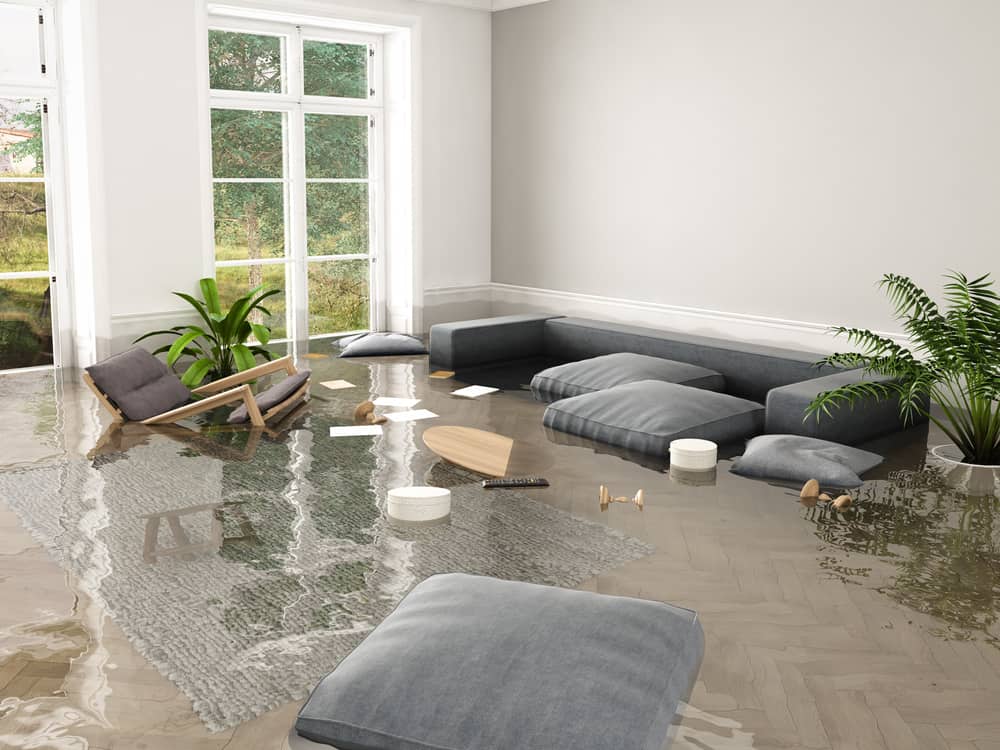
When you call, someone picks up — day or night. The first step is getting a crew to your property quickly to assess what’s happening and stop it from getting worse. In a basement flood situation, that means identifying the water source, stopping the flow if it’s still active, and beginning extraction immediately.
The EPA is clear that water-damaged areas need to be dried within 24 to 48 hours to prevent mold growth, so the clock matters from the moment you discover the problem. After extraction comes the part most homeowners don’t see: moisture mapping. We use industrial-grade equipment — moisture meters, air movers, commercial dehumidifiers — to find water that has moved into wall cavities, under flooring, and into structural materials.
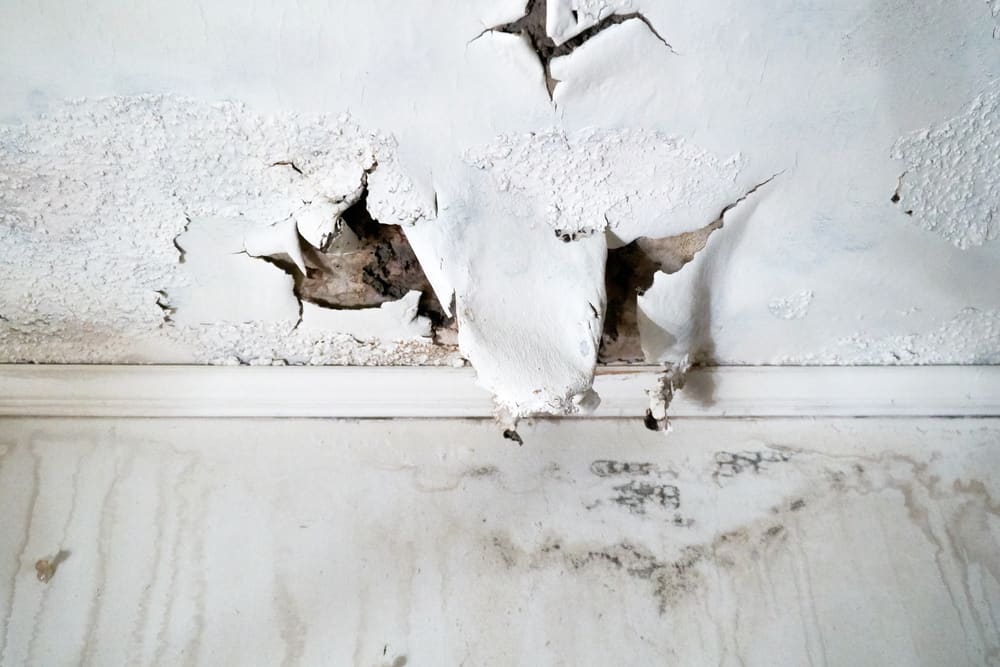
In Lynbrook’s older homes, this step is especially critical. Plaster absorbs moisture differently than modern drywall, and water can travel several feet from the original source before settling somewhere it won’t be visible on the surface. Once the structure is confirmed dry, we compile documentation for your insurance claim, and any necessary reconstruction work — drywall, flooring, framing — is handled by our team.
Because Lynbrook is an incorporated village with its own building department at Village Hall, any structural repair work is completed in compliance with local permit requirements. You don’t need to coordinate that separately — it’s part of the process.

Ready to get started?
Water damage in Lynbrook doesn’t come from one source. It comes from burst pipes in January when a cold snap hits and an older exterior wall pipe wasn’t insulated well enough. It comes from Lynbrook’s combined sewer system backing up during a heavy nor’easter, pushing water — and sewage — up through basement floor drains. It comes from slow roof leaks in Tudor-style homes where clay tiles shift over decades and let water in quietly, long before a stain appears on a ceiling.
Each of these situations requires a different response. A burst pipe is Category 1 water — clean, straightforward to extract and dry. A sewer backup is Category 3, which means contaminated water that requires full antimicrobial treatment, proper disposal of affected materials, and documentation that meets health and insurance standards. The distinction matters, and it affects both the scope of work and how the claim gets processed.
Beyond water removal, we provide structural drying, dehumidification, mold prevention treatment, content pack-out when needed, and complete reconstruction. If the storm also took out a section of your roof or left you with a compromised exterior, we offer board-up service as well. We handle the full scope of the job, including ensuring that any reconstruction work meets the applicable local standards, so you’re not left managing that compliance piece on your own.

It depends on the source of the water, and that distinction is more important than most people realize. Standard homeowners insurance typically covers sudden, accidental water damage from internal sources — a burst pipe, a washing machine overflow, a water heater that fails. What it does not cover is flooding from external sources, like groundwater rising into your basement or stormwater coming in from outside. For that, you’d need a separate flood insurance policy through the National Flood Insurance Program.
This matters in Lynbrook specifically because the village’s combined sewer system can back up during heavy rain events, and when that happens, the water entering your basement may be classified as a sewer backup rather than a flood. Many homeowners insurance policies include optional sewer backup riders — if you don’t have one, that specific event may not be covered under a standard policy. The best thing you can do immediately after discovering water damage is document everything before touching it, then call a restoration company that can properly categorize the damage source. We work directly with insurance companies and help ensure the damage is documented correctly from the start, which directly affects how your claim gets processed.
The EPA’s guidance is 24 to 48 hours. That’s the window between a water event and the point where mold spores that are already present in the air begin to colonize wet surfaces. Visible growth typically appears between 48 and 72 hours, but the process starts earlier — you just can’t see it yet.
In a Lynbrook home built in the 1930s or 1940s, that timeline can feel even more compressed because older materials — plaster, wood framing, older insulation — are more porous than modern construction materials and retain moisture longer. Consumer-grade fans and wet-vacs don’t remove moisture from inside wall cavities or under flooring, which is where mold tends to establish itself first. Professional drying equipment and moisture mapping are the only way to confirm that the structure is actually dry — not just dry on the surface.
The IICRC classifies water damage into three categories based on contamination level, and the category determines how the remediation has to be handled. Category 1 is clean water — a burst supply pipe, a rain leak through the roof, an appliance overflow from a clean source. Category 2, sometimes called gray water, involves moderately contaminated water like a washing machine overflow or a toilet overflow that doesn’t contain solid waste. Category 3, or black water, involves water that is heavily contaminated — sewage backups, groundwater intrusion, or floodwater from outside.
This is directly relevant in Lynbrook because the village operates on a combined sewer system that can back up during heavy storms, sending sewage into basement floor drains. That is a Category 3 event. It requires full antimicrobial treatment, proper disposal of porous materials that came into contact with the water, and documentation that meets both health standards and insurance requirements. Category 3 is not a situation where you extract the water and run a dehumidifier — the contamination has to be addressed specifically, and the affected area needs to be treated and cleared before the space is safe to use again.
In homes built before 1970, which describes the vast majority of Lynbrook’s housing stock, plumbing supply lines are often located in exterior walls or uninsulated spaces that weren’t designed to the thermal standards of modern construction. When temperatures drop sharply in January or February — which happens regularly in Nassau County — those pipes can freeze. The danger isn’t actually the freezing itself; it’s the thaw. When a frozen pipe thaws, the pressure that built up during the freeze is released, and the pipe ruptures. A single burst supply line can discharge several hundred gallons before the water supply is shut off.
The warning signs are often subtle — a faucet that runs slowly or not at all, unusual sounds in the walls, or a section of wall that feels cold to the touch. If you suspect a pipe has frozen, shut off the main water supply before attempting anything else, and call us immediately if you find water. The faster the water is extracted, the less damage migrates into the walls and subfloor — and in an older Lynbrook home, that migration happens quickly because older construction materials are far more absorbent than modern ones.
For most residential situations — a basement flood affecting one or two rooms, a burst pipe, a storm-related leak — the drying phase alone typically runs three to five days. Full restoration, including any reconstruction work, averages around two weeks for moderate damage. More extensive situations involving structural damage, widespread mold, or significant reconstruction can take longer.
The timeline depends heavily on the severity of the damage, the water category, and how quickly the response begins. In Lynbrook, where many homeowners are away from home during the day commuting to work, water damage events sometimes go undetected for hours — which means the drying process starts later and the scope of damage is often larger by the time anyone finds it. A burst pipe discovered at 7 PM after a full workday of running has already done significantly more damage than one caught at 7 AM. That’s why our 24/7 availability matters in a commuter community — the sooner the call comes in, the shorter the overall timeline and the lower the total cost.
Yes, in many cases. Lynbrook is an incorporated village with its own Building Department, located at Village Hall on Columbus Drive, and reconstruction work following water damage — particularly anything involving structural repairs, electrical systems, or significant drywall replacement — typically requires permits issued through the village. This is separate from Nassau County’s general home improvement contractor licensing requirements, which also apply.
The permit question catches a lot of homeowners off guard because they assume a restoration job is just cleanup. But if the water damage compromised structural framing, required opening walls, or affected systems like electrical or plumbing, the repair work crosses into territory that Lynbrook’s building code enforcement covers. Working with a restoration company that understands local permit requirements — rather than one that skips that step to move faster — protects you from code violations that can surface when you eventually sell the home or file a future insurance claim. We handle the full scope of the job, including ensuring that any reconstruction work meets the applicable local standards, so you’re not left managing that compliance piece on your own.
Useful Links
Other Services we provide in Lynbrook