
Hear from Our Customers

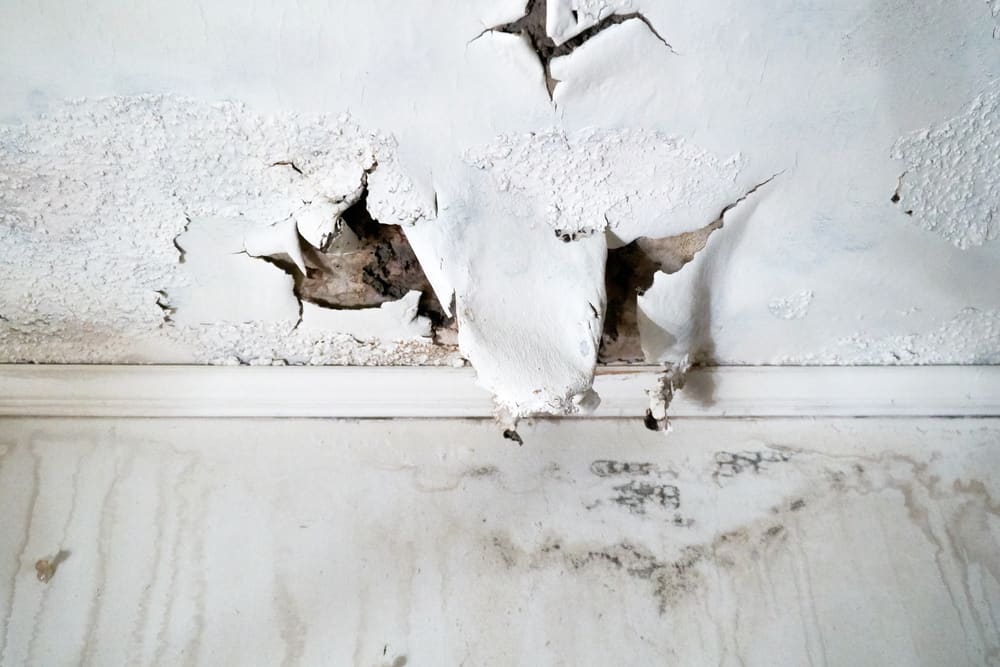
Water damage in a pre-war home hits differently than it does in newer construction. Plaster walls, original hardwood floors, and concrete block foundations absorb and hold moisture in ways that a shop vac and a box fan simply can’t address. When water gets into the structure of a home this age, the damage compounds quickly — and what looks contained on the surface often isn’t.
That’s the reality for most of Malverne Park Oaks. The median home here was built around 1938, and while these houses have held up beautifully over the decades, their plumbing and drainage systems are operating well past their designed lifespan. A burst supply line, a failed water heater, or a basement that takes on water during a heavy storm isn’t just an inconvenience — it’s a structural and financial risk in a home worth $500,000 or more.
What you actually need after a water event is thorough extraction, professional drying that reaches inside walls and under floors, proper documentation for your insurance claim, and someone who handles the whole process without you having to manage five different vendors. That’s exactly what we deliver at First Response Restoration & Cleaning — from the first call through the final repair.
First Response Restoration & Cleaning has been serving Nassau and Suffolk County homeowners for nearly three decades. That’s not a marketing number — it’s the kind of experience that only comes from working inside thousands of Long Island homes, including the pre-war housing stock that makes up most of Malverne Park Oaks and the surrounding communities of Malverne, Lynbrook, and West Hempstead.
Our technicians are IICRC-certified, which matters more than most people realize. Insurance companies expect restoration work to follow established protocols, and when it doesn’t, claims get complicated. Every job we handle is documented to the standard that adjusters accept — so your claim doesn’t stall because the paperwork wasn’t done right.
We’re a licensed, bonded, and insured operation serving all of Nassau County. When you call the 516 number, you’re reaching a local team — not a national call center routing a crew from three counties away.
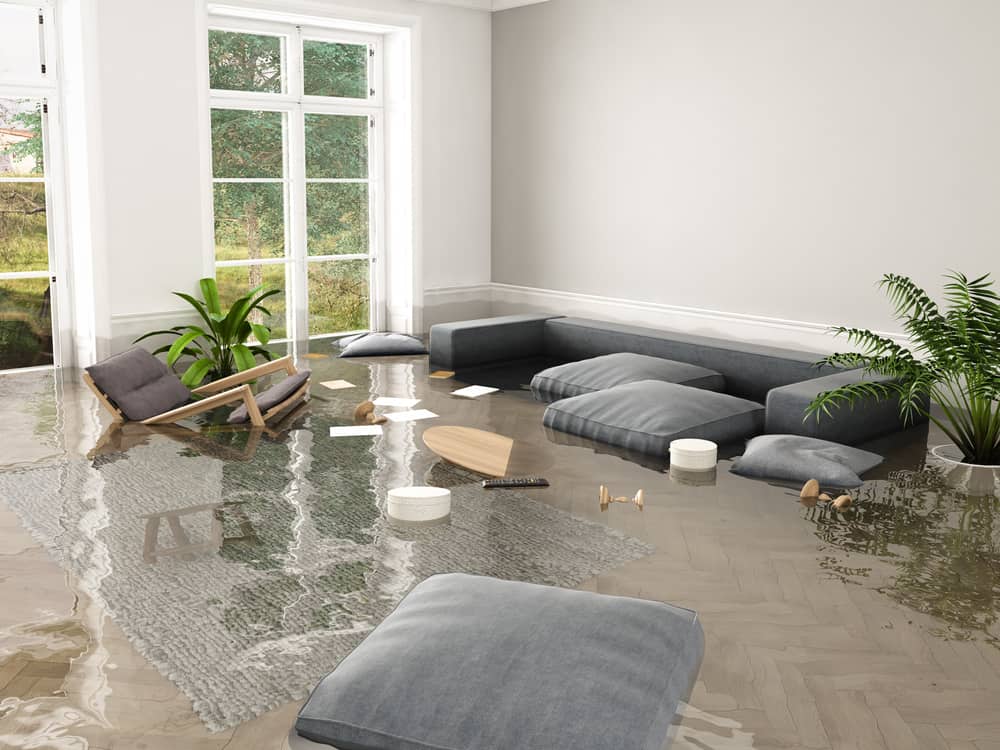
The process starts the moment you call. We respond around the clock, because in a home with 80-year-old materials, every hour that water sits is an hour that mold gets closer to taking hold. The EPA puts the window at 24 to 48 hours — and that clock starts the moment the damage happens, not when business hours resume.
Once on-site, our team does a full moisture assessment before anything else. In Malverne Park Oaks homes, that means going beyond the visible wet area. Moisture meters and thermal imaging identify what’s hiding inside plaster walls, beneath original hardwood floors, and within the concrete block or poured foundation walls common in homes built in this era. Standing water gets extracted first, then industrial-grade air movers and dehumidifiers go to work on the structural drying — equipment that reaches places consumer fans never will.
Throughout the process, everything is documented for your insurance claim. We work directly with your insurance company, handling the communication and paperwork so you’re not stuck playing middleman between your adjuster and your contractor. Any reconstruction work that requires a Town of Hempstead building permit — which applies to Malverne Park Oaks as an unincorporated hamlet under Town jurisdiction — gets handled as part of the process, not as a surprise at the end.

Ready to get started?
Water damage restoration isn’t a single service — it’s a sequence of connected steps, and skipping any one of them is how you end up with a mold problem six months after the water is gone. We handle the complete scope: water extraction, structural drying, dehumidification, antimicrobial treatment, mold prevention, contents handling, and full reconstruction when needed.
For Malverne Park Oaks specifically, flooded basement cleanup is one of the most common calls we receive. The hamlet sits in Nassau County’s flat south-shore zone, where heavy rainfall has limited natural drainage gradient. When storms overwhelm the area’s aging stormwater infrastructure — including the drainage systems running alongside the Southern State Parkway along the hamlet’s northern border — water finds its way into basements through foundation cracks, floor drains, and window wells. Malverne Park Oaks has recorded 22 FEMA water disasters, with 10 occurring since 2010 alone. These aren’t rare events.
Burst pipe water damage is equally common in homes of this vintage. Original galvanized supply lines corrode from the inside out over decades, and Long Island’s freeze-thaw cycles put additional stress on pipe runs that often have less insulation protection than modern construction. Whether the source is a burst pipe, storm flooding, or a failed appliance, our response is the same: fast, certified, and fully documented from start to finish.

It depends on the source of the damage, and the distinction matters a lot. Standard homeowners insurance typically covers sudden, accidental water damage — a burst pipe, a failed washing machine hose, an appliance overflow. What it does not cover is flooding from outside the home. If water enters through the ground, through storm surge, or through overland flow during a heavy rain event, that falls under flood insurance, which is a separate policy entirely.
For Malverne Park Oaks homeowners, this distinction is especially relevant. The hamlet has recorded 22 FEMA water disasters, 10 of them since 2010, and Nassau County’s flat terrain means that heavy storms can send water into basements through routes that blur the line between internal and external damage. How the damage is documented at the time of the event can significantly affect whether your claim gets paid. We work directly with your insurance company, document the source and extent of damage according to IICRC protocols, and handle the communication with your adjuster — so the claim is filed correctly from the start, not reconstructed after the fact.
The EPA’s guidance is 24 to 48 hours under the right conditions — and in a Malverne Park Oaks home built in the 1930s or ’40s, those conditions are often present. Original building materials like wood lath, plaster, and old-growth hardwood absorb and retain moisture differently than modern drywall and engineered lumber. They hold water longer, which means the mold window is less forgiving than it would be in a newer home.
Visible mold growth typically appears within 48 to 72 hours of a water event, but microscopic growth starts earlier. By the time you can see it, the remediation scope has already expanded. The practical implication is that a quick response isn’t just about saving your floors — it’s about keeping a water damage event from becoming a mold remediation project. Our 24/7 availability exists precisely because waiting until morning genuinely changes the outcome in homes this age.
Water extraction removes the standing water — the visible pool on the basement floor, the soaked carpet, the water sitting on hard surfaces. Structural drying is what comes after, and it’s the part that most DIY cleanup attempts miss entirely. It’s the process of removing moisture from inside walls, under floors, within ceiling cavities, and throughout the building materials that absorbed water during the event.
In a pre-war Malverne Park Oaks home, structural drying is particularly involved. Plaster walls, original subfloors, and concrete block foundations all trap moisture in ways that standard fans can’t address. Industrial dehumidifiers and air movers are positioned strategically based on moisture readings taken throughout the affected area — not just placed near the obvious wet spots. The drying phase typically runs three to five days for most homes, with daily moisture monitoring to confirm the structure is actually drying, not just surface-dry. Skipping or shortcutting this phase is the most common reason homeowners end up dealing with mold weeks after they thought the problem was resolved.
For most water damage events — a burst pipe, an appliance overflow, moderate basement flooding — the active restoration work runs about two to three weeks from initial extraction through final repairs. The first few days are extraction and setup. Structural drying typically takes three to five days, sometimes longer depending on how deeply moisture penetrated the building materials. After the structure is confirmed dry, any needed repairs or reconstruction begin.
More severe events — extensive flooding, widespread mold involvement, or structural damage — can take considerably longer. In Malverne Park Oaks, where homes often have original plaster walls and concrete block foundations, drying times can run on the longer end because these materials hold moisture more stubbornly than modern drywall. Any reconstruction work that requires a Town of Hempstead building permit adds some additional time to the schedule, though we manage that process as part of the overall job rather than leaving it to you to navigate separately.
In most cases, yes — but it depends on the extent of the damage and which areas of the home are affected. If the water event is contained to a basement or a single room, the rest of the home is typically livable during the restoration process. The equipment runs continuously during the drying phase, which means industrial dehumidifiers and air movers will be running in the affected area around the clock — they’re not quiet, but they’re not dangerous to be around.
Where displacement becomes necessary is when the damage involves sewage backup or Category 3 contaminated water, when mold is extensive enough to affect air quality throughout the home, or when structural repairs require sections of the home to be inaccessible. We’ll give you a straight answer about this during the initial assessment — not a vague response that leaves you guessing. If you do need to make temporary arrangements, having that information early helps you plan, and your insurance policy may cover additional living expenses depending on the circumstances of the claim.
A few things work against older homes in Malverne Park Oaks specifically. The housing stock is predominantly pre-1960, which means original foundations — often poured concrete or concrete block — that weren’t built with modern waterproofing membranes or drainage systems. Over decades, these foundations develop hairline cracks, mortar joint deterioration, and gaps around utility penetrations that give water a path in during heavy rain events.
The geography compounds it. Malverne Park Oaks sits in Nassau County’s flat south-shore zone, where there’s limited natural drainage gradient to carry stormwater away from residential areas. The Southern State Parkway runs directly along the hamlet’s northern border, and when its drainage infrastructure is overwhelmed during intense storms, the surrounding streets and properties absorb the excess. With 47.7 inches of annual precipitation — above the national average — and a documented history of 22 FEMA water disasters in the area, recurring basement water intrusion isn’t a fluke. It’s a predictable consequence of aging construction in a location that gets hit regularly. Addressing the immediate damage is step one; understanding why it keeps happening is how you prevent the next event from being as costly.
Useful Links
Other Services we provide in Malverne Park Oaks