Water Damage Restoration in Oceanside, NY

South Shore Homes Need More Than a Shop Vac

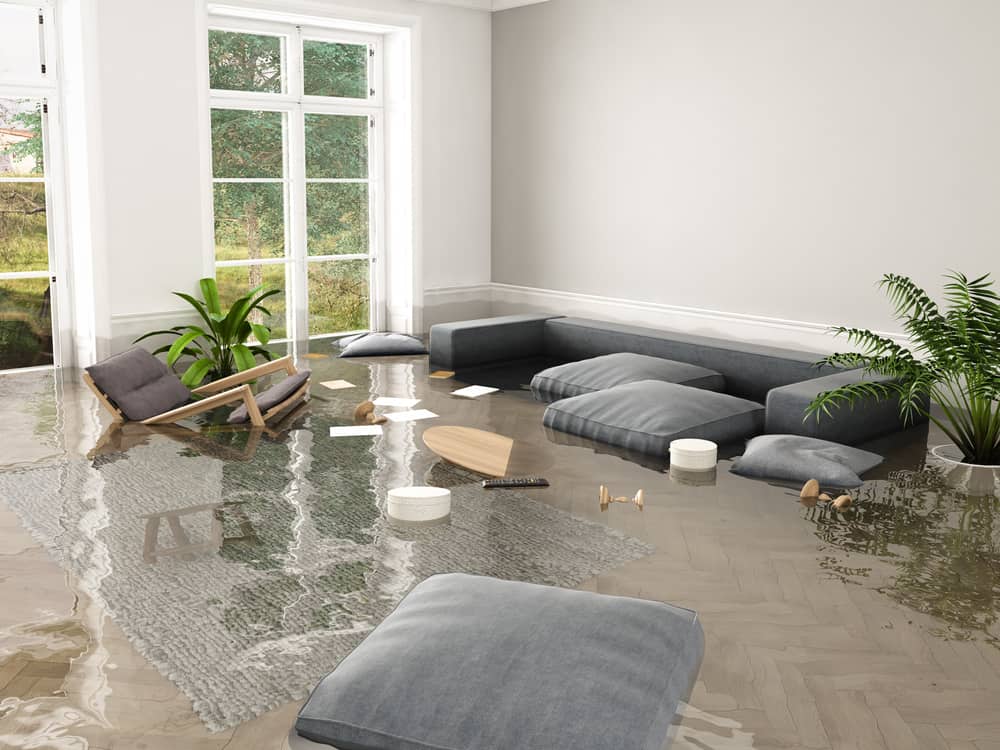
When water gets into a home built on Oceanside’s low-lying ground, it moves fast and hides well. We respond 24/7 with the tools and experience to stop it before it becomes something much worse.
Mold Removal Suffolk County

Hear from Our Customers

Water Damage Restoration Nassau County

Flood Damage Restoration in Oceanside, NY

Dry Walls, Clear Air, No Hidden Surprises Left Behind

When the water is gone, the work isn’t over. In Oceanside’s older Cape Cods and ranches — most of them built between the late 1940s and early 1960s on what was once drained swampland — moisture doesn’t just sit on the surface. It wicks into wall cavities, soaks through subfloors, and settles into the wood framing behind your drywall. You won’t see it. But it’s there.

That’s where the real damage happens. Mold colonization begins within 24 to 48 hours of water exposure, and in Oceanside’s coastal humidity, that clock moves faster than it does inland. Our goal isn’t just to dry what you can see — it’s to find and eliminate what you can’t, so you’re not dealing with a mold problem three weeks after you thought everything was fine.

What you’re left with after a proper restoration is a home that reads dry on a moisture meter, not just one that looks dry to the eye. No lingering odor. No soft spots in the floor. No mystery stains appearing on the ceiling a month later. That’s the difference between a real restoration and someone running a fan for a few days and calling it done.

Water Damage Repair in Oceanside, NY

30 Years on Long Island Means We Know Oceanside's Homes

We’ve been serving Nassau and Suffolk County homeowners for over three decades. That’s not a number we throw out to sound impressive — it means we were here after Sandy hit the South Shore, working in Oceanside and surrounding communities when the storm surge came through and left homes dealing with damage most people had never seen before.

We’re IICRC-certified, which matters more than it might sound. That certification is the same benchmark your insurance adjuster uses to evaluate whether the restoration work was done correctly. It protects you, not just us.

We also offer up to $500 toward your deductible on qualifying claims — because we know that writing that check before the work even starts is one of the most frustrating parts of this whole process. No other major restoration company serving Oceanside publicly offers that. We do.

Mold Inspection Nassau County

Emergency Water Extraction in Oceanside, NY

From the First Call to a Fully Dry Home — Here's What to Expect

You call, and someone actually answers — any hour, any day. We ask a few quick questions to understand what you’re dealing with, then dispatch a team to your Oceanside home as fast as possible. The first priority on arrival is stopping the source if it hasn’t been stopped already, then getting standing water out immediately. Every hour of delay is an hour the water is moving deeper into your structure.

Once the visible water is out, we bring in moisture meters and thermal imaging equipment to map exactly where the water has traveled. In Oceanside’s post-war housing stock, that often means checking inside wall cavities, under finished basement floors, and behind older insulation that acts like a sponge. This step is non-negotiable — skipping it is how hidden moisture turns into a mold problem.

From there, we set up industrial drying equipment and dehumidifiers calibrated for the coastal humidity levels common on the South Shore. We monitor moisture readings daily until everything reaches normal levels. If structural repairs are needed — drywall, framing, flooring — we handle that too, and we coordinate with your insurance company throughout the entire process so you’re not managing that on top of everything else.

Water Damage Restoration Nassau County

View Our Blogs

Contact Us Today

Residential Water Damage Cleanup in Oceanside, NY

Everything the Job Needs — Not Just the Easy Parts

Water damage restoration in Oceanside isn’t a one-size situation. A burst galvanized pipe in a 1955 Cape Cod on Lawson Boulevard is a different job than a storm surge event flooding a finished basement near the canal streets off Long Beach Road. We handle both — and everything in between.

Our scope covers emergency water extraction, structural drying, dehumidification, mold prevention treatment, contents handling, and full reconstruction when needed. If your home requires permits through the Town of Hempstead Building Department for structural repairs, we coordinate that. If your damage involves a sewage backup — which qualifies as Category 3 contamination under industry standards and requires specialized remediation — we handle that under New York State’s licensing requirements for mold and contamination work.

For commercial properties in Oceanside, including businesses along Long Beach Road or facilities near Mount Sinai South Nassau Hospital, we bring the same 24/7 response and IICRC-certified process. Downtime costs money, and we work to minimize it from the moment we arrive. Whether it’s a single-family home or a commercial space, you get one team handling the full scope — extraction, drying, documentation, and rebuild — so nothing falls through the cracks between contractors.

Water Damage Restoration Suffolk County

Does homeowner's insurance cover water damage from flooding in Oceanside?

This is one of the most important questions to get right before you file anything. Standard homeowner’s insurance typically covers sudden, internal water damage — a burst pipe, a failed appliance, a roof leak. What it does not cover is flooding from an external source, which includes storm surge, surface flooding, and rising groundwater. For that, you’d need a separate flood insurance policy, usually through the National Flood Insurance Program (NFIP).

In Oceanside, this distinction matters more than it does in most Nassau County communities. Homes south of Sunrise Highway sit in Nassau County’s designated storm surge evacuation zone, and many properties near the canal streets and Middle Bay are in FEMA Special Flood Hazard Areas. If your basement flooded during a nor’easter or a tidal surge event, the claim type and the documentation requirements are different from an interior pipe failure. We work with both claim types and make sure the damage is documented correctly for whichever applies to your situation — because filing under the wrong category is one of the fastest ways to get a claim denied.

Mold can begin colonizing within 24 to 48 hours of water exposure when moisture contacts organic materials — and in Oceanside’s coastal climate, that timeline is not generous. The South Shore’s consistently high humidity, especially from late spring through early fall, creates conditions where mold doesn’t need much of a head start. If water has reached drywall, wood framing, or carpet backing in your home, the clock is already running.

The other factor that makes this urgent in Oceanside specifically is the age of the housing stock. Homes built in the 1950s and 1960s often have wall cavities with little or no insulation, which means water spreads faster and farther than it would in a newer, tighter build. By the time you see discoloration or smell something off, mold is already established. That’s why response time isn’t just a convenience — it’s the primary thing standing between a water extraction job and a full mold remediation project.

Mitigation is the emergency phase — stopping the damage from getting worse. That means extracting standing water, removing saturated materials that can’t be saved, and getting drying equipment running as fast as possible. It’s the triage part of the job, and it’s time-critical. The faster mitigation happens, the less total damage you’re dealing with.

Restoration is everything that comes after. Once the structure is dry and the moisture readings are at normal levels, restoration covers repairing or replacing what was damaged — drywall, flooring, insulation, framing, finished surfaces. In Oceanside, where a lot of homes have finished basements used as living space, restoration often involves a significant rebuild after a flooding event. Some companies stop at mitigation and hand you off to a separate contractor for the repairs. We handle both under one roof, which means fewer coordination headaches for you and a cleaner handoff between phases of the work.

The honest answer is that you probably can’t tell on your own — not with any confidence. Water travels through building materials in ways that aren’t visible from the surface, and in Oceanside’s older Cape Cods and ranches, the construction methods of the 1950s and 1960s make that worse. Older wall assemblies, uninsulated cavities, and aging materials absorb and hold moisture in ways that modern construction doesn’t.

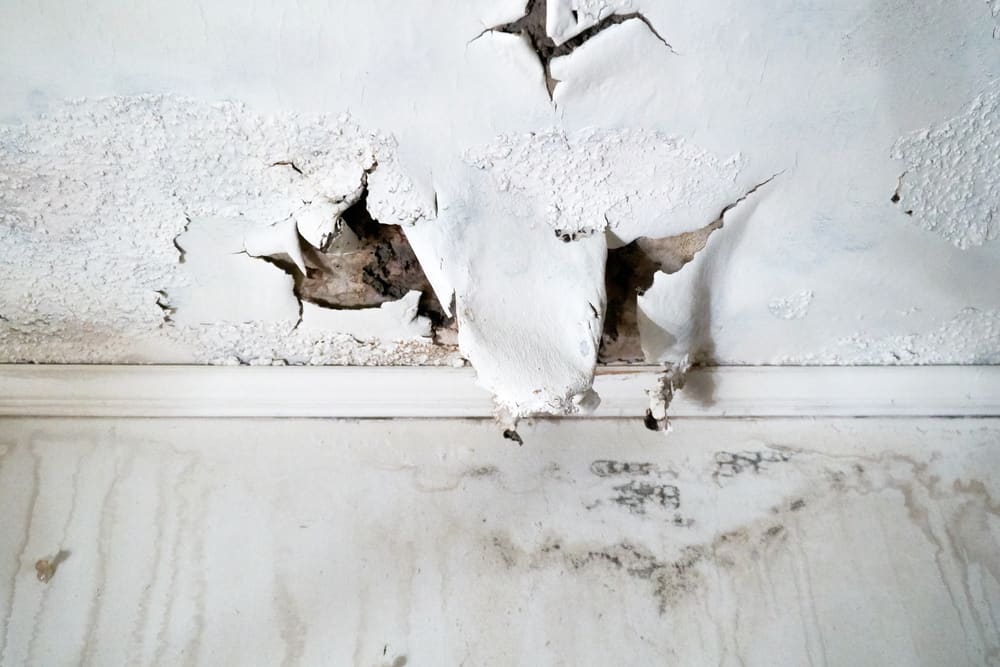
The signs that something is wrong often show up late: a soft spot in the floor, a stain on the ceiling that keeps coming back, a musty smell that doesn’t go away, or paint that bubbles along a baseboard. By that point, the moisture has usually been there for a while. We use professional moisture meters and thermal imaging cameras to detect elevated moisture behind walls, under floors, and inside ceiling assemblies — areas that look completely normal to the eye but are reading wet on the equipment. That’s how we find the problem before it finds you.

You don’t have to manage it yourself. We assist with documentation, adjuster communication, and making sure the scope of work is correctly supported throughout the claim process. For Oceanside homeowners who’ve dealt with storm-related claims before — especially anyone who went through the Sandy recovery process in 2012 — you already know how complicated this can get, and how much a poorly documented claim can cost you.

Our IICRC certification matters here in a very practical way. Insurance adjusters evaluate restoration work against the ANSI/IICRC S500 standard. When a certified company documents the damage, takes the moisture readings, and records the drying process correctly, the claim has a much stronger foundation. We also offer up to $500 toward your deductible on qualifying claims, which reduces your out-of-pocket cost before the work even begins. If you’re dealing with both a homeowner’s policy and an NFIP flood policy — which is common for properties in Oceanside’s lower-lying areas — we understand how those two claim types work differently and make sure each is handled correctly.

In Oceanside, basement flooding typically comes from one of a few sources: storm surge or surface flooding during major weather events, groundwater intrusion when the water table rises after heavy rain, sump pump failure during a storm, or interior pipe failures from aging plumbing. The community sits on former swampland, which means the water table in many areas is naturally high — and during prolonged rain events or coastal storms, it rises quickly. Homes near the canal streets and waterways off Long Beach Road are especially exposed to this.

Prevention depends on the source. Sump pump maintenance, battery backup systems, and proper grading around the foundation address groundwater issues. For homes with aging galvanized or cast iron plumbing — common in Oceanside’s post-war housing stock — proactive pipe inspection can catch deterioration before it becomes a failure. But even well-maintained homes get flooded, particularly on the South Shore during nor’easter season. What you can control is how fast you respond when it happens. The sooner water is extracted and drying begins, the less structural damage you’re dealing with — and the lower the total cost of the restoration.