
Hear from Our Customers

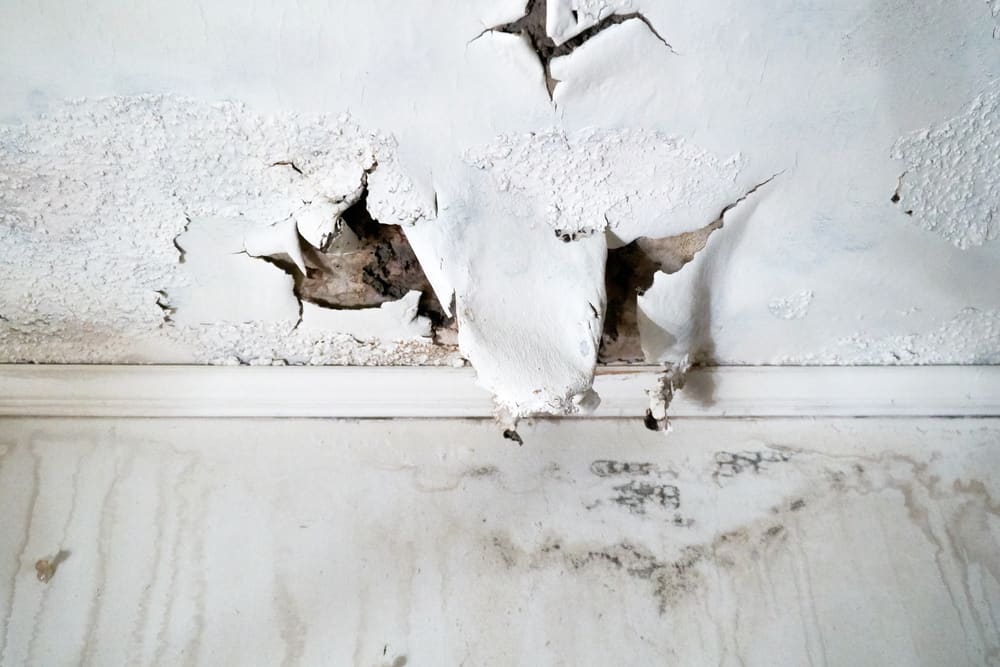
When water gets into an Old Bethpage home, it rarely stays where you can see it. Most of the houses here were built between 1950 and 1969 — original plaster walls, hardwood subfloors, and basement cavities that have been sealed for decades. Water travels into all of it.
A surface cleanup leaves moisture behind. That moisture becomes mold. And mold in a home worth $900,000-plus is a problem that compounds fast.
What you actually need is a team that dries the structure, not just the floor. That means industrial dehumidifiers, air movers, and moisture meters that map what’s happening inside your walls — not just what’s visible to the eye. When the job is done correctly, you’re not just dry on the surface. You’re dry where it counts, with documentation that holds up when your insurance adjuster reviews the claim.
Old Bethpage’s inland position means your flood risk isn’t storm surge from the bay — it’s a sump pump that quit during a nor’easter power outage, a water heater that gave out in the basement, or a pipe that finally split after six decades of Long Island winters. These are the events we respond to every week across Nassau County, and we know exactly how they play out in homes like yours.
First Response Restoration & Cleaning has been working in Old Bethpage and Nassau County homes since the mid-1990s. That means we’ve seen what happens when a 1960s ranch on the Plainview-Old Bethpage border takes on water, and we know how to handle it completely. Our technicians are fully certified by the IICRC, and our company is licensed, bonded, and insured.
We’re based in West Babylon and serve all of Nassau County with a dedicated local team. Old Bethpage is a straight shot up Route 135 from our base — when you call our Nassau County line, you’re reaching people who know this area, not a national call center routing you to whoever’s available. We work directly with your insurance company, handle the documentation, and bill them directly so you’re not stuck in the middle of a dispute over a claim on a home you’ve spent decades building equity in.
When you call, we ask a few quick questions to understand what you’re dealing with — where the water came from, how long it’s been sitting, and whether there’s any visible structural damage. That helps us arrive prepared.
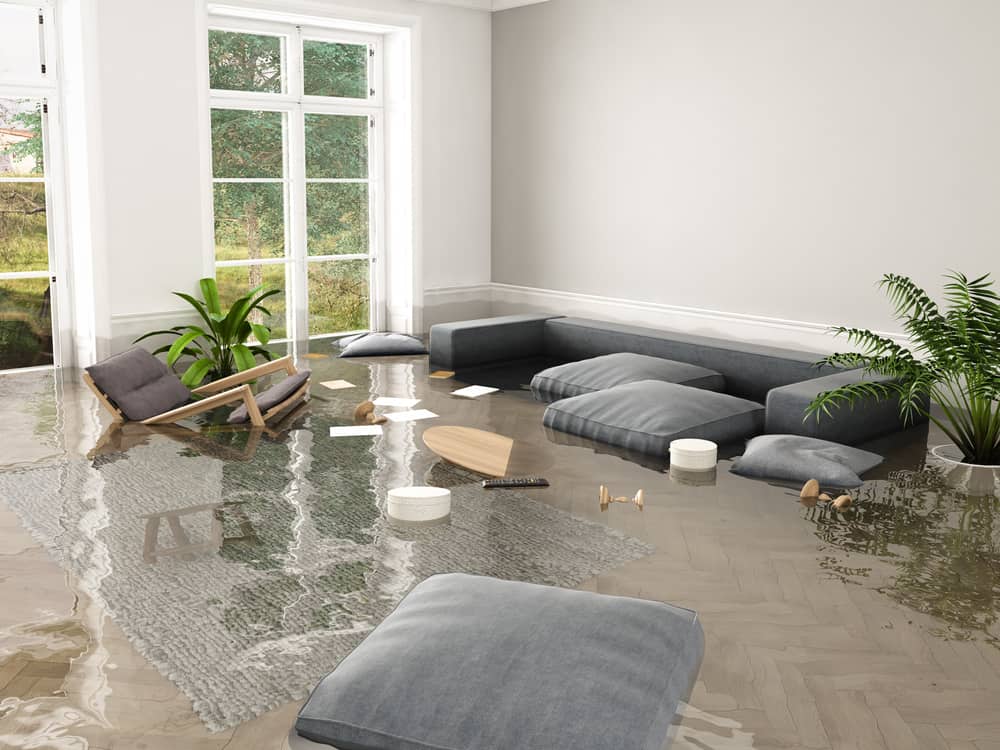
For most Old Bethpage homeowners, the event is either a basement flood from a failed sump pump or pipe, or water that came in through an aging foundation wall during a heavy storm. Either way, the clock matters. The EPA is clear that mold can begin developing within 24 to 48 hours of a water event, and in a home with decades-old insulation and original plaster, that window is not generous.
On arrival, we do a full moisture assessment — not just a visual check. We use professional moisture meters to map what’s wet inside the walls, under the floors, and in any structural cavities. Then we extract standing water, set up industrial drying equipment, and establish a drying timeline based on the actual readings. We check back consistently to monitor progress and adjust equipment as needed. Nothing gets packed up until the moisture readings confirm the structure is dry.
If your home needs reconstruction after the drying phase — drywall, flooring, structural repairs — we handle that too. Any structural work in Old Bethpage falls under the Town of Oyster Bay’s permitting requirements, and we’re familiar with that process. You won’t be left managing a separate contractor to finish what we started.

Ready to get started?
Water damage restoration in Old Bethpage covers more ground than most homeowners expect when they first call. The immediate work — water extraction, structural drying, dehumidification — is the foundation. But because roughly three-quarters of Old Bethpage’s housing stock was built in the 1950s and 1960s, the full scope often extends into areas that newer homes simply don’t have: original basement walls with hairline cracks that have been slowly wicking moisture for years, plaster ceilings that hold water differently than modern drywall, and subfloor systems that were never designed with today’s drainage volumes in mind.
Beyond the drying phase, we provide mold inspection and remediation when moisture readings indicate risk, odor treatment, and full reconstruction services when structural repairs are needed. We document everything throughout — photos, moisture logs, equipment records — because that documentation is what supports your insurance claim and protects you if questions come up later. We bill your insurance directly and manage the back-and-forth with your adjuster so you’re not left translating between your contractor and your carrier.
For Old Bethpage homeowners dealing with a burst pipe, a flooded basement, storm damage from a nor’easter, or a water heater failure, the service scope adapts to what the home actually needs. There are no named packages or preset tiers — we assess the damage, tell you exactly what’s required, and do the work completely.

Standard homeowners insurance typically covers sudden, accidental water damage from internal sources — a burst pipe, a water heater that fails, a washing machine that overflows. What it does not cover is flooding from external water sources, like groundwater seeping through your foundation during a storm or rainwater backing up through a drain.
For Old Bethpage homeowners, this distinction matters because the most common water events here aren’t coastal surge — they’re internal failures in aging plumbing systems or groundwater intrusion through foundation walls that have been settling for 60-plus years. If your basement flooded because your sump pump failed during a nor’easter power outage, coverage depends on how your policy is written and whether you carry a sump pump rider or separate flood policy. The language varies significantly between carriers.
One of the things we do from the start is help you understand what’s likely covered before you file, and we document the damage in a way that supports your claim rather than complicating it. We work directly with your insurance company and handle the billing — you don’t have to manage that process alone on top of dealing with a damaged home.
The EPA states that mold can begin developing within 24 to 48 hours of a water event under the right conditions — and in an older Old Bethpage home, the conditions are almost always right. Original plaster walls, wood framing from the 1950s and 1960s, and decades-old insulation all hold moisture in ways that modern materials don’t. Visible mold growth typically appears within 48 to 72 hours, but microscopic growth starts earlier. By the time you can see it, the remediation scope has already grown.
This is why the response timeline matters as much as the quality of the work. Extracting standing water quickly and getting industrial drying equipment in place within the first day significantly reduces the risk of mold taking hold. Consumer-grade fans and dehumidifiers don’t generate the airflow or moisture removal capacity needed to dry a structural cavity — they manage surface moisture at best.
If you’ve had a water event in your home and you’re not sure whether it was fully dried, a professional moisture assessment can tell you what’s actually happening inside the walls before it becomes a mold problem.
The first thing to do is make sure it’s safe to enter the space. If there’s standing water near any electrical panel, outlets, or appliances, don’t go in — shut the power to that area at the breaker if you can do so safely, and wait for a professional. Once you’ve confirmed it’s safe, take photos and video of everything before you move or remove anything. That documentation is important for your insurance claim, and disturbing the scene before it’s recorded can create gaps in coverage.
Then call for emergency water removal as quickly as possible. In Old Bethpage, sump pump failures during nor’easter power outages are one of the most common causes of basement flooding — the pump goes out, the water table rises with sustained rainfall, and the basement fills before the power comes back on. The longer that water sits against original 1950s or 1960s foundation walls and subfloors, the deeper it penetrates.
We respond 24 hours a day, seven days a week, because these events don’t wait for business hours and neither should the response.
For a single-room or basement water event with no structural damage or mold involvement, the drying phase typically runs three to five days. Full restoration — including any drywall repair, flooring replacement, or reconstruction — usually brings the total timeline to around two to three weeks. Larger events or situations where moisture has been sitting for an extended period before being addressed can extend that significantly, sometimes to several months if structural repairs are substantial.
In Old Bethpage specifically, the age of the housing stock can affect the timeline in a few ways. Original plaster walls dry more slowly than modern drywall and may need to be opened in sections to allow airflow into wall cavities. Hardwood subfloors from this era can absorb significant moisture and sometimes require replacement rather than just drying.
We give you a realistic timeline based on actual moisture readings after the initial assessment — not a generic estimate — and we update you as the drying progresses. Any reconstruction work that requires permits goes through the Town of Oyster Bay’s building department, and we’re familiar with that process so it doesn’t become a separate project you’re managing on your own.
In most cases, yes — especially if the water event is contained to the basement or a single room and there’s no sewage involvement or significant mold. Industrial drying equipment runs continuously and creates noise and airflow that some people find disruptive, but it doesn’t typically make a home uninhabitable. We’ll give you an honest assessment of whether staying is practical based on what we find during the initial inspection.
The situations where temporary displacement becomes necessary are usually those involving Category 3 water — sewage backup, groundwater contamination, or floodwater that’s carried contaminants into living spaces. In those cases, the health risk from remaining in the home during remediation is real.
For Old Bethpage homeowners dealing with a straightforward burst pipe or appliance overflow, staying home is usually fine. If the scope expands during the process — if we open walls and find mold that needs remediation, for example — we’ll tell you immediately and walk you through what that means for your living situation. No surprises.
A general contractor can repair the visible damage — replace drywall, refinish floors, patch a ceiling. What they typically can’t do is verify that the structure is actually dry before they close it back up. If moisture remains inside a wall cavity or under a subfloor when reconstruction begins, you’ve just sealed a mold problem behind new drywall. In a home worth close to $1 million in Old Bethpage, that’s an expensive mistake that shows up months later when the air quality changes or the new drywall starts showing staining.
IICRC certification means the technicians working in your home are trained specifically in water damage restoration science — moisture mapping, drying standards, contamination categories, and the documentation protocols that insurance companies expect. The IICRC S500 standard governs how water damage restoration is performed, and insurance adjusters recognize work completed to that standard.
Choosing a non-certified contractor can create complications when your claim is reviewed. For a Nassau County homeowner with a significant property value at stake, the certification isn’t a formality — it’s the difference between a claim that closes cleanly and one that doesn’t.
Useful Links
Other Services we provide in Old Bethpage