
Hear from Our Customers

When the water is gone and the fans are off, the real question is what’s still hiding inside your walls. In Plainedge, where the majority of homes were built in the 1950s and 1960s, moisture doesn’t just sit on the surface — it moves into original plaster walls, beneath hardwood floors, and behind baseboards that have been in place for six decades.
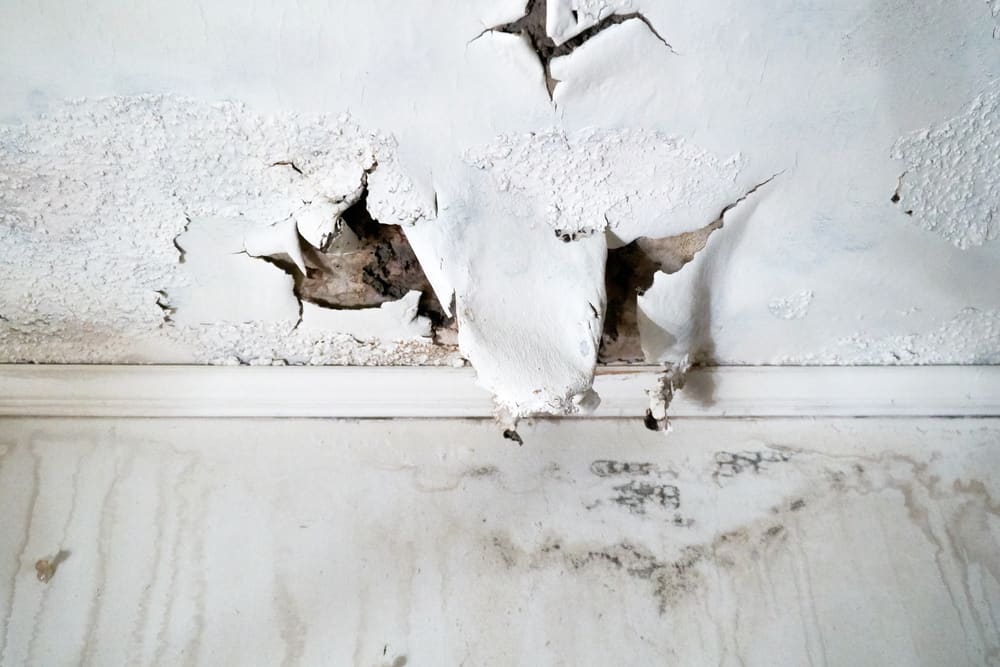
A surface-level cleanup leaves that moisture behind. What follows is mold, structural decay, and an insurance claim that gets complicated because the damage wasn’t properly documented from the start.
Getting it right means your Plainedge home is dry all the way through — not just where it looks dry. It means the drywall isn’t harboring hidden moisture that turns into a mold problem three months from now. It means your insurance claim is documented correctly the first time, so you’re not fighting with an adjuster over what was there and what wasn’t.
Plainedge homeowners have a lot riding on this. With median property values at $592,000 and annual property taxes exceeding $10,000, your home is your most significant financial asset. The flat terrain of the Hempstead Plains and Nassau County’s notoriously shallow water table mean basement flooding here often comes from below — groundwater pushing through floor cracks and foundation seams after a heavy rain — not just from a burst pipe overhead.
That specific condition requires a specific response, and it’s the kind of thing that only comes from real experience working in Plainedge and the surrounding area.
We’ve been serving Plainedge and Nassau County homeowners for nearly three decades. That’s not a marketing number — it means we’ve worked inside hundreds of post-war homes exactly like the ones lining Plainedge’s residential streets. We know how a 1958 ranch responds to water intrusion differently than a newer build. We know how Nassau County’s South Shore water table behaves after a storm. And we know how Nassau County insurance adjusters work, because we’ve been dealing with them directly for years.
Our team is IICRC-certified, licensed, bonded, and insured — and we handle insurance billing directly, so you’re not stuck in the middle between your insurer and your contractor. There’s no national dispatch center involved. When you call the 516 number, you’re reaching a team that actually covers Plainedge and can get there quickly when it matters.
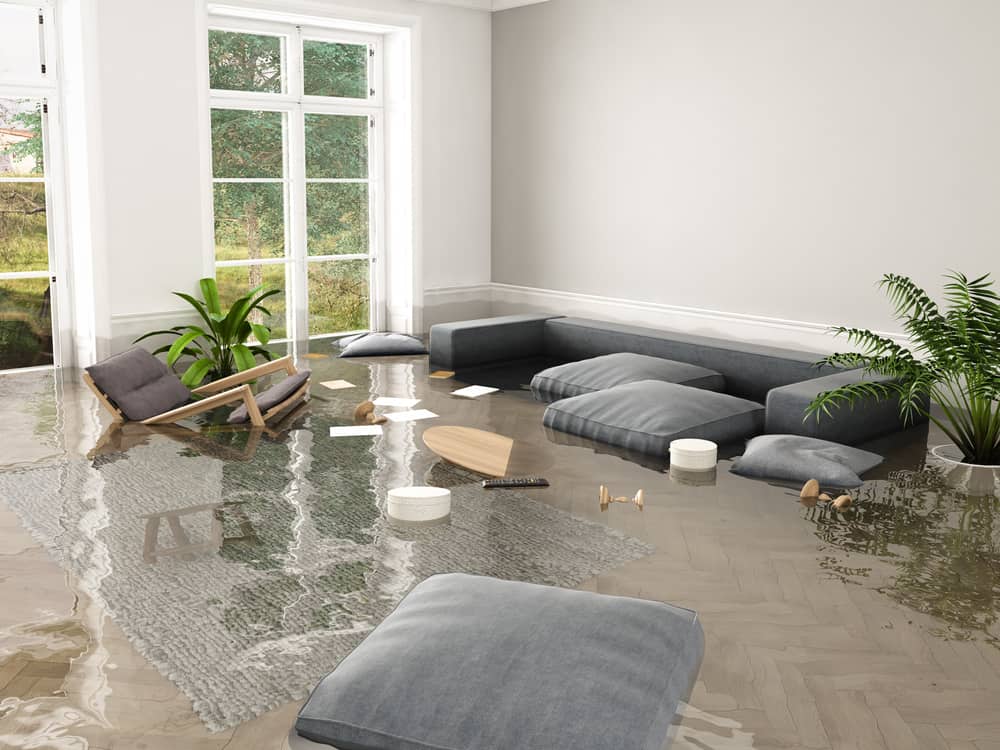
The first thing that happens is an assessment. Before anything gets moved or dried, we identify the source of the water, the extent of the damage, and — critically — where moisture has traveled that you can’t see. In Plainedge’s older homes, that often means checking inside wall cavities, under flooring, and in the structural framing of finished basements.
Industrial moisture meters and thermal imaging equipment find what the naked eye misses. Once the scope is clear, water extraction begins. This isn’t a shop-vac operation — it’s commercial-grade equipment that pulls water out of materials, not just off surfaces.
After extraction, the drying phase starts: high-capacity air movers and dehumidifiers running continuously, often for several days, until moisture readings confirm the structure is genuinely dry. Every reading is documented, which matters when your insurance claim goes to an adjuster.
If the damage requires structural repairs — drywall replacement, subfloor work, reconstruction — we handle that too, under the same roof. Any structural work in Plainedge falls under Town of Oyster Bay building permit requirements, and mold remediation in New York State requires licensing under Article 32 of the Labor Law. We’re equipped to handle both. You don’t need to coordinate separate contractors or figure out the permit process yourself.

Ready to get started?
Plainedge’s housing stock creates a specific set of water damage risks. Homes built in the 1950s and 1960s were designed without modern vapor barriers, and their original plumbing systems — galvanized steel pipes, copper supply lines, aging water heaters — are now well past their intended lifespan.
A burst pipe in one of these Plainedge homes doesn’t just flood a room; it sends water into wall cavities and under flooring before anyone realizes what’s happening. Winter cold snaps are a particular risk, because the plumbing in many of these Cape Cods and ranches runs through poorly insulated exterior walls or unheated spaces that weren’t designed for modern Long Island winters.
Beyond pipe failures, basement flooding from groundwater intrusion is a recurring reality in this part of Nassau County. The flat topography along the Hempstead Plains edge provides no natural drainage relief, and when the water table rises after a heavy rain, sump pumps get overwhelmed and water comes up through basement floor cracks. That’s a different problem than a burst pipe, and it requires a different extraction and drying approach.
We respond to all of it: burst pipe water damage, flooded basement cleanup, storm damage restoration, sump pump failure, sewage backup, and mold remediation after any of the above. Our service runs 24 hours a day, seven days a week, because water damage doesn’t follow business hours — and in Nassau County’s aging housing stock, waiting until morning is rarely a safe option.

Generally, yes — but the details matter. Standard homeowners insurance covers sudden, accidental water damage from internal sources like a burst pipe, a failed water heater, or an appliance overflow. What it does not cover is flooding from external groundwater, which is a separate policy entirely. It also typically won’t cover damage that resulted from a slow, ongoing leak that went unaddressed — insurers call that a maintenance issue rather than a sudden event.
In Plainedge, where many homes have original plumbing systems that are 60 or more years old, the line between “sudden failure” and “gradual deterioration” can get blurry in an adjuster’s eyes. That’s exactly why having IICRC-certified professionals document the damage properly from the start matters so much. We work directly with insurance companies, handle the paperwork, and make sure the claim is presented accurately — which significantly reduces the chance of a denial or a dispute over what was covered.
The EPA’s guidance is clear: mold can begin growing within 24 to 48 hours of water intrusion under the right conditions. In a finished basement — which is common in Plainedge’s post-war homes — those conditions are almost always present. Drywall, carpeting, and wood framing absorb moisture quickly and hold it well, creating exactly the warm, damp environment where mold spores germinate.
What makes this especially relevant in Plainedge is that basement flooding here often comes from groundwater intrusion rather than a single visible event like a burst pipe. Water seeps in gradually through floor cracks or foundation seams, which means it can be sitting in your walls and under your flooring for hours before you realize the extent of it. By the time the water is visibly gone, the clock on mold growth may already be running.
This is why response speed matters — and why a surface cleanup with consumer-grade fans isn’t enough. Getting the structure genuinely dry, all the way through, within that first 48-hour window is the only way to reliably prevent mold from taking hold.
This is one of the most common points of confusion, and it has real financial consequences. Standard homeowners insurance covers water damage from internal sources — a pipe that bursts, a washing machine that overflows, a water heater that fails. It does not cover flooding, which the insurance industry defines as water that originates from an external source: storm surge, overflowing bodies of water, or groundwater inundation. Flood coverage requires a completely separate policy, typically through the National Flood Insurance Program.
For Plainedge residents, this distinction is particularly important. The hamlet sits on Nassau County’s South Shore, where the shallow water table means that after a significant storm, water can push up through basement floors from below — technically groundwater intrusion, which may not be covered under a standard homeowners policy. If you’re unsure what your policy covers, the best time to find out is before you have a claim, not after. We can help you understand what’s documented and how to present the damage accurately to your insurer, but reviewing your actual policy coverage is a conversation worth having with your insurance agent proactively.
It depends on the extent of the damage and where it’s located. For a localized event — a burst pipe in one bathroom, for example — most homeowners can remain in the home while drying equipment runs. The equipment is loud and the affected area will be inaccessible, but the rest of the house is typically livable.
For more significant flooding, particularly in finished basements that are used as living space or home offices, the answer is more complicated. If the damage involves sewage backup or Category 3 water — which is highly contaminated — the affected area needs to be treated as a health hazard and you should not be spending time near it. If mold remediation is required, containment protocols are put in place that may limit access to parts of your home.
We’ll give you a straight answer about what’s realistic for your specific situation after the initial assessment. In Plainedge, where many families have children in the Plainedge school district and daily routines that depend on a functioning home, we take minimizing disruption seriously — but not at the cost of cutting corners on the work itself.
For most residential water damage situations, the drying phase alone takes three to five days — and that’s with commercial-grade equipment running continuously. A typical basement flooding event, from initial extraction through final drying confirmation, runs about two to three weeks when you include any structural repairs or reconstruction that’s needed afterward.
The timeline can extend significantly if mold is found during the process, or if the damage has reached structural framing that needs to dry before repairs can begin. In Plainedge’s older homes, where original wood framing and plaster walls absorb moisture differently than modern materials, the drying phase sometimes takes longer than it would in a newer build.
We monitor moisture readings throughout the process and don’t close out the job until the numbers confirm the structure is genuinely dry — not just dry enough. Rushing that phase to save time is one of the most common mistakes in this industry, and it’s what leads to mold problems appearing weeks after a cleanup that looked complete.
IICRC certification means the technicians working in your home have been trained to the industry’s established standard for water damage restoration — the S500 protocol, which defines how different categories of water damage are assessed, contained, and remediated. Insurance companies recognize this standard. When a claim goes to an adjuster, documentation produced by IICRC-certified professionals carries weight that documentation from an uncertified crew simply doesn’t.
In Nassau County, where the average water damage insurance claim runs into the thousands of dollars and where post-Sandy homeowners have seen firsthand how complicated the claims process can get, that distinction is not minor. Working with a non-certified company can create gaps in documentation that give an insurer grounds to dispute or reduce a claim.
Beyond the insurance angle, certification also matters for mold remediation specifically — New York State requires that mold assessors and remediators be licensed under Article 32 of the Labor Law, and any company working in Plainedge homes needs to meet that requirement. Our IICRC-certified team and fully licensed status mean the work holds up — on the job, in the paperwork, and in the claim.
Useful Links
Other Services we provide in Plainedge