
Hear from Our Customers

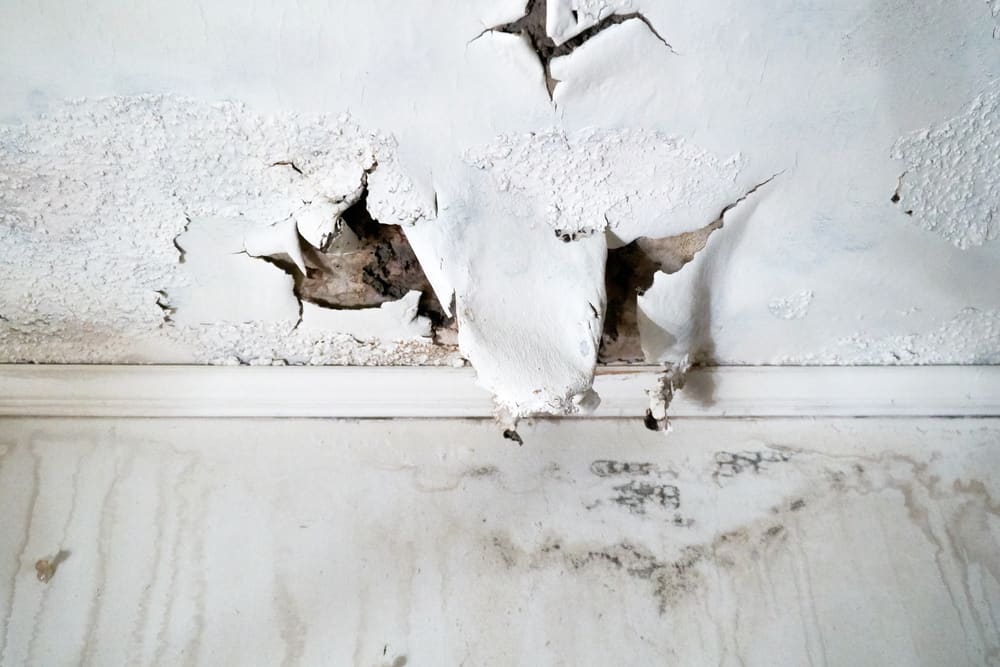
Dry walls and a clean floor are the baseline. What you actually need is the confidence that nothing was missed — no moisture hiding behind original plaster, no damp sitting under your hardwood floors, no mold quietly starting inside a wall cavity that won’t show itself for another six weeks.
The housing stock in Plandome Heights is genuinely old. With a median construction year of 1938 and roughly 70% of homes built before 1950, these properties hold moisture differently than modern construction. Galvanized supply lines corrode from the inside out. Pre-war structural cavities don’t breathe the same way. When water gets in, it travels further and hides better.
We use industrial moisture meters, professional-grade dehumidifiers, and air movers that reach places a shop vac never will. Because Plandome Heights sits adjacent to Manhasset Bay, the flood risk here isn’t just about burst pipes or appliance failures. The village has formally adopted FEMA flood hazard designations for portions of its jurisdiction. Nor’easters between October and April drive Long Island Sound water against these harbor communities in a slow, grinding way that creeps into basements before most homeowners realize it’s happening.
When that’s the situation, you need a restoration company that understands both the water source and the building it’s entering.
We’ve been serving Nassau County homeowners for close to three decades. That’s actual time spent working on the kinds of homes that exist here: brick-and-stone Colonials, Tudor Revivals, pre-war construction with original systems that require a different level of care than anything built after 1970.
When you call our 516 number, you’re reaching a local Nassau County team, not a regional dispatch center routing calls from somewhere else. We’re IICRC-certified, licensed, bonded, and insured. On a home worth $3.5 million with original architectural details, those credentials aren’t just a checkbox — they’re what stands between a clean insurance settlement and a disputed claim.
We work directly with your insurance company, handling the documentation and adjuster communication so you’re not left to figure that out while your home is still wet. Plandome Heights homeowners expect professionalism. That’s exactly what shows up.
The first thing that happens when you call is a real conversation about what you’re dealing with — not a hold queue. We’re available around the clock because water damage in a pre-war home doesn’t pause for business hours, and the EPA is clear that the window to prevent mold growth is 24 to 48 hours. Every hour matters, especially in a home where original plaster and old hardwood absorb moisture faster than modern materials.
Once on-site, we do a full assessment before anything else. Moisture meters map what’s wet, including inside walls and under floors where you can’t see it. This step is what separates a thorough restoration from a cleanup that leaves a problem behind. Extraction equipment removes standing water, then industrial drying equipment runs until the readings confirm the structure is genuinely dry — not just dry on the surface.
Because restoration work in Plandome Heights falls under the village’s building code, any structural work requiring a permit gets handled correctly from the start. If your property sits in one of the village’s designated flood hazard areas under Chapter 65 of the Village Code, that regulatory context is factored into how the scope of work is documented — which matters when your insurance adjuster is reviewing the claim. The final step is a complete damage report you can actually use.

Ready to get started?
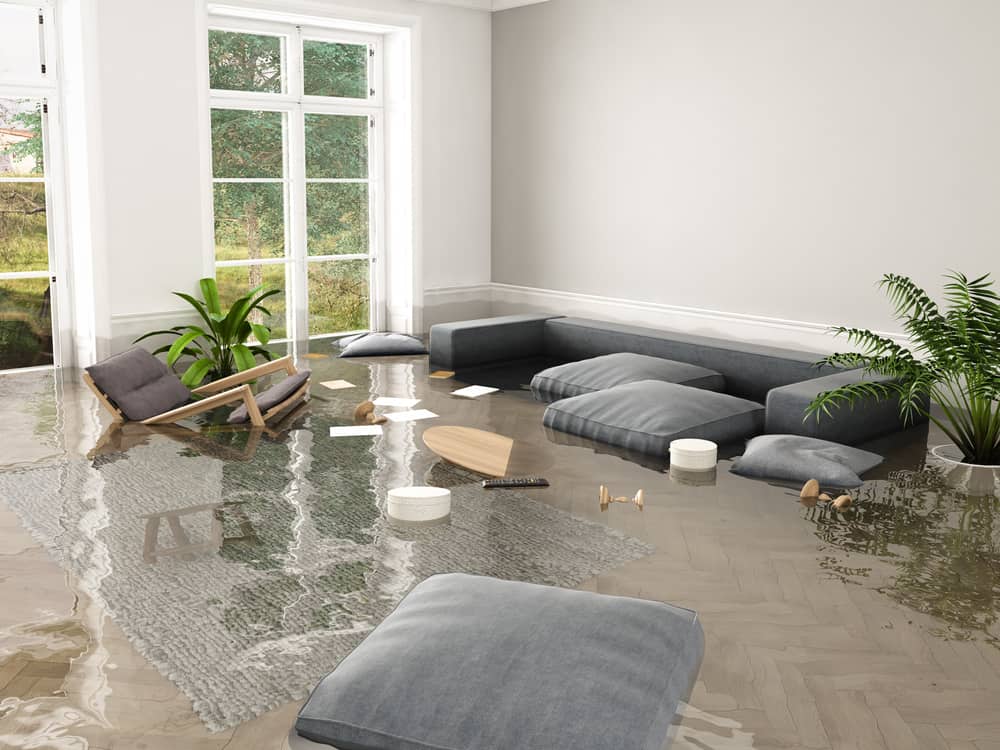
Water damage restoration in Plandome Heights covers the full range of what these homes actually experience. Burst pipe water damage is a recurring issue in the winter months, particularly in homes with original steam heating systems where an unused wing can freeze during a sustained cold snap along the Sound shore.
Flooded basement cleanup is another common call, both from appliance failures and from the groundwater pressure that builds against pre-war basement walls during heavy rain on this hilly, wooded terrain. Storm damage restoration comes into play after nor’easters push Manhasset Bay water into low-lying properties from October through April.
Every job includes water extraction, structural drying, moisture mapping, and antimicrobial treatment to stop mold before it starts. For homes with the village’s historic architectural character — including the nine surviving Duke-era Spanish Revival properties on Summit Drive and throughout Plandome Heights — our assessment phase pays close attention to what can be salvaged versus what needs to be replaced, because ripping out original plaster or stucco without that judgment call causes a different kind of damage.
We handle the insurance documentation throughout, which means your adjuster gets a complete, professionally prepared record of the damage and the work performed — not a handwritten estimate.

Standard homeowners insurance typically covers sudden, accidental water damage — a burst pipe, a washing machine hose that gives out, a water heater that fails. What it does not cover is flooding. If water enters your home from outside — storm surge, surface runoff, groundwater — that requires a separate flood insurance policy through the National Flood Insurance Program.
This distinction matters in Plandome Heights because the village has formally adopted FEMA flood hazard designations for portions of its jurisdiction under Chapter 65 of the Village Code. Properties near Manhasset Bay may sit in a designated Special Flood Hazard Area, which carries a 26% chance of flood damage over the life of a 30-year mortgage. If you’ve never checked whether your property falls within that zone, it’s worth knowing before a nor’easter answers the question for you.
We work directly with your insurance company and help document the damage in a way that supports your claim from the start.
The EPA’s guidance is that water-damaged areas need to be dried within 24 to 48 hours to prevent mold growth. In a newer home with modern drywall, that window is real but manageable. In a Plandome Heights home built in the 1930s or 1940s, original plaster walls and pre-war structural cavities absorb and hold moisture differently — which means the conditions for mold can develop faster and in places that aren’t immediately visible.
Mold spores don’t need much to get started. They’re already present in the air; they just need moisture and a surface. Once visible growth appears — typically after 48 to 72 hours — you’re already past the prevention window and into remediation territory. Getting a professional assessment done quickly, with proper moisture meters rather than a visual check, is what actually tells you whether the structure is dry or just appears to be.
The distinction comes down to where the water originated. Water damage — in insurance terms — means water that came from inside the home or from above: a burst pipe, an overflowing appliance, a roof leak during a storm. Flood damage means water that rose from the ground or came in from outside, which includes storm surge, surface flooding, and groundwater intrusion.
Standard homeowners insurance covers the first category. It never covers the second. Flood damage requires a separate policy, typically through FEMA’s National Flood Insurance Program. This matters in Plandome Heights because the village sits adjacent to Manhasset Bay and has FEMA-designated flood hazard areas within its boundaries. Homeowners whose properties are in those zones and who don’t carry separate flood insurance may find that a nor’easter-driven basement flood isn’t covered by their standard policy at all. Knowing which type of damage you have — and documenting it correctly from the beginning — is part of what we handle when we coordinate directly with your insurer.
For most water damage situations, the drying phase alone takes three to five days using industrial equipment. The full restoration process — from initial extraction through structural drying, any needed repairs, and final documentation — typically runs around two weeks for moderate damage. More extensive situations involving structural repairs or mold remediation can extend that timeline significantly.
In a pre-war home, the timeline can be affected by the building materials involved. Original plaster holds moisture longer than modern drywall. Hardwood floors that have absorbed water need careful monitoring before any decisions are made about whether they can be saved or need to come out. Structural cavities in homes built before 1950 don’t always dry at the same rate as the surfaces around them, which is why professional moisture readings — not visual checks — are what determine when the job is actually done. The goal is a thorough dry-out, not a fast one that leaves a problem behind.
In many cases, yes — particularly if the water damage is contained to one area of the home, like a basement or a single room. The drying equipment runs continuously, which means noise and airflow throughout the affected area, but most homeowners can remain in unaffected parts of the house without issue.
The situations where staying becomes more complicated are when the damage is widespread, when there’s confirmed mold growth that requires containment, or when the source of the water was sewage-related. Category 3 water — which includes any water that came in contact with sewage or significant contamination — creates health risks that typically require the affected areas to be off-limits until remediation is complete. A pre-war home with aging cast iron drain lines is not immune to sewage backup, particularly during heavy rain events when older combined systems can be overwhelmed.
We’ll give you a straight answer about what’s safe and what isn’t after the initial assessment, so you’re not making that decision without the full picture.
IICRC certification means the technicians performing the work are trained to the industry’s established standard — the same standard that insurance companies recognize when reviewing claims. On a high-value property in Plandome Heights, where a water damage claim can involve a home worth well over three million dollars, the quality of the documentation and the credibility of the company doing the work directly affects how your claim is handled.
Insurance adjusters are familiar with IICRC-certified restoration companies. The work is performed and documented according to recognized protocols, which makes it harder for a claim to be disputed or underpaid on technical grounds. A non-certified company may do a decent cleanup job, but if their documentation doesn’t meet the standard an adjuster expects, you may find yourself in a coverage dispute on top of everything else. In a village where the homes are architecturally significant and the property values are what they are, cutting corners on the restoration company is one of the more expensive decisions a homeowner can make.
Useful Links
Other Services we provide in Plandome Heights