
Hear from Our Customers

When water gets into a home in Plandome Manor, the stakes are different than almost anywhere else on Long Island. You’re dealing with a large, often older custom home — Tudor Revivals, Georgians, estates with original plaster walls and hardwood floors — and a property worth well into the millions. A surface-level cleanup job isn’t going to cut it here.
What you actually need is someone who can find the moisture you can’t see, dry the structure completely, and document everything in a way your insurance company will accept. That last part matters more than most people realize. Water damage claims on high-value Nassau County properties involve adjusters, policy language, and documentation requirements that can make or break your recovery. When the remediation is done by IICRC-certified technicians following the IICRC S500 standard, the work holds up. When it isn’t, claims get complicated.
There’s also the cesspool reality specific to Plandome Manor. The village has no public sewer connection — every one of its roughly 275 homes relies on a cesspool or septic system. When heavy rain saturates the ground around that system, it can push Category 3 contaminated water back into your basement. That’s not a situation a shop vac and a box fan can fix. It requires proper containment, antimicrobial treatment, and professional documentation. Getting that process right from the start protects your home, your family, and your claim.
First Response Restoration & Cleaning has been serving Nassau County homeowners for nearly three decades. That means we’ve worked through every kind of water damage scenario this area produces, from burst pipes in post-war ranch houses to cesspool backups in waterfront estates overlooking Manhasset Bay.
Plandome Manor sits within our core service area, and we reach it through our dedicated 516 line. When you call, you’re not reaching a national call center or a franchise dispatcher in another state. You’re reaching a local team that knows North Shore Nassau, knows how older custom homes behave when water gets inside them, and knows how to work carefully in homes where the finishes, the woodwork, and the architectural details are irreplaceable.
We’re IICRC-certified, licensed, bonded, and insured. We handle the insurance coordination directly so you’re not stuck playing middleman between your adjuster and our team. From the first call to the final repair, one company handles it all.
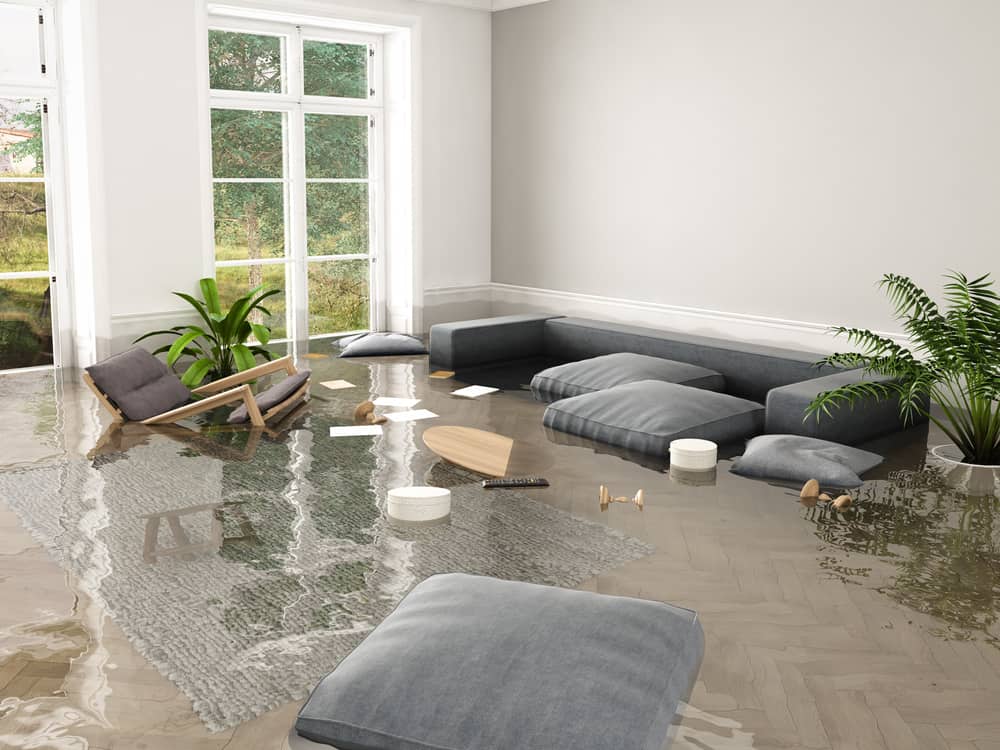
The moment you call, we start moving. Our team is available around the clock because the EPA is clear that water-damaged areas need to be dried within 24 to 48 hours to prevent mold growth. In a home with plaster walls, original hardwood floors, and structural cavities that moisture can travel into, that window is not flexible. We dispatch quickly and arrive ready to work — not to assess and schedule something for next week.
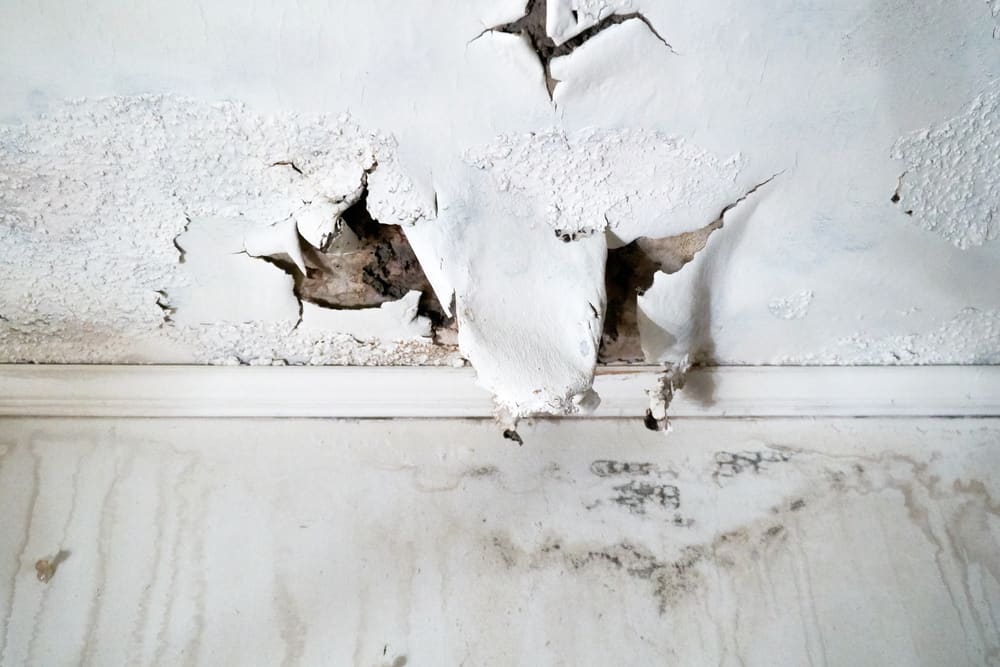
Once on site, the first step is a thorough moisture assessment. We use industrial-grade moisture meters and detection equipment to map where the water has traveled — including inside walls, under floor systems, and in structural members you can’t see from the surface. This matters especially in Plandome Manor’s older homes, where water can wick through plaster and into the framing in ways that look dry on the surface but aren’t.
From there, we extract standing water, deploy industrial air movers and dehumidifiers, and begin the structural drying process. This typically runs three to five days for most homes, though larger or more complex properties may take longer. Throughout the process, we document everything — moisture readings, equipment placement, daily drying logs — in the format your insurance adjuster will need.
If your home requires reconstruction after the drying phase is complete, we handle that too. You don’t need to find a separate contractor. One call, start to finish. If you’re in the eastern portion of Plandome Manor — the section that falls within the Port Washington Union Free School District boundary — any reconstruction work will still require permits through the Village of Plandome Manor’s own building process. We’re familiar with how that works and can walk you through what’s needed before work begins.

Ready to get started?
Water damage in Plandome Manor can come from several directions, and the response has to match the source. A burst pipe in a 4,000-square-foot home with original plumbing behind plaster walls is a different job than a washing machine overflow in a newer build. A cesspool backup during a saturated-ground event after heavy rain is a Category 3 black water situation — contaminated, hazardous, and requiring a completely different protocol than clean water extraction.
Storm surge or elevated groundwater near the Leeds Pond watershed, where over 2,000 acres of drainage eventually makes its way through a 22-acre pond and into Manhasset Bay, creates its own set of conditions for homes along that corridor in Plandome Manor.
We handle all of it: emergency water removal and extraction, structural drying and dehumidification, moisture mapping behind walls and under floors, antimicrobial treatment for contaminated water events, mold prevention, and full reconstruction when structural repairs are needed. There are no named service tiers or packages — the scope is determined by what your home actually needs, assessed on site, and documented for your insurance carrier from day one.
For Plandome Manor homeowners specifically, the insurance piece deserves attention. The village’s Chapter 121 flood damage prevention code aligns with FEMA and NFIP requirements, which means claims involving storm-related flooding may intersect with both your homeowner’s policy and a separate flood policy if you carry one. We work directly with your insurance company, handle the documentation, and communicate with your adjuster so the process doesn’t fall on you to manage alone.

Standard homeowner’s insurance covers sudden, accidental water damage from internal sources — a burst pipe, a water heater failure, an appliance overflow. It does not automatically cover sewage or cesspool backup. That coverage typically requires a separate endorsement added to your policy, sometimes called a water backup or sewer backup rider.
In Plandome Manor, this distinction is especially important because the village has no public sewer connection. Every home relies on a cesspool or septic system, and when heavy rain saturates the ground, those systems can fail and push contaminated water into your basement. If you don’t have a water backup endorsement on your policy, that event may not be covered under your standard homeowner’s policy at all.
The first thing to do after a cesspool backup is call a restoration company that can document the source and category of the water correctly — that documentation is what your insurer will use to evaluate the claim. We handle that process from the moment we arrive.
The EPA’s guidance is that water-damaged areas need to be dried within 24 to 48 hours to prevent mold growth. That’s not a worst-case scenario number — it’s the standard threshold under normal indoor conditions. Mold spores are already in the air; they just need a wet surface to land on and start growing.
In Plandome Manor’s older homes — many of which have plaster walls, original hardwood subfloors, and structural cavities that hold moisture — the risk is actually compounded. Moisture that gets behind plaster or under original flooring doesn’t dry out on its own. Consumer fans can move air across the surface, but they can’t pull moisture out of the wall cavity or the subfloor system.
By the time you see mold on the surface, it’s already been growing behind it for days. That’s why the 24 to 48 hour window isn’t just a guideline — it’s the actual point at which the scope and cost of remediation starts to escalate. Calling sooner rather than later is always the right move.
The IICRC S500 standard — the industry’s governing document for water damage restoration — classifies water intrusion into three categories based on contamination level. Category 1 is clean water from a source like a burst supply pipe or appliance overflow. Category 2, sometimes called gray water, comes from sources like a washing machine drain or a toilet overflow without solid waste. Category 3, called black water, is highly contaminated — sewage backups, groundwater intrusion, and floodwater all fall here.
The category determines the entire remediation protocol. Category 1 can often be dried in place with appropriate equipment. Category 3 requires containment, removal of affected porous materials like drywall and carpet, antimicrobial treatment, and thorough documentation.
In Plandome Manor, cesspool backups are Category 3 events by definition — the water coming back through a saturated cesspool system is contaminated regardless of how it looks. Treating a Category 3 event like a Category 1 cleanup is one of the most common mistakes homeowners make, and it’s one that creates serious health risks and can void an insurance claim if the remediation isn’t documented to the correct standard.
For most homes, the drying phase alone takes three to five days using industrial equipment. Water extraction typically runs one to three days depending on the volume and the affected area. If structural repairs or reconstruction are needed after drying is complete, the full timeline from first call to finished home can run two to three weeks for moderate damage — longer if there’s significant structural involvement or mold remediation required.
In Plandome Manor specifically, the size and construction of the homes adds variables. A 4,000-plus square foot home with multiple finished levels, original plaster walls, and hardwood subfloors takes longer to dry completely than a smaller, more straightforward structure. Plaster holds moisture differently than drywall, and the drying equipment has to be positioned and monitored carefully to ensure the moisture readings inside the wall cavity are actually declining — not just the surface.
We track moisture readings daily and don’t call a job complete until the readings confirm the structure is dry, not just until the visible water is gone.
The first thing to do is make sure it’s safe to enter. If there’s any chance the flooding reached electrical outlets, panels, or appliances, don’t go into the space until the power has been shut off at the breaker. If the flooding is from a cesspool backup or if the water is discolored or has an odor, treat it as contaminated and don’t make contact without protection.
After safety is confirmed, call a restoration company before you start moving things around or trying to clean it yourself. The documentation of the damage — photos, moisture readings, the source of the water — is critical for your insurance claim, and disturbing the scene before it’s documented can create problems with your adjuster.
You can start removing standing water with a wet-vac if you have one and it’s safe to do so, but understand that consumer equipment can’t reach moisture inside walls or under floors. The clock on mold growth starts the moment the water arrives, not the moment you call. Getting a professional team on site within the first several hours makes a real difference in both the scope of the damage and the outcome of the claim.
Yes, and it’s worth understanding why. Leeds Pond sits at the bottom of a watershed covering more than 2,000 acres. When that watershed gets saturated — during heavy rain events, spring snowmelt, or significant storms — the water has to go somewhere, and it moves toward the pond and ultimately toward Manhasset Bay. Homes near the pond, along the creek corridor, or on the bay-facing western edge of Plandome Manor can experience groundwater intrusion and surface flooding that isn’t the same as a burst pipe inside the house.
From a restoration standpoint, groundwater intrusion and storm-related flooding are typically classified as Category 3 water events — they carry contaminants from the soil and drainage system, not just clean water from a supply line. That affects the remediation protocol, the materials that need to be removed versus dried in place, and the documentation required for your insurance claim.
It also intersects with the village’s flood damage prevention code under Chapter 121, which aligns with FEMA and NFIP requirements. If you carry a separate flood insurance policy — which standard homeowner’s insurance does not replace — the claim process and documentation requirements are different from a standard water damage claim. We work with both types of claims and can help you understand which policy applies to your specific situation from the moment we assess the damage.
Useful Links
Other Services we provide in Plandome Manor