
Hear from Our Customers

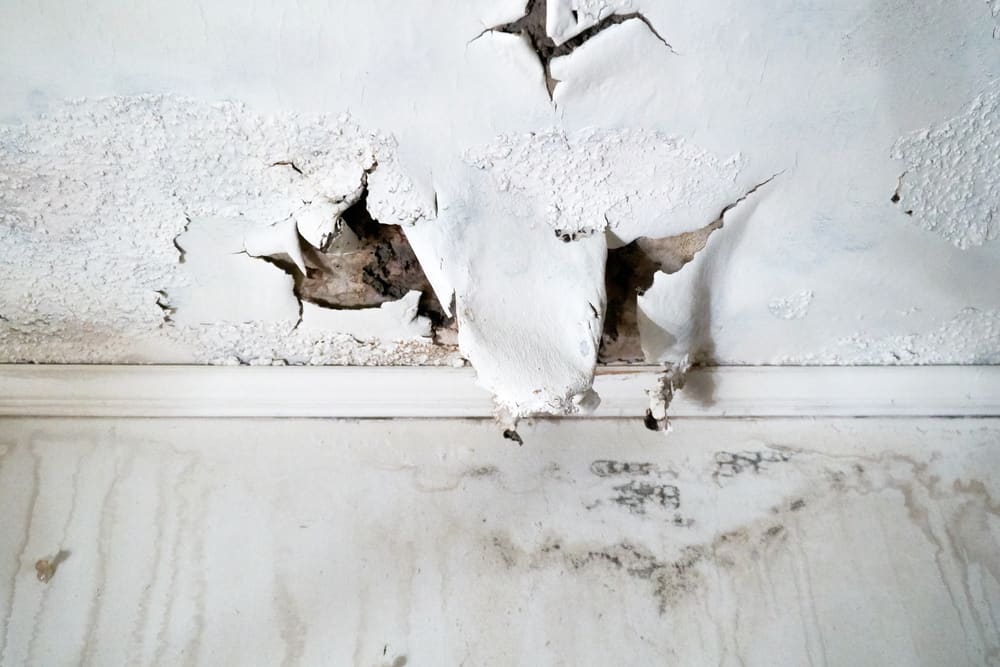
The biggest problem with water damage isn’t what you can see — it’s what you can’t. Water gets into wall cavities, underneath subfloors, and behind baseboards, and it stays there long after the surface looks dry. In a Port Washington home built in the 1950s or 1960s, those older materials absorb and hold moisture differently than modern construction. There’s no vapor barrier between you and a mold problem that shows up six months later if the drying isn’t done right the first time.
When the job is done correctly, you get your home back — not a version of it with a lingering smell, soft floors, or a mold remediation bill waiting around the corner. That means industrial drying equipment running until moisture readings confirm the structure is actually dry, not just dry on the surface. It means documentation we provide your insurance carrier will accept. And it means someone who can tell you honestly what’s going on inside those walls, not just what you can see from the doorway.
For homeowners near Manhasset Bay or along the lower streets of Manorhaven, that level of thoroughness isn’t optional — it’s the difference between a one-time restoration and a recurring problem every time the bay gets angry.
We’ve been serving Port Washington and Nassau County homeowners for nearly three decades. That means we’ve worked through post-Sandy cleanup calls, handled nor’easter flooding along the North Shore, and restored mid-century homes from Sands Point to Port Washington North more times than we can count. We know what’s inside these walls because we’ve been opening them up since before most of the national franchise names in this market existed.
We’re IICRC-certified, licensed, bonded, and insured. Our technicians follow the industry’s established restoration protocols — the same standards insurance adjusters recognize and accept when reviewing claims. That matters in Port Washington, where waterfront properties often carry both standard homeowners policies and separate flood insurance, and where documentation quality can make or break a claim outcome.
When you call the Nassau County line, you’re reaching our local team, not a national dispatch center. That’s been true since day one.
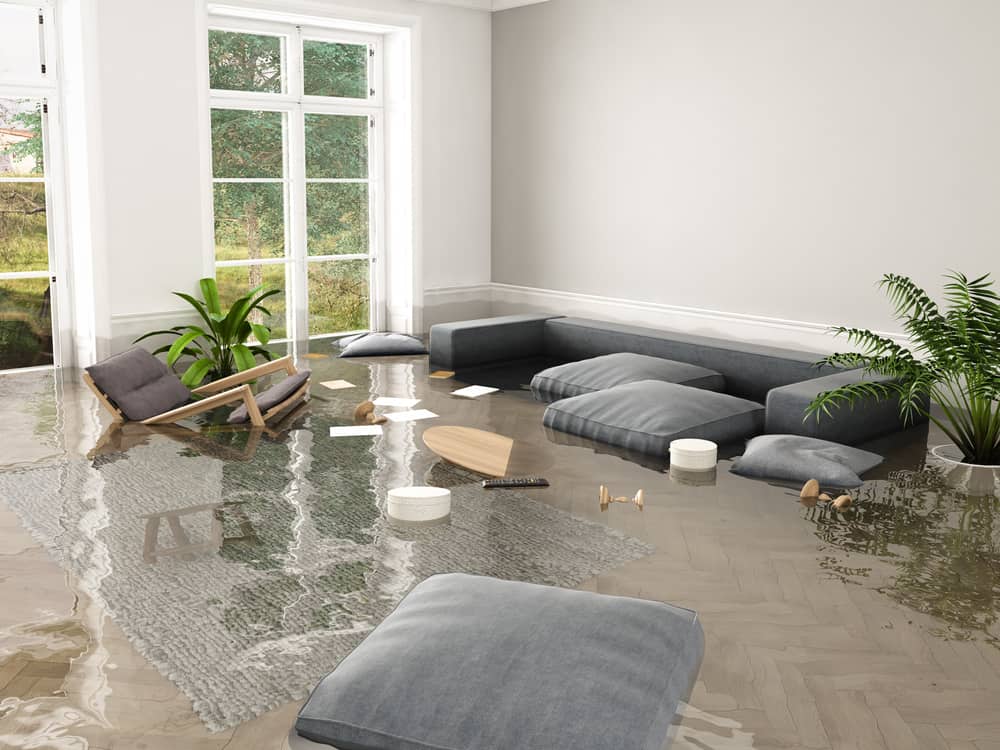
When you call, our first priority is getting someone to your Port Washington property fast. Water damage doesn’t pause, and in these older homes, every hour of delay increases the moisture load in materials that were never designed to handle prolonged saturation. We arrive, assess the scope, and begin extraction and containment immediately — before anything else.
Once the standing water is out, the real work starts. Industrial air movers, dehumidifiers, and moisture meters map what’s happening inside the structure — not just on the surface. This is where our work diverges from a basic cleanup. In a Beacon Hill split-level or a Manorhaven colonial, water travels through multi-level floor systems and can reach areas two or three rooms away from the original source. The drying phase typically runs three to five days, with readings taken throughout to confirm the structure is genuinely dry before any reconstruction begins.
From there, the scope depends on what the damage revealed. If reconstruction is needed — drywall, flooring, structural repairs — we handle that too, so you’re not coordinating a second contractor mid-project. Throughout the entire process, we document everything for your insurance carrier, whether that’s your homeowners policy, an NFIP flood policy, or both. Port Washington’s multi-jurisdictional permitting environment — with the Town of North Hempstead and up to five incorporated village building departments depending on your address — is something we navigate regularly. You don’t have to figure out which building department governs your street.
Ready to get started?
Water damage restoration in Port Washington covers more ground than extraction and drying. Our service includes water removal, structural drying, moisture mapping, mold prevention treatment, and full reconstruction when the damage warrants it. Residential water damage repair here means accounting for the specific characteristics of homes built on the Cow Neck Peninsula — older plumbing, original subfloors, plaster walls, and building cavities that behave differently from newer construction when water gets in.
For flooded basement cleanup, we handle everything from the initial extraction through the final dryout, including sump pump failures, storm surge intrusion from Manhasset Bay, and the kind of slow seepage that shows up after a nor’easter pushes water inland through Shore Road-adjacent streets. Burst pipe water damage gets the same full-scope treatment — extraction, drying, and documentation — because a pipe failure inside a 70-year-old home in Port Washington North or Baxter Estates often affects more of the structure than it appears to on arrival.
Storm damage restoration following coastal flooding events includes assessment for Category 1, 2, and 3 water contamination, which affects the remediation protocol and what your insurance policy will cover. We’re experienced working with both standard homeowners carriers and NFIP flood insurance adjusters — a combination that’s common among Port Washington’s waterfront property owners, particularly in Sands Point and Manhasset Bay Estates where properties frequently exceed the NFIP’s standard dwelling coverage limits.

This is one of the most important distinctions for Port Washington homeowners to understand before a flood event, not after. Standard homeowners insurance covers sudden, accidental water damage from internal sources — a burst pipe, a failed appliance, an overflowing fixture. It does not cover flooding. If water enters your home from Manhasset Bay during a nor’easter or storm surge event, that’s classified as flood damage, and it requires a separate flood insurance policy through the National Flood Insurance Program or a private flood carrier.
Many waterfront and near-waterfront homeowners in Port Washington carry both policies, but the claims process for each is different, and the documentation requirements don’t always overlap cleanly. We work directly with both types of carriers and can help you understand which policy applies to your specific event, document the damage correctly for each, and avoid the claim denials that often result from insufficient or inconsistent documentation. If you’re unsure what coverage you have, the best time to sort that out is before the water comes in — but the second-best time is right after you call for help.
The EPA’s guidance is clear: mold can begin growing within 24 to 48 hours of water exposure under the right conditions. In Port Washington’s older housing stock — homes built in the 1950s, 1960s, and 1970s without modern vapor barriers — those conditions are often already present. Older building materials like plaster, original wood subfloors, and mid-century insulation retain moisture longer than modern materials, which means the window between water intrusion and active mold growth can be shorter than it would be in a newer home.
Coastal humidity compounds the issue. Port Washington’s peninsula location means ambient moisture levels are already elevated relative to inland Nassau County communities, which creates a more favorable environment for mold once water damage occurs. This is why the 24 to 48 hour window isn’t a theoretical concern here — it’s a practical reality. Calling immediately after a flooding event, rather than waiting to see how things dry out on their own, is consistently the difference between a straightforward restoration and a mold remediation project that costs significantly more and takes significantly longer.
The first thing to do is make sure it’s safe to enter the space. If there’s any chance the flooding reached your electrical panel, outlets, or wiring — which is a real concern in Port Washington’s older split-levels and colonials where electrical systems are often original or partially updated — don’t go in until the power is confirmed off. After that, document everything with photos and video before anything is moved or cleaned up. That documentation is the foundation of your insurance claim, and gaps in it are one of the most common reasons claims get reduced or denied.
Then call us. Consumer fans and wet-vacs can remove surface water, but they can’t pull moisture out of wall cavities, subfloors, or structural framing — and in a home that’s been standing since 1958, those are exactly the places water hides. Don’t wait to see if it dries out on its own. By the time you can tell it hasn’t, mold has already started. We can be reached 24/7 on the Nassau County line, and the sooner we’re on-site, the more of the structure can be saved.
For most residential water damage situations — a burst pipe, a sump pump failure, storm-related basement flooding — the drying phase alone typically takes three to five days once extraction is complete. The full restoration timeline from initial water removal through final repairs averages around two weeks for moderate damage, though that range can extend significantly depending on how much of the structure was affected and whether mold remediation is required.
In Port Washington’s mid-century homes, the timeline can run toward the longer end of that range because older construction materials take more time to dry thoroughly than modern materials do. Multi-level homes — the split-level configurations common in Beacon Hill and Port Washington North — also tend to have more affected areas than single-story homes, since water travels through floor systems between levels before it’s detected. If reconstruction is involved, the timeline depends on scope, and any permitted work in Port Washington requires coordination with the appropriate building department — whether that’s the Town of North Hempstead or one of the five incorporated village building departments, depending on your address. We handle that coordination as part of the job.
We work directly with your insurance company, which means we handle the documentation, the adjuster coordination, and the direct billing. You don’t have to serve as the go-between for your carrier and your contractor — a role that’s stressful under normal circumstances and genuinely overwhelming when you’re dealing with a flooded home.
For Port Washington homeowners who carry both homeowners insurance and a separate flood policy, this matters more than it might for a homeowner with a single policy. The two carriers have different documentation requirements, different adjuster processes, and sometimes different timelines. Having a restoration team that has navigated both types of claims across nearly 30 years of Nassau County work means the documentation is built correctly from the start — not reconstructed after the fact when a claim hits a snag. IICRC-certified work also carries weight with adjusters, because it demonstrates the job was performed to the industry standard the carrier recognizes. That’s not a minor detail when you’re looking at a claim that could reach into five figures.
A sudden burst pipe is generally covered under standard homeowners insurance as an accidental water damage event. The key word is sudden. If an adjuster determines that the pipe failure resulted from gradual deterioration that went unaddressed — a slow leak, visible corrosion, or a known issue that wasn’t repaired — the claim can be denied on the grounds of inadequate maintenance. This is a real exposure for Port Washington homeowners, because the area’s housing stock includes a significant number of homes with original or aging copper plumbing systems that have been in service for 50 to 70 years.
The outcome of a burst pipe claim often comes down to documentation. How quickly was the damage reported? Was the affected area properly dried and treated to prevent secondary damage like mold? Was the work performed by a certified contractor following recognized industry protocols? These are the questions adjusters ask, and the answers directly affect what gets paid. We document the damage thoroughly from the moment we arrive — photos, moisture readings, written scope — so the claim file reflects the actual event accurately and completely. That documentation record is one of the most valuable things a restoration company can provide, and it’s something we build into every job regardless of the size of the loss.
Useful Links
Other Services we provide in Port Washington