
Hear from Our Customers

Most South Valley Stream homes were built around 1955. The galvanized pipes, concrete block foundations, and original sewer laterals in these houses have been doing their job for nearly seven decades — and when they finally give out, they do it fast and they do it inside your walls. What looks like a wet carpet or a damp corner in the basement is often the surface sign of moisture that’s already wicked into the subfloor, the framing, or the drywall behind your baseboards.
Getting that moisture out — completely, not just visibly — is the difference between a restoration and a future mold problem. We use industrial-grade equipment and moisture mapping to reach the moisture that’s already inside your walls, not just the surface.
There’s also the groundwater side of things. The water table in South Valley Stream neighborhoods sits only three to five feet below grade in many spots. After a stretch of heavy rain, hydrostatic pressure builds against your foundation walls whether or not there’s a named storm involved. That pressure finds the hairline cracks that have developed in 70-year-old concrete over decades of freeze-thaw cycling, and it seeps quietly and persistently until there’s a musty smell in the finished basement or a wet patch that wasn’t there last week.
When the work is done right, you get more than a dry house. You get a documented restoration — moisture readings, drying logs, and a clear record of what was found and what was done — that holds up when your insurance adjuster reviews the claim and protects your home’s value when it eventually changes hands.
We’ve been operating on Long Island for close to three decades. That means we were here in October 2012 when Hook Creek overflowed and storm surge from Jamaica Bay damaged more than a thousand properties in South Valley Stream. We know what that kind of flooding looks like inside a post-war Cape Cod. We know where the moisture hides in a 1950s ranch with original plaster walls.
That’s not something you learn from a training manual — it comes from years of working in Nassau County communities exactly like South Valley Stream.
Our technicians are IICRC-certified, and we are licensed, bonded, and insured. That matters in a community where the Town of Hempstead governs building permits and code enforcement for unincorporated areas like South Valley Stream. Restoration work that goes beyond drying — structural repairs, drywall replacement, anything that touches the home’s bones — needs to be done by someone who can pull the right permits and meet the right standards. We handle that side of it directly.
We also work directly with your insurance company as a standard part of how we operate. We document the damage, communicate with your adjuster, and handle the billing directly so you’re not stuck in the middle trying to translate between a contractor and an insurance representative while your basement is still wet.
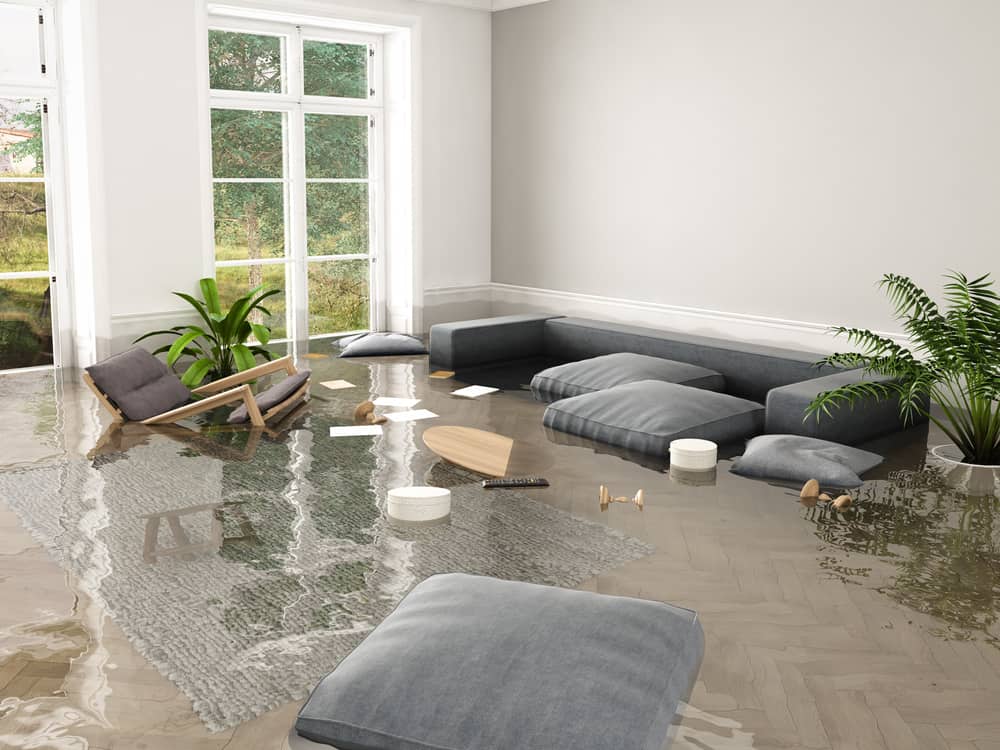
When you call, our first priority is getting to your South Valley Stream home quickly. Water damage follows a strict timeline — the EPA is clear that wet materials need to be dried within 24 to 48 hours to prevent mold from taking hold. In a 70-year-old home where original plaster and wood subfloor materials absorb moisture faster than modern drywall, that window matters even more.
We arrive, assess the full scope of what’s happening, and start extraction immediately. Once the standing water is out, the real work begins.
Industrial-grade air movers and dehumidifiers are set up to pull moisture out of the materials — not just the surface, but inside the wall cavities, under the flooring, and anywhere the water traveled. Moisture meters map the extent of the saturation so nothing gets missed. This is where consumer-grade fans fall short: they move air around the room, but they don’t reach the moisture that’s already inside your walls. The equipment we use is a different category entirely.
Throughout the drying process — typically three to five days for most homes — we take readings and log them. That documentation becomes part of the insurance file. If your home requires structural repairs after the drying phase, we pull permits through the Town of Hempstead building department as required for unincorporated South Valley Stream, and the work proceeds under one roof rather than handing you off to a separate contractor. From the first call to the final walkthrough, the process is managed as a single job, not a handoff chain.
Ready to get started?
The causes of water damage in South Valley Stream are not random. They follow a pattern driven by the community’s aging infrastructure. Burst pipes and supply line failures are the most common year-round driver — galvanized steel pipes that have been corroding from the inside since the Eisenhower administration do not announce themselves before they go.
Sewer lateral backups are a close second; the original vitrified clay laterals running under South Valley Stream properties are 65 to 75 years old, well past their design life, and prone to cracking and root intrusion. Then there’s the storm damage side: the Hook Creek and Jamaica Bay watershed connection means that a serious nor’easter or hurricane can push tidal water inland through the creek network and into the lowest-lying streets of South Valley Stream, exactly as it did in 2012.
We respond to all of it — burst pipe water damage, flooded basement cleanup, storm damage restoration, sewage backup, appliance failures, and groundwater intrusion through foundation walls. Our service covers the full scope: water removal, structural drying, dehumidification, mold prevention treatment, and reconstruction when structural repairs are needed.
For properties where mold remediation is required, New York State Labor Law Article 32 applies to projects over 10 square feet, requiring a licensed mold remediation contractor. Our licensed status covers that requirement directly — you don’t need to bring in a separate company.
Our 24/7 availability is real, not a marketing line. When a pipe fails at 2 a.m. in a South Valley Stream home and water is already spreading across a finished basement floor, the call gets answered and we get moving.

In most cases, yes — standard homeowners insurance covers sudden and accidental water damage from internal sources like burst pipes, failed supply lines, and appliance overflows. The key word is sudden. If an adjuster determines that a pipe failed because of long-term corrosion that was visible and went unaddressed, the claim can be denied on maintenance grounds.
This is a real concern in South Valley Stream, where galvanized pipes in homes built around 1955 are at or past the end of their service life. Documenting the failure properly — showing it was sudden and not a gradual leak — is part of what we do from the moment we arrive.
What homeowners insurance does not cover is flooding. If Hook Creek overflows during a storm and water enters your home from outside, that is flood damage, and it requires a separate flood insurance policy through the National Flood Insurance Program. Many South Valley Stream residents learned this distinction the hard way after Sandy.
If you’re unsure what your policy covers, we can help you understand what’s documented and what needs to go to your adjuster — we work directly with insurance companies as a standard part of every job.
For most water damage situations — a burst pipe, an appliance failure, moderate basement flooding — the drying phase alone takes three to five days using professional equipment. The full restoration timeline, from the initial extraction through any structural repairs, typically runs one to three weeks depending on how far the moisture traveled and what materials were affected.
In South Valley Stream’s older homes, that timeline can lean toward the longer end. Original plaster walls, wood subfloors, and concrete block foundations absorb moisture differently than modern drywall and engineered lumber. Plaster in particular holds moisture deep in the substrate and requires extended drying time to reach acceptable levels.
We take moisture readings throughout the process to confirm the materials are actually drying — not just the surface, but all the way through. Repairs don’t start until the structure is confirmed dry, because sealing wet materials behind new drywall is exactly how mold problems develop six months later.
The EPA’s guidance is that mold can begin developing within 24 to 48 hours of water exposure under the right conditions. Mold spores are always present in the air — they just need moisture and a surface to land on. In a finished South Valley Stream basement with carpet, drywall, and wood framing, those surfaces are everywhere, and they absorb moisture quickly.
Visible mold growth typically appears within 48 to 72 hours, but microscopic growth starts earlier than that. This is why the response timeline matters so much. Calling us the same day the water appears — not after you’ve spent a day or two running fans and hoping for the best — is the decision that determines whether you’re dealing with a drying job or a mold remediation job.
Consumer fans circulate air but they don’t remove moisture from inside wall cavities or under flooring, which is where the mold problem actually starts. If you’ve already tried to dry things out yourself and there’s still a musty smell or any visible discoloration on walls or framing, that’s worth having us assess before it gets larger.
South Valley Stream is an unincorporated hamlet, which means building permits and code enforcement run through the Town of Hempstead rather than a village government. For water damage work that goes beyond cleaning and drying — replacing drywall, repairing structural framing, any electrical work that was affected by the water, or reconstructing finished spaces — a permit from the Town of Hempstead Building Department is required.
This is one of the practical reasons to use a licensed contractor for the full scope of the job rather than just the cleanup phase. We are licensed to perform structural repairs and can pull the required permits directly, which keeps the work legal and keeps your insurance claim clean. Unpermitted repair work can create complications when a claim is reviewed or when the home is eventually sold — a home inspector will flag unpermitted work, and buyers’ attorneys ask about it.
We handle the permitting side of the job as part of the full-service restoration process.
It depends on what’s causing it, but recurring basement seepage is worth taking seriously regardless of the source. The water table in South Valley Stream neighborhoods sits only three to five feet below grade in many locations. During extended rain events, hydrostatic pressure builds against foundation walls and floor slabs — and in a 70-year-old home with original concrete block construction, that pressure finds the hairline cracks that have developed over decades and pushes water through them.
This is a different mechanism than a burst pipe or a storm flood, but it produces real moisture damage inside the basement over time. If the seepage is new or has gotten noticeably worse, a professional moisture assessment can tell you how far the water has traveled into the wall assembly and whether there’s already trapped moisture causing hidden damage.
Recurring seepage that goes unaddressed tends to accelerate — each wet-dry cycle widens the cracks slightly, and the moisture that gets into wood framing or insulation creates conditions for mold even when the basement looks dry on the surface. Getting a clear picture of what’s happening structurally is a reasonable first step before committing to any waterproofing solution.
In most cases, yes — especially for water damage that’s contained to one area of the home, like a basement or a single room. The drying equipment runs continuously, which means industrial dehumidifiers and air movers will be operating in the affected space around the clock for several days. It’s loud, and the affected area will be inaccessible during the drying phase, but the rest of the house is typically livable.
The situations where staying in the home becomes more complicated involve sewage backup, Category 3 water damage from floodwater or groundwater intrusion, or mold remediation. If the water source was contaminated — which applies to any water that came in from outside during a storm event, including Hook Creek overflow — the affected area needs to be contained and treated differently than clean water damage.
We’ll walk you through what’s involved and what the realistic options are. The goal is always to minimize disruption to your household while making sure the work is done safely and completely. If the scope of the damage genuinely requires you to be out of the space, that gets communicated clearly upfront — not discovered partway through the job.
Useful Links
Other Services we provide in South Valley Stream