
Water Damage Restoration in West Hempstead, NY
When Your Cape Cod's Basement Floods, Every Hour Counts
Hear from Our Customers

Flood Restoration West Hempstead, NY
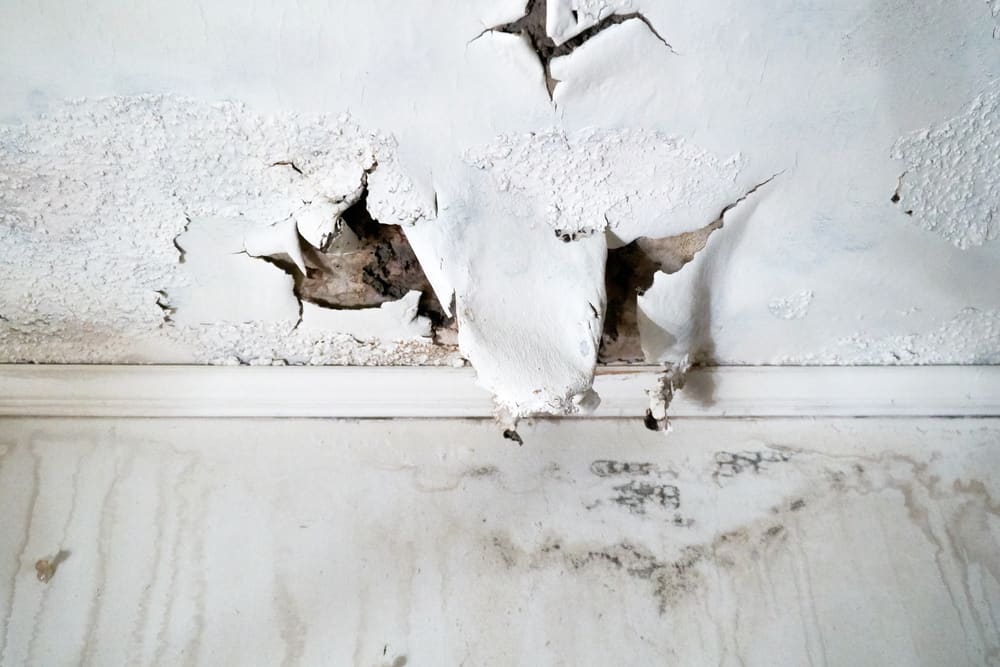
The goal isn’t just a dry floor. It’s knowing the moisture is gone from inside the walls, under the subfloor, and behind the baseboards the places you can’t see but that turn into a mold problem three months from now. That’s what professional water damage restoration delivers, and it’s a different outcome than mopping up and hoping for the best.
West Hempstead’s housing stock makes this especially critical. Most of the Cape Cods, ranches, and split-levels in this hamlet were built in the late 1940s through the 1960s on 60×100 lots, with basements that weren’t designed with modern waterproofing in mind. When a galvanized pipe finally gives out or the Nassau County sewer system backs up during a nor’easter, water doesn’t just sit on the surface. It wicks into original framing, plaster walls, and decades-old insulation.
Getting it all out requires industrial-grade dehumidifiers and moisture meters, not a shop vac and a box fan. When we finish the job correctly, you get your home back not a version of it that’s waiting to fail again. Dry readings on every affected surface, documentation your insurance adjuster will accept, and a clear answer on whether any materials need to come out. That’s the outcome that actually matters.
Residential Water Damage Repair West Hempstead, NY
We’ve been serving Nassau and Suffolk County homeowners for nearly three decades. That means we’ve worked in the specific homes that define West Hempstead the post-war Capes off Hempstead Avenue, the ranches near Lakeview, the split-levels a few blocks from Hall’s Pond Park. We know how these structures were built, how water moves through them, and what it actually takes to dry them out completely.
We’re IICRC-certified, licensed, bonded, and insured credentials that matter when you’re filing a claim on a home worth $700,000 or more. We work directly with your insurance company, handling the documentation and adjuster communication so you’re not stuck in the middle trying to figure out what’s covered and what isn’t. West Hempstead homeowners get a dedicated local team and a 516 number not a call center routing calls from somewhere out of state.
24/7 Water Damage Restoration West Hempstead, NY
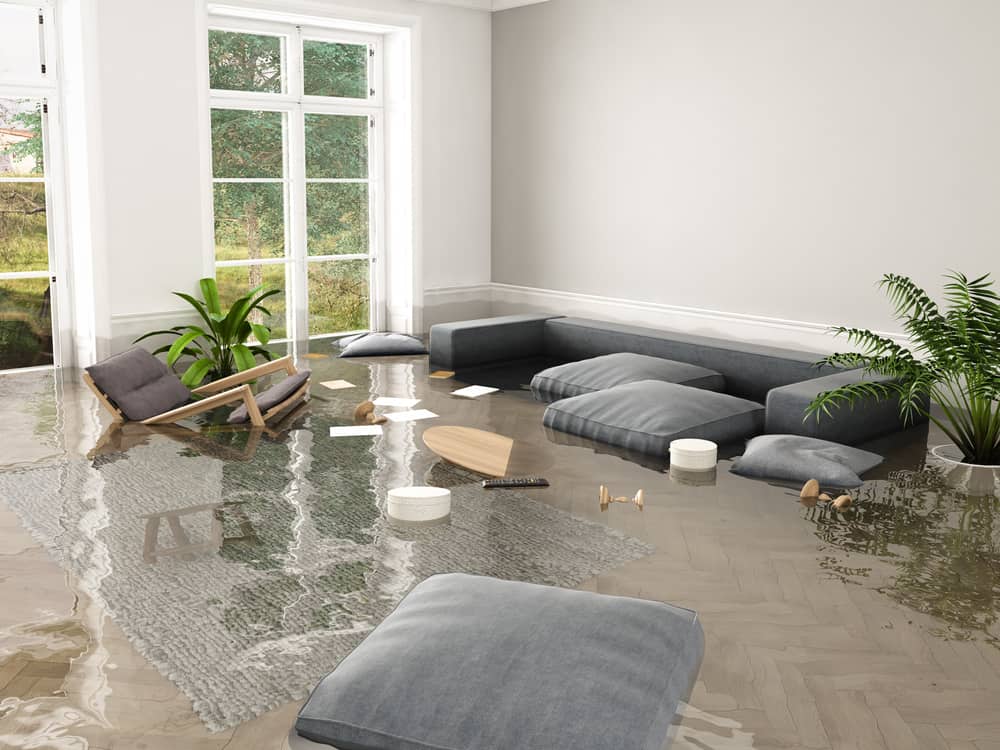
When you call, you reach someone who can actually mobilize a response not a voicemail or an answering service. That matters in West Hempstead, where the average commute runs over 35 minutes each way and a lot of homeowners discover flooding after getting off the LIRR, not while it’s happening. The sooner extraction starts, the less damage spreads into framing, drywall, and flooring.
The first step on-site is assessment not guesswork. We use moisture meters to map exactly where water has traveled, including inside walls and beneath floors where it isn’t visible. From there, industrial water extraction equipment removes standing water, followed by a drying phase using commercial-grade air movers and dehumidifiers. This phase typically runs three to five days depending on the extent of saturation and the materials involved.
In older West Hempstead homes with plaster walls and original wood framing, that timeline is taken seriously rather than rushed. Once drying is confirmed with final moisture readings, we document everything for your insurance claim photos, moisture logs, scope of work. If materials need to come out and be rebuilt, that work is handled through our company. You don’t have to coordinate a separate contractor for the reconstruction phase. One call covers the full job, from water extraction through rebuild.
Ready to get started?
Burst Pipe Water Damage West Hempstead, NY
Water damage restoration in West Hempstead covers more ground than most homeowners expect when they first call. We start with emergency water removal getting standing water out fast, whether it’s from a burst galvanized pipe, a sump pump failure during spring thaw, or a sewer backup after a heavy storm overwhelmed Nassau County Sanitary District 6’s system.
That last scenario is worth understanding: sewer backup brings Category 3 water into your basement, which is contaminated and requires full decontamination not just drying. The process and the health stakes are different from a clean pipe burst, and we handle both correctly.
After extraction comes structural drying, antimicrobial treatment where contamination is present, and moisture verification across every affected surface and cavity. The older construction in West Hempstead plaster walls, minimal vapor barriers, original wood subfloors holds moisture in ways that newer builds don’t, so the drying phase isn’t cut short to hit an arbitrary timeline. Everything is documented throughout: moisture readings, photos, and a written scope that supports your insurance claim.
If drywall, flooring, or insulation needs to come out and be replaced, we handle that reconstruction work as part of our service. The Town of Hempstead requires permits for structural repairs, and we’re familiar with those requirements. You won’t be left managing the rebuild on your own after we leave.

Does homeowners insurance cover water damage in West Hempstead, NY?
Standard homeowners insurance typically covers sudden and accidental water damage a burst pipe, a washing machine overflow, a water heater that fails unexpectedly. What it does not cover is flooding from outside the home. If water enters your West Hempstead basement because the ground saturated during a storm or because Nassau County’s sewer system backed up through a floor drain, that’s a different coverage question entirely.
Sewer backup coverage is often a separate rider, and flood damage from exterior water sources requires a standalone flood insurance policy through the National Flood Insurance Program. The distinction matters because West Hempstead homeowners face both types of risk. Aging galvanized pipes in post-war homes fail from the inside out that’s typically a covered event. But heavy nor’easters can overwhelm the local sewer infrastructure and push water up through basement drains and whether that’s covered depends on your specific policy.
We work directly with your insurance company, review what’s documented, and help make sure the claim is filed correctly the first time. Getting the documentation right from the start is the single most important thing you can do to protect your claim outcome.
How fast does mold start growing after a basement floods?
The EPA’s guidance is clear: mold can begin growing within 24 to 48 hours of water exposure under the right conditions. In practice, mold spores start germinating even faster than visible growth appears you won’t see anything for the first day or two, but the process has already started if moisture is present and temperatures are warm. By 48 to 72 hours, visible growth can appear on drywall, wood framing, and insulation.
This timeline is why calling immediately matters more than waiting to see how bad things get. In West Hempstead’s older post-war homes, the materials most at risk original wood framing, plaster, and decades-old insulation are exactly the materials that absorb and retain moisture most aggressively. A flooded basement that gets professionally extracted and dried within the first 24 hours has a very different outcome than one that sits for two or three days while a homeowner tries to handle it with a wet-vac and fans.
Consumer equipment doesn’t reach moisture inside walls or under floors, which is where the mold problem actually starts.
What causes basement flooding in West Hempstead homes specifically?
There are a few patterns that come up repeatedly in West Hempstead. The most common is aging plumbing many homes in the hamlet were built in the late 1940s through the 1960s and still have galvanized steel pipes that have been corroding from the inside for decades. These pipes don’t give much warning before they fail. A pipe that looks fine from the outside can be nearly blocked internally, and when it finally gives out, it can release significant water volume into a basement that wasn’t built with modern waterproofing.
The second pattern is sewer backup. West Hempstead is served by Nassau County Sanitary District 6, and the aging combined sewer infrastructure throughout Nassau County is prone to capacity overload during heavy rain events. When the system gets overwhelmed especially during nor’easters or intense summer thunderstorms wastewater backs up through floor drains and utility connections into basements. This is Category 3 contamination, which is a health concern, not just a cleanup job.
The third pattern is sump pump failure during spring thaw, when the water table rises across Nassau County and older sump pits can’t keep up. All three scenarios require professional extraction and drying none of them are situations where a DIY approach gets the job done safely or completely.
How long does water damage restoration take in a West Hempstead home?
For most residential water damage situations a burst pipe affecting one or two rooms, a flooded basement from a sump pump failure the drying phase typically runs three to five days using commercial dehumidifiers and air movers. That’s the core of the timeline. But the full process from first call to final documentation usually runs closer to two weeks when you factor in assessment, extraction, drying, moisture verification, and any material removal or reconstruction that’s needed.
In West Hempstead’s older housing stock, the drying phase can run on the longer end of that range. Plaster walls, original wood framing, and minimal vapor barriers absorb water differently than modern drywall and engineered lumber. Rushing the drying phase to hit a shorter timeline is how hidden moisture gets left behind and that’s what causes mold problems months later.
If reconstruction is required after materials are removed, the Town of Hempstead permitting process adds time to the overall project. We give you a realistic timeline upfront based on what the moisture readings actually show, not an optimistic estimate designed to close the sale.
Can I stay in my home during water damage restoration in West Hempstead?
In most cases, yes especially if the damage is contained to the basement or a single area of the home. The industrial equipment we use during the drying phase is loud and runs continuously, which some families find disruptive, but it doesn’t make the home uninhabitable on its own. The bigger factor is whether contamination is involved.
If the flooding came from a sewer backup which is a real risk in West Hempstead given Nassau County’s aging combined sewer infrastructure the affected area should be isolated until decontamination is complete. Category 3 water carries pathogens that pose a genuine health risk, particularly for children, elderly residents, and anyone with respiratory conditions.
If the damage is extensive and affects living areas, HVAC systems, or creates significant air quality concerns, temporary relocation may be the more practical choice. Your homeowners insurance policy may cover additional living expenses if displacement is necessary that’s worth asking your adjuster about when the claim is filed. We’ll give you a straight answer about what’s safe and what isn’t based on the actual conditions in your home, not a blanket reassurance designed to make scheduling easier.
Why does it matter that we're IICRC-certified?
IICRC certification means our technicians are trained to the industry’s established standard the IICRC S500 for water damage restoration which defines how different categories of water damage are classified, how drying is measured, and what documentation is required. Insurance companies recognize this standard. When an adjuster reviews your claim, work performed by an IICRC-certified company carries more weight than work done by an uncertified crew, because the documentation follows a protocol the industry and insurers understand.
In West Hempstead, where median home values run well above $650,000 and insurance claims for water damage can reach $11,000 to $14,000 or more, that documentation is not a formality it’s what determines how your claim gets settled. Non-certified restoration work can create gaps in documentation that give an insurer grounds to dispute or reduce a payout.
Beyond the insurance angle, certification means the drying process is verified with actual moisture readings rather than a visual check and a guess. For homes with the kind of older construction common throughout West Hempstead original framing, plaster walls, aging subfloors that verification step is what separates a complete restoration from one that leaves hidden moisture behind.
Useful Links
Other Services we provide in West Hempstead