
Hear from Our Customers

The goal isn’t just to get the water out. It’s to make sure your Bay Shore home is genuinely dry — behind the walls, under the floors, inside the cavities you can’t see — so you’re not dealing with a mold problem three months from now.
Bay Shore’s south shore neighborhoods sit directly on the Great South Bay. When a nor’easter rolls through and the tide peaks overnight, the water that enters homes along those bay-front blocks isn’t clean. Under industry classification standards, Great South Bay floodwater is Category 3 — the most contaminated level — which means a surface-level cleanup isn’t enough. Porous materials need to come out. Structural decontamination has to happen. All of it needs to be documented correctly if you’re filing an insurance claim.
For homeowners in the older neighborhoods north of Montauk Highway — the post-war Cape Cods and ranches where the pipes and plumbing have been running for 60-plus years — the risk is different but just as real. A slow leak behind a wall, a water heater that finally gives out, a washing machine supply line that lets go on a Sunday morning. These aren’t dramatic events, but the hidden moisture they leave behind follows the same 24 to 48-hour mold clock. Getting it dried properly the first time is what keeps a manageable situation from becoming a gut renovation.
We’ve been serving Long Island homeowners for nearly three decades. Based in West Babylon — just a few miles west of Bay Shore along the same South Shore corridor — we know this stretch of Suffolk County well. We’ve worked in Bay Shore, Brightwaters, East Islip, and West Islip through multiple storm cycles, including the kind of Great South Bay surge events that Bay Shore’s south shore residents know firsthand.
Our technicians are IICRC-certified, and we’re licensed, bonded, and insured. That matters here specifically because restoration work in Bay Shore’s FEMA flood zones can trigger Town of Islip permit requirements, and having a certified team means the documentation holds up when your insurance adjuster reviews the claim. We handle insurance coordination directly — filing paperwork, working with adjusters, and managing the billing — so you’re not stuck navigating that process while also trying to manage a flooded home.
We’re not a national franchise dispatching crews from out of state. We’re a local team, reachable at 631-587-5300, that has been doing this work on Long Island long enough to know exactly what Bay Shore’s homes are up against.
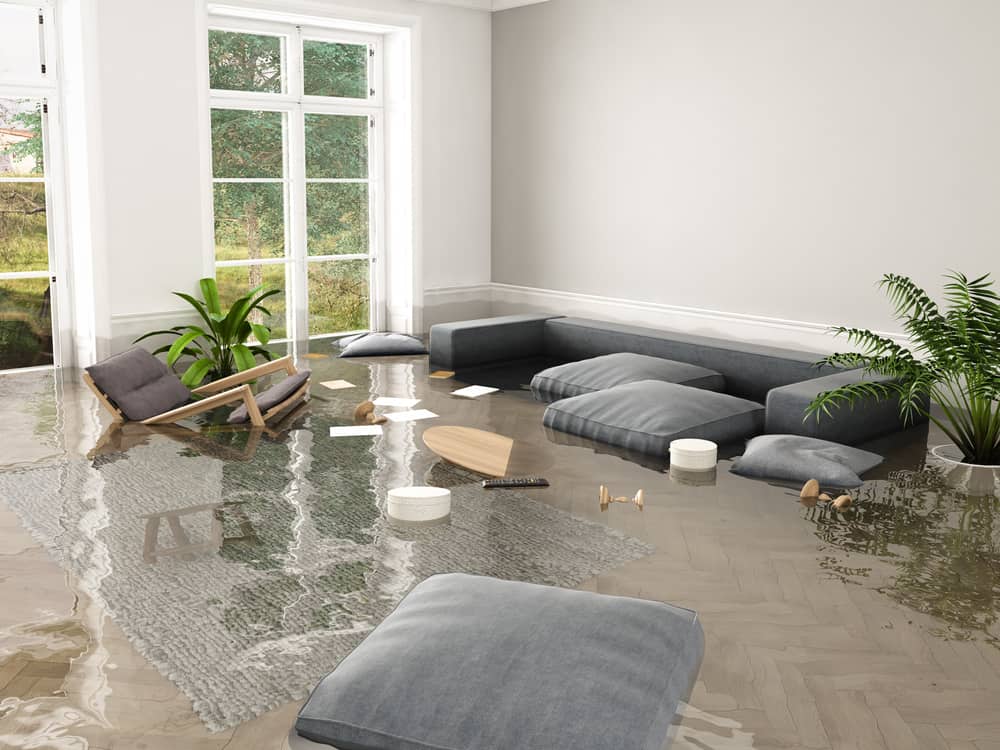
When you call, the first thing that happens is a real conversation — not a form submission, not a callback queue. You describe what’s going on, and we dispatch a team. For Bay Shore homeowners dealing with a storm surge event or a burst pipe in the middle of the night, that immediacy matters. Mold can begin forming within 24 to 48 hours of water intrusion, and the clock starts the moment the water arrives, not the moment you call.
Once we’re on-site, the first step is a thorough assessment — not just what’s visible on the surface, but what the moisture meters are reading inside walls, under flooring, and in structural cavities. In Bay Shore’s older homes, especially those built in the 1940s through 1960s, water travels in ways that aren’t obvious. A wet basement floor might be the visible part of a problem that’s already wicked up into the framing. The assessment determines the actual scope before any work begins.
From there, water extraction and structural drying begin using industrial-grade equipment — dehumidifiers, air movers, and drying systems that reach places a consumer fan never will. If the event involved Category 3 floodwater from the bay, contaminated porous materials are removed before drying begins, because sealing wet contaminated material inside a wall assembly is how mold problems get created, not solved. Throughout the entire process, everything is documented for your insurance claim. When the work is done, you get a walkthrough — not a handshake at the door.
Ready to get started?
Water damage restoration in Bay Shore covers a wider range of scenarios than most homeowners expect before they’ve been through one. We handle the full scope — from basement water extraction after a Great South Bay surge event to burst pipe water damage repair in the older homes north of Sunrise Highway, to flooded basement cleanup after a heavy rain overwhelms the drainage in Brightwaters’ canal district.
For south shore bay-front properties, that scope often includes Category 3 remediation: removal of all wet porous materials, structural decontamination, antimicrobial treatment, and clearance documentation before reconstruction begins. For interior events — appliance failures, water heater leaks, pipe bursts — the scope typically involves extraction, structural drying, moisture mapping, and mold prevention treatment. In both cases, the process is designed to meet IICRC standards, which is what insurance carriers and Town of Islip inspectors expect to see when reviewing restoration work in flood-zone properties.
Storm damage restoration following nor’easters is also part of what we handle in Bay Shore — including situations where wind-driven rain has entered through compromised rooflines or windows and saturated insulation and framing. If the damage requires structural repairs or reconstruction after the drying phase, that work stays under the same roof rather than being handed off to a separate contractor. Bay Shore homeowners dealing with NFIP flood insurance claims alongside standard homeowners coverage get direct insurance coordination support throughout the entire process.

Yes, and the classification matters a great deal for how the restoration has to be handled. Under the IICRC S500 standard — the industry protocol that governs professional water damage restoration — water from the Great South Bay is classified as Category 3. That’s the most contaminated level, which includes water that may carry sewage, bacteria, and other biological contaminants picked up during its path to your Bay Shore home.
What that means practically is that any porous material the water contacted — drywall, insulation, carpet, wood framing — cannot simply be dried in place. It has to come out. Structural decontamination and antimicrobial treatment are required before drying and reconstruction can begin. This is not a technicality. It’s the difference between a home that’s genuinely safe after a flood and one that has contamination sealed behind new drywall. Bay Shore homeowners who had surface-level cleanup after past storm events may have this issue in their walls right now without knowing it.
It depends entirely on the source of the water, and this is where a lot of Bay Shore homeowners run into trouble. Standard homeowners insurance typically covers sudden, accidental water damage from internal sources — a burst pipe, a water heater failure, an appliance that overflows. It does not cover flooding, which is defined as water that enters from outside the structure, including storm surge from the Great South Bay.
For flood damage, you need a separate flood insurance policy, typically through the National Flood Insurance Program. Many Bay Shore homeowners in FEMA-designated flood zones carry both policies, which creates a more complex claims process — two policies, two adjusters, two sets of documentation requirements. We handle insurance coordination directly, which means we work with both carriers, document the damage to the standard each policy requires, and manage the billing so you’re not left navigating that on your own during an already stressful situation.
The EPA’s guidance is clear: water-damaged areas need to be dried within 24 to 48 hours to prevent mold growth. Mold spores are already present in the air of virtually every home — they just need moisture and a surface to land on. Under the right conditions, germination can begin within 24 hours. Visible growth typically appears within 48 to 72 hours, but microscopic colonization starts before you can see anything.
In Bay Shore’s older housing stock — homes built in the 1940s through 1960s with wood framing, plaster walls, and subfloor assemblies that absorb moisture readily — this timeline is not theoretical. Water travels fast inside older wall cavities and can reach framing and insulation well before the surface feels wet to the touch. That’s why the moisture assessment matters as much as the extraction. Getting the visible water out is step one. Finding and eliminating the hidden moisture before that 48-hour window closes is what actually prevents a mold remediation job from following a few months later.
For most residential water damage events — a burst pipe, a water heater failure, a basement flood from heavy rain — the drying phase typically takes three to five days once extraction is complete. Water extraction itself usually takes one to three days depending on the volume and the materials affected. After drying is confirmed through moisture readings, any necessary repairs or reconstruction begin, and a complete project from initial response through final repairs generally runs about two to three weeks.
For south shore Bay Shore properties that experienced Category 3 storm surge, the timeline is longer. Contaminated porous materials have to be removed before drying begins, and clearance testing is required before reconstruction. Depending on the extent of the damage, these projects can run several weeks to a few months. If the property is in a FEMA flood zone and the restoration cost approaches 50 percent of the pre-damage market value, the Town of Islip’s Substantial Damage rules may apply, which can require bringing the structure into current flood zone compliance — a factor that affects both scope and timeline significantly.
The first thing is to make sure it’s safe to enter. If there’s any chance the flooding involved electrical systems, don’t go in until the power has been confirmed off. If the water came from outside — storm surge from the bay, heavy rain overwhelming the drainage — assume it’s contaminated and avoid contact with it directly.
Once it’s safe, call a restoration company before you start moving things or trying to dry it yourself. The reason is documentation. Your insurance claim is significantly stronger when a professional assesses and photographs the damage before anything is disturbed. Consumer fans and wet-vacs also can’t reach the moisture inside wall cavities and under flooring, which means DIY drying efforts often leave hidden moisture that becomes a mold problem weeks later. In Bay Shore’s south shore neighborhoods especially, where the water table is elevated and bay water events are a recurring reality, the cost of cutting corners on the initial cleanup tends to show up eventually — just at a much higher price tag.
Yes. We serve Bay Shore and the surrounding communities throughout Suffolk County, including Brightwaters and West Bay Shore. Brightwaters in particular has its own flood exposure profile — the canal system running south of Montauk Highway and the four lakes north of it create additional water pathways that are distinct from direct bay surge. Properties near Cascades Lake, Mirror Lake, and the Brightwaters Canal can experience flooding from lake overflow during intense rain events, which is a different dynamic than the storm surge hitting the bay-front blocks further south.
West Bay Shore’s peninsula location on the Great South Bay puts it in a similar surge exposure category as Bay Shore’s south shore neighborhoods. For homeowners in any of these areas, the same Category 3 protocols apply when bay water is involved, and the same insurance coordination support is available. We reach all of these communities from our West Babylon base, and the number to call is 631-587-5300 regardless of which part of the Bay Shore area you’re in.
Useful Links
Other Services we provide in Bay Shore