
Hear from Our Customers

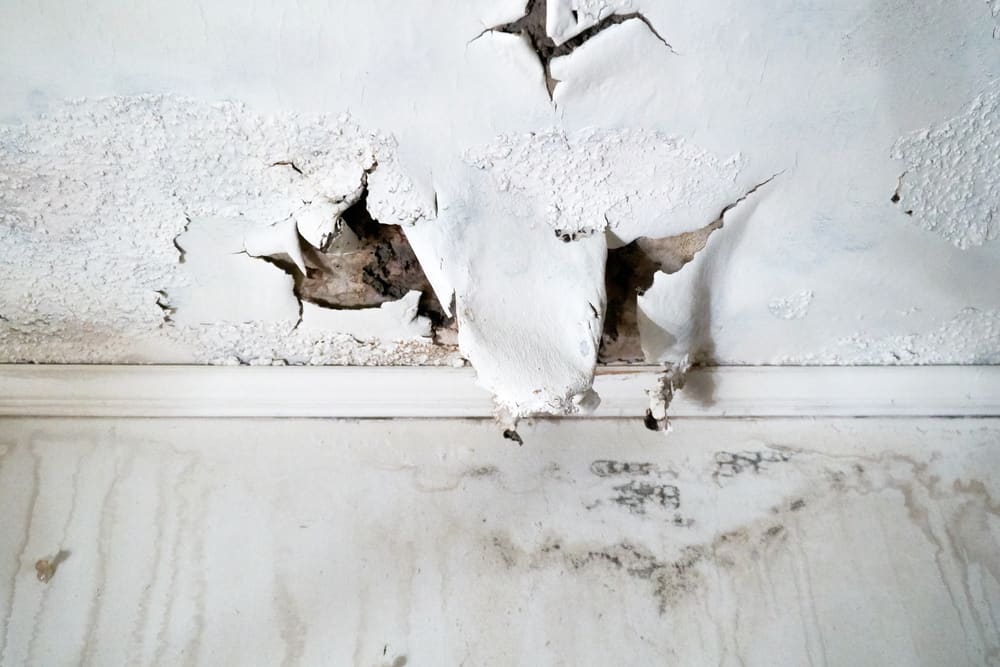
When water gets into a Belle Terre home, the damage rarely stops where you can see it. Moisture moves into plaster walls, under hardwood floors, behind baseboards, and into the structural framing of homes that in some cases have been standing for over a century. Our goal isn’t to make it look dry — it’s to make it actually be dry, all the way through.
Belle Terre’s geography makes this more complicated than it sounds. The village sits on the Mt. Misery Peninsula, surrounded by the Long Island Sound to the north and west and Port Jefferson Harbor to the east. When a nor’easter hits or a heavy summer storm rolls through, water doesn’t arrive from one direction — it arrives from several at once. Storm surge, wind-driven rain, and groundwater rising through sandy coastal soils can all be happening simultaneously. That’s not a standard water damage scenario. It requires a team that understands what we’re actually dealing with.
What you get on the other side of a proper restoration is a home that’s structurally sound, free of hidden moisture, and documented thoroughly enough to support a strong insurance claim. No lingering odors, no mold developing behind the walls six months from now, and no second round of remediation because the first job wasn’t thorough. That’s what complete water damage restoration actually looks like.
First Response Restoration & Cleaning Inc. has been serving Long Island homeowners for nearly three decades. We’re a Suffolk County-based company that has worked through hurricanes, nor’easters, pipe failures, and everything in between, across communities from the South Shore to the North Shore.
Belle Terre’s homes are not typical. Many date back to the early 1900s, built during the village’s founding era as a planned waterfront retreat. Aging plumbing, older drainage systems, and construction methods that predate modern waterproofing standards are common here. That kind of housing stock requires a restoration team that knows what we’re looking at — not one that treats every job the same regardless of the building’s age or construction.
We’re fully IICRC-certified, licensed, bonded, and insured. When structural restoration work requires permits under Belle Terre’s building code, that’s understood and accounted for from the start. You won’t be left to figure out the regulatory side on your own.
The call comes in, and our response is immediate — day or night, weekday or weekend. Belle Terre’s single entry point off East Broadway through the Gatehouse on Cliff Road is not an obstacle; it’s a route we know. Getting there fast matters because the EPA is clear that water-damaged areas need to be dried within 24 to 48 hours to stop mold from taking hold.
Once on-site, our first step is a thorough assessment — not just of what’s visible, but of what the moisture meters and thermal imaging reveal inside walls, under flooring, and in structural cavities. In a home with plaster walls and hardwood floors, moisture travels farther than most people expect. That assessment drives everything that follows: the placement of industrial-grade air movers and dehumidifiers, the extraction plan, and the documentation that gets submitted to your insurance company.
The drying phase typically runs three to five days, with equipment readings monitored throughout to confirm the structure is genuinely drying — not just the surfaces. Once the drying targets are met, we handle any structural repairs, including full reconstruction if needed. If Belle Terre’s village code requires a building permit for the scope of work involved, that’s handled properly. The process ends when your home is fully restored and the paperwork is done — not just when the equipment gets picked up.

Ready to get started?
Belle Terre’s Suffolk County hazard mitigation plan identifies the village as subject to coastal flooding, severe storms, nor’easters, severe winter storms, and shallow groundwater flooding. That last one catches a lot of homeowners off guard — groundwater rising through the peninsula’s sandy coastal soils and pushing through foundation walls doesn’t require a storm surge or a burst pipe. It can happen after a sustained heavy rain, and it can happen in homes that aren’t in a designated flood zone.
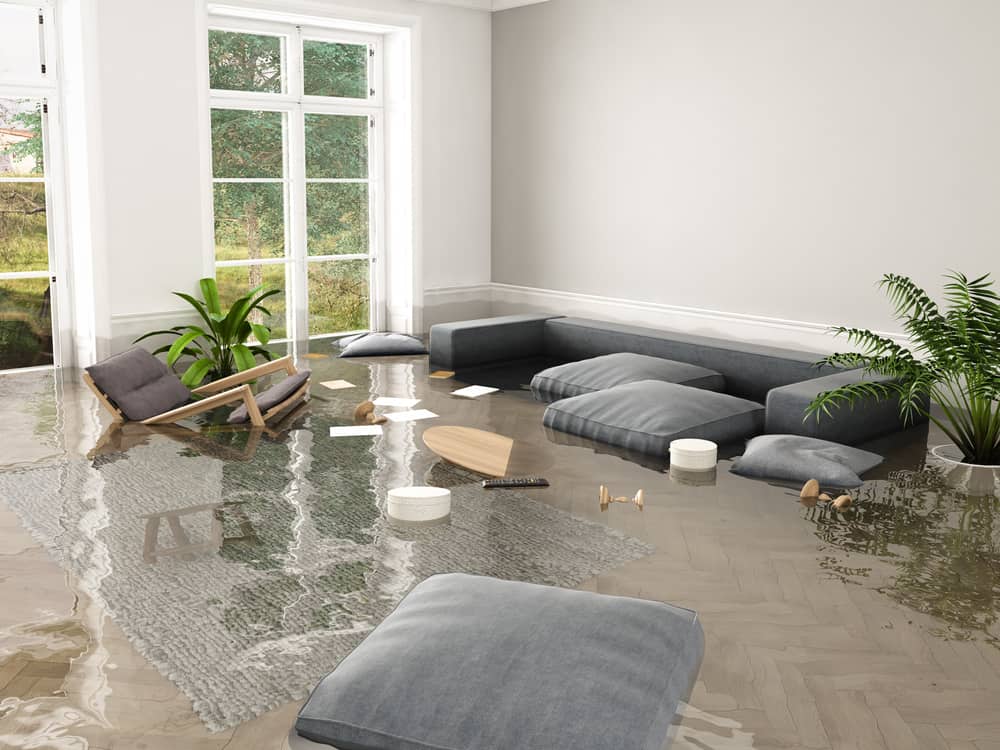
We handle the full range of water damage scenarios specific to this area: storm-driven water intrusion from the Sound or Harbor side, burst pipe water damage in older homes with aging galvanized or cast iron plumbing, flooded basement cleanup after groundwater events, water heater failures, and sewage backup situations that require a different remediation protocol entirely. The August 2024 flash flooding that triggered a state of emergency across Suffolk County — with North Shore communities including the Port Jefferson area seeing significant basement flooding and structural damage — is a reminder that extreme rainfall events can strike outside of hurricane season too.
Every job includes water extraction, structural drying, moisture mapping, mold prevention treatment, and full documentation for your insurance claim. Where reconstruction is needed, we handle that in-house. One company, start to finish.

It depends on how the water got in, and that distinction matters more than most people realize. Standard homeowners insurance typically covers sudden, accidental water damage from internal sources — a burst pipe, a water heater failure, an appliance overflow. It does not cover flooding, which is defined as water entering the home from the ground up due to an external weather event. That’s a separate flood insurance policy, typically through the National Flood Insurance Program.
In Belle Terre, a nor’easter can cause both types of damage at once. Wind-driven rain that gets in through a damaged roof or window is generally covered under a standard homeowners policy. Water that enters through the foundation from storm surge or rising groundwater is typically a flood claim. The same storm can generate two different claim types, and the documentation has to reflect that clearly. We work directly with your insurance company and know how to document damage in a way that supports the strongest possible outcome for both types of claims.
The EPA’s guidance is 24 to 48 hours — that’s the window for drying water-damaged areas before mold begins to establish itself. In practice, mold spores can start germinating within the first 24 hours under the right conditions, and visible growth typically appears within 48 to 72 hours. The clock starts the moment water contacts a surface, not when you notice the damage.
In Belle Terre’s older homes — many of which have plaster walls, hardwood floors, and structural framing that dates back decades or longer — moisture travels and holds differently than in modern drywall construction. Plaster absorbs water slowly but releases it slowly too, which means the interior of a wall can stay damp long after the surface feels dry to the touch. That’s why professional moisture mapping matters. A surface-level check misses what’s happening inside the structure, and what’s happening inside the structure is exactly where mold starts.
The first priority is safety — don’t enter a flooded basement if there’s any chance the electrical panel or any outlets are submerged or in contact with water. Shut off power to the affected area from a dry location if you can do so safely, and call a restoration professional before you start trying to clean anything up yourself.
The reason not to start mopping and running fans on your own is practical, not just precautionary. Consumer-grade equipment doesn’t remove moisture from inside walls, under flooring, or from structural cavities. If the water came in through the foundation — which is common in Belle Terre given the village’s shallow water table and sandy coastal soils — the source of intrusion needs to be identified before any drying begins. Starting cleanup without understanding where the water came from can mask the problem rather than solve it. Document everything with photos and video before anything is moved or removed. That documentation is what your insurance claim is built on.
For most residential water damage scenarios — a burst pipe, a flooded basement from a single event, a water heater failure — the drying phase alone takes three to five days using professional-grade dehumidifiers and air movers. After the structure is confirmed dry, any structural repairs or reconstruction add time on top of that. A moderate water damage event affecting one or two rooms typically takes around two to three weeks from initial extraction through final repairs.
The timeline in Belle Terre can be affected by a few factors specific to the village. Older homes with plaster walls and hardwood floors take longer to dry than modern drywall construction — the materials are denser and hold moisture longer. If the scope of restoration work requires a building permit under Belle Terre’s village code, that adds a permitting step before structural repairs can begin. And if mold is found during the assessment — which is more likely in homes where water damage went undetected for a period of time — remediation adds to the overall timeline. The assessment at the start of the job gives you a realistic picture of what you’re actually looking at.
In many cases, yes — but it depends on the location and extent of the damage. If water damage is confined to a basement or a single room, the rest of the home is often livable during the drying process. The equipment runs continuously, which means noise and some disruption, but it doesn’t require vacating the property.
Where staying becomes more complicated is when the damage involves Category 3 water — sewage backup, floodwater, or groundwater that carries contaminants — or when mold is present and remediation requires containment barriers and negative air pressure to prevent spore spread through the home. In those situations, the affected areas need to be isolated, and depending on the layout of the home, that can make day-to-day living difficult. Belle Terre’s homes tend to be larger than average, which often means there’s enough unaffected living space to remain comfortable during restoration. The assessment at the start of the job will give you a straight answer about what’s realistic for your specific situation.
The process starts with thorough on-site documentation — photographs, moisture readings, thermal imaging, and a written scope of damage that reflects what’s actually happening in the structure, not just what’s visible on the surface. In a high-value Belle Terre home, the difference between a thorough damage assessment and a superficial one can translate to a significant difference in what your insurance company covers.
We bill the insurance company directly and manage the back-and-forth with your adjuster throughout the process. That means you’re not stuck in the middle trying to relay technical information between a contractor and an insurance representative who are using different language to describe the same damage. With nearly 30 years of experience working with Long Island insurance companies, we understand how claims are evaluated, what documentation adjusters need, and how to present the scope of work in a way that supports a complete and accurate settlement. You focus on your family and your home — the insurance side is handled.
Useful Links
Other Services we provide in Belle Terre