
Hear from Our Customers

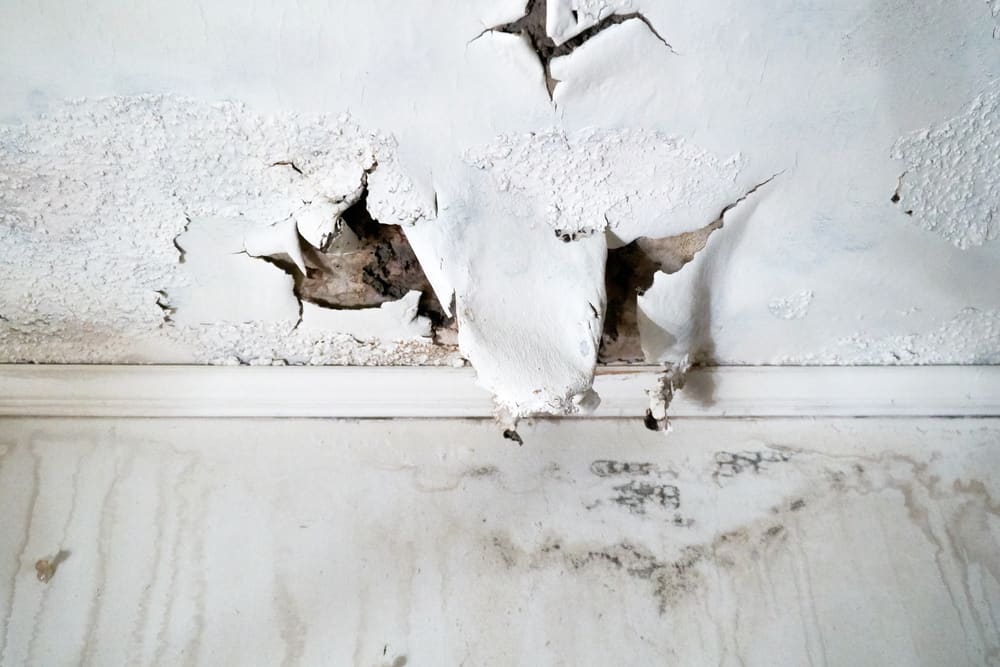
When water gets into your Brightwaters home, the visible damage is rarely the whole story. Moisture moves into wall cavities, under original hardwood floors, and through the lathe-and-plaster construction that defines so many of the pre-war homes in this village. What looks like a wet basement on Monday can become a mold problem behind your walls by Wednesday — and consumer-grade fans won’t stop that from happening.
Brightwaters sits on some of the most water-saturated ground on Long Island. The five spring-fed lakes that give the village its name are a daily reminder that the water table here sits unusually close to the surface. When a nor’easter pushes bay water up the Brightwaters Canal and rainfall saturates already-full soils, the ground has nowhere to put it — and it finds its way into your basement. That’s not a freak event. Brightwaters Mayor John Valdini confirmed exactly that after one documented nor’easter, noting that people who had never had basement water before suddenly did.
What you get when you call us is a team that understands this specific environment — the tidal canal, the aging plumbing, the older building materials — and has the equipment and certifications to handle it correctly. We deliver a genuinely dry, documented, professionally restored home, not just a surface cleanup that leaves moisture behind to become your problem again in six months.
We’ve been operating out of West Babylon for close to three decades, which puts us less than ten miles from Brightwaters, along the same South Shore corridor that’s been hit by the same storms, the same nor’easters, and the same post-Sandy recovery work that Brightwaters residents have lived through. This isn’t a national franchise that added Long Island to its coverage map. We’re a local company with a 631 area code and a team that’s worked in Town of Islip communities — including Brightwaters, Bay Shore, and the surrounding South Shore villages — throughout our entire history.
We’re IICRC-certified, licensed, bonded, and insured, and we work directly with your insurance company so you’re not stuck in the middle of a billing dispute while your home is still drying out. For Brightwaters homeowners protecting properties worth well into the six and seven figures, that combination of credentials and experience isn’t optional — it’s exactly what the situation requires.
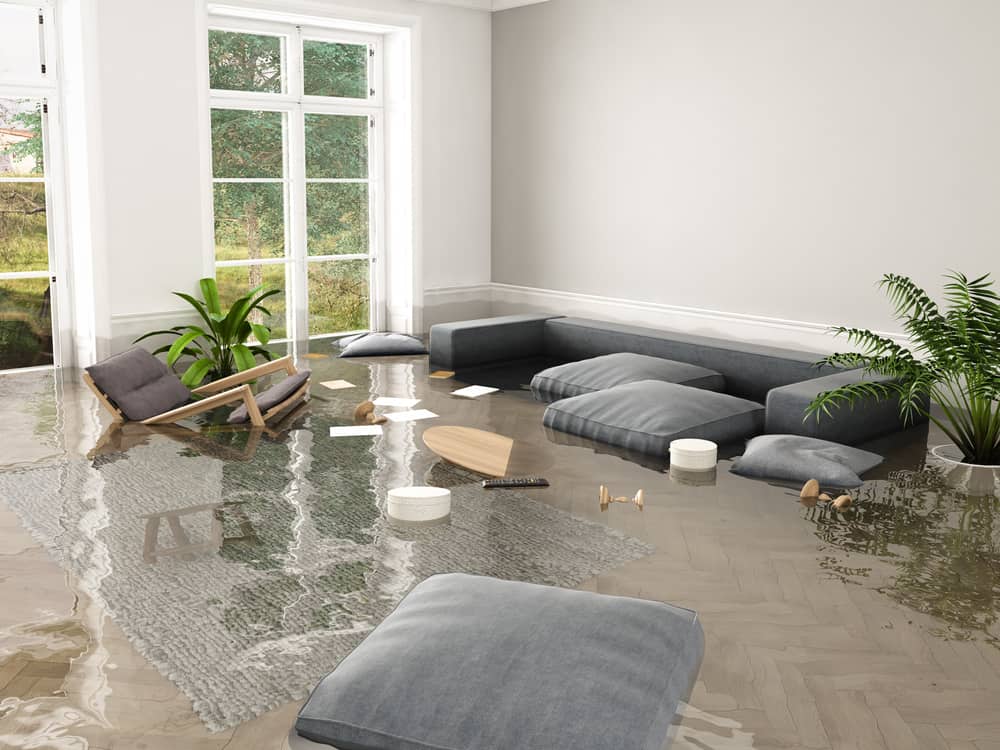
The first thing that happens when you call is an immediate response — not a callback window, not a next-day appointment. Water damage in Brightwaters doesn’t operate on business hours, and neither do we. A technician gets to your home, assesses the full extent of the damage using professional moisture detection equipment, and maps out where the water has traveled — including inside walls, under floors, and in structural cavities that a visual inspection would completely miss.
From there, water extraction comes first. Our industrial-grade equipment pulls standing water out of the space far more effectively than anything you’d rent from a hardware store. Then the structural drying phase begins — air movers and commercial dehumidifiers positioned specifically based on the moisture map, not just placed randomly around the room. In a Brightwaters home with pre-war construction, this phase takes careful attention because older building materials absorb and hold moisture differently than modern drywall.
Throughout the process, everything is documented for your insurance claim. We work directly with your insurer, providing the documentation and communication that adjusters need to process the claim correctly. Once the structure is confirmed dry — verified by moisture readings, not just a visual check — any necessary reconstruction work begins, handled by our team, under the same roof. No coordinating three separate contractors while your home sits in limbo.
Restoration work in Brightwaters falls under Town of Islip permitting jurisdiction. Electrical work and structural repairs require permits through the Town of Islip Building Department, and we’re familiar with those requirements — so the work gets done correctly and compliantly from the start.
Ready to get started?
Water damage restoration in Brightwaters covers a wider range of scenarios than most homeowners expect going in. The obvious ones are storm flooding and burst pipes — and both are genuinely common here. Canal District homes along Concourse West face tidal surge risk every time a major nor’easter rolls through. Lakes District homes deal with groundwater seepage through foundation walls during any significant rainfall because the water table is already sitting just below the surface year-round. And in the older Ackerson-era homes that define so much of Brightwaters’ architectural character, aging cast iron and galvanized pipes can fail without any warning at all.
We provide the full scope of services: water extraction, structural drying, moisture mapping, antimicrobial treatment to stop mold before it starts, and full reconstruction when walls, flooring, or structural elements need to be replaced. Mold remediation is included when needed — and under New York State Article 32, any mold remediation project exceeding ten square feet requires a licensed contractor, which we are.
For Canal District homeowners specifically, it’s worth understanding that floodwater entering from the Brightwaters Canal is not clean water. Bay water carries contaminants that classify it as Category 3 under IICRC standards — the highest contamination level — which changes the remediation protocol, the required protective measures, and the insurance documentation significantly. Having a certified team handle that correctly from the start protects both your home and your claim.

This is one of the most important questions a Brightwaters homeowner can ask, and the answer depends on the source of the water. Standard homeowners insurance covers sudden, accidental water damage from internal sources — a burst pipe, a failed water heater, an appliance overflow. It does not cover flooding. If water enters your home from the Brightwaters Canal during a storm surge event, that is classified as flood damage, and it requires a separate flood insurance policy through the National Flood Insurance Program or a private flood insurer to be covered.
The distinction matters enormously for Canal District homeowners in Brightwaters. If you experienced what looked like a combination event — for example, a sump pump that failed during a storm that also caused canal overflow — the source of each portion of the water matters for the claim. We document the damage and its likely sources thoroughly, which helps your adjuster process the claim accurately and reduces the risk of a denial based on misclassification. If you’re unsure whether your current policy includes flood coverage, that’s worth confirming with your insurer before the next nor’easter season arrives.
The EPA’s guidance is clear: water-damaged areas need to be dried within 24 to 48 hours to prevent mold growth. In practice, mold spores can begin germinating within the first 24 hours under the right conditions — and Brightwaters’ high-humidity South Shore environment provides those conditions readily. Visible mold typically appears within 48 to 72 hours, but the microscopic growth that causes health problems and structural damage starts well before you can see anything.
In a Brightwaters home with pre-war construction, this timeline is even more pressing. Lathe-and-plaster walls and original wood subfloors are more porous than modern materials, meaning moisture penetrates deeper and faster. A basement that flooded on a Saturday night during a nor’easter — when many homeowners first discover the damage — already has less than two full days before mold becomes a serious risk. That’s why we operate 24/7. Waiting until Monday morning to make a call is not a neutral decision — it’s a decision that may significantly expand the scope and cost of the remediation work.
Nationally, water damage restoration averages around $3,864, but the range is wide — from a few hundred dollars for a minor, contained event to well over $10,000 for extensive flooding with structural damage and mold remediation. The actual cost for your Brightwaters home depends on how much water entered, how far it spread, what materials were affected, and whether any contamination is involved. We provide a free on-site assessment so you know the scope before any work begins — no guessing, no vague estimates.
As for insurance coverage, whether your policy pays depends on the cause of the damage. Sudden events like a burst pipe or a failed appliance are typically covered under standard homeowners insurance. Gradual leaks, poor maintenance, and flood damage from external water sources are typically not. For Brightwaters homeowners, the distinction between a storm-related interior failure and external canal flooding can significantly affect what’s covered. We work directly with your insurance company, handle the documentation, and bill the insurer — so you’re not left navigating that process alone while your home is still wet.
It does, and it’s one of the most important things to understand about water damage in Brightwaters specifically. Homes built during the Ackerson-era development of the village — from roughly 1907 through the 1940s — have construction characteristics that respond to water intrusion very differently than a home built in the last thirty years. Lathe-and-plaster walls absorb and hold moisture in ways that drywall doesn’t. Original wood-framed subfloors can harbor moisture deep in the grain. Cast iron and galvanized steel pipes that are approaching or past 100 years old can fail suddenly, and when they do, the water often travels through wall cavities before it becomes visible.
Restoring a pre-war Brightwaters home correctly requires moisture detection equipment — thermal imaging and professional-grade moisture meters — to find where the water actually went, not just where it’s visible. It also requires technicians who understand how to dry older materials without causing additional damage in the process. We’ve been working in Long Island’s older South Shore housing stock for nearly 30 years, which means this isn’t an unfamiliar situation. The goal is always to restore the home’s character and structure, not just replace everything with generic modern materials.
In many cases, yes — but it depends on the extent of the damage and what was in the water. If you’re dealing with a contained burst pipe event in one area of the home, and the affected space can be isolated, most families can remain in the home during the drying and restoration process. Our equipment runs continuously — air movers and dehumidifiers operate around the clock — so there’s noise and activity to account for, but it’s usually manageable.
Where it becomes more complicated is when the flooding involved Category 3 water — which includes bay water from the Brightwaters Canal, sewage backup, or any groundwater that entered through the foundation during a storm event. Category 3 water carries contaminants that require proper protective protocols during remediation, and in those situations, temporary relocation is often the safer and more practical choice for the household. The technician who does your initial assessment will give you an honest read on whether staying is workable based on what they find. If relocation is necessary, your homeowners or flood insurance policy may cover additional living expenses — that’s worth confirming with your insurer as part of the claims process.
Brightwaters is a small, close-knit village — and when a nor’easter or a storm surge event affects multiple homes at once, it attracts attention from companies that are not local, not licensed, and not particularly interested in doing the work correctly. Some of what shows up in online search results for Brightwaters water damage restoration is lead-generation sites with out-of-state phone numbers, not actual restoration companies with a presence on Long Island.
The clearest signals of a legitimate provider are IICRC certification, a New York State contractor’s license, and verifiable local roots. IICRC certification means the technicians follow established, insurance-recognized protocols — the kind of documentation that holds up when an adjuster reviews your claim on a high-value Brightwaters property. A NYS license for mold remediation work (required under Article 32 for any project over ten square feet) is non-negotiable for that portion of the work. And a company based in Suffolk County — with a 631 area code and a physical presence on the South Shore — is a fundamentally different proposition than a national franchise or an aggregator site that routes your call to whoever picks up. We’re licensed, bonded, insured, and IICRC-certified, headquartered in West Babylon and serving Brightwaters and the surrounding Town of Islip communities for close to thirty years.
Useful Links
Other Services we provide in Brightwaters