
Water Damage Restoration in Cutchogue, NY
When Your North Fork Home Floods While You're Away
Hear from Our Customers

Flood Restoration Cutchogue, NY
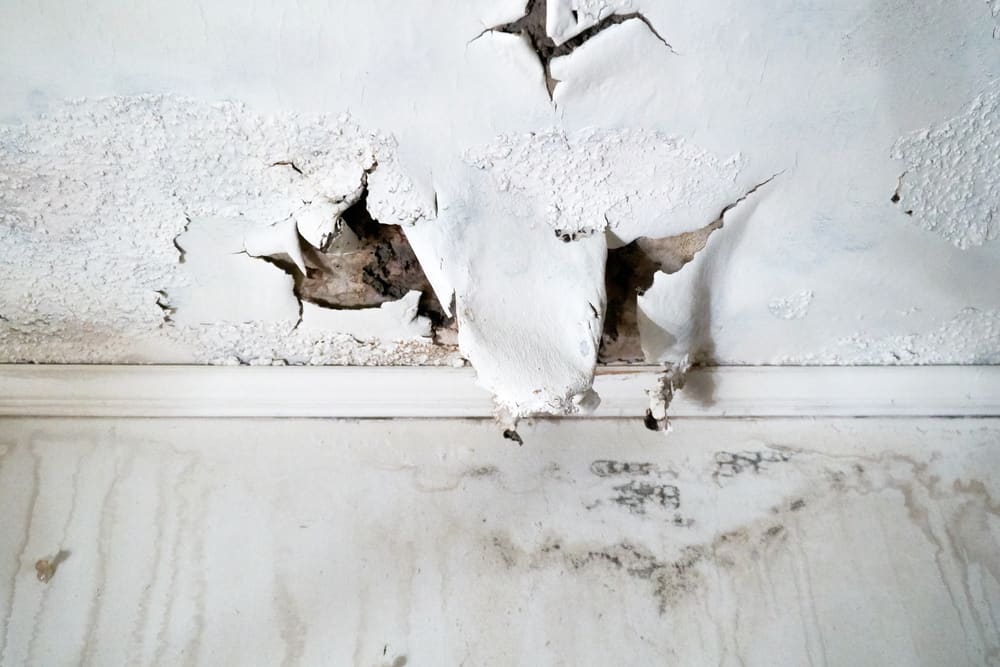
The worst part of returning to a Cutchogue vacation home after a long winter isn’t the water itself it’s realizing it’s been sitting there for weeks. What might have been a contained burst pipe in January has had months to work its way into your subfloor, your framing, your crawlspace. By the time you walk through the door in April, you’re not dealing with a water damage job. You’re dealing with a mold remediation project.
That’s the reality for a lot of North Fork homeowners, and it’s exactly the kind of situation we’re built to handle. From the first call, our focus is on stopping the damage, finding everything the water touched including what you can’t see and getting your home back to where it was before any of this happened.
For waterfront properties along Nassau Point or New Suffolk, the stakes are even higher. Peconic Bay storm surge doesn’t bring clean water. It brings saltwater, sediment, and contamination that requires a completely different approach than a standard pipe burst. Getting that wrong doesn’t just delay your recovery it can compromise your insurance claim and leave your home in worse shape than when you started.
Residential Water Damage Repair Cutchogue, NY
We’ve been serving Long Island homeowners for nearly three decades. That’s not a number thrown out to sound impressive it means our team has worked through every storm pattern, every seasonal flooding scenario, and every type of housing stock this island produces, including the historic farmhouses, crawlspace-foundation homes, and high-value waterfront properties that define Cutchogue and the North Fork.
We’re licensed, bonded, and insured, and every technician is fully certified by the IICRC the Institute of Inspection, Cleaning and Restoration Certification. That matters because it’s the credential insurance companies actually recognize. When your adjuster reviews the claim, the documentation and protocols that come with IICRC-certified work hold up in ways that non-certified restoration simply doesn’t.
Cutchogue falls under our Suffolk County coverage, reached directly at 631-587-5300. That’s a local number connected to a company that has been doing this work on Long Island since before most of today’s competitors existed.
24/7 Water Damage Restoration Cutchogue, NY
When you call, the first priority is understanding what you’re dealing with. Is the water source still active? How long has it been sitting? Is the property occupied or has it been vacant? For Cutchogue’s seasonal homeowners, that last question changes everything a home that’s been closed up since November and discovered flooded in March requires a different initial assessment than a pipe that burst this morning.
Once we arrive, the first step is stopping any ongoing water intrusion and beginning extraction. Industrial-grade equipment pulls water out of places a shop vac will never reach beneath hardwood floors, inside wall cavities, under crawlspace insulation. Moisture meters map exactly where the damage extends, so nothing gets missed and nothing gets dried on the surface while staying wet underneath.
From there, structural drying and dehumidification run until the readings confirm the structure is genuinely dry not just dry to the touch. If mold is present or at risk of developing, we address that as part of the same project. New York State requires licensed mold assessors and remediators for projects above 10 square feet, and we operate in full compliance with those regulations under the Town of Southold’s jurisdiction. The final phase is repairs structural, cosmetic, whatever your home needs to be whole again.

Ready to get started?
Burst Pipe and Storm Damage Restoration Cutchogue
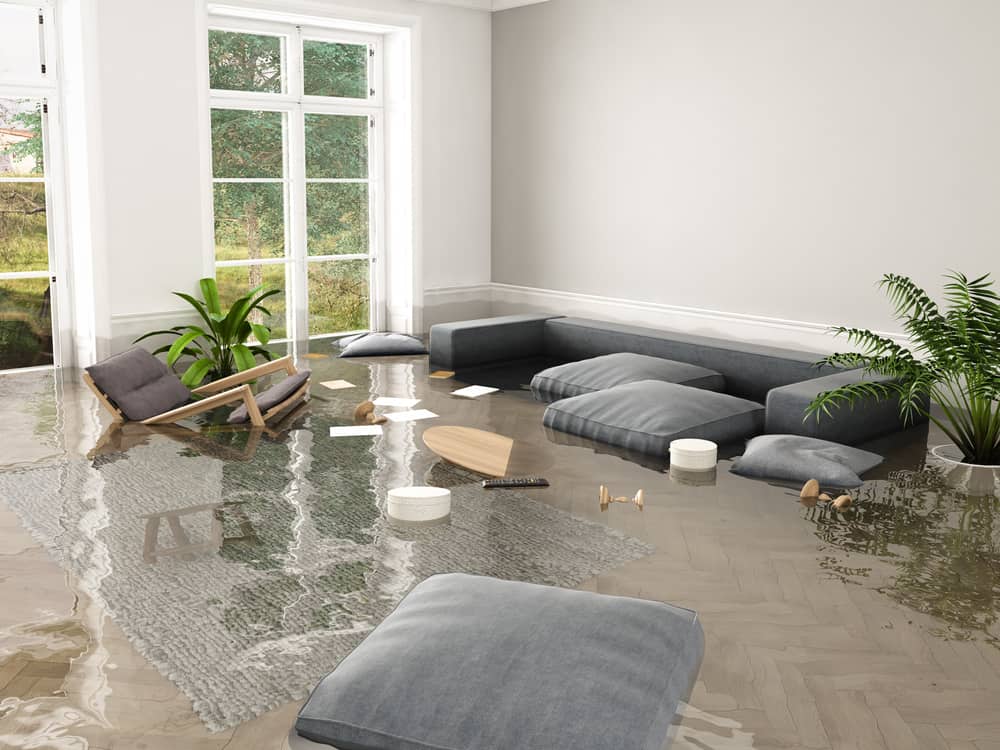
Water damage on the North Fork doesn’t fit a single profile. A frozen pipe that bursts in an unoccupied seasonal home on Oregon Road is a completely different job from a Peconic Bay storm surge event that pushes saltwater through the ground floor of a Nassau Point property. We handle both and everything between.
For interior water events like burst pipes, appliance failures, and HVAC-related flooding, our process covers full water extraction, structural drying, dehumidification, and repairs. For storm-related flooding, particularly the tidal saltwater intrusion that Cutchogue’s waterfront communities face after a nor’easter or a hurricane, the work involves Category 3 contamination protocols antimicrobial treatment, contaminated material removal, and documentation that meets insurance standards for that level of damage.
Crawlspace flooding is one of the most common calls we receive from Cutchogue’s older agricultural and historic properties. Crawlspaces trap groundwater, condensation, and runoff in ways that finished basements don’t, and they’re notoriously difficult to dry without professional equipment. Mold in a crawlspace can spread to the framing above it before it’s ever visible. We also work directly with your insurance company handling the documentation, the communication with your adjuster, and the billing so you’re not managing that process from a distance while also trying to manage the restoration itself.

What should I do if I arrive at my Cutchogue vacation home and find water damage?
The first thing to do is call a restoration company before you touch anything. It sounds counterintuitive, but moving things around or attempting to dry surfaces yourself can make it harder to document the damage accurately for your insurance claim and documentation is everything when it comes to getting a claim approved.
Once you’ve made the call, if it’s safe to do so, shut off the main water supply if the source is an internal plumbing failure. Don’t run fans or open windows yet a professional assessment needs to happen first to understand what type of water you’re dealing with and how far it has spread. In a home that’s been vacant for weeks or months, what looks like surface water often has much deeper penetration into the structure. The faster a team with proper moisture detection equipment gets there, the clearer the picture and the lower the final restoration cost.
We’re available 24/7, so even if you’re arriving at your Cutchogue property on a Sunday afternoon in March, you can reach us immediately at 631-587-5300.
Does homeowners insurance cover water damage from a burst pipe in a seasonal home?
Generally, yes standard homeowners insurance covers sudden and accidental water damage from internal sources like burst pipes, regardless of whether the home is occupied at the time. The key word is “sudden.” If the insurer can demonstrate that the pipe showed signs of slow leaking or deterioration over time, or that the home was left without adequate heat and the freeze was foreseeable, they may push back on the claim.
For Cutchogue seasonal homeowners, this is a real distinction. If your heating system failed while the house was vacant and pipes froze as a result, the insurer may argue that inadequate winterization contributed to the loss. Having a restoration company document the damage thoroughly and quickly before anything is disturbed gives you the strongest possible position. We work directly with insurance companies and handle the documentation process, which matters a lot when the claim involves a vacant property and a long period between the event and the discovery.
It’s also worth noting that standard homeowners insurance does not cover flooding from storm surge or groundwater. If your Cutchogue property is in a FEMA flood zone which applies to Nassau Point, New Suffolk, and other Peconic Bay shoreline areas you need a separate NFIP flood policy for that coverage.
How long does water damage restoration take for a North Fork property?
It depends heavily on how long the water has been present and how far it has spread. For a recent pipe burst caught within a day or two, the drying phase typically runs three to five days, with repairs following shortly after. Total project time for moderate damage is often two to three weeks from first call to final walk-through.
For Cutchogue properties where water has been sitting undetected for weeks which is common in seasonal homes discovered flooded in spring the timeline extends significantly. Mold remediation adds scope, structural drying takes longer when moisture has penetrated deep into framing and insulation, and historic building materials like plaster and timber respond more slowly than modern drywall and engineered lumber. In severe cases involving both water damage and mold, a full restoration can take six weeks or more.
The honest answer is that the assessment on day one gives you the clearest picture of what you’re actually dealing with. We’ll walk you through the scope, the timeline, and what to expect before any work begins so you’re not guessing.
What is the difference between water damage and flood damage for insurance purposes?
This is one of the most important distinctions for Cutchogue homeowners to understand, and it genuinely confuses a lot of people. Standard homeowners insurance covers water damage from internal sources a burst pipe, an appliance overflow, a roof leak that lets rain in. It does not cover flooding, which is defined as water that enters the home from the ground up, including storm surge, river overflow, and groundwater intrusion.
If Peconic Bay storm surge pushes water into your Nassau Point or New Suffolk property during a nor’easter or hurricane, that is a flood event and it is only covered if you have a separate NFIP flood insurance policy. Many Cutchogue waterfront homeowners have both policies, but the claims process for each is different, and the documentation requirements are different. We have experience working with both types of claims and handle the communication with adjusters directly, which is especially useful when you’re managing a restoration from your primary residence in another city.
If you’re not sure whether your property is in a FEMA-designated flood zone, the Town of Southold participates in the NFIP and that information is publicly available through FEMA’s flood map service.
Can mold grow in a Cutchogue home that was only wet for a short time?
Yes and faster than most people expect. The EPA’s guidance is clear: mold can begin developing in water-damaged areas within 24 to 48 hours under the right conditions. On the North Fork, those conditions are often present. The marine climate from June through September produces high ambient humidity that accelerates mold growth in any structure that has experienced water intrusion, even minor intrusion. In a sealed, unventilated seasonal home, the combination of residual moisture and trapped humidity can push mold development even faster.
The bigger risk for Cutchogue homeowners is hidden moisture water that has wicked into wall cavities, crawlspace insulation, or beneath original hardwood floors and isn’t visible on the surface. A home that looks dry after a basic cleanup may have active moisture inside the structure that becomes a full mold problem within weeks. This is why professional moisture mapping with calibrated meters matters. Consumer-grade fans and wet-vacs dry what they can reach. Industrial drying equipment and thermal imaging find what they can’t.
Does First Response Restoration & Cleaning Inc. serve Cutchogue and the surrounding North Fork area?
Yes. We serve all of Suffolk County, which includes Cutchogue and the surrounding North Fork communities New Suffolk, Nassau Point, Peconic, Mattituck, and the broader Town of Southold. The dedicated Suffolk County line is 631-587-5300, and we’re available around the clock for emergency calls.
The North Fork presents some specific logistical considerations worth knowing. Route 25 Main Road is the primary artery through Cutchogue and the only direct route from the west. During summer months, traffic along Route 25 can be significant, and response times can vary. We account for this in dispatching and prioritize emergency calls accordingly. For seasonal homeowners who may be calling from outside the area after discovering a problem remotely, we can coordinate directly with a local contact, a neighbor, or a property manager on your behalf to begin the assessment process before you arrive. The goal is to get eyes on the damage and extraction started as quickly as possible because every hour that water sits in a structure increases the scope of what comes next.
Useful Links
Other Services we provide in Cutchogue