
Hear from Our Customers

When water gets into your home, the clock starts immediately. The EPA is clear that mold can begin forming within 24 to 48 hours of water intrusion — and in East Hampton North, where some properties sit unoccupied through the winter months, that window can close long before anyone even knows there’s a problem. A pipe that bursts in January in a partially seasonal home along Springs-Fireplace Road doesn’t get found until a property check in March. By then, what should have been a straightforward water extraction job has turned into something much larger.
That’s the specific reality of living in a year-round community embedded in a seasonal landscape. The outcome you want isn’t just “dry walls” — it’s knowing the moisture is completely gone, not just from the surface, but from inside the structure. Industrial moisture meters, thermal imaging, and professional-grade drying equipment find what you can’t see. That’s what separates a complete restoration from a cleanup that creates a mold problem six months later.
Beyond the drying itself, we also provide full documentation for your insurance claim, handled directly by our team — not handed off to you to figure out. For homeowners in East Hampton North, where home values sit near $924,900 on average, getting the restoration done right the first time isn’t optional. The cost of cutting corners shows up at exactly the wrong moment: during a sale inspection, during a refinancing appraisal, or when a future buyer’s inspector opens a wall.
We’ve been serving Suffolk County homeowners for nearly three decades. That’s not a marketing number — it’s the difference between a company that has seen every type of East End water damage scenario and one that purchased a territory in 2020 and is still learning the area. We know what aging cesspools look like when they fail, what a Nor’easter does to rooflines on older homes, and what happens when a seasonal property sits through a hard winter without anyone checking in.
East Hampton North is a year-round working community — teachers, contractors, healthcare workers, local business owners — and we treat it that way. No Hamptons premium. No overselling. You get a free on-site assessment, a clear explanation of what’s actually happening, and a restoration process that’s fully documented for your insurance company from day one.
We’re fully licensed, bonded, and insured, with IICRC-certified technicians and a dedicated Suffolk County line at 631-587-5300 — local people, not a dispatch center routing calls from somewhere else.
It starts with a call. Whether you’ve just found a flooded basement on a Sunday morning or you’ve returned from a winter away to discover a burst pipe that’s been sitting for weeks, the process begins the same way — someone picks up, and our team gets moving. We offer 24/7 emergency response throughout Suffolk County, including the far eastern end of Long Island where response time from a national chain can be a real concern.
Once on-site, the first priority is assessment. Moisture meters and thermal imaging map where water has traveled — not just where it’s visible. In East Hampton North’s older housing stock, water moves fast through wall cavities, subfloors, and structural framing. The extraction phase removes standing water, and then industrial air movers and dehumidifiers begin the structural drying process, which typically runs three to five days for most homes. Every reading is documented throughout.
From there, the scope of any needed repairs is outlined clearly, and we handle direct billing and coordination with your insurance company. If mold remediation is required — which under New York State’s Article 32 law means a licensed assessor must prepare a written remediation plan before any work begins — that process is managed in compliance with state requirements. You don’t have to track down a separate assessor or figure out the legal requirements on your own. The full picture is handled, start to finish.
Ready to get started?
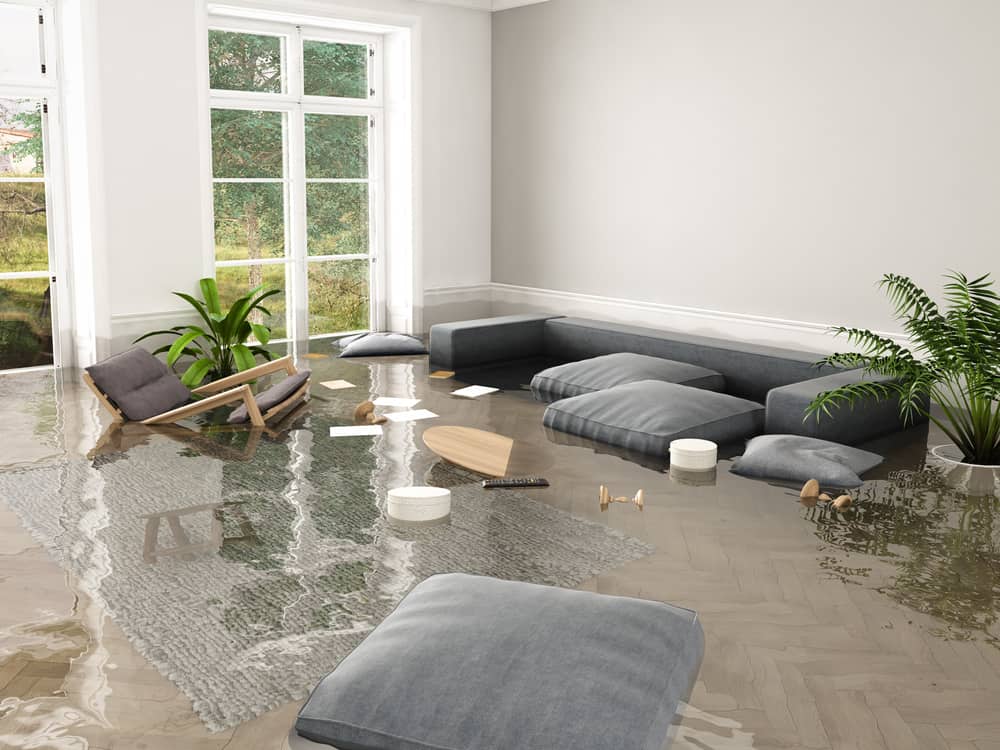
Water damage in East Hampton North doesn’t come from just one source. Burst pipes — especially in homes that have been left unoccupied through the winter with heating set too low — are one of the most common calls on the East End. Storm damage from Nor’easters and Atlantic hurricanes is another. East Hampton Town is geographically the first Long Island community in the path of any Atlantic storm recurving northward, and the area’s flat topography means water accumulates and drains slowly after a major weather event. Basement water extraction and structural drying after storm flooding is a recurring need here, not an occasional one.
There’s also a water damage category that’s specific to this area and often overlooked: septic and cesspool failure. Every property in East Hampton North depends on a private system — many dating to the 1950s and 1960s — and when one of those systems fails or groundwater rises through a foundation during a storm, the water entering the home may be Category 3, meaning it carries pathogens that require full protective remediation protocols. This is not a general contractor job. It requires certified technicians who can identify what they’re dealing with before they start.
The full service scope includes water removal, basement water extraction, structural drying, dehumidification, antimicrobial treatment, mold prevention, and complete reconstruction where needed. We handle insurance coordination and direct billing throughout the process. If your situation involves mold remediation, we work within New York State’s Article 32 requirements — meaning the assessment and remediation are handled by properly licensed parties, keeping your claim clean and your project legally compliant.

In most cases, yes — standard homeowners insurance covers sudden and accidental water damage from internal sources like burst pipes, appliance overflows, and roof leaks from storm damage. What it does not cover is flooding, which requires a separate policy through the National Flood Insurance Program. This distinction matters in East Hampton North because the area carries a FEMA Zone X designation, meaning most properties are not in the mandatory flood insurance zone — and many homeowners here don’t carry a flood policy. If your basement flooded during a storm surge event rather than from a pipe failure, you may be looking at an uncovered loss unless you have separate flood coverage.
There’s another layer worth knowing about: seasonal vacancy clauses. Some homeowners insurance policies include provisions that limit or deny coverage if a property has been left unoccupied for an extended period and a loss occurs during that time. If your East Hampton North home sits empty for part of the year, it’s worth reviewing your policy before you need to file a claim. We work directly with insurance companies and can help document the damage in a way that supports your claim from the start — but understanding your coverage in advance is always the better position to be in.
The EPA states that mold can begin growing within 24 to 48 hours of water intrusion under the right conditions. Mold spores are always present in the air — what they need to activate is moisture and a surface to land on. Once those conditions exist, germination begins quickly, even if visible growth doesn’t appear for another day or two. By the time you can see mold, the colony is already established.
This timeline is especially relevant in East Hampton North, where some homes sit unoccupied through the winter. A pipe that bursts in an empty house in February doesn’t get found until a property check in March or April. In that scenario, mold has had weeks — not hours — to establish itself inside walls, under floors, and in structural cavities. The remediation scope for a month-old water event is dramatically larger than for one caught within 48 hours. If you’ve returned to find water damage that’s been sitting for any length of time, the priority is getting a professional assessment done immediately, not waiting to see how it develops.
Water damage is classified into three categories based on contamination level. Category 1 is clean water — a burst supply line or appliance overflow. Category 2 is gray water — washing machine discharge or toilet overflow without solid waste. Category 3 is black water, and it’s the most serious: sewage backup, groundwater intrusion, or floodwater that has picked up contaminants along the way. Category 3 water carries pathogens that pose real health risks, and it requires full protective remediation protocols — not just extraction and drying.
East Hampton North has no municipal sewer system. Every property runs on a private septic system or cesspool, and many of those systems were installed in the 1950s and 1960s. When an aging cesspool fails, or when groundwater rises through a foundation during a major storm event, the water entering the home is frequently Category 3. This is a scenario that a general contractor or a DIY cleanup cannot safely address. Our IICRC-certified technicians are trained to identify the contamination category on arrival and respond with the appropriate protocols — protective equipment, antimicrobial treatment, and proper disposal of affected materials. Getting this wrong doesn’t just mean incomplete cleanup; it means leaving health hazards behind in the structure.
For most homes, the water extraction phase takes one to three days, and the structural drying phase runs approximately three to five days after that. A general estimate for a moderate water damage event — a burst pipe affecting one or two rooms, for example — is around two to three weeks from the initial dry-out through any needed repairs. More extensive damage, particularly if mold has had time to establish or if structural components need replacement, can extend that timeline significantly.
In East Hampton North, the timeline can be affected by a few local factors. If mold remediation is required, New York State’s Article 32 law mandates that a licensed assessor prepare a written remediation plan before any work begins, and post-remediation clearance testing is required before the project is considered complete. That adds steps to the process that can’t be skipped legally. Additionally, if the damage occurred in a home that sat unoccupied for an extended period — common on the East End — the initial assessment may uncover secondary damage that wasn’t visible on the surface, which can expand the scope of work. Getting a thorough assessment done upfront is the best way to get an accurate timeline from the beginning rather than discovering additional problems mid-project.
It depends on the scope and category of the damage. For minor water damage — a contained pipe leak in one room, for example — staying in the home is usually possible as long as the affected area is isolated and the rest of the house remains functional. The drying equipment runs continuously during the structural drying phase, which means industrial air movers and dehumidifiers operating around the clock in the affected areas. It’s livable, but it’s not quiet.
For more significant damage — a flooded basement, Category 3 contamination from a septic failure, or widespread structural involvement — temporary displacement is often the safer and more practical choice. If mold is present, the remediation process involves containment barriers and negative air pressure systems that make living in the affected areas inadvisable. In East Hampton North, where some residents are navigating this while also managing the demands of working in the local service economy, we’ll give you a straightforward assessment of what’s realistic for your specific situation. There’s no benefit to overstating the disruption — but there’s also no benefit to underestimating it.
The first thing to do is call a restoration company — not your insurance company. This surprises a lot of people, but it’s the right sequence. Getting a restoration team on-site first means the damage is properly documented before anything is disturbed or cleaned up. That documentation — moisture readings, photographs, written assessment — becomes the foundation of your insurance claim. An adjuster reviewing a well-documented file has a much clearer picture of what happened and what it costs to fix than one reviewing a home where the homeowner already started cleanup.
We work directly with your insurance company throughout the process. That means handling the paperwork, coordinating with the adjuster, and billing the insurer directly rather than routing everything through you. For East Hampton North homeowners navigating the distinction between water damage coverage and flood coverage — or dealing with the added complexity of seasonal vacancy clauses — having someone in your corner who has done this hundreds of times matters. You’re not learning the claims process during one of the more stressful situations you’ll face as a homeowner. We handle that side of it so you can focus on getting your home back to normal.
Useful Links
Other Services we provide in East Hampton North