
Hear from Our Customers

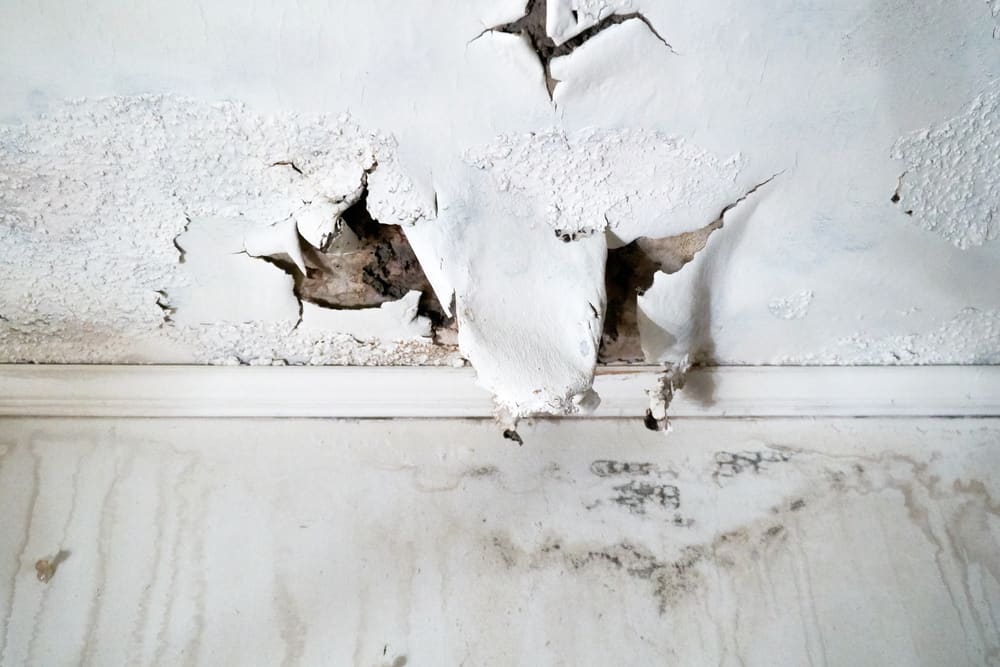
There’s a particular kind of dread that comes with opening your East Marion property after a long winter away. You turn the key, step inside, and something’s off — a smell, a stain on the ceiling, a floor that gives slightly underfoot where it didn’t before. What you’re looking at is weeks or months of damage that had no one to catch it. That’s the reality for a significant share of East Marion homeowners, where roughly 38% of housing units sit vacant for large parts of the year.
What a proper restoration does is more than dry things out. It finds the moisture that’s moved behind walls, under original hardwood floors, and into the framing of homes that were built long before modern materials existed. East Marion’s housing stock includes 19th-century sea captains’ homes and mid-century cottages — structures that absorb and hold water differently than a new build in a suburban development. Getting the job done right here means understanding what you’re working with, not just running fans and calling it done.
When the work is finished, you should be able to walk back into your property — whether it’s a weekend escape or a year-round home — without wondering what’s hiding inside the walls. That’s the outcome that matters.
First Response Restoration & Cleaning Inc. has been serving Suffolk County homeowners for close to three decades. That track record comes from actually showing up, year after year, for the full range of what Long Island’s weather and housing stock can throw at you — nor’easters, frozen pipes, post-storm flooding, and the slow water damage that nobody notices until it’s serious.
East Marion sits at the far eastern tip of the North Fork, flanked by Long Island Sound to the north and Gardiners Bay to the south. Getting a qualified, certified team out to a community this remote takes commitment. Our IICRC-certified technicians are fully licensed, bonded, and insured, and we work directly with your insurance company so you’re not managing that process from a distance. Whether you’re a year-round resident, a seasonal homeowner, or a caretaker managing the property on someone else’s behalf, we communicate clearly with whoever needs to be in the loop.
The first thing that happens when you call is an honest assessment. We come out, look at what you’re dealing with, and tell you the actual scope — not a surface read, but a thorough moisture mapping of the affected areas. In East Marion’s older homes, that means checking inside walls, under floors, and anywhere water could have traveled before it was caught. For properties that sat unoccupied through a wet season, that scope can be wider than it first appears.
Once the assessment is complete and documented, extraction and structural drying begin. We use industrial-grade equipment — dehumidifiers, air movers, and moisture meters — that reaches the places a shop vac and a box fan simply can’t. The drying phase typically takes three to five days depending on the extent of the damage, though more significant water intrusion can extend that timeline. Throughout the process, everything is documented for your insurance claim, which matters when you’re dealing with a property in this value range.
If the damage requires structural repairs or reconstruction, we handle that too — same company, same point of contact, from water removal through final rebuild. For homeowners managing this remotely, that single point of contact is significant. You shouldn’t have to coordinate three separate contractors from two hours away. Any structural work in Southold Town requires a building permit through the Southold Building Department, and we’re familiar with those requirements so that part of the process doesn’t stall your timeline.

Ready to get started?
Water damage restoration in East Marion covers a wider scope than it does in most Long Island communities, and that’s a direct result of the geography. The hamlet sits on a narrow peninsula where Long Island Sound and Gardiners Bay approach from both sides along Route 25. A significant coastal storm doesn’t just bring rain — it can push storm surge from multiple directions simultaneously, which means water can enter a property through the foundation, the roof, and the windows in the same event. Suffolk County has recorded 12 hurricanes and 9 flood events in documented major disaster declarations. This isn’t a rare scenario here.
Our services for East Marion homeowners include water extraction and removal, structural drying and dehumidification, moisture mapping, mold prevention treatment, and full documentation for insurance purposes. For properties where mold has already taken hold — particularly in homes that went unmonitored through a wet winter — we also provide mold remediation as part of the restoration scope. Flooded basement cleanup and burst pipe water damage are among the most common calls we receive from North Fork properties, especially following winter cold snaps when vacation homes with reduced heat are vulnerable to frozen pipes.
For properties near the water or in FEMA-designated flood zones — and East Marion has both — reconstruction work must meet Southold Town’s flood zone compliance requirements, including New York State’s additional freeboard standards above base flood elevation. We’re familiar with those requirements and factor them into the restoration plan from the start.

This is one of the most common situations we encounter on the North Fork. When a property sits unoccupied — whether through a winter season or an extended absence — water damage can develop and worsen for weeks before anyone notices. A burst pipe in January, a roof leak from a nor’easter, groundwater seeping into a basement during the spring thaw: all of these can go undetected in a seasonal home until the owner returns or a caretaker checks in.
The first step is a full assessment. We come out and map the actual extent of the damage, not just what’s visible on the surface. In East Marion’s older homes — many of which have original hardwood floors, plaster walls, and aging plumbing — moisture travels in ways that aren’t always obvious. We use moisture meters and thermal imaging to find it wherever it’s gone. From there, we document everything thoroughly for your insurance claim and begin the extraction and drying process. The sooner you call after discovering the damage, the better — but even if it’s been sitting for a while, a proper assessment tells you exactly where things stand.
Homeowners insurance typically covers sudden, accidental water damage — things like a burst pipe, an appliance failure, or storm-driven rain entering through a damaged roof. What it does not cover is flooding from external sources, which requires a separate flood insurance policy. That distinction matters significantly in East Marion, where properties along the Long Island Sound and Gardiners Bay shoreline face genuine coastal flood exposure.
It’s also worth understanding that coverage can be affected by the condition of your property at the time of the damage. Insurers may reduce or deny a claim if they determine the damage resulted from a lack of maintenance — for example, pipes that weren’t adequately winterized in a vacant home. Documenting the damage thoroughly and quickly, and having that documentation prepared by an IICRC-certified company, gives your claim the strongest possible foundation. We work directly with your insurance carrier and handle the coordination on your behalf, which is especially useful when you’re managing the situation from off the island.
The timeline depends on how much water entered the property, how long it sat before being discovered, and what materials were affected. For a straightforward burst pipe caught quickly, the drying phase alone typically runs three to five days, with the full restoration taking one to two weeks. For properties in East Marion where damage went undetected through a season — which is not uncommon given the high rate of seasonal vacancy — the scope is often wider, and the timeline extends accordingly.
Older homes add another variable. A property built in the 1940s or earlier has materials — old-growth wood framing, plaster walls, original subfloors — that hold moisture differently than modern construction. Drying those materials to a safe level takes longer and requires careful monitoring so you don’t end the process too early and leave hidden moisture behind. If structural repairs or reconstruction are needed, permitting through the Southold Town Building Department adds time to the schedule, though we handle that process as part of the job.
Yes, and faster than most people expect. The EPA recommends drying water-damaged areas within 24 to 48 hours to prevent mold growth. Mold spores are present in virtually every indoor environment — they just need moisture and a surface to colonize. In East Marion’s coastal climate, where ambient humidity is already elevated compared to inland communities, the conditions for mold growth can develop even more quickly than in drier areas.
The risk is compounded in properties that were closed up for the season. A vacant home with limited airflow and a water intrusion event — even a relatively minor one — can develop visible mold within 48 to 72 hours. Microscopic growth starts earlier. This is why a surface-level cleanup using consumer-grade equipment isn’t sufficient: it may remove standing water without addressing the moisture that’s already moved into walls, under floors, and into structural cavities. Our process includes antimicrobial treatment as part of the standard restoration scope to address mold risk at the source, not just what’s visible.
East Marion’s geography creates a specific combination of flood risk factors that you don’t find in most Long Island communities. The hamlet sits on a narrow peninsula with water on both sides — Long Island Sound to the north, Gardiners Bay to the south — and much of the land is low-lying with a high water table. During prolonged rain events or coastal storms, groundwater rises quickly and can push directly into basements through foundation walls and floor drains, even without any visible surface flooding.
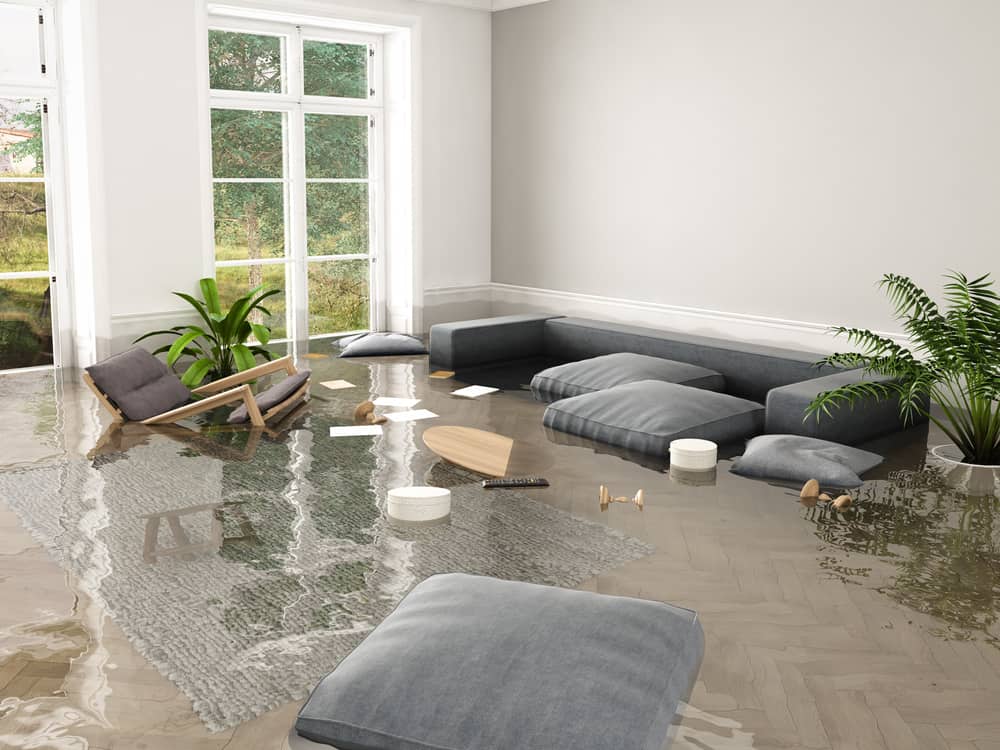
Storm surge is a separate risk. When a nor’easter or hurricane pushes water toward the North Fork from the Sound or Bay side, low-lying properties near the shoreline can take on water from outside before any internal plumbing is involved. This type of flooding — external groundwater or storm surge — is not covered by standard homeowners insurance and requires a separate flood policy through the National Flood Insurance Program. Burst pipes during winter cold snaps are also a consistent source of basement flooding in East Marion, particularly in vacation homes where the heat was turned down or the heating system lost power during a storm.
A significant number of East Marion properties are managed by local caretakers or property management companies when the owners are away. When water damage happens in one of those homes, it’s often the caretaker who discovers it first and makes the call. We’re set up to work directly with whoever is on the ground — giving the caretaker a clear picture of what we found, what needs to happen, and what the timeline looks like, while keeping the property owner informed through the process regardless of where they are.
From a practical standpoint, this means you don’t need to be physically present for the assessment, the extraction, or the drying phase. We document everything — moisture readings, affected areas, equipment placed, daily progress — and that documentation serves both the property owner and the insurance claim. If you’re a caretaker managing multiple properties on the North Fork, or a homeowner who relies on someone local to handle things in your absence, we communicate the way that works for your situation. The goal is a complete restoration with as little burden on the off-site owner as possible.
Useful Links
Other Services we provide in East Marion