
Hear from Our Customers

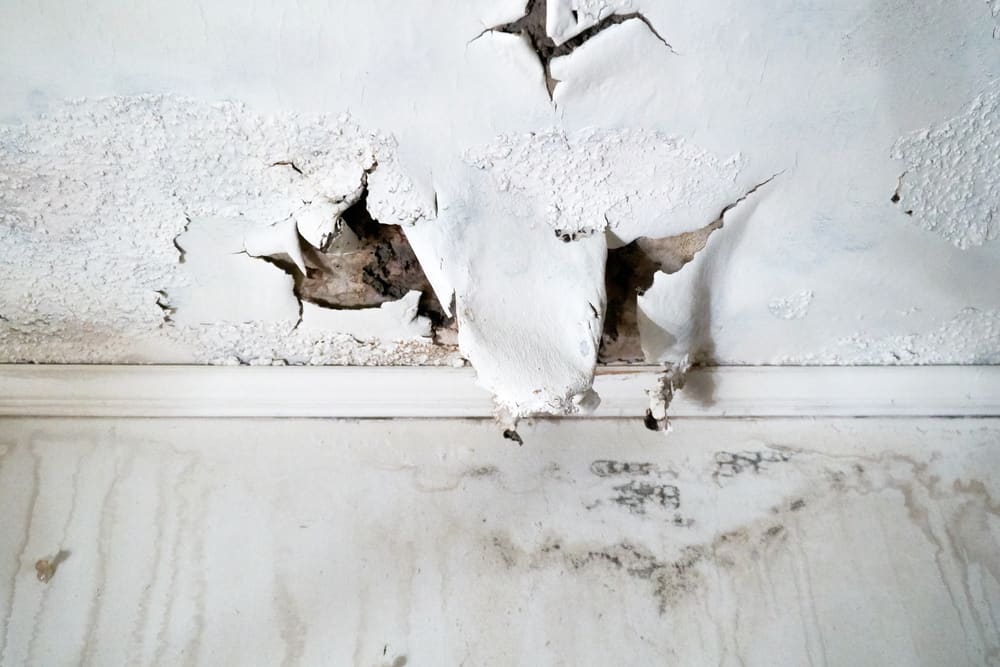
When water gets into your East Patchogue home, the visible damage is only part of the story. The post-war housing stock here — the Cape Cods, ranches, and split-levels built mostly in the 1950s and ’60s — doesn’t handle moisture intrusion the way newer homes do. Water doesn’t just sit on the floor. It wicks into original plaster walls, moves through solid wood subfloors, and collects behind mid-century tile work that was never designed to handle moisture.
By the time things look dry on the surface, the real damage is already happening inside the walls.
What you actually need after a water event isn’t just extraction — it’s a full dry-out confirmed by moisture meters, not a visual guess. That means the hidden cavities get addressed, not just the visible puddles. It means the drying equipment runs long enough to actually do the job, and we check the readings before packing up and leaving.
East Patchogue sits in the Town of Brookhaven’s South Shore corridor — the same coastal zone where Superstorm Sandy pushed Great South Bay water miles inland in 2012. Whether the source is a burst pipe in January, a basement that took on water during a nor’easter, or storm surge that came up through a floor drain, the outcome you need is the same: a home that’s genuinely dry, properly documented for your insurance claim, and not quietly growing mold behind the drywall three weeks from now.
We’ve been restoring Long Island homes for nearly three decades. We’re based in West Babylon — a South Shore Suffolk community about 20 to 25 miles west of East Patchogue along Sunrise Highway — which means when a call comes in from the Patchogue corridor, the response is local, not routed through a national dispatch center.
That kind of longevity on Long Island’s South Shore isn’t just a number. We’ve worked in the same style of homes that line East Patchogue’s streets — the same aging plumbing, the same post-war construction details, the same basement configurations that sit a few feet above the water table. Our technicians are IICRC-certified, and we’re licensed, bonded, and insured. That matters when your home is worth close to $580,000 and you need the work done right the first time.
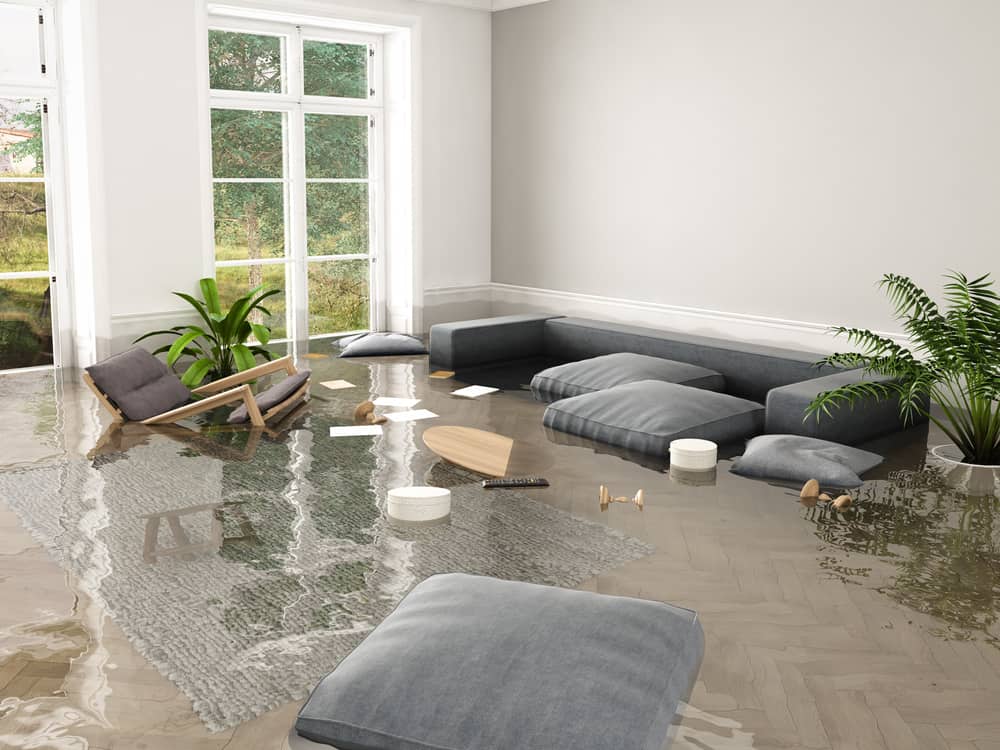
The process starts the moment you call. We operate around the clock, so whether a pipe bursts at 2 a.m. on a Tuesday in February or a nor’easter pushes water into your East Patchogue basement on a Sunday night, you’re reaching a real person — not a voicemail. The first priority is stopping the damage from spreading, which means water extraction begins as soon as we arrive.
After extraction, the focus shifts to structural drying. This is where the work separates professional restoration from a surface-level cleanup. We set up industrial air movers and dehumidifiers throughout the affected area, and use moisture meters to track readings inside walls, under floors, and in structural cavities — not just on the surface. In East Patchogue’s older homes, this step is critical. Original plaster, solid wood subfloors, and original insulation all retain moisture differently than modern materials, and the drying timeline has to account for that.
Once the structure is confirmed dry, we handle mold prevention treatment and document everything for your insurance claim. Because East Patchogue is an unincorporated hamlet in the Town of Brookhaven, any structural repairs or reconstruction that follow will require building permits through Brookhaven Town — not a village hall. We work through that process with you, from initial damage documentation straight through to the rebuild if needed.

Ready to get started?
Water damage restoration in East Patchogue covers a wide range of situations, and the response has to match the source. A burst pipe in a 1960s ranch off Montauk Highway is a Category 1 clean water event — contained, straightforward, but still capable of causing serious structural damage if the drying phase is rushed. A basement that flooded during a coastal storm, or a sewer backup triggered by an overwhelmed drainage system, is a Category 3 contaminated water event that requires a completely different protocol: full protective equipment, antimicrobial treatment, and proper disposal of affected materials.
We handle all of it — water extraction, structural drying, basement water extraction, mold remediation, odor treatment, and full reconstruction. We work directly with your insurance carrier, handling the documentation and billing so you’re not caught trying to navigate a claims process while your home is still mid-restoration. For East Patchogue homeowners covered under standard policies, it’s worth knowing upfront: homeowners insurance typically covers sudden, accidental damage like a burst pipe, but it does not cover flooding from external sources. If your damage came from storm surge or rising groundwater, that falls under a separate flood insurance policy. We can help you understand what you have and what applies before the adjuster shows up.
New York State requires that any mold remediation project of 10 square feet or more be performed by a licensed NYS Mold Remediator. We carry that licensing, which matters both for compliance and for making sure your insurance claim holds up.

It depends on the source of the water, and that distinction matters a lot in East Patchogue. Standard homeowners insurance generally covers sudden, accidental water damage — a burst pipe, a washing machine supply line that failed, a water heater that let go. What it does not cover is flooding from external sources, which includes storm surge from Great South Bay, groundwater that seeps in through your foundation, or water that backs up from an overwhelmed storm drain during a nor’easter. For that type of damage, you need a separate flood insurance policy through the National Flood Insurance Program.
East Patchogue sits in the Town of Brookhaven’s South Shore corridor, and parts of the area carry FEMA Zone AE designations — meaning there’s a recognized annual flood probability that standard homeowners policies won’t touch. If you’re not sure what you have or what applies to your specific situation, calling us before you call your insurance carrier is actually a smart move. Getting the damage properly documented first gives you a stronger foundation for whatever claim follows.
Faster than most people expect. The EPA is clear that water-damaged areas need to be dried within 24 to 48 hours to prevent mold growth. Mold spores can begin germinating within 24 hours under the right conditions, and visible growth typically shows up within 48 to 72 hours — but the microscopic growth starts before you can see anything.
In East Patchogue’s older homes, this timeline is even more pressing. Post-war construction details — original plaster over wood lath, solid wood subfloors without vapor barriers, older fiberglass insulation — trap and hold moisture in ways that modern materials don’t. A basement that looks dry after you’ve run a shop-vac and a box fan may still have significant moisture content inside the wall assembly or under the floor. By the time visible mold appears, you’re no longer dealing with a water damage job — you’re dealing with a water-plus-mold job, which is a different scope and a higher cost. Calling us sooner rather than later is the single most effective thing you can do to keep the restoration manageable.
For most situations, the drying phase alone takes three to five days. A general basement flood affecting one or two rooms typically runs about three weeks from initial extraction through final repairs, though that timeline can shift depending on the extent of the damage and how quickly the work gets started.
In East Patchogue’s post-war housing stock, the drying phase sometimes runs longer than it would in a newer home. Original plaster walls, solid wood subfloors, and older insulation materials retain moisture differently than modern drywall and engineered lumber, and the equipment has to run until the moisture readings confirm the structure is genuinely dry — not just until things feel dry to the touch. If the damage is extensive enough to require reconstruction, you’ll also need to factor in permitting through the Town of Brookhaven, since East Patchogue is an unincorporated hamlet and all structural work goes through Brookhaven Town’s building department. We handle that coordination as part of the full-service process.
The first thing is to make sure it’s safe to enter. If there’s any chance the water has reached electrical outlets, your panel, or any appliances, don’t go in until the power to that area has been shut off. Once it’s safe, stop the source if you can — shut off the main water supply if it’s a pipe failure, or close any openings if water is coming in from outside.
From there, call us as quickly as possible. The 24 to 48 hour mold window starts the moment the water event happens, not the moment you notice the damage. Don’t wait to see how bad it gets. Document everything you can with photos before anything is moved or cleaned up — that documentation is important for your insurance claim. Avoid using household fans or a shop-vac as your primary drying strategy. In an East Patchogue home with original plaster walls and solid wood subfloors, consumer-grade equipment won’t reach the moisture inside the wall assembly, and surface-dry doesn’t mean structurally dry. Getting professional extraction and drying equipment in quickly is what keeps a manageable water damage job from turning into a mold remediation project.
This is one of the most common points of confusion homeowners run into, and it has real financial consequences. For insurance purposes, “flood damage” has a specific definition: it refers to water that originates outside your home and enters due to rising water levels — storm surge, overflowing bodies of water, or surface water accumulation. Standard homeowners insurance policies do not cover this. Flood coverage requires a separate policy, typically through the National Flood Insurance Program.
“Water damage,” by contrast, refers to damage caused by water that originates inside your home or enters suddenly from a specific, accidental event — a burst pipe, a failed appliance, a roof leak during a storm. That type of damage is generally covered under standard homeowners insurance, subject to your deductible and policy terms. The distinction matters particularly in East Patchogue, where South Shore storm events can cause both types of damage at the same time. A nor’easter might drive water through a compromised roof seal (likely covered) while also pushing groundwater up through your foundation (likely not covered without flood insurance). Understanding which category your damage falls into before you file a claim helps you set realistic expectations and avoid surprises.
There are a few things worth checking before you commit. IICRC certification is the most meaningful credential in this industry — it means the technicians have been trained to the S500 standard for water damage restoration and that the work follows a documented protocol that insurance companies recognize. It’s not legally required, but working with a non-certified company can create complications when your claim is reviewed. Beyond that, confirm the company is licensed, bonded, and insured, and that they carry the New York State Mold Remediator license if mold remediation is part of the scope — NYS law requires it for any mold project over 10 square feet.
It’s also worth paying attention to how a company communicates before you hire them. Do they explain what they’re doing and why? Do they give you a clear picture of the scope before work begins? In a post-Sandy Long Island market, storm-chasing contractors and lead-generation aggregators are a real presence in search results. A company with nearly 30 years of history on Long Island’s South Shore, a physical Suffolk County location, and a local phone number is a different kind of operation than a national franchise or a referral middleman.
Useful Links
Other Services we provide in East Patchogue