
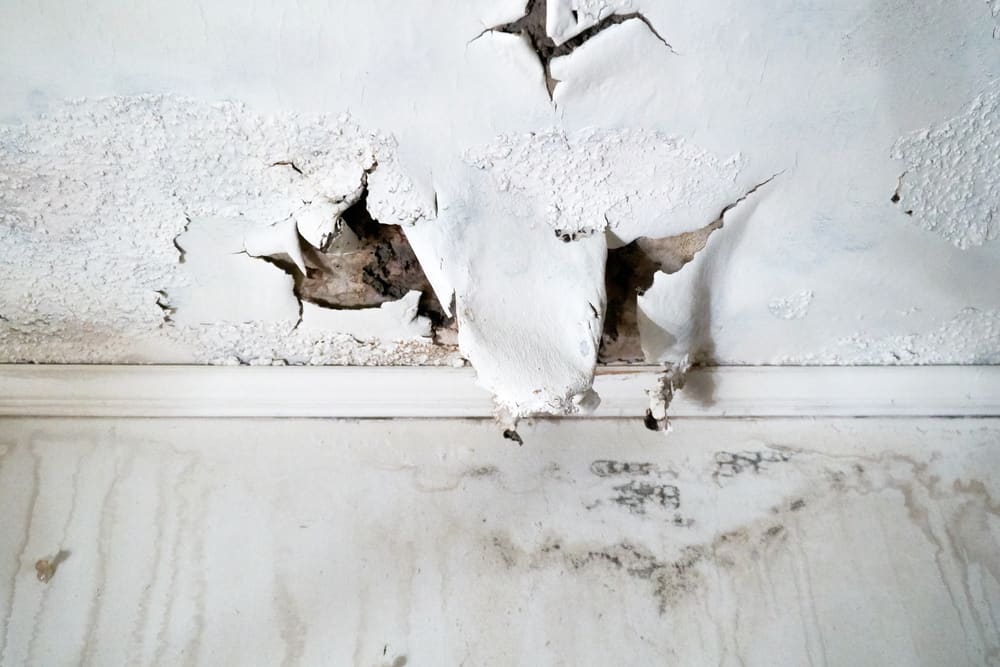
Hear from Our Customers

When the water is gone, the real work is just starting. What most homeowners don’t realize is that visible drying and actual drying are two completely different things. Moisture hides inside walls, under flooring, and in crawl spaces — and in Flanders, where the groundwater table is documented as exceptionally high, that hidden moisture has more than one way to find its way into your home. A surface cleanup isn’t enough here.
Flanders homes were largely built without basements for a reason — the high water table made them impractical. That same water table means that when a storm surge pushes up from Flanders Bay or a pipe fails inside the house, moisture spreads fast into living areas with nowhere to drain. The result is a drying challenge that requires industrial equipment, not fans from a hardware store.
After a proper restoration, you get a home that’s genuinely dry — moisture-mapped, structurally sound, and treated to prevent mold from forming in the days that follow. We handle the insurance side too. From documenting the damage correctly to coordinating directly with your insurance company, the goal is to make sure you’re not left managing a claims process while also dealing with a damaged home. That combination — thorough restoration plus insurance coordination — is what actually puts the situation behind you.
We’ve been doing this work on Long Island for nearly three decades. That’s not a number on a website — it means we’ve worked through Sandy, through nor’easters that pushed the Peconic River over its banks, and through every kind of water damage scenario that Suffolk County homes produce. The East End’s specific challenges — high water tables, shallow bay flooding, older housing stock — aren’t new territory for us.
We’re based in West Babylon, licensed, bonded, and insured, with IICRC-certified technicians who follow the industry’s established protocols for water damage restoration. That certification matters when it comes to insurance claims — adjusters recognize IICRC-documented work, and it protects you during the claims process in ways that uncertified cleanup simply doesn’t.
Flanders is a year-round community, not a seasonal one, and we treat it that way. When you call our Suffolk County line at 631-587-5300, you’re reaching a local team — not a national call center routing your emergency to whoever’s available three counties away.
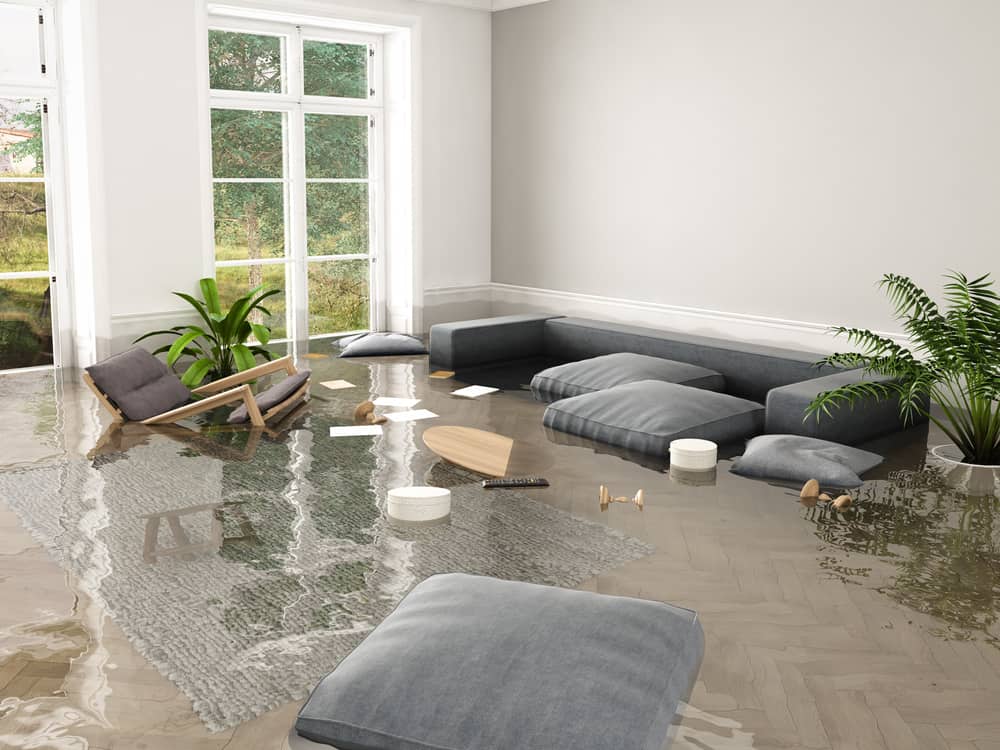
The first call does two things: it gets our team moving toward your home and it starts the documentation process. When you’re dealing with water damage in Flanders — whether it’s storm surge backing up from the bay, a burst pipe in the middle of winter, or a failed water heater — the clock matters. Mold can begin forming within 24 to 48 hours, and the longer standing water sits, the deeper moisture travels into your structure.
Once on-site, we do a full assessment before anything else. That means moisture meters and detection equipment go to work identifying where water has traveled — not just where it’s visible. In Flanders, this step is especially important because the combination of high groundwater pressure and slab-on-grade construction means moisture often moves laterally under flooring and into wall cavities before a homeowner even notices a problem. The assessment shapes everything: what equipment we deploy, how long the drying phase will take, and what documentation we create for your insurance claim.
From there, water extraction and structural drying happen with industrial-grade equipment — air movers, dehumidifiers, and antimicrobial treatment where needed. If Southampton Town building permits are required for any structural repairs that follow, we factor that into the process from the start. The job isn’t finished until the moisture readings confirm it’s finished — not just until things look dry to the eye.

Ready to get started?
Water damage restoration in Flanders covers a wider range of scenarios than most homeowners expect. The obvious ones are storm-related — Flanders Bay flooding, Peconic River tidal surge, nor’easter-driven coastal flood events that roll through the western Peconic Bay area with regularity. But the non-weather causes are just as common: burst pipes in aging ranch-style homes, water heater failures, washing machine overflows.
New York’s housing stock is the oldest in the country by median age, and Flanders’s post-war homes reflect that — older plumbing and appliances fail, and when they do, water spreads fast through slab-on-grade construction into living areas. The full scope of our service includes emergency water extraction, basement water extraction where applicable, structural drying, moisture mapping, antimicrobial treatment, and complete documentation for your insurance claim.
For storm surge events coming off Peconic Bay — which qualify as Category 3 contaminated water under IICRC standards — the remediation protocol is more involved, and having certified technicians following the correct process is what keeps your insurance claim on solid ground. Properties near Reeves Bay or within the wetland buffer zones along the Peconic River corridor may also require coordination with Southampton Town’s Building and Zoning Division for any structural repairs. We handle that complexity as part of the job, not as an afterthought. The goal is a complete restoration — water gone, structure sound, mold prevented, paperwork in order.

This is one of the most important distinctions to understand before you file a claim. Standard homeowners insurance covers sudden, accidental water damage from internal sources — a burst pipe, an appliance failure, a water heater that gives out. What it does not cover is flooding. If water entered your Flanders home from Peconic Bay storm surge, Flanders Bay tidal flooding, or overland flow during a nor’easter, that is classified as flood damage — and it requires a separate flood insurance policy, typically through the National Flood Insurance Program (NFIP).
The practical implication is that many Flanders homeowners who are in or near a FEMA-designated flood zone may have both types of coverage, or may discover they only have one when they need the other. The documentation we create during a professional restoration matters enormously here — the source and category of water intrusion affects which policy responds and how the claim gets processed. We work directly with your insurance company to make sure the damage is documented correctly from the start, which protects your claim regardless of which policy applies.
Faster than most people expect. The EPA’s guidance is clear: water-damaged areas need to be dried within 24 to 48 hours to prevent mold growth. Mold spores are already present in the air — they don’t need to be introduced. They just need moisture and a surface, and they begin germinating within 24 hours under the right conditions. Visible growth typically appears within 48 to 72 hours, but microscopic growth starts earlier than that.
In Flanders specifically, the combination of high ambient humidity near the bay and the high local groundwater table creates conditions that accelerate this timeline. A crawl space or wall cavity that stays damp after a storm event is exactly the environment where mold takes hold quickly. Consumer-grade fans and wet-vacs don’t reach moisture inside wall cavities or under flooring — they address what’s on the surface, not what’s already migrated into the structure. That’s why professional moisture detection and industrial drying equipment aren’t optional in this environment — they’re what actually stops the mold clock.
The first thing is safety — don’t walk into standing water if there’s any possibility of electrical contact. If the flooding is significant, shut off power to affected areas at the breaker before entering. Once it’s safe, call a restoration company before you call your insurance company. Getting a professional on-site first means the damage gets documented properly — photos, moisture readings, water source identification — before anything is disturbed. That documentation is what your insurance adjuster will rely on, and it’s much harder to reconstruct after the fact.
While you’re waiting, remove what you can from the affected area if it’s safe to do so — furniture, rugs, personal items. Don’t use a standard household vacuum to try to remove water, and don’t run a regular fan thinking it will dry things out. In a Flanders home with the groundwater table as high as it is, water that appears to be draining may actually be seeping back in from below. A professional assessment will tell you what’s actually happening, which is the only way to know what you’re actually dealing with.
The honest answer is that it depends on the scope — but most residential water damage restoration takes somewhere between a few days and a few weeks from start to finish. The water extraction phase typically takes one to three days. Structural drying usually runs three to five days for a standard scenario, though a more severe flood event or a home with significant moisture migration into walls and subfloors can extend that. Full restoration including any structural repairs can run two to three weeks for a typical basement flooding situation.
In Flanders, a few local factors can affect that timeline. Homes with crawl spaces or slab-on-grade construction — which is common here given the historically high water table — can take longer to dry completely because moisture has fewer drainage paths. If the damage is near Reeves Bay or within a regulated wetland buffer zone along the Peconic River corridor, Southampton Town building permits may be required before structural repairs can begin, which adds time to the back end of the project. We’ll give you a realistic timeline after the initial assessment, not a best-case number designed to get you to sign on.
Insurance companies treat these as two separate categories, and the distinction has a real financial impact. Water damage — in insurance terms — refers to sudden, accidental damage from a source inside the home. A pipe bursts, a dishwasher supply line fails, a water heater cracks. That type of damage is typically covered under a standard homeowners policy. Flood damage, by contrast, refers to water that enters the home from an external source — storm surge, overland flooding, rising bodies of water. That requires separate flood insurance.
For Flanders homeowners, this distinction is especially relevant. The hamlet sits in a coastal flood zone with documented exposure to Peconic Bay storm surge and Peconic River tidal flooding. A nor’easter that pushes bay water onto Flanders Road and into your crawl space is a flood event — not a water damage event — for insurance purposes. Knowing which type of policy applies before you file is important, and having a restoration company that documents the source of intrusion correctly from the beginning protects you from claim disputes later. We handle that documentation as a standard part of every job.
New York has the oldest median home age in the country — 62 years — and Flanders’s housing stock reflects that. The ranch-style and minimal traditional homes that make up most of the hamlet were built in the post-war era, which means the plumbing, water heaters, and appliances in many of these homes are aging. Older pipes — particularly galvanized steel, which was common in mid-century construction — corrode from the inside over time, weakening the walls until pressure causes a failure. Water heaters past their ten-to-fifteen-year lifespan carry a similar risk.
When a pipe bursts in a ranch home with slab-on-grade construction, there’s no basement to contain the water — it spreads immediately across living areas and migrates under flooring and into wall cavities before most homeowners realize what’s happening. The same construction that made these homes practical to build in a high-water-table area makes them particularly vulnerable to rapid moisture spread when a pipe fails. That’s why the response time matters so much, and why a thorough moisture assessment — not just visible cleanup — is the only way to know the full extent of what happened inside the structure.
Useful Links
Other Services we provide in Flanders