
Hear from Our Customers

Water damage doesn’t resolve itself. What starts as a wet basement floor can become a mold problem inside your walls within 24 to 48 hours — and by then, what looked like a manageable cleanup has turned into a much larger project. Getting a professional on-site fast is the single most important thing you can do to limit the damage and control the cost.
For Gordon Heights homeowners specifically, that urgency has an extra layer. A lot of the homes in this community — especially those in the original settlement footprint around Gordon Avenue and Baldwin Court — are 70 to nearly 100 years old. The plumbing in those homes was never designed to last this long. When a galvanized pipe finally fails, it doesn’t drip — it lets go. And the water doesn’t just sit on the floor; it wicks into subfloors, wall cavities, and framing that may have absorbed decades of minor moisture events already.
The other thing Gordon Heights residents deal with that many people don’t fully understand is groundwater. This part of Brookhaven Town sits on the central Long Island glacial outwash plain, where the water table is high and responsive. After a heavy storm — like the record rainfall that prompted a Suffolk County Disaster Emergency declaration in August 2024 — water doesn’t always show up during the storm. It can push through foundation walls and floor drains a day or two later, long after you’ve decided the worst has passed. Professional moisture mapping and structural drying are the only way to know for certain that the problem is actually gone.
We’ve been restoring Long Island homes for nearly 30 years. That means our technicians have worked through every major storm Suffolk County has seen in that stretch, including the aftermath of Hurricane Sandy, which damaged or destroyed tens of thousands of structures across Nassau and Suffolk counties. We know the geology, the housing stock, and the seasonal flooding patterns of Gordon Heights and the surrounding area in a way that a newer company or a national franchise simply can’t replicate.
Gordon Heights falls squarely within our Suffolk County service area, and the 631 number you call connects you to a local team — not a dispatch center routing jobs to whoever’s available. Our technicians are fully certified by the IICRC, the industry’s most recognized professional standard, and we are licensed, bonded, and insured. That matters when you’re filing an insurance claim and need documentation that an adjuster will actually accept.
We work directly with your insurance company, handling the paperwork and billing on your behalf. For a community where homeownership carries real meaning — Gordon Heights was built on the idea that families deserve a home worth protecting — that kind of straightforward, no-surprise service is exactly what the situation calls for.
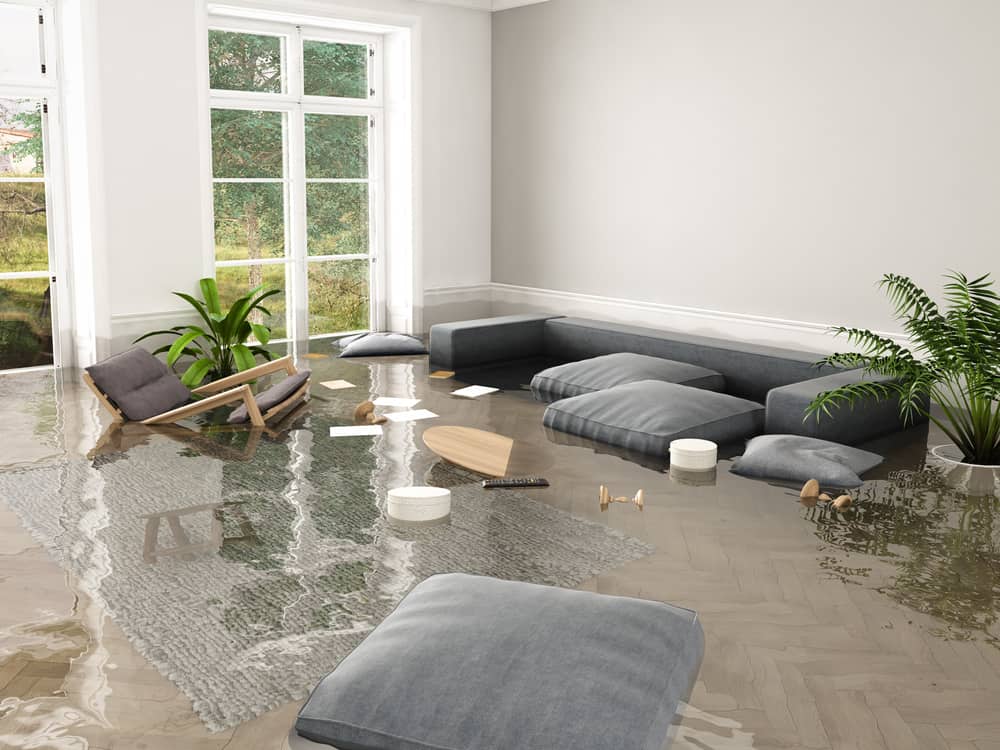
When you call, the first thing that happens is a real conversation — not a form or a callback queue. You describe what you’re seeing, and we determine the fastest path to getting someone on-site. Because Gordon Heights is within our Suffolk County service area, response times are measured in hours, not days. That window matters, because the EPA is clear that water-damaged areas need to be dried within 24 to 48 hours to prevent mold growth.
Once on-site, our technicians start with a full assessment using professional moisture meters and thermal imaging equipment. This step is critical in older Gordon Heights homes, where water doesn’t stay where you can see it. It travels into wall cavities, under flooring, and into the structural framing — and consumer-grade fans won’t touch it. The assessment tells you exactly what you’re dealing with before any work begins, and it produces the documentation your insurance company needs to process your claim.
From there, we move through water extraction, structural drying, and dehumidification in a sequence that follows IICRC S500 standards. If there’s mold present — or if conditions are right for it to develop — that gets addressed as part of the same process. For work in the Town of Brookhaven, any required permits are handled in accordance with local requirements. The job isn’t done until moisture readings confirm the structure is dry, not just until the visible water is gone.
Ready to get started?
Water damage restoration is not a single service — it’s a sequence of connected steps, and gaps between them are where problems get missed. We handle the full scope: emergency water removal, basement water extraction, structural drying, dehumidification, mold inspection, mold remediation, odor treatment, and reconstruction. One company, one call, from the initial emergency through the final repairs.
For Gordon Heights residents dealing with burst pipe water damage, the process typically starts with stopping the source and then extracting standing water before it migrates further. In the older homes common to this community, that means checking carefully for water that has already traveled into wall cavities and subfloors — areas where it will sit undetected and create mold long after the surface looks dry. We use industrial-grade equipment that reaches places a shop vac never will.
For storm damage restoration and flooded basement cleanup — both common in this part of Brookhaven Town given the high water table and the community’s proximity to the Pine Barrens recharge zone — the focus shifts to hydrostatic intrusion. Water that enters through foundation walls or floor drains under pressure behaves differently than a burst pipe, and the drying approach has to account for that. We also handle fire damage, sewage backup, board-up service, and severe odor deodorizing, so whatever the situation, you’re not coordinating between multiple contractors. And if your situation involves an insurance claim, we handle the documentation and direct billing from the start.

In most cases, yes — standard homeowners insurance covers sudden, accidental water damage from internal sources like burst pipes, failed water heaters, and appliance overflows. The key word is “sudden.” If the damage happened because a pipe let go without warning, that’s typically a covered event. What insurance does not cover is gradual damage — a slow leak that went unaddressed for months, or water seeping in through a foundation that was never properly waterproofed.
This distinction matters a lot in Gordon Heights, where many of the older homes have galvanized steel pipes that have been deteriorating quietly for decades. If an adjuster determines that the pipe failure was due to long-term corrosion that should have been caught during routine maintenance, the claim can get complicated. That’s one reason it helps to have an IICRC-certified restoration company document the damage thoroughly from the start — the right documentation makes a real difference in how a claim is evaluated. We work directly with insurance companies and handle the paperwork on your behalf, which takes the most stressful part of this process off your plate.
Mold spores can begin germinating within 24 hours of a flooding event under the right conditions, and visible growth typically appears within 48 to 72 hours. The EPA specifically recommends drying water-damaged areas within 24 to 48 hours to prevent mold from taking hold. Once it does, you’re no longer dealing with a water damage job — you’re dealing with a mold remediation job on top of it, which adds time and cost.
The challenge in many Gordon Heights homes is that the conditions for mold growth aren’t always obvious. Water that enters through a foundation wall or floor drain during a hydrostatic event — the kind that happens when the water table rises after heavy rain — can saturate wall insulation and framing without leaving much visible evidence on the surface. By the time you see discoloration or smell something off, the mold has already established itself. Professional moisture mapping with thermal imaging is the only reliable way to find all the wet areas, including the ones behind walls and under flooring, before they become a mold problem. Acting within that first 24-hour window is the most effective thing you can do to keep the scope of the job manageable.
Gordon Heights sits on the central Long Island glacial outwash plain, which means the community shares a geological profile with neighboring hamlets like Coram and Medford — an area where the water table is high and responds quickly to rainfall. During extended rain events or rapid snowmelt in late winter and early spring, the water table rises and pushes against basement walls and floor drains from below. This is called hydrostatic pressure, and it’s one of the most common causes of basement flooding in this part of Brookhaven Town.
What makes this pattern confusing for Gordon Heights homeowners is the timing. Hydrostatic flooding often doesn’t appear during the storm — it shows up a day or two later, after the rain has stopped and you’ve convinced yourself the danger passed. The August 2024 storm event that prompted a Suffolk County Disaster Emergency declaration is a recent example of how quickly conditions can change across this area. Beyond groundwater, Gordon Heights’ older housing stock is a contributing factor: aging pipes, original water heaters, and cast iron drain lines that are well past their expected service life are a consistent source of sudden water damage events. The community’s wooded streets — one of its most appealing characteristics — also mean falling trees and branches during nor’easters and summer storms can breach a roof and create immediate water intrusion from above.
For most water damage situations, the drying phase alone takes three to five days using professional-grade dehumidifiers and air movers. The full restoration process — from initial extraction through final repairs — averages around two weeks for moderate damage, though that timeline can stretch significantly if mold is present, if structural repairs are needed, or if the damage is extensive enough to require reconstruction.
In Gordon Heights specifically, the age of the housing stock can affect the timeline in a couple of ways. Older homes with original subfloors, plaster walls, or older insulation materials sometimes require more drying time because those materials hold moisture differently than modern construction. In some cases, sections of wall or flooring need to be opened up to allow proper airflow to the structural framing behind them. This isn’t always avoidable — it’s just what thorough work looks like in a home that’s been standing for 70 or 80 years. The alternative is leaving hidden moisture in place, which leads to mold and a much bigger problem down the road. We’ll give you a realistic timeline after the initial assessment, so you’re not guessing about how long your family will be dealing with disruption.
In many cases, yes — but it depends on the extent of the damage and where it’s located. If the flooding is confined to a basement and the living areas above are unaffected, most families can remain in the home during the drying process. The industrial dehumidifiers and air movers are loud and will be running continuously, which some people find disruptive, but it’s manageable for most households.
If the damage has reached living areas, if mold is confirmed, or if there’s any question about air quality — particularly in a home with young children — it may be worth making temporary arrangements. Gordon Heights has a notably young, family-oriented population, with nearly 45 percent of households having children under 18. For families in that situation, we’ll be straightforward with you about whether staying put is reasonable or whether the conditions warrant a temporary relocation. What we won’t do is give you a blanket answer before we’ve actually assessed the situation. The free on-site assessment is specifically designed to give you that honest picture before any work begins, so you can make the right call for your household.
The most important things to look for are IICRC certification, a verifiable local presence, and the ability to work directly with your insurance company. IICRC certification means the technicians have been formally trained and tested on the industry’s professional standards — including the S500 protocol for water damage restoration. Insurance companies know what IICRC-certified work looks like, and claims backed by that documentation tend to move more smoothly than those from non-certified contractors.
Local presence matters more than it might seem. When you search for water damage restoration near Gordon Heights, you’ll find a mix of results — some with out-of-area phone numbers, some with no verifiable history in Suffolk County, and some that are national franchises with local branding. In a community like Gordon Heights, where trust is earned and not assumed, knowing that the company you’re calling has actually been working in Brookhaven Town for decades — through real storms, real claims, and real homes — is a meaningful distinction. We’ve been serving Suffolk County for nearly 30 years, hold IICRC certification, and are licensed, bonded, and insured. Our free on-site assessment means you can get a clear picture of what you’re dealing with before you commit to anything, which is exactly where the conversation should start.
Useful Links
Other Services we provide in Gordon Heights